eco-friendly borosilicate glass beverage jug Suppliers and Manufacturers
Compare 17 verified suppliers offering eco-friendly borosilicate glass beverage jug options with varying lead times, MOQs, and response speeds. Review product specifications like capacity and material to select the right partner for your needs; review the available evidence before requesting comparable quotations from suitable candidates.
Updated
Suppliers List

Foshan Nanhai Hua Yue Glass Co., Ltd.
- Verified by BV
- Combined
- China Guangdong
- Lead time30 days
- Avg. response≤ 4h
Main productsGlassware, Glass Bottle, Glass Cups, Glass Mugs, Wine Glass, Glass Plates, Glass Jars, Glass Bowls
Main marketsSoutheast Asia/ Mideast,Europe,Australia,North America
Chongqing Jia Ying Glass Products Co., Ltd.
- Manufacturer, Trading Company
- Chongqing, China
- Lead time0 days
- Avg. response≤ 3h
Main productsGlass teapot,Glass jug,Glass pitcher,glass cup,decanter
Main marketsDomestic Market(80.00%), Southern Europe(5.00%), Eastern Europe(5.00%), Mid East(5.00%), North America(2.00%), Southeast Asia(1.00%), Africa(1.00%), South America(1.00%)
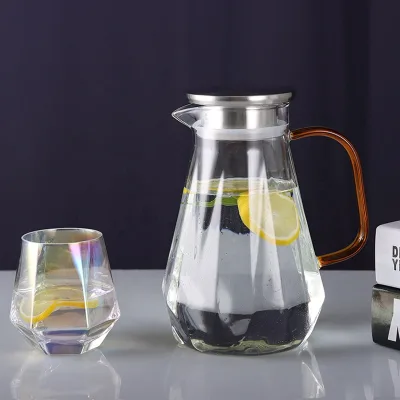
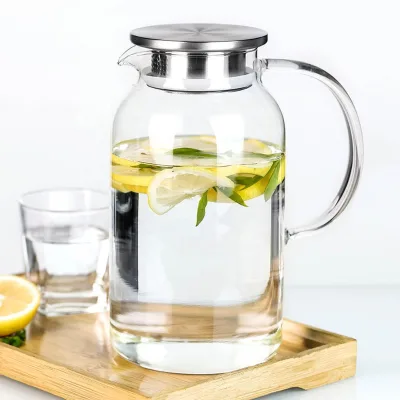
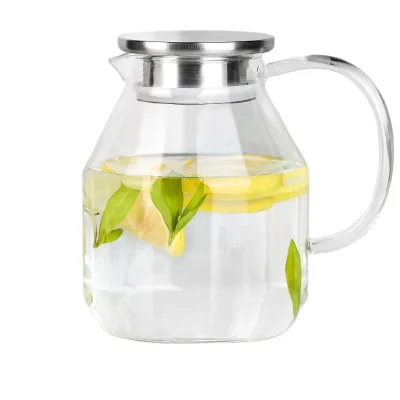
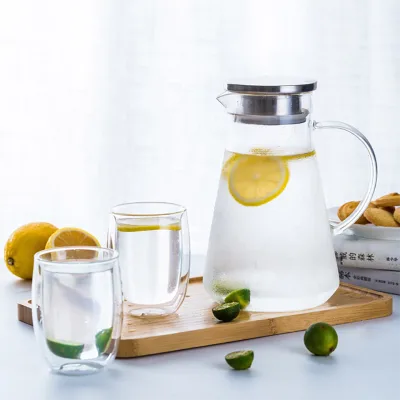
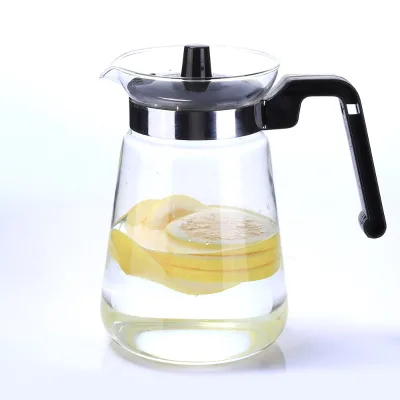
Newly designed 2020 borosilicate glass jug with 304 stainless steel lid
$2.4627 - $4.1045
MOQ: 24 pieces

- Verified by TUVRHEINLAND
- Trading Company
- China Hunan
- Lead time45 days
- Avg. response≤ 1h
Main productsCeramic Mug, Vacuum Flask, Dinner Set, Cup, Mug, Thermal Bottle, Ceramic Dinner Set, Glass Jar, Glass Cup, Wine Cup
Main marketsSoutheast Asia/ Mideast

Hemera (Tianjin) Technology Development Limited
- Verified by TUVRHEINLAND
- Manufacturer/Factory
- China Tianjin
- Lead time38 days
- Avg. response≤ 7h
Main productsGlass Cup, Glass Teapot, Glass Jar&Container, Glass Pitcher&Carafe, Water Jug, Coffee Set, Wine Set, Glass Cooking Ware
Main marketsSouth America,Eastern Europe,Mid East,North America,Southeast Asia,Eastern Asia,Oceania,Western Europe,Africa


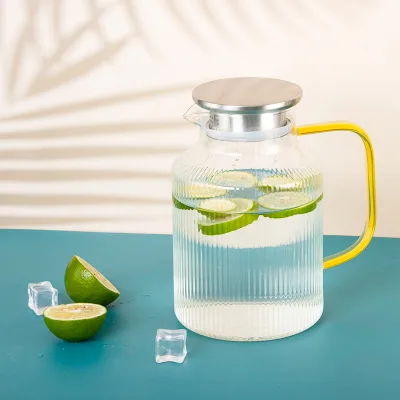
Plated Color Borosilicate Glassware Home Use Iced Cold Water Beverage Drinking Jug with Cups
$10.00 - $12.50
MOQ: 500 Pieces


High Borosilicate Glass Water Glassware Drinking Bottle Jug Kettle with Stainless Steel Lid
$4.20 - $4.80
MOQ: 500 Pieces

Glassware Big Capacity 1800ml Drinking Pot Custom Boroslicate Glass Water Jug
$4.20 - $4.80
MOQ: 500 Pieces
- Verified by TüVRheinland
- Manufacturer, Trading Company
- Lead time25 days
- Avg. response≤ 3h
Main productsDrinkware, Ceramicware, Barware, Kitchenware, Glass Bottles
Main marketsNorth America(20%), South America(20%), Southeast Asia(20%)
Huailai Golden Glass Co., Ltd.
- Verified by SGS Group
- Manufacturer, Trading Company
- Lead time14 days
- Avg. response≤ 5h
Main productsGlassware, Coffee Tea and Espresso, Glass Vase and Incense Holder and Candle Holder, Dinnerware Bowls and Dishes Plates and Food Container, Glass Tube and Glass Rod
Main marketsNorth America(35%), South Asia(25%), Eastern Europe(11%)
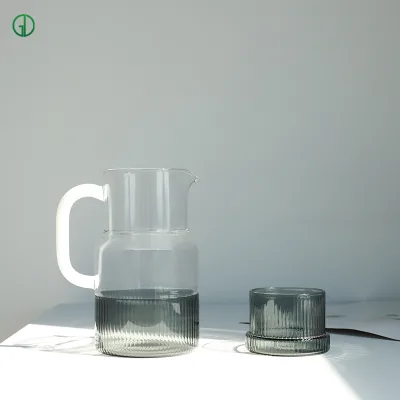
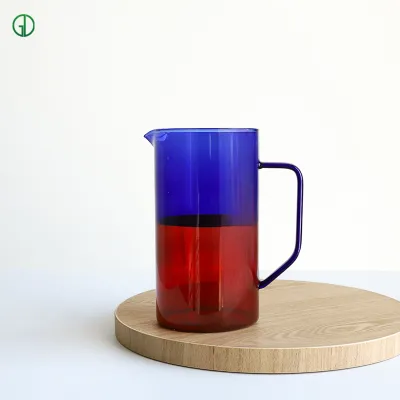
BPA Free Reusable Borosilicate Colored Glass Water Jug Food Grade Tea Pots & Kettles
$6.1133 - $8.5596
MOQ: 200 pieces
Bengbu Jinmeiyuan Glass Products Co., LTD.
- Trading Company
- Anhui, China
- Lead time10 days
- Avg. response≤ 15h
Main productsglass cup,glass jug,glass bowl,glass vase,glass food container
Main marketsNorth America(50.00%), Eastern Europe(30.00%), Southeast Asia(20.00%)
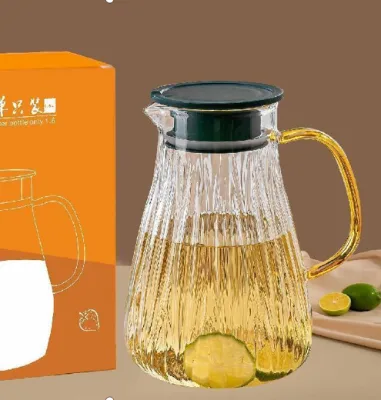
Cold Iced Water Glass Jug Sustainable Family Use Glass Beverage Juice Soda Water Jug with Lid
$3.2207 - $3.5323
MOQ: 16 sets
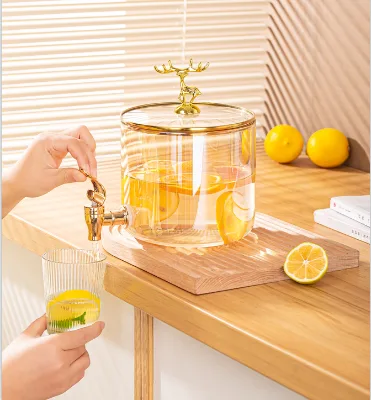
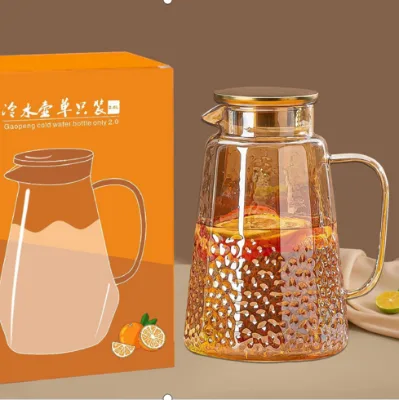
$3.1593 - $3.4649
MOQ: 16 sets
Hejian Yijing Glass Products Co., Ltd.
- Manufacturer, Trading Company
- Hebei, China
- Lead time30 days
- Avg. response≤ 3h
Main productsGlass Oil Pot,Glass Water Pitcher,Glass storage jar,Glass teapot,Glass cup
Main marketsDomestic Market(5.00%), South Asia(5.00%), Southern Europe(5.00%), Northern Europe(5.00%), Central America(5.00%), Western Europe(5.00%), Eastern Asia(5.00%), Mid East(5.00%), Oceania(5.00%), Africa(5.00%), Southeast Asia(5.00%), Eastern Europe(5.00%), South America(5.00%), North America(5.00%)
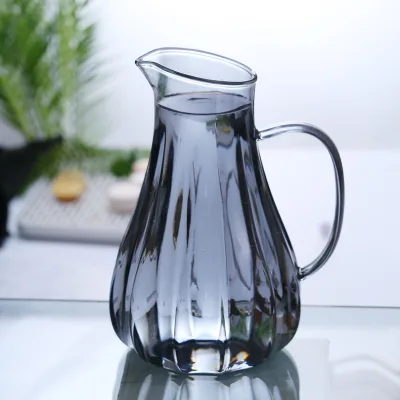
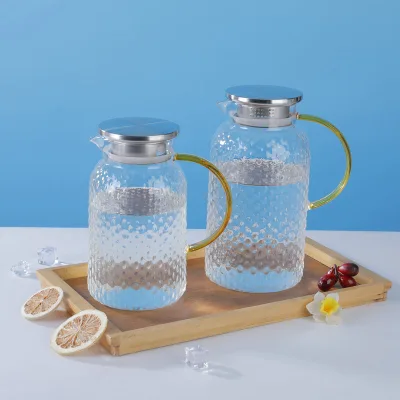
Elegant Glass Water Pot Beverage Drink Jug With Handle for Party Home Use
$1.7377 - $2.3099
MOQ: 100 Minimum
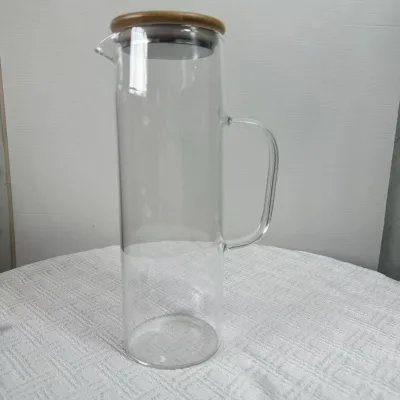
Elegant Glass Water Jars Kettles Glass Jug with Sturdy Lid for Restaurant Hotel
$4.6378
MOQ: 100 Minimum

- Group Corporation
- China Guangdong
- Lead time45 days
- Avg. response≤ 4h
Main productsKitchenware Roasting Pan Pie Dish Pie Pan, Tableware Dinnerware Dishes Plates Servingware, Food Storage Container Baking Pan Baking Tray, Dishes Bowls Cups Mug Spoons Jars Canister, Water Glass Tumbler Coffee Mug Teacup & Saucer, Juice Glass Lunch Box Bento Box Food Keeper, Dinner Plate Salad Plate Side Plate Bread & Butt, Soup Bowl Cereal Bowl / Rice Bowl Serving Platte, Coffee Spoon Dinner Fork Salad Fork Butter Knife, Teaspoon Soup Spoon Dessert Spoon Serving Spoon
Main marketsSouth America,Eastern Europe,Mid East,North America,Southeast Asia,Eastern Asia,Oceania,Western Europe,Africa

Guangzhou Garbo International Trading Co., Ltd.
- Verified by TUVRHEINLAND
- Trading Company,Manufacturer/Factory
- China Guangdong
- Lead time45 days
- Avg. response≤ 5h
Main productsGlassware, Glass Cup, Glass Mug, Glass Bowl, Glass Candy Jar, Glass Pitcher, Glass Ice Cream Cup and Ice Bucket, Opal Glassware, Stainless Steel Cutlery, Ceramic Dinnerware
Main marketsSouth America,Eastern Europe,Mid East,North America,Southeast Asia,Eastern Asia,Oceania,Western Europe,Africa
- Verified by Intertek
- Trading Company
- Lead time45 days
- Avg. response≤ 2h
Main productsGlass Tumbler, Casserole, Glass Kettle, Glass Kitchenware, Creamic Tableware
Main marketsDomestic Market(50%), Mid East(17%), North America(16%)

Hejian Longteng Plastic Products Co., Ltd.
- Verified by CTI
- Combined
- China Hebei
- Lead time30 days
- Avg. response≤ 9h
Main productsGlass Cup
Main marketsDomestic

Custom Logo Large Capacity High Borosilicate Glass Tea Pot Cold Water Glass Jug with Lid
$3.68 - $5.80
MOQ: 100 Pieces


Factory Direct Sales Hot Selling Larger Capacity High Borosilicate Glass Water Jug with Lid
$3.20 - $4.50
MOQ: 100 Pieces

320ml/1400ml/1680ml Clear Borosilicate Water Juice Coffee Tea Glass Pot with Lid
$3.00 - $3.50
MOQ: 100 Pieces
Hejian Longteng Plastic Products Co., Ltd.
- Verified by SGS Group
- Manufacturer, Trading Company
- Lead time30 days
- Avg. response≤ 1h
Main productsDouble wall glass cup, Plastic measuring cup, Glass jar, Glass decanter, Plastic beaker
Main marketsEastern Asia(40%), North America(30%), Western Europe(20%)
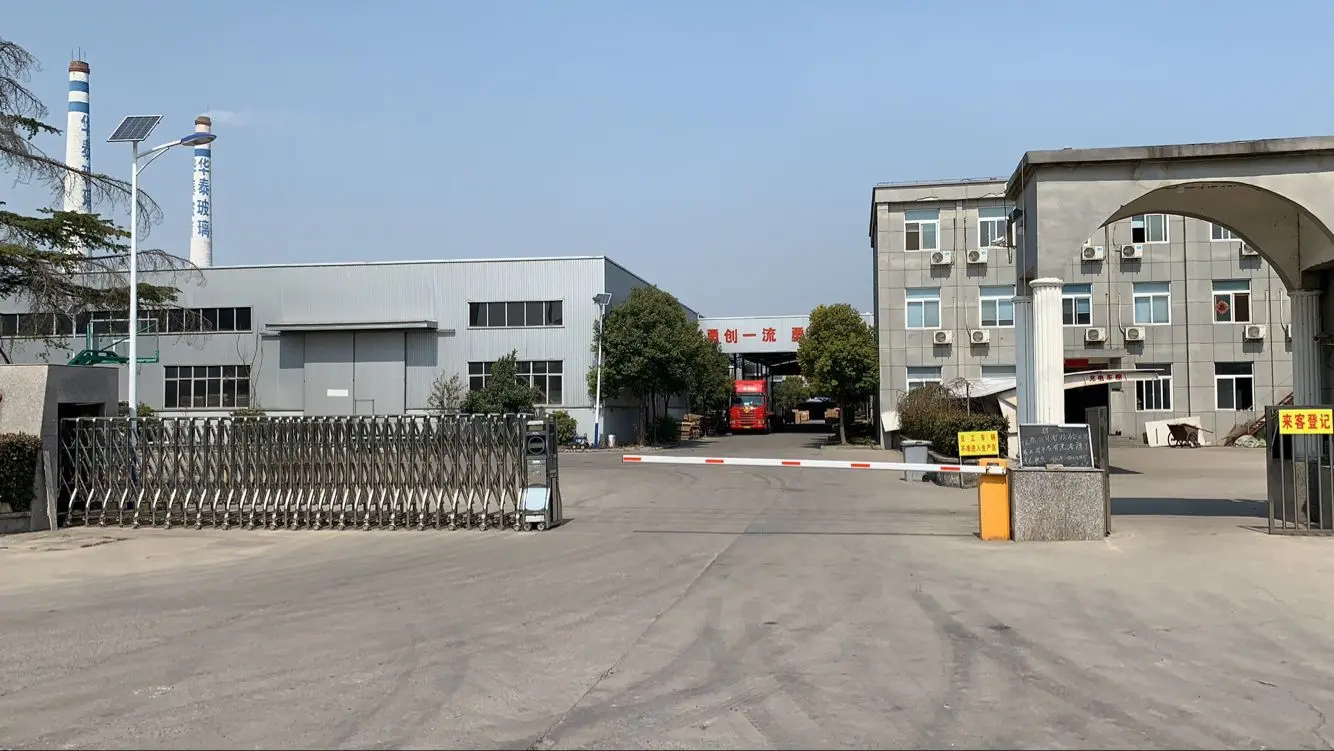
Bengbu Cattelan Glassware Co., Ltd.
- Manufacturer, Trading Company
- Anhui, China
- Lead time35 days
- Avg. response≤ 3h
Main productsWater Glass,Glass Bowl,Beer Glass,Shot Glass,Candle Glass
Main marketsNorth America(32.00%), South America(10.00%), Domestic Market(10.00%), Western Europe(9.00%), Eastern Europe(8.00%), Southern Europe(8.00%), Eastern Asia(6.00%), Southeast Asia(6.00%), Northern Europe(5.00%), Mid East(4.00%), South Asia(2.00%)
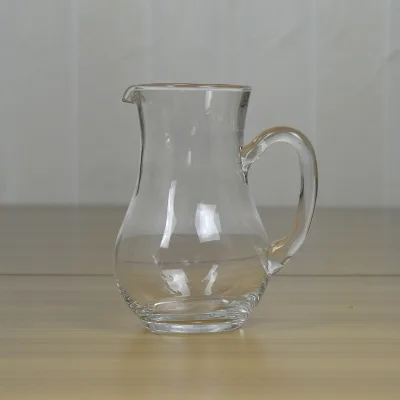
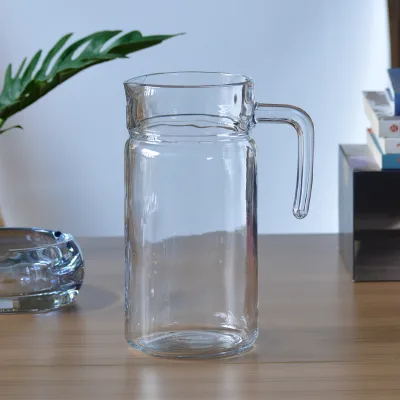
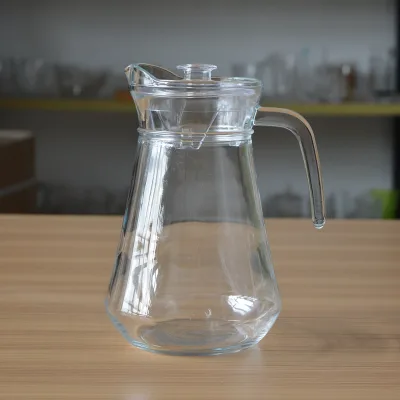
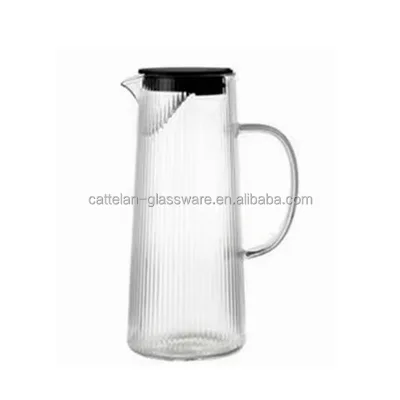
Transparent Round 1800ml Water Glass Jug Beer Jug
$0.45 - $0.55
- Verified by TüVRheinland
- Manufacturer, Trading Company
- Lead time50 days
- Avg. response≤ 2h
Main productsBar And Wine Utensils, Tableware, Drinking Utensils, Kitchen Storage And Organization, Daily Using Glassware
Main marketsEastern Europe(35%), Southeast Asia(20%), South America(15%)
Hebei Zhuo Zhongxi Glass Products Co., Ltd.
- Manufacturer, Trading Company
- Hebei Province, China
- Lead time0 days
- Avg. response≤ 2h
Main productsjuice cups,coffee cups,beer cups,double-layer glass cups
Main marketsNorth America(300.00%), Domestic Market(29.00%), Eastern Europe(21.00%), Oceania(10.00%), Southeast Asia(5.00%), South Asia(5.00%)
Guangzhou Garbo International Trading Co., Ltd.
- Trading Company
- Lead time旺季: "1 - 50000":45,"> 50000":"To be negotiated", 淡季: "1 - 50000":45,"> 50000":"To be negotiated"
- Avg. response≤ 4h
Main productsGlassware, Opal Glassware, High Borosilicate Glassware, Stainless Steel Flatware, Kitchenware
$0.6441 - $0.6651
MOQ: 8000 pieces




Comprehensive Sourcing Guide
Eco-Friendly Borosilicate Glass Beverage Jug Supplier Concentration and Factory Types
The current supplier landscape for eco-friendly borosilicate glass beverage jugs reveals a distinct geographic concentration in China, with specific manufacturing hubs identified in Guangdong and Chongqing. Suppliers located in Guangdong, such as those in Foshan, often operate as combined entities that blend manufacturing capabilities with trading functions. This dual nature allows them to offer a broad range of glassware products, including borosilicate jugs, wine glasses, and kitchenware, while maintaining direct control over production processes. The presence of these combined companies suggests a mature industrial ecosystem where factories can pivot between original design manufacturing and original equipment manufacturing based on client needs. Buyers evaluating suppliers in this region should recognize that the "combined" company type indicates a flexibility in service offerings, potentially allowing for faster iteration on custom designs or branding requirements compared to pure manufacturing facilities.
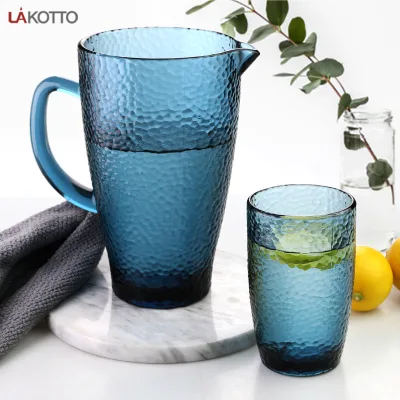
In contrast, suppliers based in Chongqing present a different operational profile, often listing themselves as both manufacturers and trading companies. This location is associated with specific product attributes, such as hammered borosilicate glass jugs and modern-style pitchers, indicating a specialization in aesthetic and functional design variations. The Chongqing-based suppliers frequently highlight features like eco-friendly materials and stocked items, suggesting a readiness to fulfill orders with existing inventory or rapid production cycles. When assessing factory types, buyers must distinguish between pure manufacturers who focus solely on production efficiency and trading companies that may offer broader sourcing options but with less direct oversight. The evidence shows that many suppliers in this category are not purely one or the other, but rather hybrid entities that leverage local supply chains to provide comprehensive solutions. Understanding this distinction is crucial for determining the level of direct communication and quality control available during the sourcing process.
How to Verify Eco-Friendly Borosilicate Glass Beverage Jug Suppliers
Verification of suppliers requires a multi-layered approach that goes beyond basic company registration checks. Buyers should prioritize suppliers who have undergone third-party verification processes, such as Bureau Veritas (BV) certification, which provides an additional layer of trust regarding the legitimacy and operational capacity of the business. While system certifications like ISO are not explicitly listed for all suppliers in the current results, the presence of BV verification serves as a strong indicator of a supplier's commitment to professional standards and transparency. Buyers are advised to request detailed verification reports that cover factory audits, production capacity assessments, and quality management systems. These reports can reveal critical information about the supplier's actual manufacturing capabilities, including the size of their facilities, the number of production lines, and the rigor of their internal quality control procedures.
In addition to third-party verification, buyers should scrutinize the supplier's response time and communication efficiency as indicators of their operational health. A response time of approximately 3.78 hours, as observed in some supplier profiles, suggests a responsive and organized customer service team, which is essential for resolving issues quickly during the sourcing process. Buyers should also verify the supplier's ability to provide product evidence, such as detailed specifications, material certifications, and sample availability. For borosilicate glass jugs, it is crucial to confirm that the material is indeed high-borosilicate glass, which offers superior heat resistance and durability compared to standard soda-lime glass. Buyers should request test reports or material safety data sheets to ensure the glass meets relevant safety standards. Furthermore, verifying the supplier's ability to customize products, such as adding logos or modifying designs, can help assess their flexibility and technical expertise in handling bespoke orders.
What to Compare Across Eco-Friendly Borosilicate Glass Beverage Jug Suppliers
When comparing suppliers, buyers must evaluate a range of operational metrics, including lead times, minimum order quantities (MOQs), and pricing structures. Lead times vary significantly, with some suppliers indicating a standard lead time of 30 days, while others may offer faster turnaround times for stocked items or smaller orders. Buyers should carefully review the production time estimates provided by each supplier, as these can impact inventory planning and delivery schedules. Additionally, MOQs are a critical factor, with some suppliers requiring orders as low as 24 units, while others may demand quantities of 5,000 or 10,000 units. This disparity allows buyers to choose suppliers that align with their order volume and budget constraints. Smaller MOQs are particularly beneficial for testing new markets or launching limited edition products, whereas larger MOQs may offer better unit economics for established brands.
Pricing is another key dimension for comparison, with unit costs ranging from approximately $1.61 to $4.26 depending on the product specifications, customization options, and order volume. Buyers should analyze the price-to-value ratio, considering factors such as material quality, design complexity, and packaging standards. For instance, jugs with additional features like stainless steel lids or hammered finishes may command higher prices but offer greater market appeal. It is also important to compare the packaging options provided by different suppliers, as secure packaging is essential for preventing breakage during transit. Some suppliers offer box, carton, or pallet packaging, which can affect shipping costs and handling requirements. By systematically comparing these attributes, buyers can identify suppliers that offer the best balance of cost, quality, and service for their specific sourcing needs.
Common Eco-Friendly Borosilicate Glass Beverage Jug Sourcing Risks
One of the primary risks in sourcing borosilicate glass beverage jugs is the potential for quality inconsistencies, particularly regarding material thickness and heat resistance. Buyers must ensure that the glass used meets the specified borosilicate standards, as inferior materials may crack under thermal stress or fail to meet durability expectations. Another significant risk is the discrepancy between sample quality and bulk production quality. Suppliers may provide high-quality samples that do not reflect the standards of mass-produced items, leading to customer dissatisfaction and returns. To mitigate this risk, buyers should implement strict quality control measures, including pre-shipment inspections and third-party testing services. It is also advisable to establish clear quality specifications in the purchase agreement, including acceptable tolerances for dimensions, weight, and visual defects.
Logistical risks are also prevalent, especially when sourcing from distant manufacturing hubs like Guangdong or Chongqing. Damage during transit is a common issue due to the fragile nature of glass products, making proper packaging and handling critical. Buyers should verify that suppliers use robust packaging methods, such as reinforced cartons and pallets, to minimize the risk of breakage. Additionally, delays in production or shipping can disrupt supply chains, particularly if suppliers face capacity constraints or unforeseen operational issues. Buyers should maintain open communication with suppliers to monitor production progress and address any potential delays proactively. Furthermore, regulatory compliance risks, such as meeting food safety standards in target markets, must be addressed by verifying that suppliers adhere to relevant international standards and certifications.
Eco-Friendly Borosilicate Glass Beverage Jug Regional Sourcing and Logistics
Sourcing from China offers access to established manufacturing clusters with specialized expertise in glassware production. Suppliers in Guangdong, particularly in Foshan, benefit from a mature supply chain ecosystem that supports efficient production and logistics. This region is known for its high-quality glass manufacturing capabilities and competitive pricing, making it an attractive destination for buyers seeking bulk orders. The proximity to major ports and transportation networks facilitates smoother export processes, reducing transit times and costs. Buyers should consider the logistical advantages of sourcing from this region, including the availability of experienced freight forwarders and customs brokers who can streamline the shipping process. Additionally, the concentration of suppliers in this area allows for easier comparison and negotiation, as buyers can engage with multiple vendors in close proximity.
In contrast, sourcing from Chongqing presents different logistical considerations, as this inland city may have longer transit times to coastal ports. However, suppliers in Chongqing often specialize in specific product designs, such as modern-style pitchers and hammered glass jugs, offering unique value propositions for buyers seeking differentiated products. Buyers should evaluate the trade-offs between cost, lead time, and product specialization when choosing between these regions. It is also important to consider the impact of regional policies and infrastructure on logistics performance. For instance, improvements in rail and road networks in inland China may reduce transit times and costs for shipments originating from Chongqing. Buyers should work closely with their suppliers to optimize logistics strategies, ensuring that products are delivered efficiently and cost-effectively to their final destinations.
Eco-Friendly Borosilicate Glass Beverage Jug Commercial Terms and Order Planning
Commercial terms play a crucial role in shaping the sourcing strategy, with payment terms, shipping conditions, and warranty policies varying among suppliers. Buyers should negotiate favorable payment terms, such as partial upfront payments and balance upon shipment, to mitigate financial risks. It is also important to clarify the shipping terms, including Incoterms, to determine responsibility for freight costs and insurance. Suppliers may offer different packaging options, such as box, carton, or pallet packaging, which can affect shipping costs and handling requirements. Buyers should select packaging that balances protection and cost efficiency, ensuring that products arrive in pristine condition. Additionally, buyers should inquire about warranty policies and return procedures for defective items, as these terms can provide valuable protection against quality issues.
Order planning requires careful consideration of production lead times, MOQs, and inventory management strategies. Buyers should align their order quantities with supplier MOQs to optimize unit costs and production efficiency. For smaller orders, buyers may need to accept higher unit prices or consolidate orders with other products to meet MOQ thresholds. It is also advisable to plan for buffer stock to account for potential delays or quality issues. Buyers should maintain regular communication with suppliers to monitor production progress and adjust plans as needed. Furthermore, buyers should consider the lifecycle of their products, planning for future orders based on sales trends and market demand. By developing a robust order planning strategy, buyers can ensure a steady supply of high-quality borosilicate glass beverage jugs while minimizing risks and costs.
FAQs
What is a typical MOQ for eco-friendly borosilicate glass beverage jugs?
MOQs vary widely depending on the supplier and product design. On this page, listed jugs range from as low as 24 units for certain models up to 5,000 or 10,000 units for standard wholesale items. Smaller MOQs usually mean higher per-unit prices, so confirm both figures with the supplier before ordering.
What lead times should I expect when ordering glass beverage jugs from China?
Lead times on this page include around 15 days of production time for one listed jug model and about 30 days for another supplier. Sample preparation can take roughly seven days once a mould is ready. Always confirm current production schedules, since lead times can change with order volume and season.
How quickly do suppliers of borosilicate glass jugs typically respond to inquiries?
Suppliers listed on this page show average response times of roughly three to four hours. Fast response does not guarantee quality or capacity, so use quick replies to move discussions forward, then verify production capability, certifications, and sample quality before committing to a larger order.
Can I customize borosilicate glass jugs with my own logo or design?
Yes, customization is commonly available. Several listed products explicitly state that customization or custom logo printing is accepted, and some suppliers support ODM, OEM, or own-brand production. Ask about minimum quantities for custom work, artwork requirements, tooling costs, and whether customization affects quoted lead times.
Which regions in China produce borosilicate glass beverage jugs?
Suppliers on this page are based in Guangdong, including Foshan, and in Chongqing. Both regions are active glassware manufacturing areas with different supplier types, including combined manufacturers and trading companies. Compare several suppliers from each region on price, capacity, and product fit before requesting samples.
How should borosilicate glass jugs be packed for export shipping?
Common packing options on this page include boxes, cartons, and pallets, with some products packed as multiples of 24 items. Check single-package dimensions and gross weights, since glass is fragile and heavy. Request details on inner boxes, dividers, and drop tests to reduce breakage risk during transit.
Are borosilicate glass jugs safe for hot and cold beverages?
Borosilicate glass is widely used for heat-resistant drinkware, and several listed jugs are described as heat-resistant or suitable for water, juice, milk, and coffee. Confirm the specific temperature range, thermal shock performance, and food-contact safety documentation with each supplier, since product descriptions alone are not a substitute for testing.
What price range can I expect for wholesale borosilicate glass jugs?
Listed prices on this page range roughly from 1.61 to 4.26 US dollars per jug, depending on capacity, lid type, and order quantity. Larger volumes typically secure lower unit prices. Treat published prices as starting points and request formal quotations that include packaging, printing, and shipping terms.