Nordic Style Drinking Glass Suppliers and Manufacturers
Explore 27 verified suppliers offering Nordic Style Drinking Glass with options for custom sizes, logos, and colors. Compare response times, lead times, and MOQs to find the right factory for your needs. Contact suppliers directly to request samples; review the available evidence before requesting comparable quotations from suitable candidates.
Updated
Suppliers List
Guangzhou Tianfu Glass Products Co., Ltd.
- Verified by SGS Group
- Trading Company
- Lead time0 days
- Avg. response≤ 4h
Main productsGlass, Red Wine Glass, Beer Glass, Cocktail Glass, Champagne Glass
Main marketsNorth America(30%), Southeast Asia(20%), Western Europe(10%)
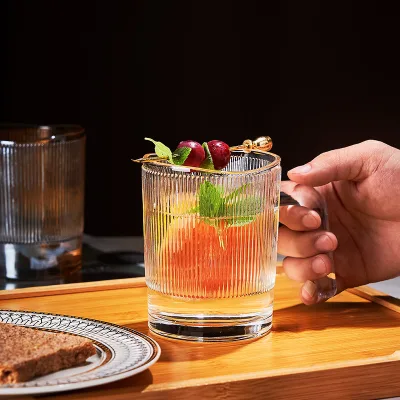
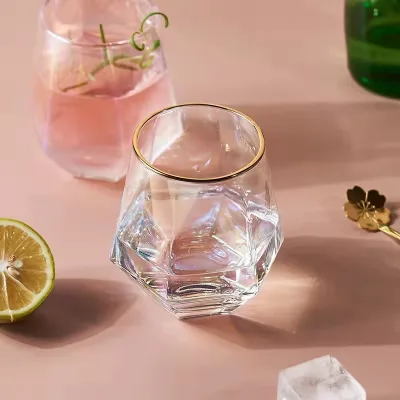
Hot selling Vintage drinking Glass creative Funny Nordic juice Glass
$0.8643 - $1.6358
MOQ: 100 pieces

Foshan Nanhai Hua Yue Glass Co., Ltd.
- Verified by BV
- Combined
- China Guangdong
- Lead time30 days
- Avg. response≤ 4h
Main productsGlassware, Glass Bottle, Glass Cups, Glass Mugs, Wine Glass, Glass Plates, Glass Jars, Glass Bowls
Main marketsSoutheast Asia/ Mideast,Europe,Australia,North America
Lianyungang Beile Technology Co., Ltd.
- Manufacturer, Trading Company
- Jiangsu, China
- Lead time10 days
- Avg. response≤ 2h
Main productsGlass products,Ceramic products
Main marketsCentral America(10.00%), Western Europe(10.00%), Eastern Asia(10.00%), Mid East(10.00%), Oceania(10.00%), Africa(10.00%), Southeast Asia(10.00%), Eastern Europe(10.00%), South America(10.00%), North America(10.00%)
Taiyuan Jarvi Glassware Co., Ltd.
- Trading Company
- Shanxi, China
- Lead time0 days
- Avg. response≤ 5h
Main productswine glasses,glass plates,glass vases,glass candle holders,glass decanters
Main marketsNorth America(65.00%), Northern Europe(20.00%), Mid East(10.00%), South Asia(2.00%), Africa(2.00%), Domestic Market(1.00%)

Jinjiang Jiaxing Import and Export Co., Ltd.
- Verified by CTI
- Manufacturer/Factory
- China Fujian
- Lead time120 days
- Avg. response≤ 2h
Main productsShoes, Slipper, Clothes, Promotion Gifts, Silicone Products, Outdoor Sports Products, Bags, Fashion Accessories, Consumer Electronics
Main marketsSouth America,Eastern Europe,Mid East,North America,Southeast Asia,Eastern Asia,Oceania,Western Europe,Africa
Guangzhou Senno Import And Export Co., Ltd.
- Trading Company
- Lead time旺季: "1 - 50":15,"51 - 500":30,"> 500":"To be negotiated", 淡季: "1 - 50":15,"51 - 500":30,"> 500":"To be negotiated"
- Avg. response≤ 4h
Main productsBarware, Restaurantware, Glassware
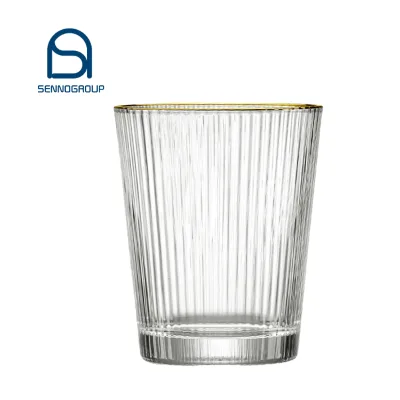
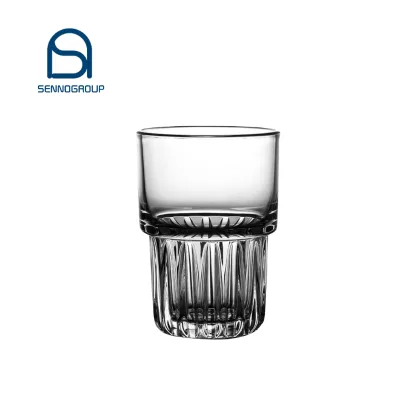
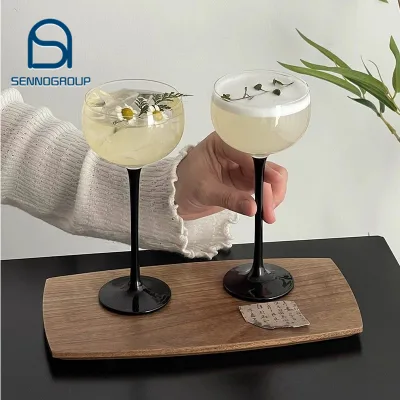
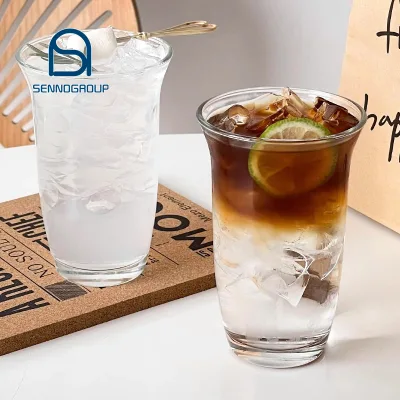
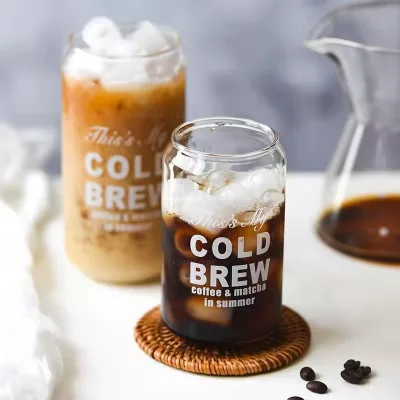
Modern Coffee Mug Glass Cocktail Glass Cup Restaurant Drinking Glass Tumbler Coffee Tea
$0.4105 - $1.6418
MOQ: 50 pieces

Hemera (Tianjin) Technology Development Limited
- Verified by TUVRHEINLAND
- Manufacturer/Factory
- China Tianjin
- Lead time38 days
- Avg. response≤ 7h
Main productsGlass Cup, Glass Teapot, Glass Jar&Container, Glass Pitcher&Carafe, Water Jug, Coffee Set, Wine Set, Glass Cooking Ware
Main marketsSouth America,Eastern Europe,Mid East,North America,Southeast Asia,Eastern Asia,Oceania,Western Europe,Africa

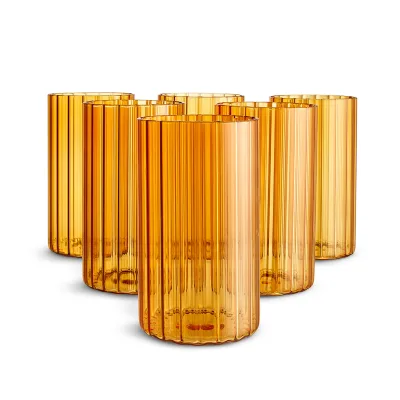
Nordic Style Diamond Design Drinking Glass Pitcher Plating Amber Color Water Jug and Cups
$12.50 - $17.50
MOQ: 300 Pieces


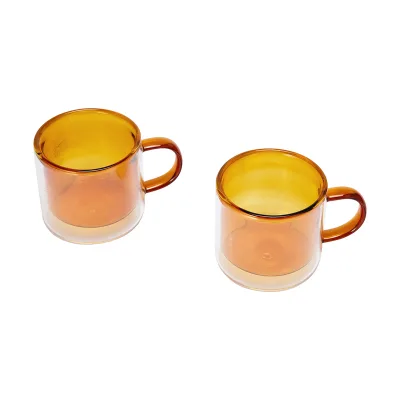
Glass Double Wall Glasses Cocktail Tumbler Hot Drinking Old Fashioned Glass Rocks Cup
$2.00 - $3.00
MOQ: 500 Pieces
Guangzhou Yibao International Trading Co., Ltd.
- Verified by Intertek
- Trading Company
- Lead time20 days
- Avg. response≤ 2h
Main productsWhiskey Glasses, Wine Glasses, Shot Glasses, Cocktail Glasses, Beer Glasses
Main marketsNorth America(40%), Western Europe(24%), Oceania(12%)

Hebei Xingchen Glass Technology Co., Ltd.
- Verified by CTI
- Combined
- China Hebei
- Lead time30 days
- Avg. response≤ 9h
Main productsGlass Cup, French Press, Coffee Pot, Glass Jar, Teapot, Syphon Coffee Maker, Glass Cooking Pot, Glass Pitcher, Glass Straw, Glass Teacup
Main marketsSouth America,Africa,Others(foreignTradeCapacity.exportBusinessCapacityMarketOther),Southeast Asia/ Mideast,East Asia(Japan/ South Korea),Europe,Australia,North America

Wuhan Xinhuahang Household Goods Co., Ltd.
- Verified by BV
- Combined
- China Hubei
- Lead time15 days
- Avg. response≤ 5h
Main productsWine Glasses, Beer Glass, Drinking Glass, Decanter, Shot Glass, Coffee Glass, Cocktail Glass, Champagne Glass, Wine Accessories
Main marketsEurope,Australia,North America

Whiskey Glasses Rock Style Old Fashioned Drinking Glassware 10oz Rocks Glasses
$0.46 - $0.69
MOQ: 480 Pieces

$0.98 - $1.75
MOQ: 480 Pieces


- Group Corporation
- China Guangdong
- Lead time45 days
- Avg. response≤ 4h
Main productsKitchenware Roasting Pan Pie Dish Pie Pan, Tableware Dinnerware Dishes Plates Servingware, Food Storage Container Baking Pan Baking Tray, Dishes Bowls Cups Mug Spoons Jars Canister, Water Glass Tumbler Coffee Mug Teacup & Saucer, Juice Glass Lunch Box Bento Box Food Keeper, Dinner Plate Salad Plate Side Plate Bread & Butt, Soup Bowl Cereal Bowl / Rice Bowl Serving Platte, Coffee Spoon Dinner Fork Salad Fork Butter Knife, Teaspoon Soup Spoon Dessert Spoon Serving Spoon
Main marketsSouth America,Eastern Europe,Mid East,North America,Southeast Asia,Eastern Asia,Oceania,Western Europe,Africa

Yancheng Xinboyuan Glass Co., Ltd.
- Verified by BV
- Trading Company,Manufacturer/Factory
- China Jiangsu
- Lead time23 days
- Avg. response≤ 7h
Main productsGlass Table Lamp, Glass Perfume Bottles, Glass Lampshade, Glass Labware, Glass Bottles & Jars, Glass Candlesticks, Borosilicate Mug & Cups, Glass Vases & Terrariums, Glass Beakers, Glass Reagent Bottles
Main marketsEastern Europe,Mid East,North America,Western Europe

$2.00 - $3.80
MOQ: 50 Pieces

Household Nordic Style Bedside Night Desktop Drinking Glass Carafe and Glass Water Jug
$5.80 - $7.80
MOQ: 50 Sets

- Verified by TüVRheinland
- Manufacturer, Trading Company
- Lead time25 days
- Avg. response≤ 3h
Main productsDrinkware, Ceramicware, Barware, Kitchenware, Glass Bottles
Main marketsNorth America(20%), South America(20%), Southeast Asia(20%)
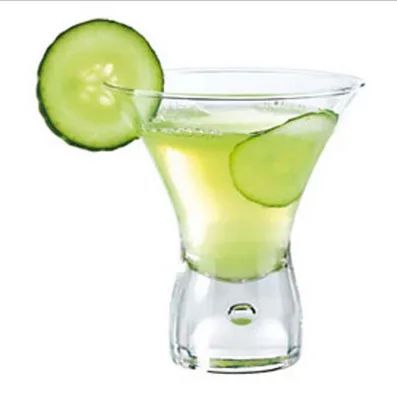
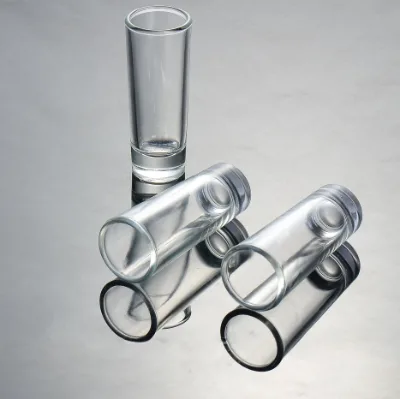
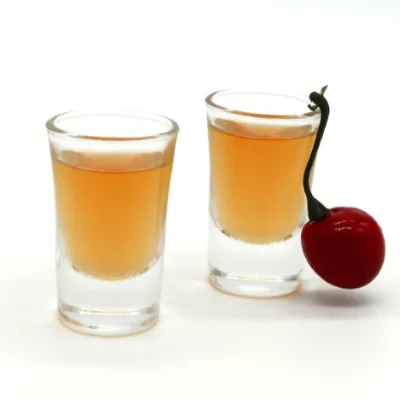
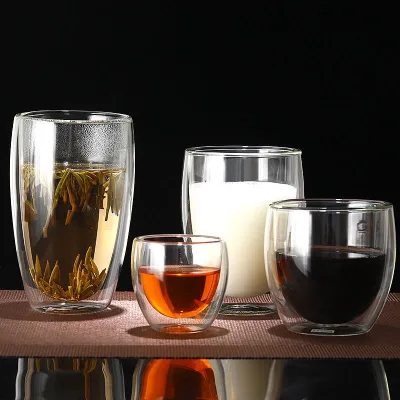
Hot selling 50ml Double wall heat resistant borosilicate glass drinking cup
$1.0186 - $1.8815
MOQ: 3000 pieces

Zibo Melory Import & Export Trade Co., Ltd.
- Trading Company,Manufacturer/Factory
- China Shandong
- Lead time45 days
- Avg. response≤ 18h
Main productsGlass Candle Holder, Glass Jar, Glass Votive, Glass Diffuser, Glass Bottle, Glass Vase, Matches, Ceramic Candle Holder, Ceramic Holder for Incense, Glass Candle Jar
Main marketsSouth America,Eastern Europe,North America,Western Europe

Shanxi Camica Imp&Exp Co., Ltd.
- Trading Company
- Shanxi, China
- Lead time30 days
- Avg. response≤ 16h
Main productsWine glass,Airline glass,glass cup,Glass Vase,Glass candle holder
Main marketsNorth America(70.00%), Western Europe(10.00%), Africa(10.00%), Southern Europe(5.00%), Northern Europe(5.00%)
Yiwu Shixu Kitchen Supplies Co., Ltd.
- Trading Company
- Zhejiang, China
- Lead time15 days
- Avg. response≤ 2h
Main productscoffee cup,tamper,coffee maker,filter,portafilter
Main marketsMid East(46.00%), North America(35.00%), Western Europe(14.00%), Eastern Europe(5.00%)

Hebei Zhuozhongxi Glass Products Co., Ltd.
- Verified by BV
- Manufacturer/Factory
- China Hebei
- Lead time15 days
- Avg. response≤ 4h
Main productsGlass Cup, Glass Teapot, Coffee Appliance, Tea Set, Glass Crafts, Glass Jug, Glass Food Storage Jar, Wine Glass, Candle Holders, Double Wall Glass
Main marketsSouth America,Eastern Europe,Mid East,North America,Southeast Asia,Eastern Asia,Oceania,Western Europe,Africa
Hejian Xichen Glass Products Co., Ltd.
- Manufacturer, Trading Company
- Hebei, China
- Lead time0 days
- Avg. response≤ 2h
Main productsGLASS CUP,GLASS TEA WARE,GLASS JAR,GLASS KITCHEN WARE,GLASS WINE WARE
Main marketsWestern Europe(30.00%), North America(20.00%), Domestic Market(20.00%), Southeast Asia(20.00%), Mid East(10.00%)
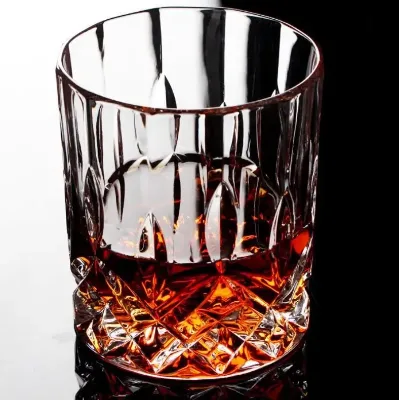
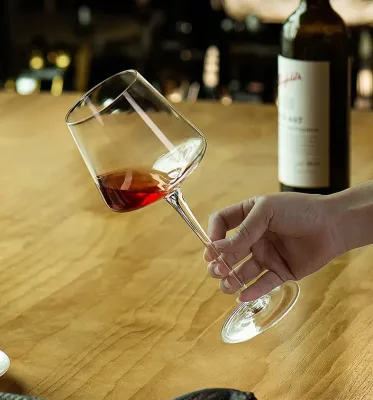
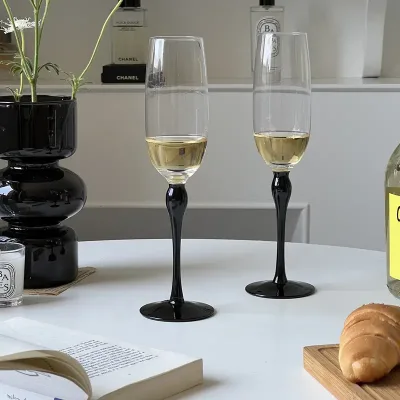
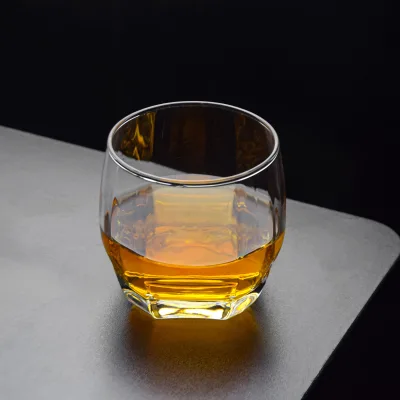
$0.49 - $0.64
MOQ: 1000 pieces
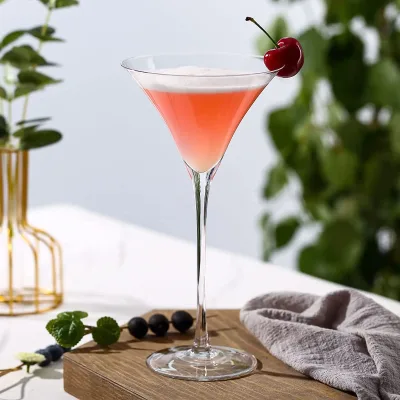
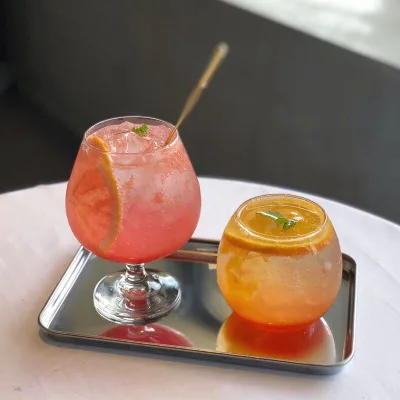
Crystal Short-Legged Cocktail Wine Glass Creative Brandy Whisky Gin Wine Glass-Premium Drinkware
$2.27 - $3.22
MOQ: 1000 pieces
Qixian Kewantong Glassware Co., Ltd.
- Verified by Intertek
- Manufacturer, Trading Company
- Lead time30 days
- Avg. response≤ 5h
Main productsWine Glasses, Decanter, Whiskey Glasses, Champagne Glasses, Glass Plate
Main marketsDomestic Market(45%), North America(15%), Mid East(10%)
Shenzhen Alp Ocean Import And Export Co., Ltd.
- Manufacturer, Trading Company, Distributor/Wholesaler
- Guangdong, China
- Lead time0 days
- Avg. response≤ 6h
Main productsglass bowl,glass plate,glass cup,glass vase,glass candy box

Guangzhou Garbo International Trading Co., Ltd.
- Verified by TUVRHEINLAND
- Trading Company,Manufacturer/Factory
- China Guangdong
- Lead time45 days
- Avg. response≤ 5h
Main productsGlassware, Glass Cup, Glass Mug, Glass Bowl, Glass Candy Jar, Glass Pitcher, Glass Ice Cream Cup and Ice Bucket, Opal Glassware, Stainless Steel Cutlery, Ceramic Dinnerware
Main marketsSouth America,Eastern Europe,Mid East,North America,Southeast Asia,Eastern Asia,Oceania,Western Europe,Africa

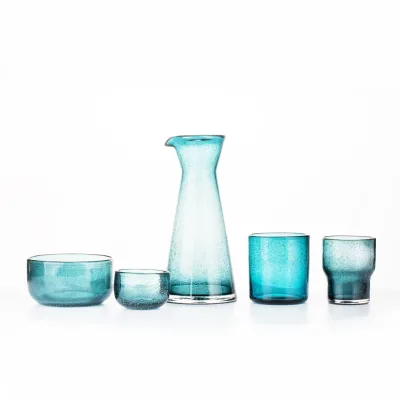
Solid Color Glass Cup Set New Design Glass Bottle with Cup Glas Drinking Set
$3.99 - $4.01
MOQ: 3000 Sets


$0.16 - $0.21
MOQ: 35000 Pieces

Zibo Timestone International Co., Ltd.
- Manufacturer/Factory
- China Shandong
- Lead time45 days
- Avg. response≤ 11h
Main productsCeramic Dinnerware, Ceramic Mugs, Stainless Steel Bottles Mugs and Tumblers, Glass Bottles Mugs and Tumblers, Dinnerware, Tableware, Glassware, Kitchenware, Household Items, Ceramic Granding Balls and Filters
Main marketsSouth America,Eastern Europe,Mid East,North America,Southeast Asia,Eastern Asia,Oceania,Western Europe,Africa
Xiamen Charmlite Trading Co., Ltd.
- Verified by SGS Group
- Trading Company
- Lead time25 days
- Avg. response≤ 2h
Main productsYard Cups, Plastic Wine Glass, Water Bottle, Plastic Cup, Coffee Mug
Main marketsNorth America(26%), Western Europe(21%), Northern Europe(14%)
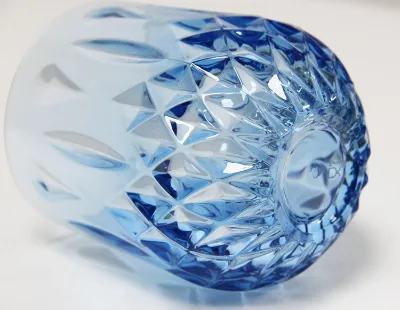
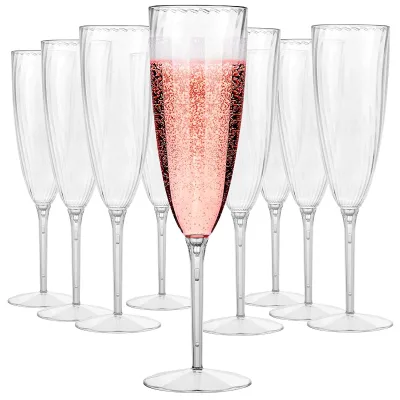
Polycarbonate Drinkware Recycled Plastic Drinking Glasses Red Wine Water Goblet Glass
$0.35 - $0.90
MOQ: 1000 pieces
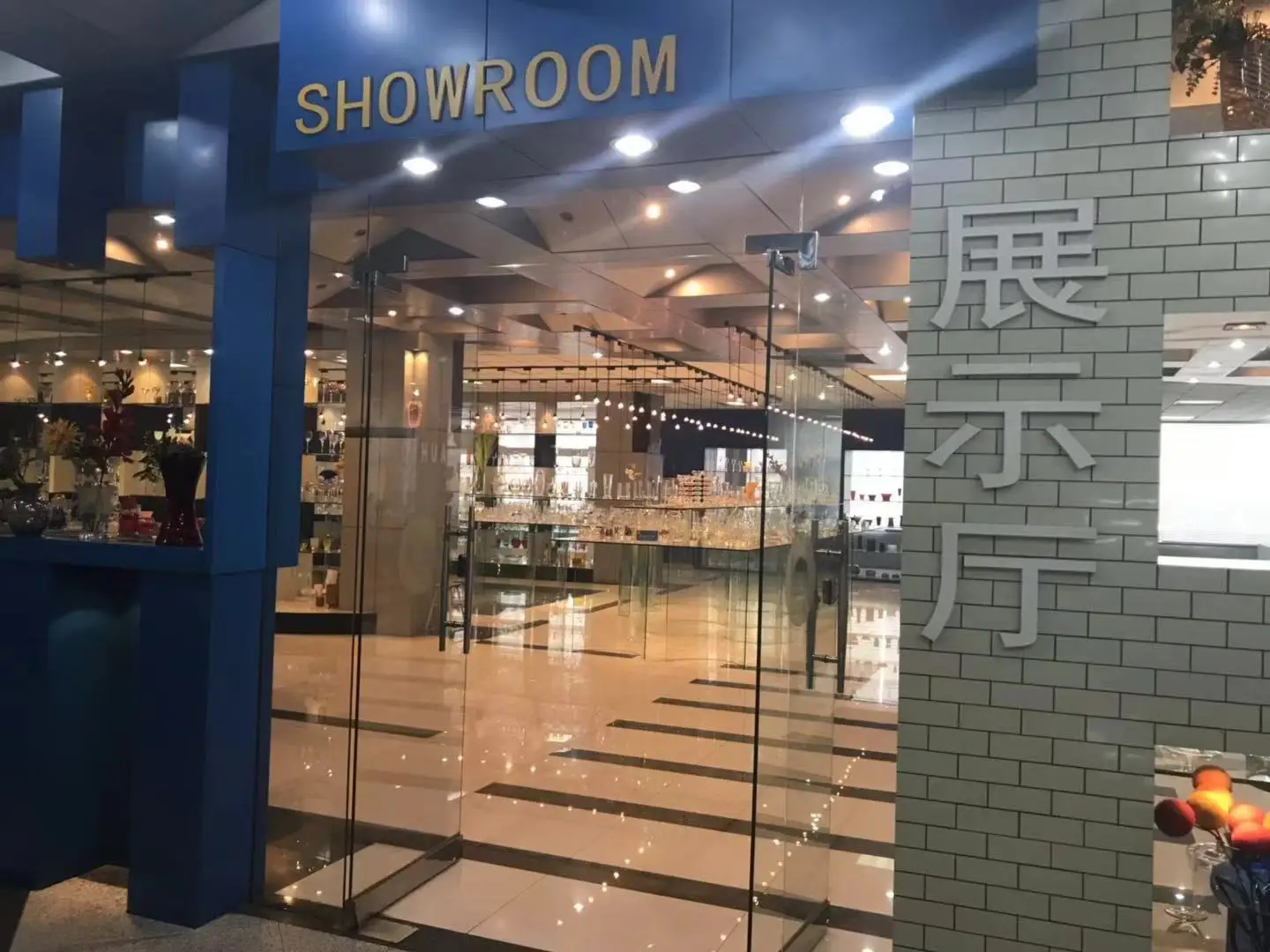
Changsha Aikeyi Homeware Co., Ltd.
- Trading Company
- Hunan, China
- Lead time25 days
- Avg. response≤ 2h
Main productsCustomized Glassware,Glass Tableware,Wine Glass,Glass Bottle,Glass Jar
Main marketsNorth America(33.00%), Oceania(15.00%), South America(12.00%), Western Europe(9.00%), Mid East(8.00%), Central America(4.00%), Northern Europe(4.00%), Africa(3.00%), Eastern Europe(3.00%), Southern Europe(3.00%), South Asia(2.00%), Southeast Asia(2.00%), Eastern Asia(2.00%)
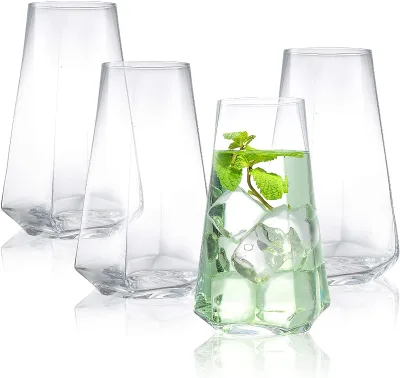
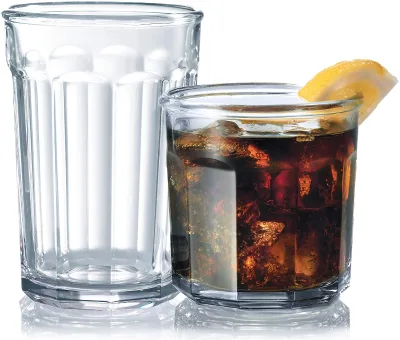
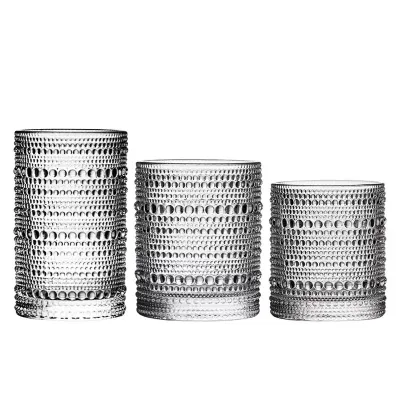
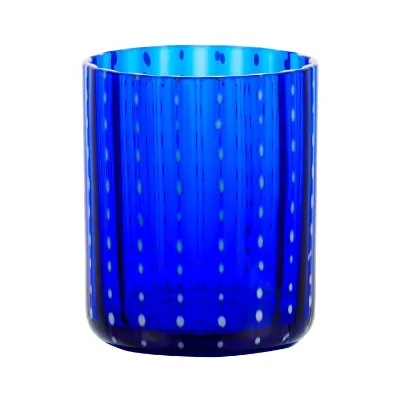
Embossed Dot Pattern Water Glasses for Whisky and Other Beverages for Parties Home Weddings
$0.48 - $0.98
MOQ: 1000 pieces

Jinan Glass International Trade Co., Ltd.
- Manufacturer/Factory
- China Shandong
- Lead time15 days
- Avg. response≤ 7h
Main productsGlass Smoking Pipe, Glass Pipe, Printing and Package, Laboratory Glassware, Home Glassware, Machine, Sticker, Wall Decal
Main marketsSouth America,Eastern Europe,North America,Southeast Asia,Eastern Asia,Oceania,Western Europe,Africa
Hebei Better Refined Gift And Craft Co., Ltd.
- Verified by SGS Group
- Trading Company
- Lead time20 days
- Avg. response≤ 6h
Main productsGlassware
Main marketsNorth America(30%), Oceania(25%), Western Europe(20%)
Henan VC Arts & Crafts Co., Ltd.
- Trading Company
- Henan, China
- Lead time60 days
- Avg. response≤ 16h
Main productsGlassware, Dinner Set, Wooden Product, Candle Light
Main marketsOceania(40.00%), Western Europe(20.00%), North America(15.00%), Southern Europe(15.00%), Eastern Asia(10.00%)


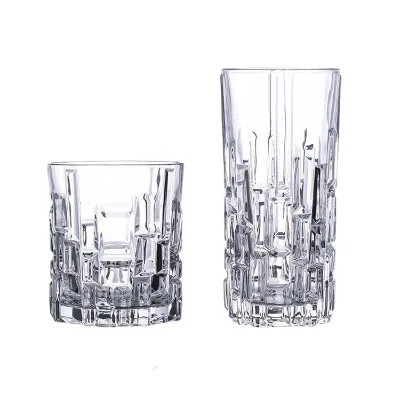
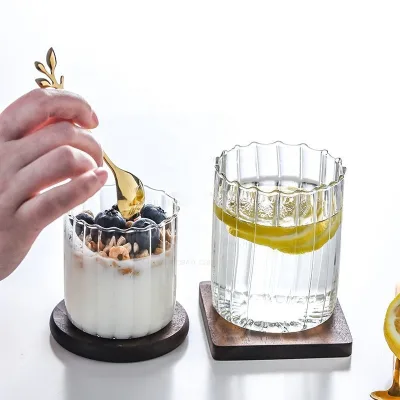
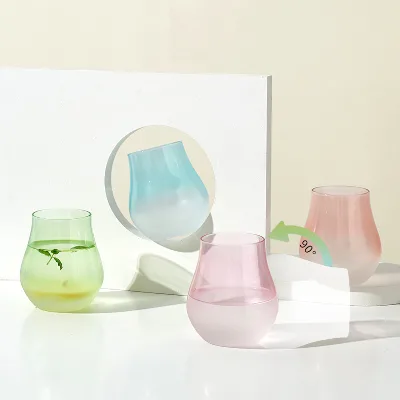


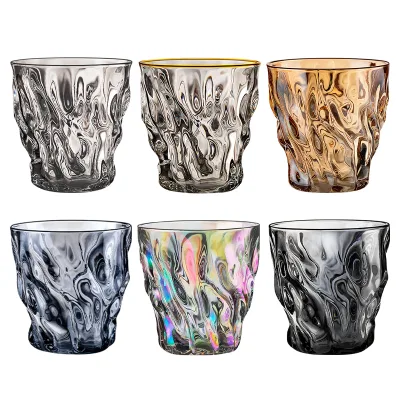




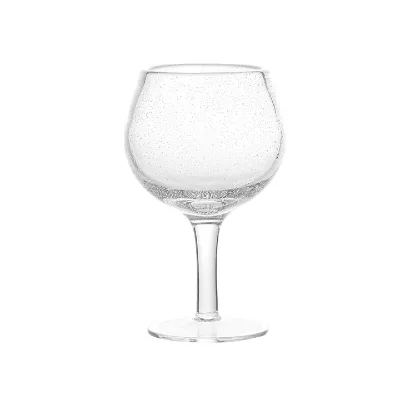
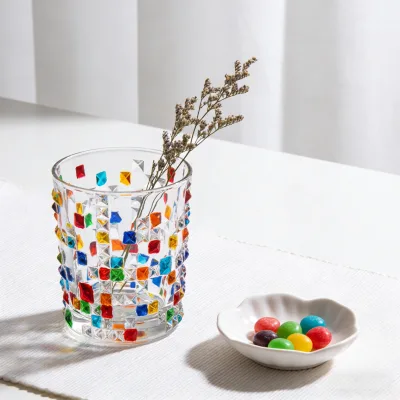
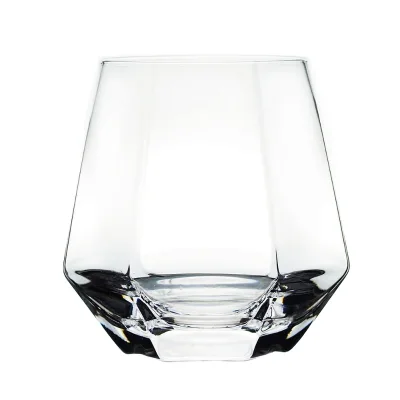
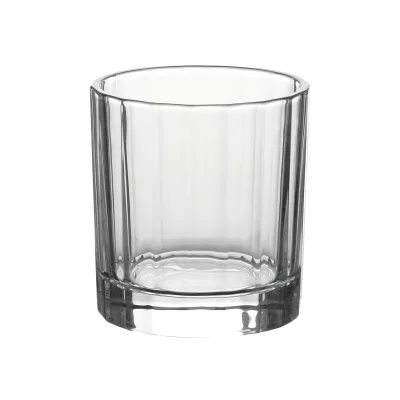


Comprehensive Sourcing Guide
Nordic Style Drinking Glass Supplier Concentration and Factory Types
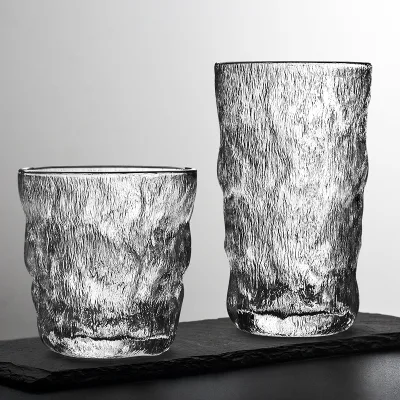
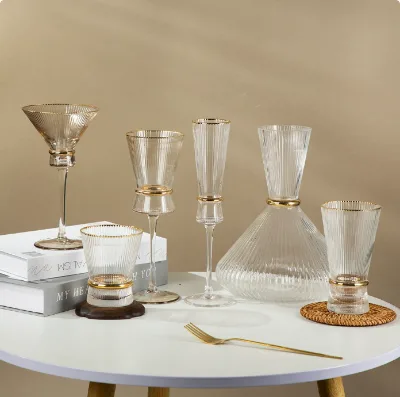
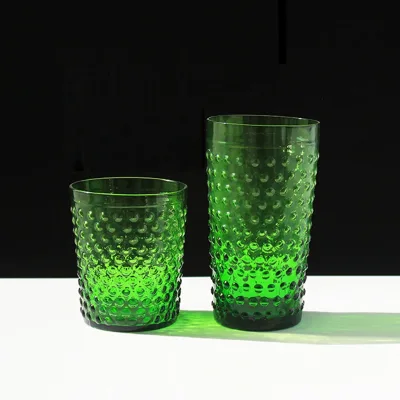
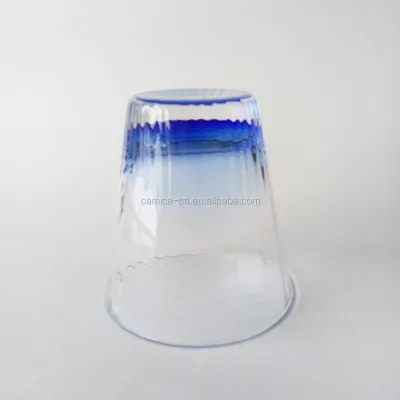
The current supplier landscape for Nordic Style Drinking Glass reveals a distinct mix of company types, primarily dominated by trading companies and combined entities. This structural composition suggests that buyers often engage with intermediaries who aggregate products from various manufacturing sources rather than dealing directly with single factories. The presence of trading companies indicates a market structure where sourcing efficiency and product variety are prioritized over direct factory engagement. Buyers should recognize that these entities serve as crucial links in the supply chain, offering curated selections of glassware that meet specific aesthetic demands. The diversity in company types means that procurement strategies must adapt to the nature of the supplier, whether it is a pure trader or a combined operation that may also handle original design manufacturing.
In terms of production capabilities, the observed suppliers offer a range of services including sample processing, graphic processing, and customized on-demand solutions. This flexibility is essential for buyers seeking unique Nordic designs, such as vintage or creative funny styles, which require specific manufacturing techniques. Some suppliers provide OEM and ODM services, allowing for brand customization and private labeling. The ability to accept custom sizes and logos further enhances the appeal for businesses looking to establish a distinct brand identity. Understanding these capacity constraints and offerings is vital for aligning product expectations with supplier capabilities. The focus on customization suggests that the market is responsive to niche design requests, enabling buyers to source highly specific items that stand out in the competitive home and garden sector.
How to Verify Nordic Style Drinking Glass Suppliers
Verification is a critical step in ensuring the reliability and quality of Nordic Style Drinking Glass suppliers. The current data indicates that some suppliers hold verification from recognized third-party inspection groups, such as SGS Group and BV. These verifications provide a layer of confidence regarding the supplier’s operational legitimacy and compliance with international standards. Buyers should prioritize suppliers with such credentials, as they have undergone rigorous assessments of their business practices and product quality. The absence of specific system certifications for some suppliers, marked as NIL, does not necessarily indicate a lack of quality but suggests that buyers must rely on other verification methods. It is important to cross-reference these verification statuses with other performance metrics to form a comprehensive view of the supplier’s reliability.
Beyond third-party verifications, buyers should assess the supplier’s response time and historical performance data. A response time of approximately four hours or less is indicative of a responsive and attentive supplier, which is crucial for resolving issues quickly during the procurement process. Additionally, the availability of samples is a key indicator of a supplier’s willingness to demonstrate product quality before committing to large orders. Buyers should request samples to evaluate the craftsmanship, material quality, and adherence to the Nordic aesthetic. The combination of verified status, quick response times, and sample availability creates a robust framework for assessing supplier credibility. This multi-faceted approach helps mitigate risks associated with engaging with new suppliers in the glassware industry.
What to Compare Across Nordic Style Drinking Glass Suppliers
When evaluating suppliers, it is essential to compare key operational metrics such as lead times, minimum order quantities, and pricing structures. The observed data shows a wide range in lead times, with some suppliers indicating zero days for certain processes, while others have a standard lead time of thirty days. This variance requires buyers to align their inventory planning with supplier capabilities, especially for time-sensitive orders. Minimum order quantities also vary significantly, ranging from one hundred pieces to five thousand pieces, depending on the product and customization level. Understanding these thresholds is crucial for budgeting and inventory management, as lower MOQs may be suitable for testing the market, while higher volumes offer cost efficiencies.
Pricing is another critical factor, with costs ranging from approximately zero point six nine dollars to one point six three dollars per unit. These price differences reflect variations in material quality, production techniques, and customization options. Buyers should compare not just the unit price but also the total cost of ownership, including shipping and potential customization fees. Additionally, the main products offered by each supplier should be assessed to ensure they align with the buyer’s specific needs. Some suppliers specialize in a broad range of glassware, while others focus on specific items like cocktail glasses or whiskey tumblers. By comparing these dimensions, buyers can identify suppliers that offer the best balance of cost, quality, and service for their specific sourcing requirements.
Common Nordic Style Drinking Glass Sourcing Risks
Sourcing Nordic Style Drinking Glass involves several potential risks that buyers must actively manage. One significant risk is the variability in product quality, particularly when dealing with suppliers who offer extensive customization options. The use of different glass materials, such as normal soda lime glass versus crystal glass, can impact the durability and aesthetic appeal of the final product. Buyers must clearly specify material requirements in their purchase orders to avoid receiving lower-quality items than expected. Additionally, the complexity of designs, such as irregular shapes or decorative elements like decals, can lead to higher defect rates during production. Implementing strict quality control measures and requesting pre-shipment inspections can help mitigate these risks.
Another risk is the potential for miscommunication regarding customization details, such as logo placement, color accuracy, and packaging specifications. The observed data shows that many suppliers offer customized logos and colors, which requires precise communication to ensure the final product meets brand standards. Errors in these details can result in costly rework or rejected shipments. Furthermore, the reliance on third-party logistics and packaging methods, such as carton or pallet packing, introduces risks related to damage during transit. Buyers should verify packaging standards and consider additional protective measures for fragile glass items. By proactively addressing these risks through clear specifications and robust quality assurance processes, buyers can ensure a smoother sourcing experience.
Nordic Style Drinking Glass Regional Sourcing and Logistics
The geographic concentration of suppliers plays a significant role in logistics and supply chain efficiency. The current data indicates that many suppliers are located in Guangdong, China, a region known for its robust manufacturing infrastructure and export capabilities. This concentration offers buyers access to a dense network of suppliers, facilitating easier comparison and negotiation. However, it also means that buyers must be mindful of regional logistics bottlenecks and shipping costs. Understanding the specific location of suppliers, such as Foshan within Guangdong, can help in estimating transit times and freight charges more accurately. Buyers should leverage this regional advantage by consolidating orders from multiple suppliers in the same area to reduce shipping costs.
Logistics planning must also account for the specific packaging requirements of glass products. The observed data shows that suppliers use various packing methods, including boxes, cartons, and pallets, which impact the volume and weight of shipments. Buyers need to calculate the cubic meter and gross weight of orders to determine the most cost-effective shipping method. Additionally, the lead times for production and shipping must be coordinated to ensure timely delivery. For suppliers with a thirty-day lead time, buyers should plan their orders well in advance to avoid stockouts. By carefully managing regional sourcing and logistics, buyers can optimize their supply chain and reduce overall procurement costs.
Nordic Style Drinking Glass Commercial Terms and Order Planning
Commercial terms and order planning are pivotal for successful procurement of Nordic Style Drinking Glass. Buyers should negotiate clear payment terms, delivery schedules, and return policies to protect their interests. The observed data shows that some suppliers offer sample processing, which can be a valuable tool for validating product quality before placing large orders. Buyers should utilize this option to assess the supplier’s capability and product consistency. Additionally, understanding the MOQ requirements is essential for financial planning, as lower MOQs may have higher unit prices. Buyers should balance the need for flexibility with the desire for cost efficiency by strategically planning their order volumes.
Furthermore, buyers should consider the long-term relationship with suppliers, especially those offering OEM and ODM services. Establishing a strong partnership can lead to better pricing, priority production, and improved customer service. Buyers should communicate their brand goals and quality expectations clearly to ensure alignment with the supplier’s capabilities. Regular performance reviews and feedback loops can help maintain high standards and address any issues promptly. By focusing on commercial terms and strategic order planning, buyers can build a resilient and efficient supply chain for Nordic Style Drinking Glass. This approach ensures that procurement activities support broader business objectives and contribute to sustainable growth.
FAQs
What is a typical MOQ for Nordic Style Drinking Glass orders?
MOQs on this page range from 100 pieces for some cocktail glass designs to 300 pieces for tall highball styles and 5,000 pieces for machine-pressed whiskey cups. Simpler stock shapes usually carry lower minimums, while customized colors, logos, or decal decoration often require higher quantities. Always confirm the MOQ for your exact design before requesting a quote.
How quickly do these glassware suppliers respond to inquiries?
The suppliers on this page list average response times of roughly four hours, so you should normally receive an initial reply within one business day. Response speed can vary during peak seasons and across time zones. Sending complete specifications, including capacity, color, and packaging needs, typically helps suppliers reply faster and with more accurate quotes.
Can I order custom colors, logos, or sizes for these glasses?
Yes, customization is widely available among these suppliers. Listed options include customized colors, customized logos, custom sizes, and on-demand sample processing, with some products describing handmade, mouth-blown production and decal decoration. Custom work usually affects minimum order quantity and unit price, so confirm both with the supplier and ask for a pre-production sample before mass production.
What materials are used in these nordic style drinking glasses?
Most listings use glass, with specific mentions of transparent glass, clear glass, and normal soda lime glass. One highball product is described as lead-free crystal glass. Soda lime glass suits everyday drinking glasses and keeps costs low, while crystal glass offers more clarity and ring. Ask the supplier for the exact material composition and any food-contact test reports for your market.
What capacities and styles are available in this glass category?
Listed capacities range from 200ml whiskey glasses and 180ml cocktail glasses to 300ml (10 oz) highball cups and 350ml juice glasses. Styles include Nordic, Asian Zen, and classic designs, produced by machine pressing or handmade mouth blowing. Choose capacity and production technique based on your target use, since handmade pieces cost more but suit premium positioning.
Where are these drinking glass suppliers located and how are they verified?
The listed products originate from Guangdong, China, including Foshan, a major glassware production region. Suppliers describe themselves as trading companies or combined manufacturer-traders, and verification badges from SGS Group and BV are shown on the page. Trading companies may offer wider product selection, while combined suppliers can support OEM and ODM development, so verify production control before committing.