Source CE Certified Corn Peeler for farms, kitchens, and processing
Compare 30 CE Certified Corn Peeler options from verified suppliers. Evaluate specifications like production capacity, power, and material to find the right machine for farms, kitchens, or industrial processing lines; compare the available evidence and request quotations based on your requirements.
Updated
Key considerations
Products List
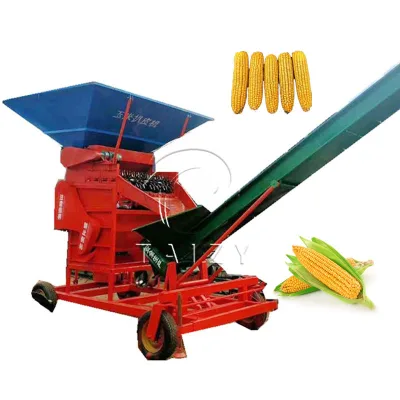
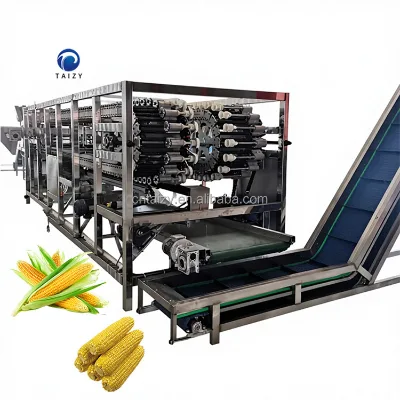
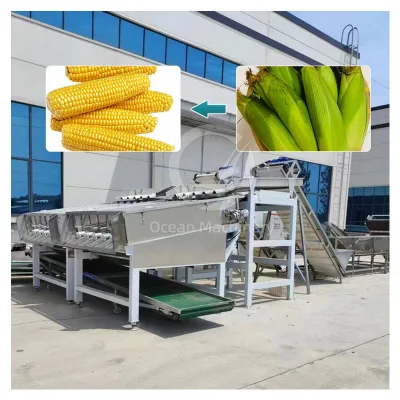
Farm Fresh Sweet Corn Peeler Maize Peeling Machine
$28900.00 - $38000.00
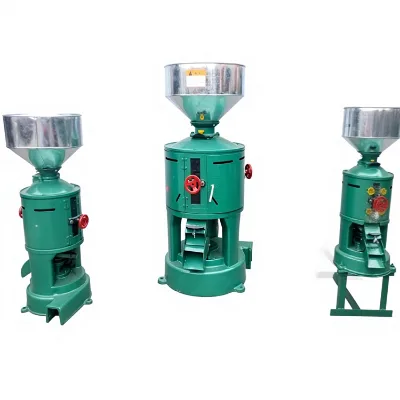
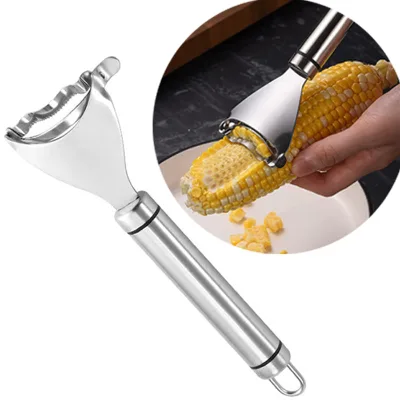
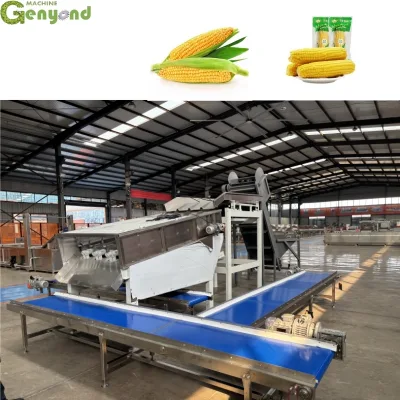

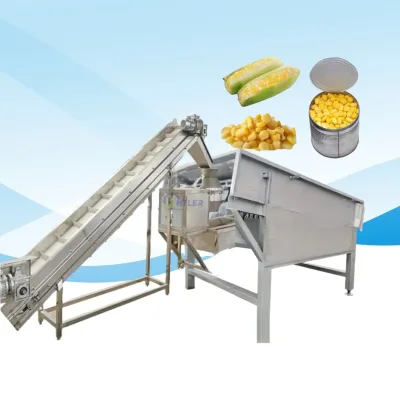
Automatic Corn Peeling Machine Corn Peeling Machine Corn Machine Corn Separator
$1938.00 - $2100.00
MOQ: 1 Pieces
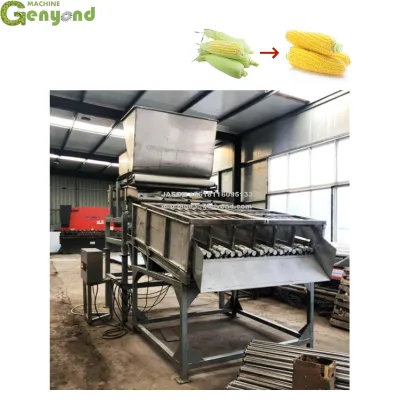


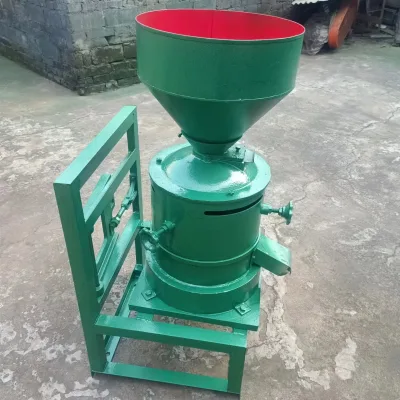


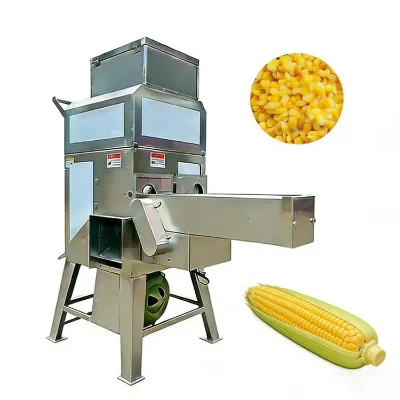
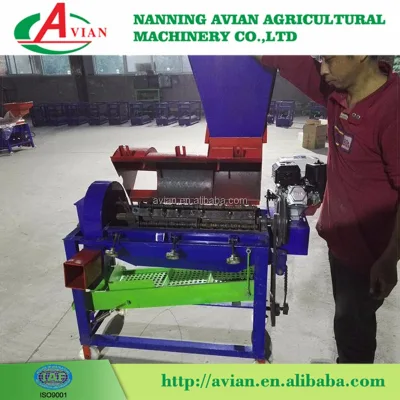
Good Performance Corn Peeler/Corn Peeler Machine/Corn Peeling Machine
$600.00 - $700.00
MOQ: 1 Minimum
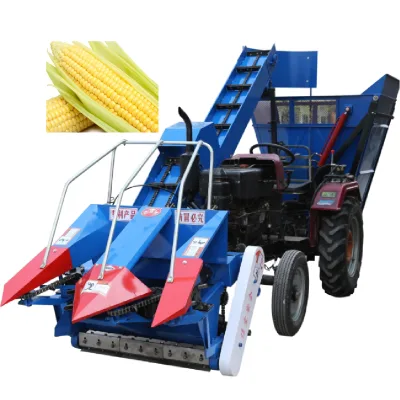
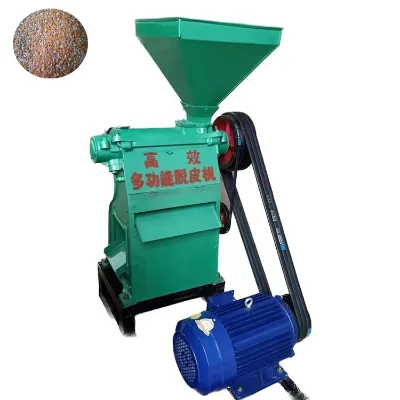


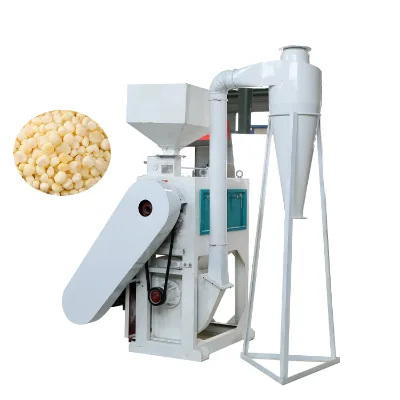


Comprehensive Sourcing Guide
CE Certified Corn Peeler Sourcing Guide
Procuring industrial corn peeling equipment requires careful evaluation of mechanical efficiency and regulatory compliance to ensure seamless integration into existing processing lines. Buyers must prioritize machines that demonstrate high dehusking and silk removal rates while maintaining low breakage percentages to protect product quality. The observed market data indicates a wide variance in specifications, ranging from small manual units to large automatic systems with significant power requirements. Understanding these distinctions is critical for selecting the appropriate scale of operation, whether for small-scale farm use or high-volume commercial processing facilities.
Verification of core components and warranty terms provides essential insight into the long-term reliability of the machinery. Motors and gears are frequently cited as critical elements, and their quality directly influences maintenance frequency and operational downtime. Additionally, the availability of machinery test reports and after-sales support services, such as online technical assistance, serves as a key indicator of supplier confidence in their product. Buyers should scrutinize these support structures to ensure that any potential mechanical issues can be resolved promptly without halting production workflows.
Product Scope and Observed Listing Signals
The current market for corn peeling machinery exhibits a broad spectrum of capabilities, with observed prices ranging from approximately $0.73 to over $41,000 USD. This vast disparity reflects differences in automation levels, material construction, and production capacity, which can reach up to 12,500 units per hour for larger industrial models. Minimum order quantities are generally flexible, often starting at just one unit, which allows buyers to test smaller manual or semi-automatic devices before committing to larger capital expenditures. This flexibility supports phased procurement strategies for businesses expanding their processing capabilities gradually.
Material composition and physical dimensions vary significantly across listings, with stainless steel being a common choice for hygiene and durability in food processing environments. Some models are designed for specific applications, such as kitchen use or fresh corn processing, while others are built for high-throughput industrial settings. The observed dimensions range from compact handheld tools to large floor-standing units measuring several meters in length. Buyers must align these physical and operational characteristics with their available floor space and throughput requirements to avoid logistical complications during installation.
Technical Specifications to Verify
Power consumption and voltage requirements are fundamental technical parameters that must match the buyer’s facility infrastructure. Observed power ratings range from 2.2 kW for smaller units to 12.25 kW for more robust industrial machines, typically operating on 380 V three-phase power. Verifying these electrical specifications is crucial to prevent compatibility issues and ensure safe operation. Additionally, the weight of the machinery, which can vary from lightweight portable units to heavy industrial equipment weighing several tons, impacts installation requirements and foundation needs.
Production efficiency metrics, including dehusking efficiency and silk removal rates, are critical performance indicators for evaluating machine effectiveness. High-end models claim dehusking efficiencies of up to 98% and silk removal rates of 92%, with breakage rates as low as 1%. These figures should be validated through machinery test reports provided by the supplier. Buyers should also confirm the model numbers and specific dimensions to ensure the equipment fits within their designated processing area and meets their specific throughput targets.
Compliance and Safety Documentation
Certification status is a primary concern for international buyers, with CE and ISO certifications frequently listed as standard compliance markers. These certifications indicate that the machinery meets specific European health, safety, and environmental protection standards, which is often a prerequisite for importing equipment into regulated markets. Buyers must request valid certification documents to verify that the claims are authentic and applicable to the specific model being purchased. This verification process helps mitigate legal and operational risks associated with non-compliant industrial equipment.
Machinery test reports provide objective data on the performance and reliability of the corn peeler under controlled conditions. While some suppliers provide these reports, others may list them as not available, which requires additional due diligence from the buyer. In the absence of test reports, buyers should request detailed performance data or video demonstrations of the machine in operation. Ensuring that the machinery meets all relevant safety standards is essential for protecting operators and maintaining a safe working environment within the processing facility.
Cost Drivers and Commercial Terms
The total cost of ownership is influenced by several factors, including the machine’s power rating, material construction, and production capacity. Higher capacity machines with advanced automation features typically command higher prices but offer greater long-term value through increased throughput and reduced labor costs. Buyers should evaluate the cost per unit of output rather than just the initial purchase price to determine the most economical option for their specific production volume. Understanding these cost drivers helps in making informed budgeting decisions and forecasting operational expenses.
Commercial terms, such as warranty periods and after-sales service provisions, play a significant role in the overall value proposition. A standard one-year warranty is commonly offered, but buyers should clarify the scope of coverage and the availability of spare parts. Online support is frequently mentioned as a key after-sales service, but the extent of this support, including response times and technical expertise, should be explicitly defined in the contract. Clear commercial terms ensure that buyers are protected against unexpected repair costs and operational disruptions.
Supplier Qualification and Quality Control
Supplier qualification involves assessing the manufacturer’s production capacity, place of origin, and overall reputation in the market. Many suppliers are located in regions like Henan and Guangdong in China, which are known for their manufacturing capabilities. Buyers should verify the supplier’s production capacity, which can range from 500 kg/h to 12,000 pcs/h, to ensure they can meet order volumes and delivery timelines. Additionally, checking the supplier’s history and customer feedback can provide insights into their reliability and product quality.
Quality control measures should be established to ensure that the delivered machinery meets the specified technical requirements. Buyers should request detailed specifications and performance data before placing orders and consider third-party inspections for high-value purchases. Verifying the condition of the machinery, whether new or refurbished, is also essential to avoid receiving defective equipment. Establishing clear quality control protocols helps minimize the risk of receiving products that do not meet the buyer’s expectations or operational needs.
Long-Term Procurement Checks
Long-term procurement success depends on the availability of reliable after-sales support and spare parts. Buyers should confirm the supplier’s ability to provide ongoing technical assistance and maintenance services throughout the machine’s lifecycle. Online support is a common offering, but buyers should ensure that this service includes comprehensive troubleshooting guides and responsive customer service channels. A robust support structure ensures that any operational issues can be resolved quickly, minimizing downtime and maintaining production efficiency.
Regular maintenance and performance monitoring are essential for extending the lifespan of the corn peeling machinery. Buyers should develop a maintenance schedule based on the manufacturer’s recommendations and monitor key performance indicators, such as breakage rates and processing efficiency. Keeping detailed records of maintenance activities and performance data can help identify potential issues early and optimize machine operation. Proactive management of the equipment ensures consistent performance and protects the buyer’s investment over time.
FAQs
What is the production capacity of the TZ-500 corn peeler?
The TZ-500 model achieves a production capacity of 500kg per hour. This automatic machine is designed for farms and features a 2.2kw power rating. It operates at 380V voltage and includes online support for maintenance. The unit weighs 280kg and is manufactured in Henan, China, ensuring reliable performance for fresh corn processing tasks.
Can the corn peeler handle different types of corn?
Yes, the machine is applicable for fresh corn, sweet corn, and maize. It features a dehusking efficiency of 98% and a silk removal rate of 92%. The breakage rate is kept low at 1%. This versatility makes it suitable for various agricultural applications, ensuring high productivity while maintaining the quality of the processed corn kernels.
What certifications does the Taizy corn peeler hold?
The Taizy brand corn peeler holds CE and ISO certifications. These standards ensure compliance with international safety and quality requirements. The machine is constructed from stainless steel for durability and hygiene. It comes with a one-year warranty and provides machinery test reports, offering buyers confidence in the equipment's reliability and operational safety for industrial use.
What are the dimensions of the large industrial corn peeler?
The large industrial unit measures 10.5 meters in length, 1.72 meters in width, and 1.95 meters in height. It has a production capacity of 12,000 pieces per hour and weighs 5,000kg. This model features a 12.25kw power rating and is designed for high-volume processing. The substantial size supports continuous operation in large-scale agricultural facilities.
Is there a manual option for small-scale corn peeling?
Yes, a manual corn peeler is available for kitchen or small-scale use. The FORBUN brand offers a high-quality stainless steel tool measuring 18x6.5cm. It operates manually and allows for customized logos. Each unit is packed in a polybag. This compact solution is ideal for households or small businesses requiring simple, effective corn cob peeling without electrical power.