Source 80 Ton Air Hydraulic Jack for Truck Repair, Construction, and Mining
Compare 30 verified listings for the 80 Ton Air Hydraulic Jack from Chinese manufacturers. Buyers can evaluate lifting heights, capacities, and customization options to find the right equipment for heavy-duty industrial applications; compare the available evidence and request quotations based on your requirements.
Updated
Key considerations
Products List


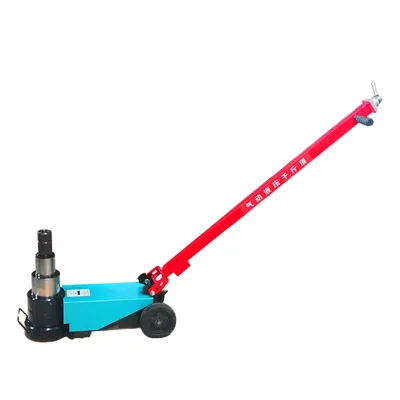
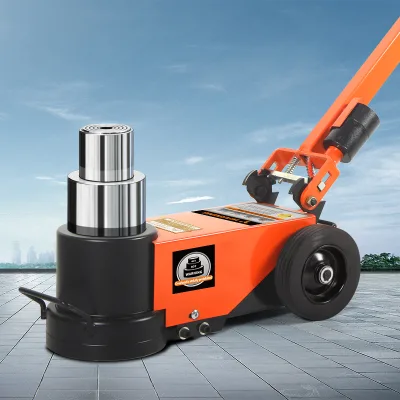
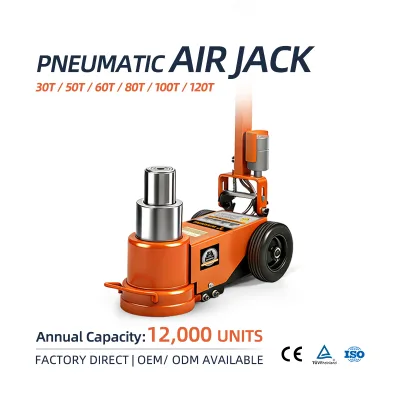
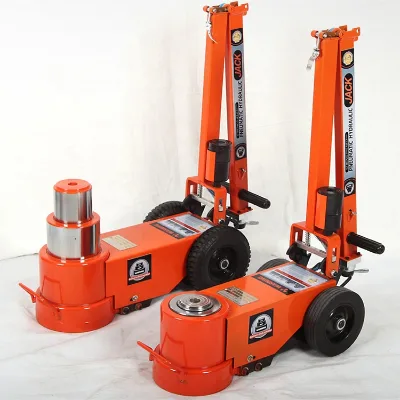
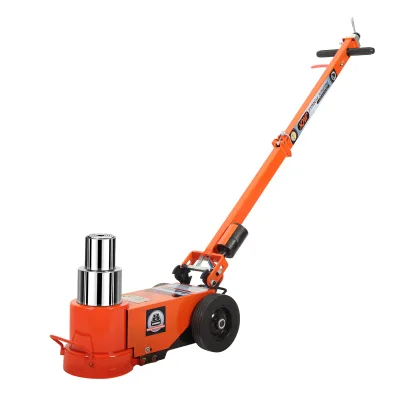
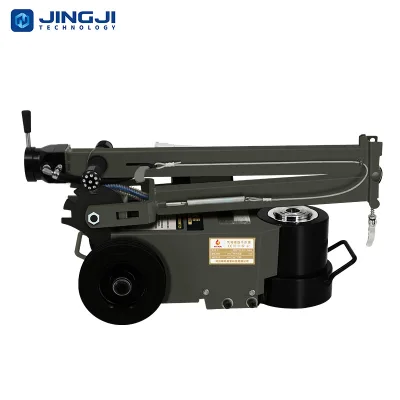
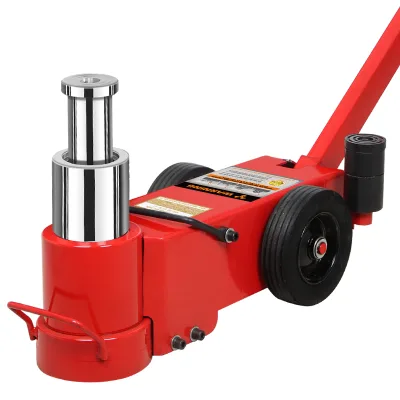
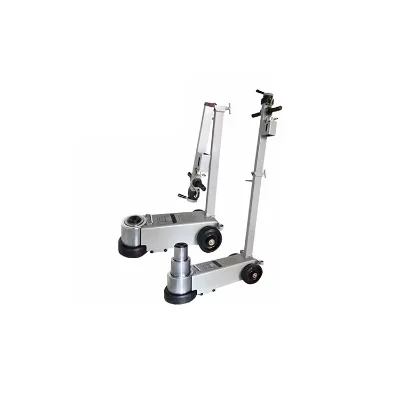
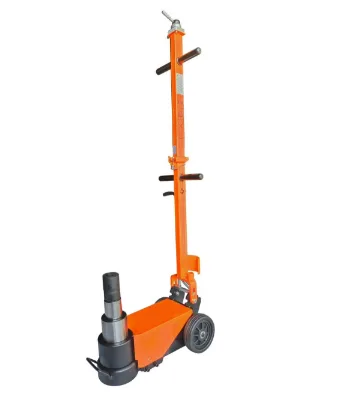
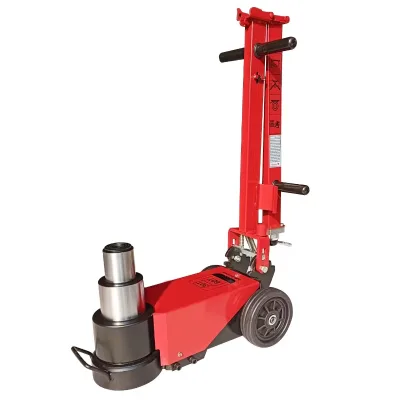
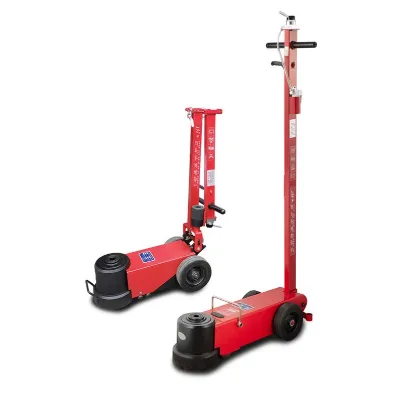
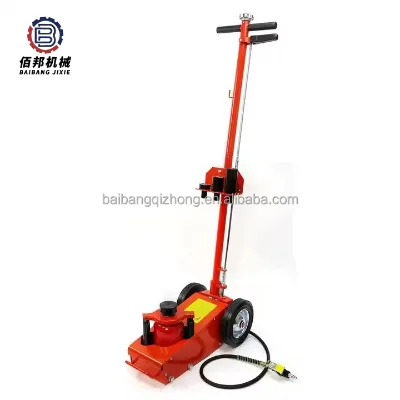
50Ton Pneumatic Air Floor Jack Hydraulic Jack with Foldable Handle
$157.6258 - $159.714
MOQ: 30 pieces
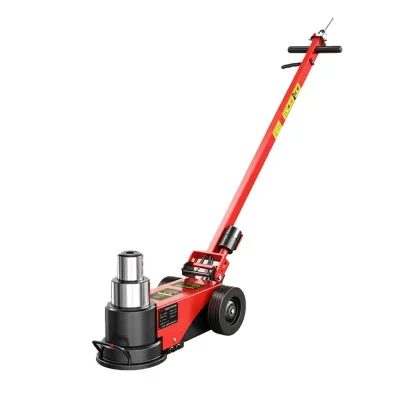
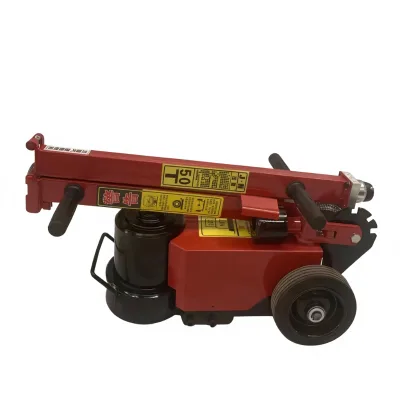
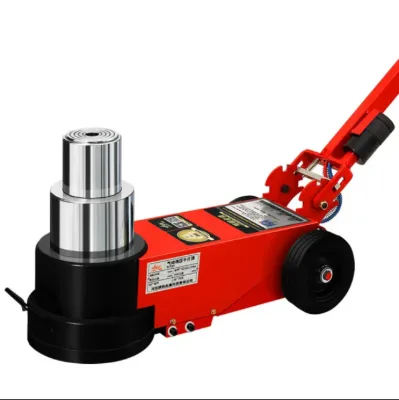
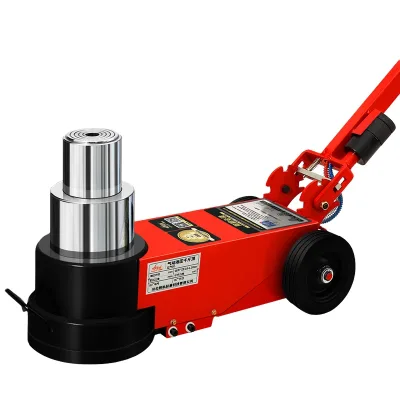
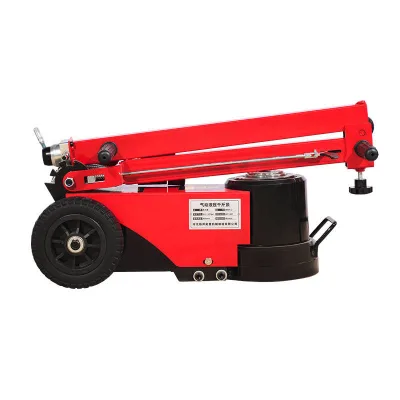
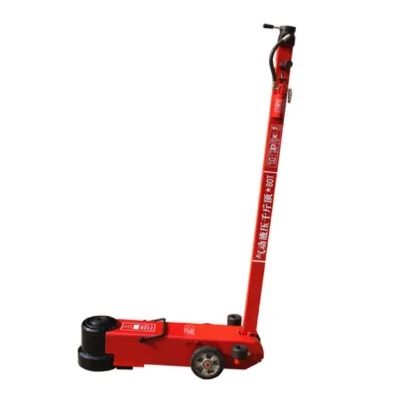

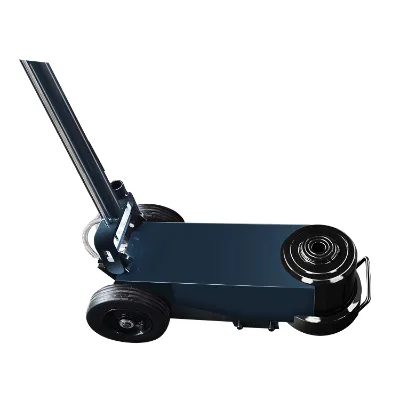
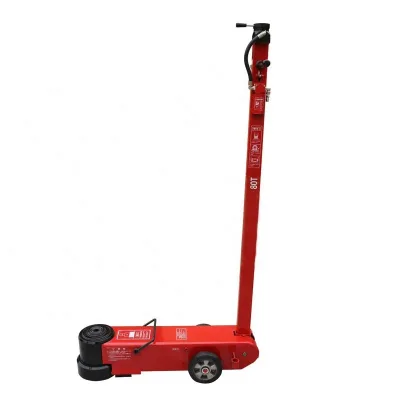
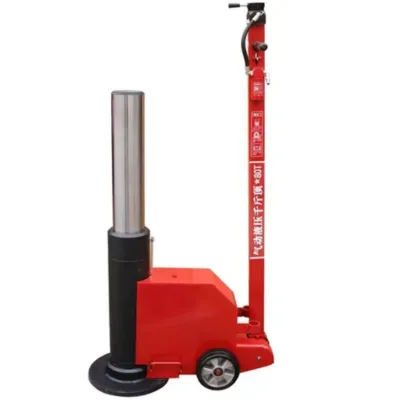
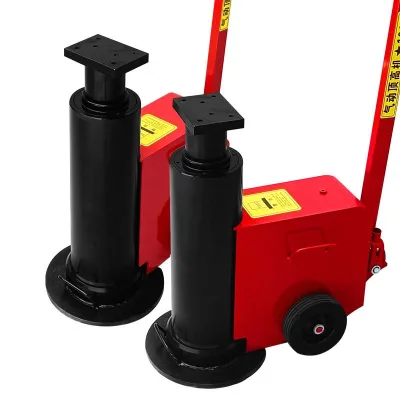
80Ton Automobiles Pressure Car Lifting 3000Lb Seal Hydraulic Press Jack
$115.3885 - $167.8385
MOQ: 5 pieces
Comprehensive Sourcing Guide
80 Ton Air Hydraulic Jack Sourcing Guide
Procuring an 80-ton air hydraulic jack requires a disciplined approach to verifying lifting capacity, power source reliability, and structural integrity. These pneumatic hydraulic jacks are engineered for heavy-duty industrial applications, offering a robust alternative to manual or purely mechanical lifting systems. Buyers must prioritize units that explicitly state their load capacity and confirm the power source is air-driven, ensuring compatibility with existing compressed air infrastructure. The distinction between pneumatic and hydraulic-only models is critical, as the former utilizes air pressure to generate hydraulic force, providing faster operation and reduced physical labor for operators.
The market offers various configurations, including integral hydraulic jacks and specialized truck jacks, each with distinct dimensional and weight profiles. Sourcing decisions should be guided by the specific operational environment, considering factors such as minimum and maximum height requirements, package dimensions, and overall gross weight. Understanding these physical attributes is essential for logistics planning, warehouse storage, and on-site maneuverability. Buyers should also evaluate the availability of customization options, as many suppliers support OEM and ODM requests to tailor the jack’s appearance, packaging, and technical specifications to unique enterprise needs.
Product Scope and Observed Listing Signals
The observed product landscape for 80-ton air hydraulic jacks reveals a diverse range of models with varying technical parameters and commercial terms. Listings indicate a price range of 60 to 524 USD, with minimum order quantities (MOQ) spanning from 1 to 100 units, reflecting flexibility for both trial orders and bulk procurement. Key attributes include a power source of air or hydraulic, with structures classified as hydraulic jacks or integral hydraulic jacks. Brands such as JINGLI and HONGTAI appear in the market, offering products with warranties of 12 months and conditions marked as new, ensuring buyers receive factory-fresh equipment with standard support terms.
Technical observations highlight significant variations in lifting heights, with some models reaching up to 480mm while others operate within a 350-385mm range. Minimum heights are noted at 165mm, and package sizes vary considerably, from compact 56x36x36 cm boxes to larger 83x39x19.5 cm crates. Materials are predominantly steel, providing the necessary durability for heavy loads. Buyers should note that while some listings specify a capacity of 80/40T, others refer to 50/80 ton variants, necessitating careful verification of the exact load rating. The availability of customized colors and packing options, such as wooden cases or cartons, allows for better brand integration and protective shipping.
Technical Specifications to Verify
When evaluating technical specifications, buyers must rigorously verify the maximum and minimum lifting heights to ensure compatibility with the target vehicle or equipment. Observed data shows maximum heights ranging from 351-400mm to 480mm, with some models specifying a lifting height of 385mm. It is crucial to confirm that the jack’s extended height exceeds the required clearance and that the collapsed height allows for easy insertion under the load. Additionally, the model number and specific type, such as "Pneumatic air jack 80 ton" or "50t truck jack," should be cross-referenced with the supplier’s technical datasheets to avoid mismatches between ordered and delivered specifications.
Power source verification is equally important, as some listings describe the product as hydraulic while others specify air or pneumatic operation. The correct classification ensures that the facility has the necessary compressed air supply and that the jack operates as intended. Buyers should also inspect the single gross weight, which ranges from 32.0 kg to 60.0 kg, to assess handling requirements and shipping costs. Furthermore, the structure type, whether a standard hydraulic jack or an integral design, impacts stability and ease of use. Confirming these details prevents operational delays and ensures the equipment meets the precise engineering demands of the lifting task.
Compliance and Safety Documentation
Compliance with international standards is a non-negotiable aspect of sourcing heavy lifting equipment. Suppliers in the observed market frequently cite certifications such as ISO 9001, ISO 9001:2015, and CE marks, indicating adherence to quality management and European safety directives. Buyers must request valid certification documents to verify that the manufacturing processes and final products meet these rigorous standards. The presence of these certifications suggests a commitment to consistent quality and safety, reducing the risk of structural failures during high-load operations. However, buyers should independently validate these claims through the issuing bodies or third-party audit reports.
Safety documentation should also include detailed user manuals, maintenance guidelines, and pressure testing records. Given the high capacity of 80-ton jacks, understanding the operational limits and emergency procedures is vital for workplace safety. Buyers should inquire about the warranty terms, which are commonly listed as 12 months, to ensure coverage for manufacturing defects. Additionally, verifying the place of origin, often Hebei, China, can provide context regarding manufacturing hubs and supply chain reliability. Ensuring that all safety and compliance documents are complete and up-to-date protects the buyer from liability and ensures regulatory compliance in the destination country.
Cost Drivers and Commercial Terms
Cost drivers for 80-ton air hydraulic jacks include material quality, manufacturing complexity, and customization requirements. The observed price range of 60-524 USD reflects variations in specifications, such as lifting height, weight, and packaging. Buyers should consider that higher prices may correlate with better materials, such as high-grade steel, or more robust construction methods. Customization options, including branded packaging or specific color schemes, can also influence the final cost. Understanding these variables helps buyers align their budget with their specific operational needs, avoiding overpayment for unnecessary features or underinvestment in critical quality aspects.
Commercial terms vary among suppliers, with payment options including 30% deposit and balance via T/T or L/C. Minimum order quantities range from 1 to 100 units, offering flexibility for different procurement scales. Buyers should negotiate clear terms regarding shipping methods, such as sea freight, and delivery lead times. The single package size and gross weight directly impact shipping costs, so consolidating orders or optimizing packaging can reduce logistics expenses. Additionally, verifying the selling units and packing details ensures accurate cost forecasting. Clear communication of these terms prevents misunderstandings and facilitates smoother transaction processes, ensuring timely delivery and financial predictability.
Supplier Qualification and Quality Control
Supplier qualification is critical for ensuring the reliability and consistency of 80-ton air hydraulic jacks. Buyers should prioritize suppliers with established OEM/ODM capabilities, as these entities often possess the engineering expertise to customize products to specific requirements. Verifying the supplier’s production capacity and quality control processes is essential to maintain product integrity. Suppliers offering customization options, such as tailored packaging or branding, demonstrate a higher level of service orientation and flexibility. Buyers should also assess the supplier’s responsiveness and technical support capabilities, as these factors contribute to a successful long-term partnership.
Quality control measures should include rigorous testing of lifting mechanisms, pressure integrity, and structural stability. Buyers should request sample inspections or third-party quality audits to verify that the products meet the specified standards. The warranty period, typically 12 months, serves as a testament to the supplier’s confidence in their product quality. Additionally, checking the supplier’s track record and customer feedback can provide insights into their reliability and after-sales service. By conducting thorough due diligence, buyers can mitigate risks associated with product failures and ensure that the sourced jacks perform reliably in demanding industrial environments.
Long-Term Procurement Checks
Long-term procurement success depends on establishing robust relationships with suppliers who can provide consistent quality and support. Buyers should implement regular performance reviews to assess the reliability of the jacks in operational settings, monitoring for issues such as pressure leaks, structural wear, or performance degradation. Maintaining open communication with suppliers allows for timely resolution of any technical issues and facilitates continuous improvement. Additionally, staying informed about industry trends and technological advancements can help buyers upgrade their equipment to more efficient or safer models over time.
Regular audits of supplier compliance and quality management systems are essential to maintain high standards. Buyers should verify that suppliers continue to adhere to relevant certifications and standards, such as ISO 9001 and CE, throughout the contract period. Monitoring changes in material costs or manufacturing processes can also help anticipate potential price fluctuations or quality variations. By proactively managing these aspects, buyers can ensure a stable supply chain and minimize disruptions. Ultimately, a strategic approach to supplier management and quality assurance ensures that the 80-ton air hydraulic jacks continue to meet the evolving needs of the business.
FAQs
What certifications do 80 ton air hydraulic jacks have?
These jacks typically hold ISO 9001 and CE certifications. The ISO 9001:2015 standard ensures quality management systems are in place. CE marking confirms compliance with European safety directives. Buyers should verify specific documentation from the supplier to ensure all regulatory requirements are met for their target market.
Can I customize the color and packaging of these jacks?
Yes, customization is available for both color and packaging. Buyers can request specific colors to match their brand identity. Packaging options include wooden cases, cartons, or wooden boxes. This flexibility allows for better protection during shipping and enhances the professional presentation of the product upon arrival at the destination port.
What is the maximum lifting height for an 80 ton air jack?
The maximum lifting height varies by model, ranging from 340mm to 480mm. Some models offer a max height of 351-400mm, while others reach up to 480mm. The minimum height is typically around 165mm. Buyers should select the specific model number that matches their vehicle clearance and lifting requirements.
What is the minimum order quantity for these hydraulic jacks?
The minimum order quantity ranges from 1 to 100 pieces depending on the supplier. Some vendors accept orders as low as 10 pieces, while others may require higher volumes. This flexibility allows small businesses to test the product. Larger orders often qualify for better pricing tiers and more favorable shipping arrangements.
Where are these air hydraulic jacks manufactured?
These jacks are primarily manufactured in Hebei, China. The region is known for its industrial manufacturing capabilities. Buyers can expect products to originate from this specific location. It is advisable to confirm the exact place of origin with the supplier to ensure transparency regarding manufacturing standards and logistics planning.
What warranty is provided for these 80 ton jacks?
A standard warranty of 12 months is typically provided. This covers manufacturing defects and material failures under normal use. Buyers should review the specific warranty terms with the supplier. Proper maintenance and adherence to operating guidelines are essential to ensure the warranty remains valid throughout the coverage period.