Source Automatic Screws Bolt Counting Machine for Hardware, Auto, Electronics
Compare 30 automatic screws bolt counting machines from verified suppliers. These units support packaging for hardware fittings, auto parts, and electronic components with varying speeds and accuracies. Buyers can evaluate models like GXPT and MX410 for different filling materials and packing requirements.
Updated
Key considerations
Products List


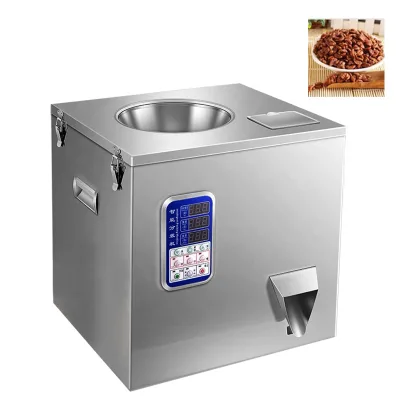
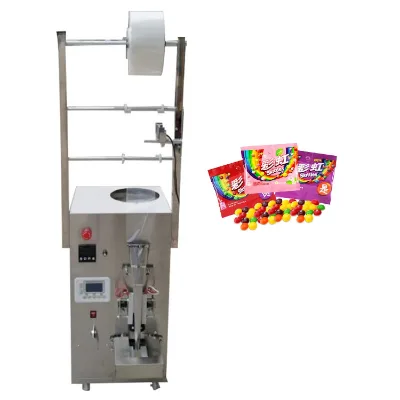

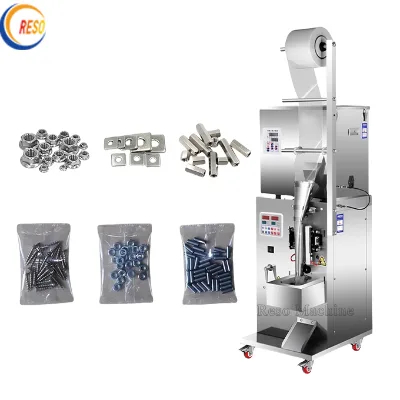
Automatic Counting Packing Machine for Screw Bolt Fastener Plastic Parts
$3900.00 - $10000.00
MOQ: 1 Pieces

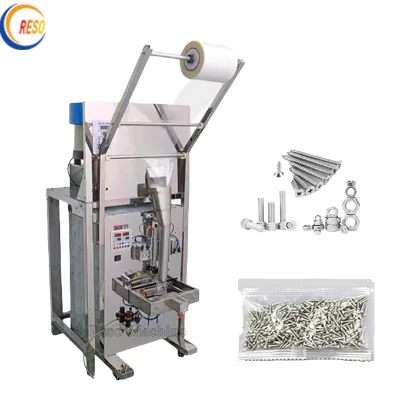
Automatic Screw Hardware Kits Nuts and Bolts Fastener Counting Packing Machine
$3900.00 - $10000.00
MOQ: 1 Pieces


Plastic Parts Counting Packing Machine/Bolts Counting Packing Machine/ Washers Packing Equipment
$3900.00 - $10000.00
MOQ: 1 Pieces


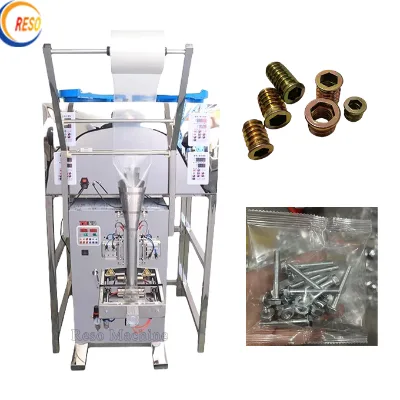
Automatic Stud Bolts and Self Drilling Screws Anchor Counting Bag Packing Machine
$2500.00 - $3800.00
MOQ: 1 Pieces

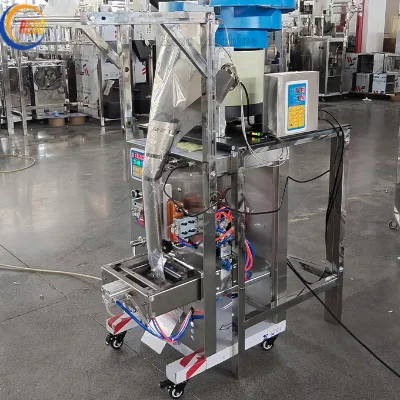
China Automatic Screw Hardware Fastener Hardware Counting Packing Machine Price
$2500.00 - $3800.00
MOQ: 1 Pieces

China Automatic Screw Hardware Metal Counting Packing Machine with Best Price
$2500.00 - $3800.00
MOQ: 1 Pieces
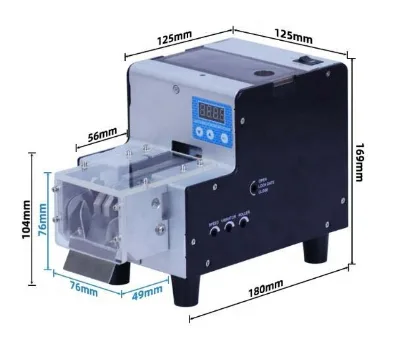
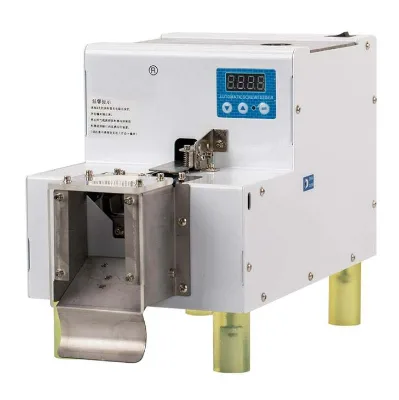




Comprehensive Sourcing Guide
Automatic Screws Bolt Counting Machine Sourcing Guide
The market for automatic screw and bolt counting machines presents a diverse range of solutions tailored for hardware fittings and fastener packaging. Buyers observe products explicitly labeled as hardware fitting packing machines designed to handle bolts, nuts, and blind nuts with high precision. These units often feature a specific product model designation, such as GXPT or MX410, indicating distinct manufacturing lines or functional configurations available from various suppliers.
Procurement decisions must account for the specific forming species and functions required by the production line. Available units support bag molding and sealing functions, utilizing composite materials or plastic packaging to ensure product integrity during transit. The driven type varies between mechanical and electric systems, allowing buyers to select equipment that aligns with their existing factory infrastructure and automation levels.
Product Scope and Observed Listing Signals
Buyers should verify the exact application scope, as listings indicate these machines serve diverse sectors including electronic components, automotive parts, and general hardware. Some product descriptions extend the application to food items like tea, rice, and flour, suggesting versatile filling capabilities beyond simple fastener counting. This broad scope requires careful scrutiny to ensure the machine's specific mechanism matches the physical properties of the intended fastener or product being packaged.
Listing signals reveal a wide variance in observed pricing, ranging from 190 to 40,000 USD, which reflects differences in automation grade and capacity. While some units are marketed as fully automatic, others are classified as semi-automatic, directly impacting the operational workflow and labor requirements. The minimum order quantity is consistently observed at one unit, facilitating entry for small-scale operations, though the high price ceiling suggests significant investment in heavy-duty industrial models.
Technical Specifications to Verify
Technical verification must begin with the core components, which typically include motors, PLCs, gearboxes, and pressure vessels essential for reliable operation. Buyers need to confirm the rated voltage, often listed as 220v/50hz, and ensure compatibility with local power grids. The filling accuracy is a critical metric, with some specifications citing a precision of 0.01 or a weighing error of ±0.2g, which dictates the suitability of the machine for high-value or regulated fastener batches.
Dimensional and weight constraints are equally vital for facility planning, as observed packing dimensions vary from 403542cm to larger configurations. The product weight is frequently noted around 18kg, but larger industrial variants may differ significantly. Buyers must also check the packing speed, which can range from 3 to 4 seconds per piece depending on the gram weight, to ensure the machine meets the required production throughput of 20 bags per minute or higher.
Compliance and Safety Documentation
Safety and compliance documentation should explicitly confirm the presence of GS, RoHS, CE, and ISO9001 certifications, which are standard for these industrial units. These certifications indicate adherence to international safety standards and environmental regulations, ensuring the machine can be legally operated in various global markets. Procurement teams must request valid certificates for each specific unit to verify that the claimed compliance is current and not merely a generic supplier assertion.
Warranty and after-sales service terms are critical components of the compliance framework, with a standard one-year warranty often observed in listings. Buyers should verify the scope of remote support, logistics assistance, and production site visits to ensure long-term operational stability. The availability of video technical support and online assistance further mitigates risks associated with equipment downtime, providing a safety net for troubleshooting complex mechanical or electrical issues.
Cost Drivers and Commercial Terms
Cost drivers are heavily influenced by the automatic grade and the complexity of the core components integrated into the machine. Fully automatic units with advanced PLC control and precision weighing systems command higher prices compared to semi-automatic models, which may rely more on manual intervention. The material type, whether solid or composite, and the specific packaging material used also contribute to the final cost, requiring a detailed breakdown of the bill of materials during negotiations.
Commercial terms must clearly define the selling units and packaging type, as listings often specify single-item sales with bag packaging. Buyers should clarify the production capacity and lead times, noting that while some units are ready for immediate shipment, others may require customization. The observed price range suggests that volume discounts or bundled service packages might be available, necessitating a clear discussion on total cost of ownership rather than just the initial purchase price.
Supplier Qualification and Quality Control
Supplier qualification requires a rigorous check of the place of origin, with Guangdong and Shandong in China being the primary manufacturing hubs for these machines. Buyers should verify the supplier's ability to provide video outgoing-inspection services, which offer a transparent view of the machine's condition before shipment. This step is crucial for validating the physical state of the equipment and ensuring that the product matches the description provided in the listing.
Quality control processes should include a review of the product condition, which is consistently listed as new, and an assessment of the packing accuracy standards. Specifications often indicate a packing accuracy of ±1% for weights up to 500g and ±0.5% for heavier items, which must be tested during the acceptance phase. Ensuring the supplier can demonstrate these accuracy levels through pre-shipment testing is essential for maintaining consistent product quality in the final packaging output.
Long-Term Procurement Checks
Long-term procurement checks must focus on the availability of replacement parts and the durability of core components like motors and bearings. Buyers should establish a clear protocol for handling warranty claims and verify the supplier's capacity to provide timely logistics support for any necessary repairs. The remote and production site service options listed indicate a commitment to long-term support, but the specific response times and coverage areas need to be contractually defined.
Performance monitoring should track the machine's ability to maintain the specified filling accuracy and packing speed over extended periods. Regular maintenance schedules should be developed based on the driven type and the specific application, whether for hardware or food products. Buyers must also monitor the product standard dimensions, such as 900mm1400mm1700mm, to ensure the machine continues to fit within the allocated production space as facility layouts evolve.
FAQs
What certifications are available for automatic screws bolt counting machines?
These machines typically hold GS, RoHS, CE, and ISO9001 certifications to ensure safety and quality compliance. Buyers can verify these credentials directly from the supplier to meet regional regulatory standards. The presence of these marks indicates adherence to international manufacturing norms for electronic and mechanical components.
Can the Automatic Screws Bolt Counting Machine be customized for specific needs?
Yes, customization is available for these machines to suit unique production requirements. Suppliers offer tailored solutions including specific voltage settings like 220v/50hz and customized packing dimensions. This flexibility allows businesses to integrate the equipment seamlessly into existing assembly lines or packaging workflows without major modifications.
What is the warranty period for automatic screws bolt counting machines?
The standard warranty period provided is one year for the equipment. This coverage ensures that buyers receive support for any manufacturing defects or operational issues during the initial usage phase. After-sales services often include remote support and logistics assistance to maintain continuous production efficiency.
How accurate is the packing function of the Automatic Screws Bolt Counting Machine?
The packing accuracy is highly precise, with a weighing error of ±0.2g for smaller quantities. For weights over 500g, the error margin is ≤±0.5%, ensuring consistent product quality. This level of precision is critical for industries requiring strict compliance with packaging regulations and customer expectations.
Where are automatic screws bolt counting machines typically manufactured?
These machines are primarily manufactured in Guangdong and Shandong, China. These regions are known for their robust manufacturing infrastructure and expertise in producing automated packaging and counting equipment. Buyers can source directly from these locations to benefit from established supply chains and competitive pricing structures.
What is the power consumption of the Automatic Screws Bolt Counting Machine?
The machine operates with a power consumption of 1kw, making it energy efficient for continuous operation. It runs on a 220v/50hz voltage supply, which is standard in many industrial settings. This low power requirement helps reduce operational costs while maintaining high-speed packing performance.