Source Automatic Case Packer for Food Beverage Packaging
Find 30 Automatic Case Packer for Food and Beverage solutions with varying speeds, dimensions, and power ratings. Compare specifications like PLC control, carton sizes, and warranty terms to select the right machinery for your production line; compare the available evidence and request quotations based on your requirements.
Updated
Key considerations
Products List


Side Push Case Packer for Automatic Case Erector Packing and Sealing in Food & Beverage Industry
$18000.00 - $20000.00
MOQ: 1 Pieces

Automatic Durable Bottle Case Packer Machine for Beverage Food Packaging
$15000.00 - $32000.00
MOQ: 1 Pieces

CE Certified Beverage Case Packer for Bottles and Cans Energy Saving Automatic Operation Case Packer
$18000.00 - $30000.00
MOQ: 1 Pieces


High Speed Automatic Drink Bottle Case Packer for Beverage Industry with CE Certification
$17999.00 - $29999.00
MOQ: 1 Pieces

High Speed Labor-Saving Automatic Case Packer for Food and Beverage Production Line
$11999.00 - $47000.00
MOQ: 1 Pieces

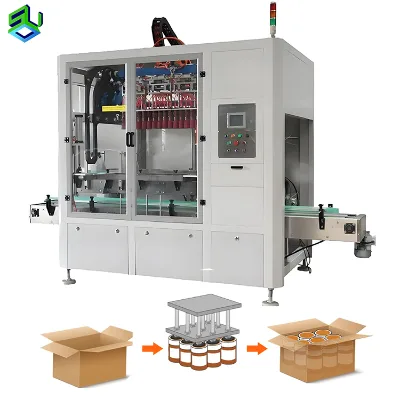
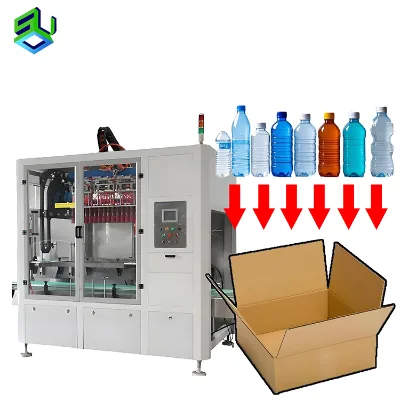
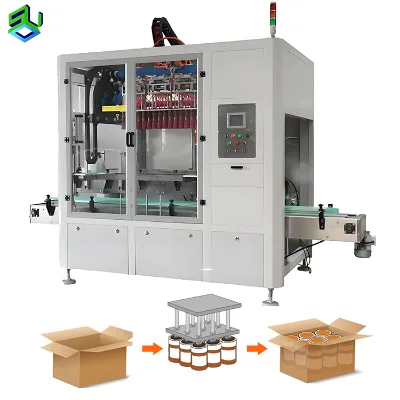
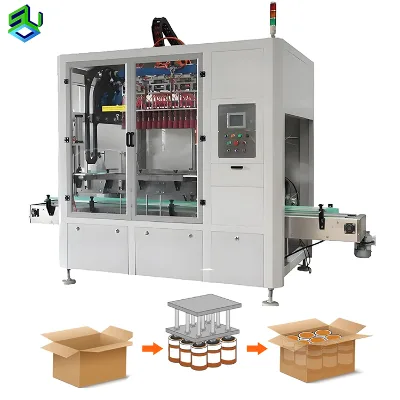


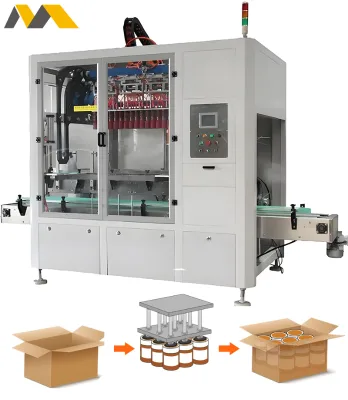
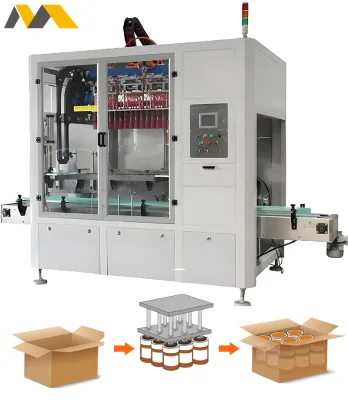
High-Speed Case Packer Automatic Box Packing System for Canned Food
$60000.00 - $3000000.00
MOQ: 1 Sets


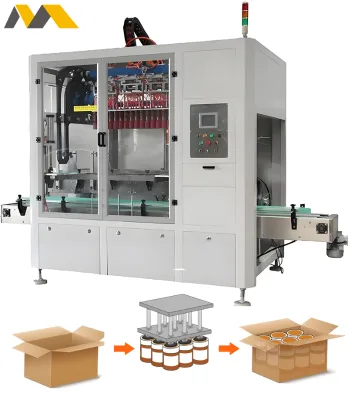
Comprehensive Sourcing Guide
Automatic Case Packer for Food and Beverage Sourcing Guide
Procuring an Automatic Case Packer for Food and Beverage operations requires a strategic alignment of mechanical precision, operational speed, and material compatibility. These machines are designed to automate the final packaging stage, transitioning individual units into cartons or cases for distribution. Buyers must evaluate how well the equipment integrates with existing production lines, particularly regarding the handling of diverse container types such as PET bottles, glass jars, and aluminum cans. The selection process hinges on understanding the specific throughput requirements and the physical dimensions of the products being packaged.
The market offers a variety of configurations, from standalone pick-and-place units to fully integrated case packing lines. Key differentiators include the drive type, control systems, and the ability to customize the machine for specific carton sizes. Observations from current listings indicate a strong presence of electric-driven models equipped with PLC and touch screen interfaces, which facilitate easy operation and precise control. Buyers should prioritize machines that offer flexibility in handling varying bottle sizes and carton dimensions to accommodate future product line expansions without requiring significant hardware modifications.
Product Scope and Observed Listing Signals
Current market listings reveal a diverse range of automatic case packers tailored for various industries, including beverage, food, commodity, chemical, and machinery sectors. The observed product scope includes models specifically branded for applications like beverage packaging, with capabilities to handle materials such as PET, PP, cans, and glass. Listings frequently highlight features such as automatic grading, customization availability, and specific carton packing speeds ranging from 30 to 60 boxes per minute. These signals suggest that buyers can find solutions for both high-volume continuous operations and more flexible, lower-speed production environments.
The physical specifications of these machines vary significantly, reflecting their intended use cases. Dimensions observed in listings range from compact units measuring approximately 1.8 meters in length to larger systems exceeding 5.8 meters in length. Weight capacities also differ, with some units weighing around 700 kg and others reaching up to 3500 kg, indicating differences in structural robustness and load-bearing capabilities. Buyers should note that packaging for shipment often involves standard wooden boxes or cases, which may impact logistics planning and installation space requirements at the final destination.
Technical Specifications to Verify
When evaluating technical specifications, buyers must verify the power requirements and electrical compatibility of the proposed machinery. Common observations include a power source of 380V 50Hz 3-phase, with some models offering customization for voltage to match local grid standards. It is crucial to confirm the motor power, which can range from 7.5 kW in certain models, to ensure the machine has sufficient energy to maintain consistent operation under load. Additionally, air consumption rates, such as 600 nl/min, should be checked to ensure the facility’s compressed air infrastructure can support the pneumatic components of the packer.
Dimensional accuracy and product compatibility are equally critical technical factors. Buyers should verify the carton size range, which may vary from small dimensions like 70mm in length to larger sizes up to 230mm, and ensure the machine can handle the specific height and width of their packaging. Bottle size compatibility, often specified as diameters between 45mm and 155mm and heights from 45mm to 250mm, must align with the buyer’s product portfolio. Furthermore, the maximum load per floor, observed at 160 kg in some listings, should be confirmed to prevent structural issues during high-density packing operations.
Compliance and Safety Documentation
Safety and compliance documentation are non-negotiable aspects of sourcing industrial packaging equipment. Buyers should request machinery test reports that verify the performance and reliability of the core components, such as the PLC and motor. These reports provide evidence that the machine has undergone rigorous testing and meets specific operational benchmarks. Ensuring that the supplier provides comprehensive documentation helps mitigate risks associated with unexpected downtime or mechanical failure, which can disrupt the entire production line.
Warranty terms and after-sales support are also key components of the compliance framework. Listings indicate warranty periods ranging from one to two years, which serves as a baseline for supplier confidence in their product. Buyers should clarify what is covered under the warranty, including parts and labor, and understand the process for claiming support. Additionally, verifying that the machine adheres to relevant electrical and mechanical safety standards is essential to protect operators and ensure regulatory compliance in the destination country.
Cost Drivers and Commercial Terms
The cost of an automatic case packer is influenced by several factors, including the machine’s complexity, speed, and customization options. Observed price ranges in the market span from $5,000 to $3,000,000, reflecting the vast difference between basic models and fully automated, high-speed lines. Buyers should analyze the total cost of ownership, considering not just the initial purchase price but also installation, training, and maintenance costs. Customization availability often adds to the initial cost but can provide long-term value by ensuring the machine fits specific operational needs.
Commercial terms such as minimum order quantity (MOQ) and shipping arrangements also impact the overall procurement strategy. In many cases, the MOQ is set at one unit, allowing for flexible purchasing decisions. However, buyers should negotiate shipping terms carefully, as the large dimensions and weight of these machines can result in significant freight costs. Packaging in standard wooden boxes or cases is common, which may require special handling during transit. Understanding these commercial details helps in budgeting accurately and avoiding unexpected expenses during the procurement process.
Supplier Qualification and Quality Control
Supplier qualification is a critical step in ensuring the reliability of the automatic case packer. Buyers should verify the supplier’s place of origin, with many listings indicating production in China, particularly in regions like Shandong. It is important to assess the supplier’s reputation, production capacity, and history of delivering similar equipment. Requesting references or case studies from previous clients can provide insights into the supplier’s ability to meet deadlines and maintain quality standards.
Quality control measures should be clearly defined and agreed upon before placing an order. Buyers should inquire about the supplier’s quality assurance processes, including inspections during manufacturing and pre-shipment testing. The availability of machinery test reports is a positive indicator of a supplier’s commitment to quality. Additionally, verifying the core components used in the machine, such as the PLC and motor, can help ensure that the equipment is built with reliable, high-quality parts that will withstand the rigors of continuous operation.
Long-Term Procurement Checks
Long-term procurement success depends on the supplier’s ability to provide ongoing support and spare parts. Buyers should establish a clear agreement for the supply of replacement parts, particularly for high-wear components like motors and pneumatic valves. Ensuring that the supplier has a robust inventory of spare parts can minimize downtime in the event of a mechanical failure. Additionally, buyers should consider the availability of technical support and training services to keep their operational staff proficient in using and maintaining the equipment.
Future scalability and adaptability are also important considerations for long-term procurement. As product lines evolve, the case packer may need to handle different bottle sizes or carton types. Buyers should verify the machine’s customization capabilities and the ease with which it can be adjusted for new products. Regular maintenance schedules and performance reviews should be implemented to ensure the machine continues to operate efficiently. By planning for these long-term needs, buyers can maximize the return on their investment and maintain a smooth packaging operation.
FAQs
What is the typical speed of an automatic case packer?
The typical speed ranges from 30 to 60 boxes per minute for standard carton packing models. Some specific units operate at 4 to 5 times per minute for complex pick-and-place tasks. This variation depends on the specific model configuration and the complexity of the packaging requirements for the beverage or food items being processed.
Can the voltage be customized for different regions?
Yes, voltage customization is available for these automatic case packing lines. While standard models often use 380V 50Hz 3-phase power, the system supports custom voltage settings to match local electrical infrastructure. This ensures compatibility with various international power standards without requiring additional external transformers or adapters for the machinery.
What is the warranty period for the machinery?
The warranty period typically ranges from one to two years depending on the specific manufacturer and model selected. Some suppliers offer a one-year warranty, while others provide a two-year coverage for core components like the PLC and motor. Buyers should verify the exact terms with the supplier before finalizing the purchase agreement.
Which bottle sizes are compatible with the machine?
The machine accommodates bottle sizes with diameters ranging from 45 to 155 millimeters and heights from 45 to 250 millimeters. This range covers most standard beverage containers made of PET, PP, glass, or cans. The adjustable design allows for quick changeovers to handle different product dimensions efficiently during production runs.
How is the machine packed for shipping?
The machine is typically packed in a standard wooden box or wooden case to ensure safe transit. This robust packaging protects the heavy machinery, which can weigh up to 3500 kilograms, from damage during international shipping. The wooden packaging is designed to secure the unit firmly within the container for overseas delivery.
What control system does the automatic case packer use?
The system uses a PLC combined with a touch screen interface for operation. This control setup allows for easy operation and precise management of the packing process. The PLC ensures reliable performance, while the touch screen provides an intuitive user interface for setting parameters and monitoring the machine's status during production.