Automatic Food Beverage Palletizer Suppliers and Manufacturers
Compare 21 verified suppliers offering Automatic Food Beverage Palletizer units with response times from 3 to 6 days and lead times starting at 10 days. Review specifications like voltage, weight, and warranty before requesting quotes; review the available evidence before requesting comparable quotations from suitable candidates.
Updated
Suppliers List
Bremetz (shandong) Machinery Co., Ltd.
- Manufacturer, Trading Company
- Shandong, China
- Lead time15 days
- Avg. response≤ 6h
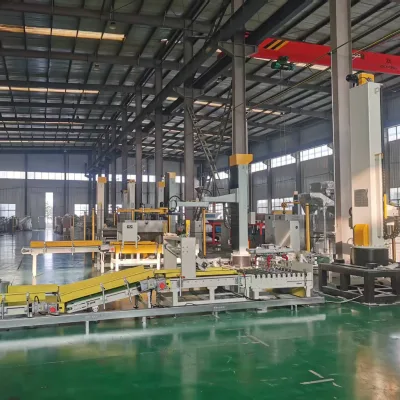
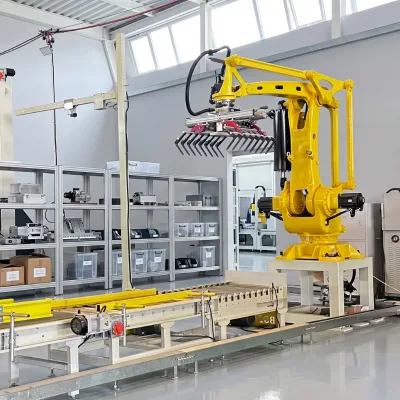
Main productsPalletizer,depalletizer,truck bag loader,filling machine,Large production line
Main marketsNorth America(20.00%), Southeast Asia(15.00%), Africa(11.00%), Eastern Europe(11.00%), Mid East(9.00%), Southern Europe(8.00%), Western Europe(5.00%), Central America(5.00%), South America(5.00%), Oceania(4.00%), Eastern Asia(3.00%), Northern Europe(3.00%), South Asia(1.00%)
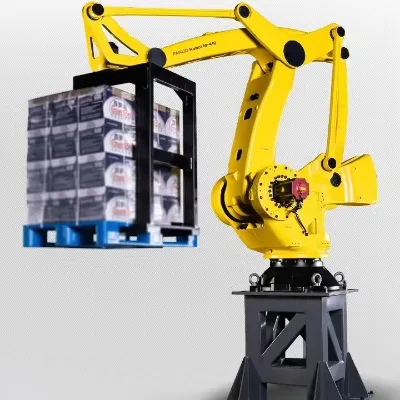
$10000.00
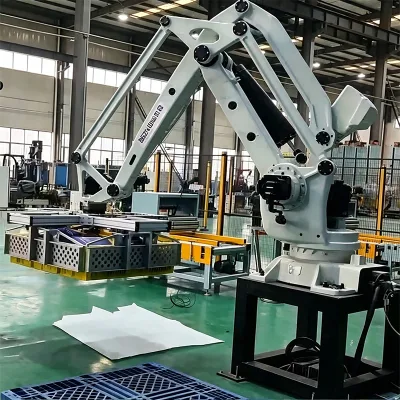
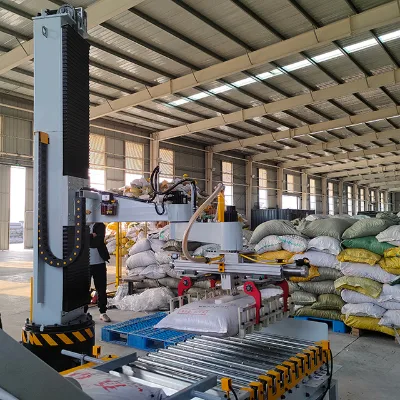
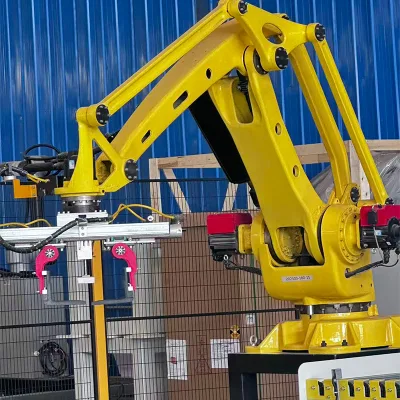
Henan Han Cheng Machinery Co., Ltd.
- Trading Company
- Lead time旺季: "1 - 1":10,"> 1":"To be negotiated", 淡季: "1 - 1":10,"> 1":"To be negotiated"
- Avg. response≤ 3h
Main productsDry Mix Mortar Plant, Drying Plant, Shredding Plant, Hydraulic Baler, Recycling Plant
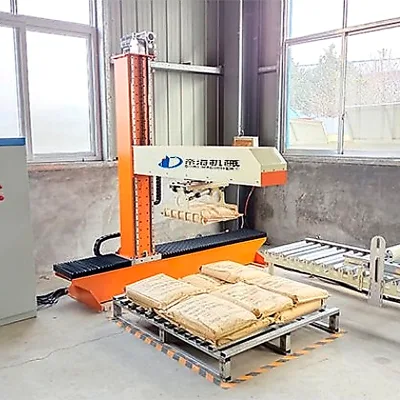
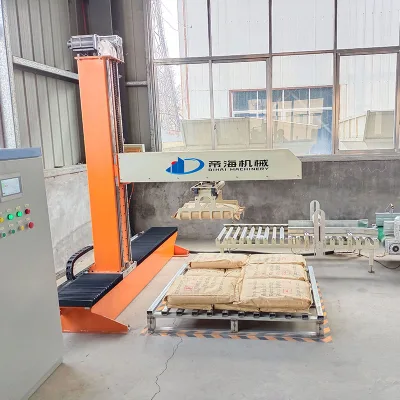
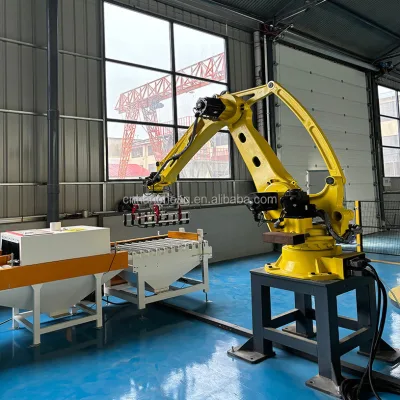
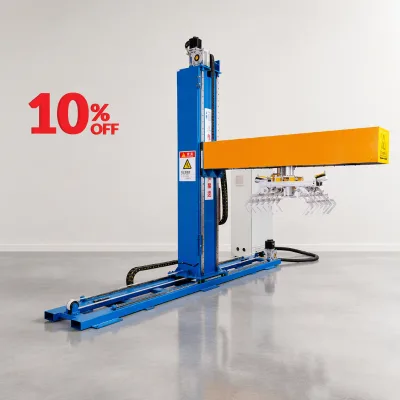
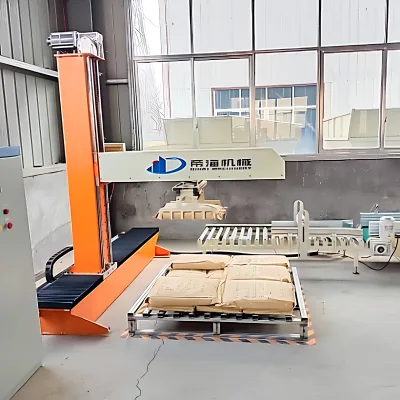
Automatic Palletizer for Bag Carton Box Tobacco Food Plastic Palletizing
$8600.00 - $12000.00
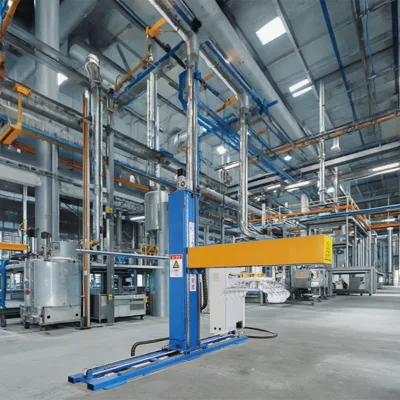
$6053.5483 - $9439.4313
MOQ: 1 sets

ShangHai LWT Intelligent Technology Co., Ltd.
- Verified by SGS
- Combined
- China Shanghai
- Lead time45 days
- Avg. response≤ 3h
Main productsPalletizer, Robot Palletizer, Packing Machine, Labeling Machine, Carton Erector, De-Palletizer, Carton Sealer, Multifunctional Packaging Machine, Case Packer, Labeller
Main marketsSoutheast Asia/ Mideast


Fully Automatic Stacker Palletizer Machine for Fruit Juice Beverage Production Line
$25000.00
MOQ: 1 Pieces
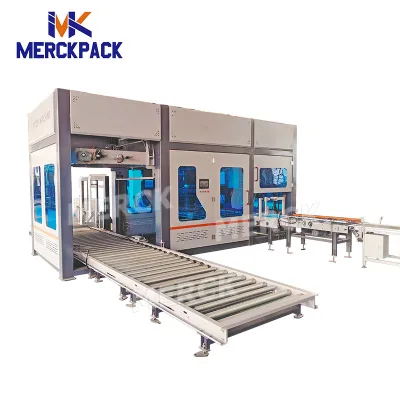
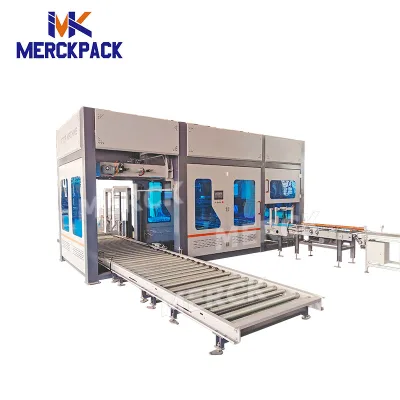
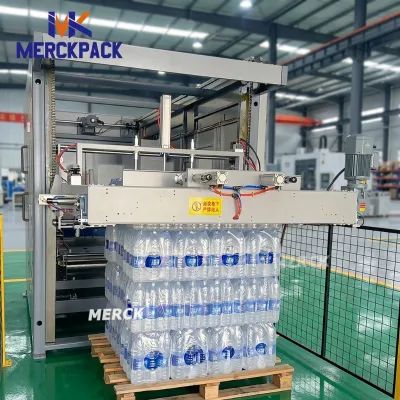
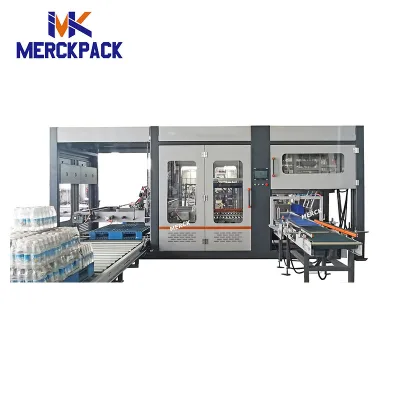
Zhangjiagang Merck Machinery Co., Ltd.
- Verified by Intertek
- Manufacturer, Trading Company
- Lead time25 days
- Avg. response≤ 2h
Main productsWater Filling Machine, Water Treatment Plant, Labeling Machine, Carton Packing Machine, Liquid Bottling Packing Line
Main marketsSoutheast Asia(40%), Africa(30%), South America(20%)
Shanghai Dalson Packing Machinery Co., Ltd.
- Trading Company
- Shanghai, China
- Lead time14 days
- Avg. response≤ 2h
Main productsCarton Packing Machine, Palletizer Machine, Depalletizer Machine,Labeling Machine, PE Film Wrapper Case Packing Machine
Main marketsMid East(25.00%), North America(20.00%), South America(20.00%), Southeast Asia(20.00%), South Asia(5.00%), Western Europe(5.00%), Africa(5.00%)
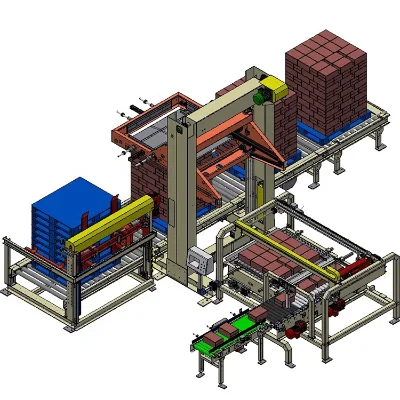
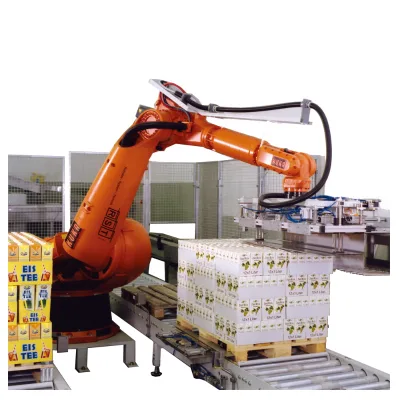
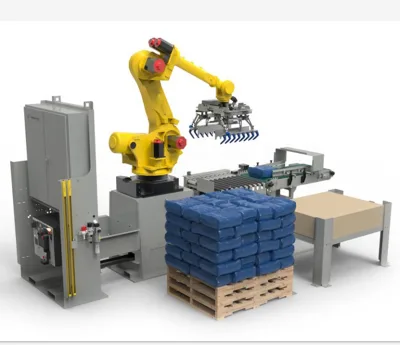
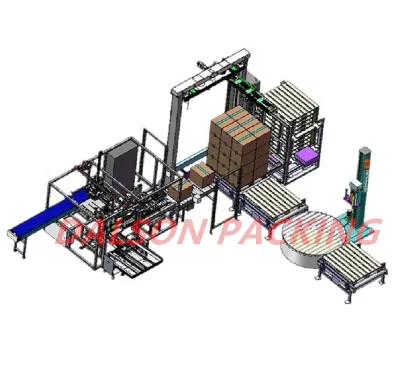
Paletizadora/Palletiser/Palletizer
$15000.00
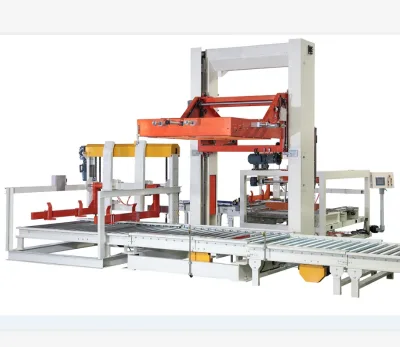
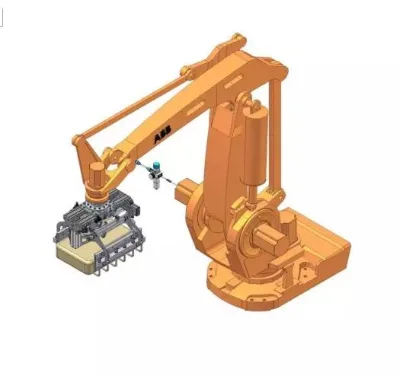

Anhui Peiyu Packaging Technology Co.,Ltd.
- Verified by TUVRHEINLAND
- Combined
- China Anhui
- Lead time60 days
- Avg. response≤ 2h
Main productsWrap Around Case Packer, Label Shrink Sleeve Machine, PE Film Shrink Wrapping Machine, Pet Food Machine, Sleeve Labeling Machine, Retort, Palletizer, OPP Labeller, Air Conveyor, Robot Palletizer
Main marketsSoutheast Asia/ Mideast,Domestic


Automatic Palletizing Equipment for Beverages Fully Automatic Palletizer for Beverage Bottles
$99999.00 - $199999.00
MOQ: 1 Sets

Robotic Canned Food Palletizer and Depalletizer Automatic Palletizer and Depalletizer
$20000.00 - $150000.00
MOQ: 1 Sets

Single-Lane Palletizer Beverage Palletizer for Beverage Packaging Lines
$99999.00 - $199999.00
MOQ: 1 Sets

Low-Level Dual-Channel Palletizer Beverage Palletizer for Beverage Packaging Lines
$99999.00 - $199999.00
MOQ: 1 Sets

Automatic Depalletizer and Palletizer Full Automatic Palletizing Machine
$99999.00 - $199999.00
MOQ: 1 Sets

Zhangjiagang Just Machinery Co., Ltd.
- Manufacturer, Trading Company
- Jiangsu, China
- Lead time30 days
- Avg. response≤ 4h
Main productsWater Juice Milk Beer Wine Beverage Filling Machine With Production Line,Automatic Labeling Machine,Water Treatment System,Automatic Film Packing Machine/ Palletizer,Bottle Blowing Machine
Main marketsSoutheast Asia(30.00%), Domestic Market(10.00%), Southern Europe(10.00%), Eastern Asia(10.00%), Mid East(10.00%), Oceania(10.00%), Africa(10.00%), North America(10.00%)

Zhangjiagang Sunswell Machinery Co., Ltd.
- Verified by TUVRHEINLAND
- Combined
- China Jiangsu
- Lead time60 days
- Avg. response≤ 5h
Main productsFilling Machine, Water Bottling Machine, Water Filling Machine, Beverage Bottling Machine, Carbonated Filling Machine, Juice Filling Machine, Water Bottling Line, Packaging Machine, Labeling Machine, Hot Filling Machine
Main marketsAfrica,Others(foreignTradeCapacity.exportBusinessCapacityMarketOther),Europe

Sunrise Intelligent Equipment Co., Ltd.
- Verified by TUVRHEINLAND
- Combined
- China Jiangsu
- Lead time60 days
- Avg. response≤ 9h
Main productsAseptic Cold Filling System, Ultra Clean Filling Machine, Water Filling Machine, Can Filling and Sealing Machine, Automatic Delletizer, Cage Loading and Unloading System, Spray Cooling (Bottle Warming) Sterilizer, Gantry Palletizer, Robot Palletizing System, Wraparound Case Packer
Main marketsSoutheast Asia/ Mideast


Robot Palletizer System Carton Palletizing Machine Packing Palletizing Machine
$96000.00 - $105000.00
MOQ: 1 Pieces


Shanghai Leadworld Machinery Technology Co., Ltd.
- Verified by BV
- Combined
- China Shanghai
- Lead time30 days
- Avg. response≤ 2h
Main productsFilling Machine, Packing Machine, Filling Production Line, Palletizer/De-Palletizer, Vacuum Packing Machine, Canned Food Production Line, Fruit&Vegetable Washing Machine, Conveyor, Bottle Washing Machine, Labeling Machine
Main marketsSouth America,Africa,Southeast Asia/ Mideast,East Asia(Japan/ South Korea),Domestic,Europe,Australia,North America

Automat Bottle Palletizer Packing Machine Automatic Palletizer Machine Price
$25000.00 - $35000.00
MOQ: 1 Sets


Automatic Packing Machine Palletizer/De-Palletizer for Food Packaging Line
$25000.00 - $35000.00
MOQ: 1 Sets

Automatic Carton Palletizer for Film Case Carton Palletizeing Machine for Food Water Beverage
$10000.00 - $30000.00
MOQ: 1 Sets


Benson Intelligent Equipment (Shandong) Co., Ltd.
- Verified by BV
- Combined
- China Shandong
- Lead time23 days
- Avg. response≤ 1h
Main productsPacking Machinery, Packaging Machinery
Main marketsDomestic,North America

Automatic High-Efficiency Robot Palletizer for Beverage Production Lines
$9000.00 - $17000.00
MOQ: 1 Pieces


High Precision Automated Column Robot Palletizer for Food and Beverage
$9000.00 - $17000.00
MOQ: 1 Pieces

Efficient Automated Robot for Cased Beverage Palletizing Solutions
$15000.00 - $45000.00
MOQ: 1 Pieces


Shandong Gojon Precision Technology Co., Ltd
- Verified by SGS
- Trading Company,Manufacturer/Factory,Group Corporation
- China Shandong
- Lead time45 days
- Avg. response≤ 4h
Main productsWhole Factory Conveyor System, Cardboard Conveyor System, Paper Roll Conveyor System, Single Facer Laminating Line, High Speed Auto Laminator, Automatic Strapping and Wrapping Line, Automatic Palletizer, Production Management System, Carton Box Making Machine, Spare Parts of Corrugated Box Machine
Main marketsSouth America,Eastern Europe,Mid East,North America,Southeast Asia,Oceania,Western Europe,Africa
Shandong Guanjia Intelligent Equipment Co., Ltd.
- Verified by Intertek
- Manufacturer, Trading Company
- Lead time10 days
Main productsPackaging Machine, Palletizer, Robot Arm
Main marketsNorth America(40%), Africa(30%), South America(20%)
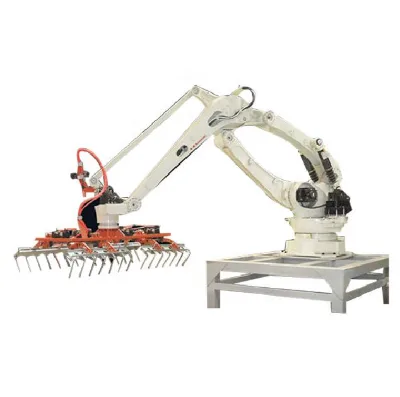
Automatic Case Carton Palletizer Stack Pallet for Food and Beverage Industries
$50841.8429 - $51156.3285
MOQ: 1 sets
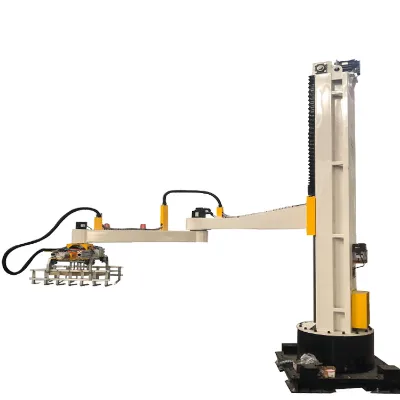
Manufacturers Selling Automatic Column Robot Stable Performance Easy to Operate Robot Palletizer
$14500.00 - $15000.00
MOQ: 1
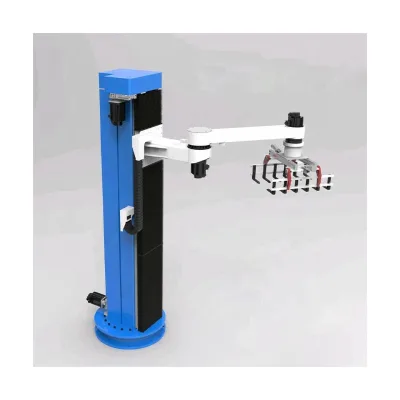
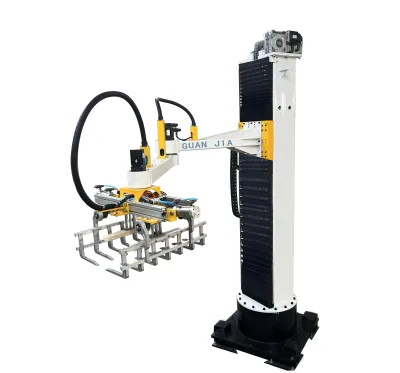

SHANGHAI JOINSUN MACHINERY PROJECT CO., LTD.
- Trading Company
- Shanghai, China
- Lead time15 days
- Avg. response≤ 7h
Main productsConveyors,Label Machine,Palletizing system,End line packaging solution,Bottle (carton) packing machines
Main marketsDomestic Market(35.50%), Oceania(20.00%), Africa(10.00%), Mid East(7.00%), South America(7.00%), Southeast Asia(6.00%), Western Europe(4.50%), North America(4.50%), South Asia(2.00%), Eastern Europe(1.50%), Southern Europe(1.00%), Northern Europe(1.00%)
Shanghai Lilan Packaging Technology Co., Ltd.
- Verified by SGS Group
- Manufacturer, Trading Company
- Lead time65 days
- Avg. response≤ 2h
Main productsCase Packer, Palletizer, Depalletizer, Robot Unscrambler, Retort loading and unloading system
Main marketsDomestic Market(45%), Western Europe(25%), Southeast Asia(15%)
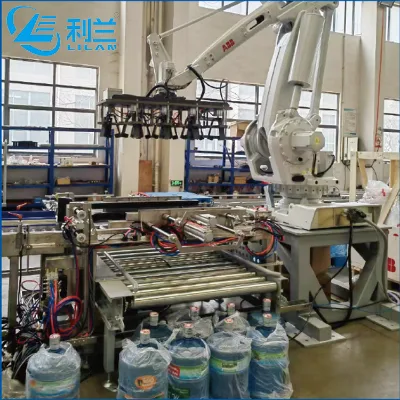
Automatic Palletizer for Water Barrels CE Certificate Labor Saving Robot Palletizer
$23200.00 - $23760.00
MOQ: 1 sets
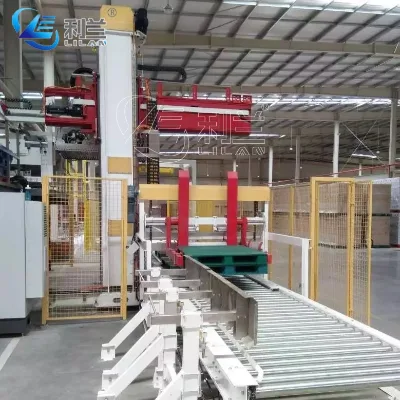
Automatic Film Pack Palletizer in Beverage Water Liquor Industry/Servo Coordinate Palletizer System
$67383.9348 - $72567.3144
MOQ: 1 sets
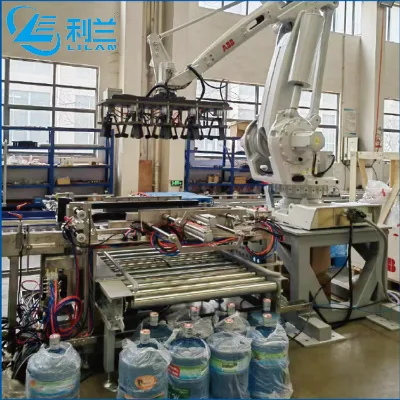
Full Automatic Robot Hand Palletizer 5 Gallon Water Bottle Palletizer
$23200.00 - $23760.00
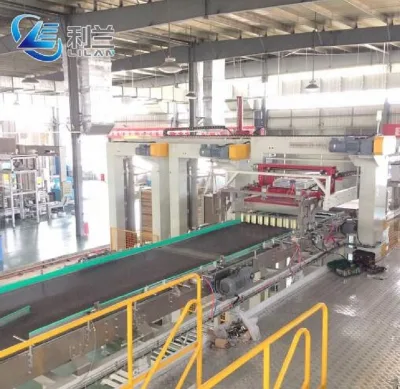
$50000.00 - $70000.00
MOQ: 1 sets
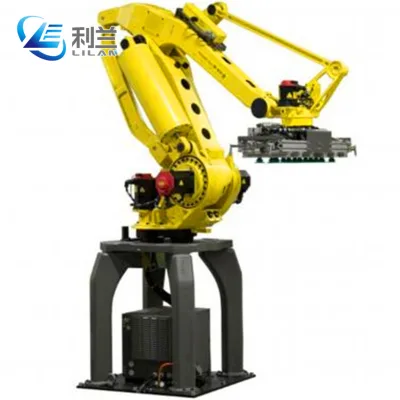
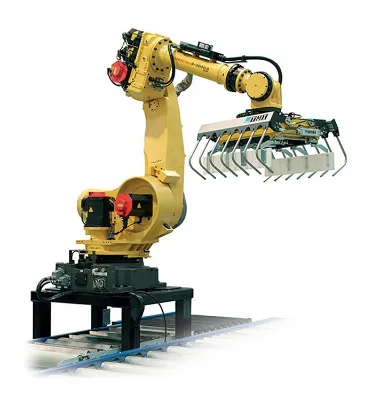
Intelligent Robotic Palletizer Robot for Beer Pallet with Membrane Bag Stack on Pallet
$115000.00 - $120000.00

Shandong Tengyang Intelligent Equipment Co., Ltd
- Verified by TUVRHEINLAND
- Combined
- China Shandong
- Lead time15 days
- Avg. response≤ 1h
Main productsRobot, Industrial Robot, Palletizing Robot, Palletizer, Sweeper, Electric Sweeper, Robot Arm, Robot Palletizer, Priduction Line, Pallet Wrapping Machine
Main marketsDomestic


Boxed Food and Beverage Available Cooperative Robot Palletizer for Automatic Production
$10000.00 - $22000.00
MOQ: 1 Sets

Automatic 4-Axis Electric Robot Box Palletizer for Food and Beverage Industry
$35000.00 - $80000.00
MOQ: 1 Sets


4-Axis Robot Palletizer for Handling in Food and Beverage Industries
$20000.00 - $22000.00
MOQ: 1 Sets
Zhangjiagang Grandee Machinery Co., Ltd.
- Verified by Intertek
- Manufacturer, Trading Company
- Lead time30 days
- Avg. response≤ 4h
Main productsGlass Bottle Filling Machine, 5 Gallon Filling Machine, Carbonation Mixer, Juice Filling Machine, Can Filling Sealing Machine
Main marketsSouth America(30%), Africa(30%), Southeast Asia(10%)

Foshan Masterway Machinery Co., Ltd.
- Verified by TUVRHEINLAND
- Trading Company
- China Guangdong
- Lead time60 days
- Avg. response≤ 2h
Main productsPackaging Machine, Palletizer/Case Erector/Carton Sealer, Coding /Sleeve Labeling machine, Food Packaging Machine, Vffs Packaging Machine, Hffs Packaging Machine, Premade Bag Bagging Machine, Doypack/Standup Pouch packaging Machine, M Shape Bag Packaging Machine, Eight-Side Sealed Bag Packaging
Main marketsSouth America,Eastern Europe,Mid East,North America,Southeast Asia,Eastern Asia,Oceania,Western Europe,Africa
Zhangjiagang Huazhen Machinery Co., Ltd.
- Verified by Intertek
- Trading Company
- Lead time70 days
- Avg. response≤ 2h
Main productsWater Filling Machine, CSD Filling Machine, Juice Filling Machine, Bottle Blowing Machine, Water Treatment System
Main marketsAfrica(36%), Southeast Asia(25%), Mid East(15%)
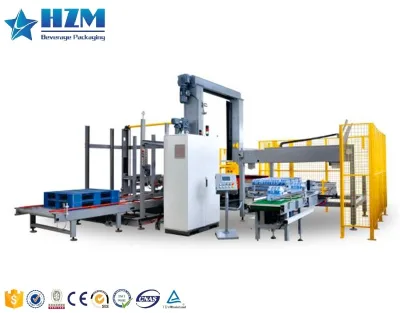
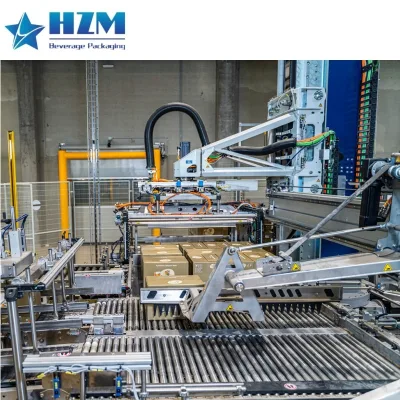
Fully Automatic Carton Palletizer Machine Cardboard Box Palletization System
$30000.00 - $100000.00
MOQ: 1 sets
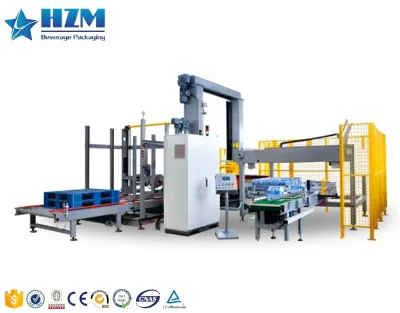
$40000.00 - $100000.00
MOQ: 1 sets
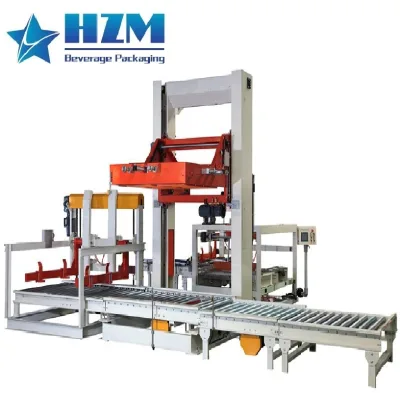
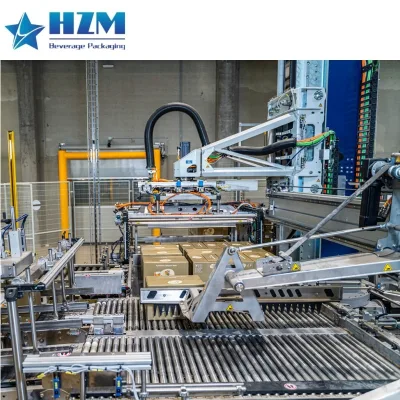
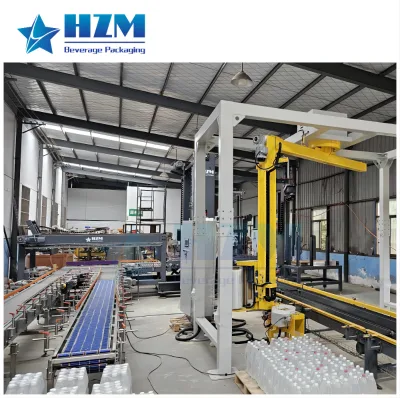
High Speed Palletizing Machine/ Fully Automatic Packing Line
$45000.00 - $55000.00

Luohe Tianheng Machinery Co., Ltd.
- Verified by TUVRHEINLAND
- Combined
- China Henan
- Lead time15 days
- Avg. response≤ 5h
Main productsPackaging Machinery, Grain Machinery, Flour Mill, Oil Press, Food Machinery.
Main marketsSoutheast Asia/ Mideast

Advanced Automatic Beverage Palletizer for Efficient Grain Bag Stacking
$6400.00 - $6500.00
MOQ: 1 Pieces


Ausim Automation Technology (Shanghai) Co., Ltd.
- Trading Company,Manufacturer/Factory
- China Shanghai
- Lead time0 days
- Avg. response≤ 4h
Main productsOrbital Wrapping Machine, Wrapping Machine, Carton Erector, Carton Sealer, Shrink Wrapping Machine, Conveyor, Palletizer, Case Packing Machine
Main marketsSouth America,Eastern Europe,Mid East,North America,Southeast Asia,Eastern Asia,Oceania,Western Europe,Africa
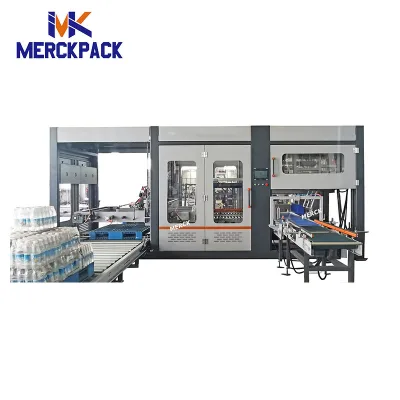




Comprehensive Sourcing Guide
Automatic Food Beverage Palletizer Supplier Concentration and Factory Types
The current supplier landscape for automatic food beverage palletizers reveals a distinct concentration of manufacturing activity within Shandong, China. This regional clustering suggests a mature industrial ecosystem where specialized machinery components, such as PLCs, servos, and reducers, are readily accessible to local producers. Buyers evaluating suppliers should recognize that this geographic concentration often correlates with established supply chains for core mechanical parts, which can influence both production speed and component quality. The presence of manufacturers in this specific province indicates a hub for heavy industrial machinery, where expertise in automated packaging lines is concentrated. When assessing potential partners, understanding this regional focus helps buyers gauge the depth of technical support and the availability of spare parts. It is crucial to verify if a supplier’s facility is indeed located in this cluster, as proximity to component suppliers can reduce lead times and facilitate easier factory audits. The concentration also implies that many suppliers may share similar engineering standards or design philosophies, which can be beneficial for standardizing operations across multiple production lines. However, buyers must still differentiate between suppliers based on their specific technological capabilities rather than assuming uniformity due to location.
Supplier types in this category vary significantly, encompassing both direct manufacturers and trading companies. Direct manufacturers typically offer greater control over production processes, allowing for customizations in voltage, power consumption, and mechanical design. For instance, some suppliers provide machines with specific core components like PLCs and servo motors, which are critical for high-productivity applications. Trading companies, on the other hand, may offer a broader range of products from multiple factories, potentially simplifying the sourcing process for buyers who need diverse packaging solutions. However, trading companies might have less direct oversight over quality control and manufacturing timelines. Buyers should carefully review the company type listed for each supplier to determine the level of direct engagement they can expect. Manufacturers often provide more detailed technical specifications, such as weight, dimensions, and power requirements, which are essential for integrating the palletizer into existing factory layouts. Understanding the supplier’s role helps buyers anticipate the level of technical support and customization flexibility available during the procurement process.
How to Verify Automatic Food Beverage Palletizer Suppliers
Verifying the authenticity and capability of Automatic Food Beverage Palletizer suppliers requires a rigorous examination of provided product evidence and documentation. One critical step is to check for the availability of machinery test reports and video outgoing-inspections. These documents serve as tangible proof that the supplier has conducted quality checks before shipment. Buyers should request these reports directly to ensure they match the specific model number and configuration being ordered. The presence of a machinery test report indicates a commitment to quality assurance, while video inspections allow buyers to visually verify the machine’s assembly and functionality. Additionally, buyers should scrutinize the brand names associated with core components, such as PLCs, motors, and bearings. Reputable suppliers often specify well-known brands for these critical parts, which can be independently verified for authenticity and warranty coverage. This verification process helps mitigate the risk of receiving machines with substandard or counterfeit components that could lead to operational failures.
Another essential verification step involves confirming the supplier’s response time and lead time commitments. A quick response time, such as six hours or less, often indicates a professional sales team that is attentive to buyer inquiries and capable of addressing technical questions promptly. Lead times, which can vary based on order volume and seasonality, should be clearly defined in the supplier’s profile. Buyers should look for specific lead time estimates, such as fifteen days for standard orders, and understand any conditions that might extend this period, such as peak season negotiations. Furthermore, buyers should verify the warranty terms provided, which typically range from two to three years for these types of industrial machines. A clear warranty policy demonstrates the supplier’s confidence in their product’s durability and their willingness to support post-sale issues. By cross-referencing these operational metrics with the supplier’s stated capabilities, buyers can build a more accurate picture of their reliability and professionalism before committing to a purchase.
What to Compare Across Automatic Food Beverage Palletizer Suppliers
When comparing suppliers, buyers should focus on key technical specifications that directly impact operational efficiency and integration. Voltage requirements are a primary differentiator, with options typically including 380 V or 480 V. Buyers must ensure the selected machine matches their facility’s electrical infrastructure to avoid costly modifications. Power consumption is another critical factor, ranging from 10 kW to over 16 kW, which affects long-term energy costs. Additionally, the weight and dimensions of the palletizer, such as 1400 kg to 1600 kg, must be considered for floor loading capacity and spatial planning in the factory. These physical attributes determine whether the machine can be accommodated in the designated production area without structural adjustments. Buyers should also compare the packaging types supported, such as cartons, bottles, barrels, and bags, to ensure the palletizer aligns with their specific product lines. Flexibility in handling different packaging materials, including plastic, paper, and metal, adds value for suppliers offering versatile solutions.
Price and warranty terms are equally important comparison points. Prices for automatic food beverage palletizers can vary significantly, with some models listed around $1,000 to $20,000, depending on complexity and features. Buyers should not solely focus on the lowest price but rather evaluate the value proposition, including the quality of core components and after-sales support. Warranty periods typically range from two to three years, with some suppliers offering video technical support as part of their service package. Buyers should compare the scope of after-sales services, such as whether remote troubleshooting is available or if on-site support is required. Additionally, the automatic grade of the machine, whether fully automatic or semi-automatic, impacts labor requirements and throughput. Suppliers offering high productivity and flexible manufacturing capabilities may command higher prices but offer better long-term ROI. By systematically comparing these technical and commercial attributes, buyers can identify the supplier that best balances cost, performance, and support for their specific needs.
Common Automatic Food Beverage Palletizer Sourcing Risks
One significant risk in sourcing automatic food beverage palletizers is the potential mismatch between advertised specifications and actual machine performance. Buyers may encounter suppliers who provide incomplete or vague product attributes, such as missing details on core components or power requirements. This lack of transparency can lead to unexpected installation challenges or operational inefficiencies. For example, a machine advertised as fully automatic might require significant manual intervention if the PLC programming is not robust. Another risk is the variability in lead times, especially during peak seasons. Suppliers may quote short lead times initially but fail to meet them due to production bottlenecks or supply chain disruptions. Buyers should be cautious of suppliers who do not provide clear lead time estimates or who negotiate terms only after the order is placed. This uncertainty can disrupt production schedules and delay time-to-market for new products.
Quality control inconsistencies pose another major risk, particularly when dealing with trading companies or less established manufacturers. Without direct oversight of the manufacturing process, buyers may receive machines with substandard components or poor assembly quality. The absence of machinery test reports or video outgoing-inspections increases this risk, as there is no independent verification of the machine’s condition before shipment. Additionally, warranty claims can be difficult to enforce if the supplier lacks a robust after-sales support structure. Buyers should be wary of suppliers who offer vague warranty terms or do not specify the coverage for core components like motors and PLCs. Another risk is the compatibility of the palletizer with existing factory systems. If the machine’s voltage or communication protocols do not match the facility’s infrastructure, significant additional costs may be incurred for modifications. Buyers must conduct thorough due diligence to mitigate these risks, ensuring that all technical and commercial terms are clearly defined and verified before finalizing the purchase.
Automatic Food Beverage Palletizer Regional Sourcing and Logistics
Sourcing automatic food beverage palletizers from regional clusters like Shandong, China, offers logistical advantages but also presents specific challenges. The concentration of manufacturers in this area facilitates easier access to component suppliers and skilled labor, which can streamline production. However, buyers must account for the transportation logistics involved in shipping heavy machinery. Palletizers typically weigh between 1,400 kg and 1,800 kg, requiring specialized freight solutions to ensure safe delivery. Buyers should verify the supplier’s experience in international shipping and their ability to handle customs clearance and documentation. The dimensions of the machine, such as 4000x1000x1000 mm, also impact packaging and container loading efficiency. Efficient packaging is crucial to prevent damage during transit, so buyers should inquire about the packaging materials used, such as wooden crates or steel frames. Understanding the logistical requirements helps buyers plan for installation and integration more effectively.
Regional sourcing also influences the availability of local support and spare parts. Suppliers in established manufacturing hubs often have better networks for sourcing replacement components, which can reduce downtime in case of mechanical failures. Buyers should assess the supplier’s ability to provide timely technical support, including video assistance or on-site visits. The response time of the supplier, such as six hours or less, is a key indicator of their commitment to customer service. Additionally, buyers should consider the impact of regional trade policies and tariffs on the final cost of the machinery. Understanding these logistical and support factors allows buyers to make informed decisions about their sourcing strategy. By prioritizing suppliers with strong logistical capabilities and robust support structures, buyers can minimize disruptions and ensure a smooth installation and operation of their new palletizers.
Automatic Food Beverage Palletizer Commercial Terms and Order Planning
Effective order planning for automatic food beverage palletizers requires careful attention to commercial terms and payment structures. Buyers should negotiate clear payment terms that align with their cash flow needs, such as deposits and balance payments upon shipment. It is essential to confirm the minimum order quantity (MOQ) requirements, although many suppliers offer single-item purchases for these machines. Understanding the pricing structure, including any additional costs for customization or shipping, helps avoid unexpected expenses. Buyers should also clarify the warranty terms, ensuring they cover both parts and labor for a specified period, typically two to three years. Clear commercial terms reduce the risk of disputes and ensure a smooth transaction process. Additionally, buyers should verify the supplier’s ability to provide necessary documentation, such as certificates of origin and compliance reports, which may be required for customs clearance.
Order planning should also consider the integration timeline and training requirements. Buyers need to coordinate the delivery of the palletizer with their factory’s readiness, including electrical and structural preparations. Suppliers who offer video technical support or detailed installation manuals can facilitate a smoother setup process. Buyers should inquire about the availability of training for their operational staff to ensure efficient use of the machine. Furthermore, understanding the supplier’s policy on spare parts and maintenance services is crucial for long-term operational continuity. By planning for these commercial and logistical aspects, buyers can ensure that their investment in automatic food beverage palletizers yields the expected productivity and efficiency gains. Clear communication and detailed planning are key to successful procurement and implementation of these critical packaging assets.
FAQs
What is the typical lead time for an Automatic Food Beverage Palletizer?
Lead times around 15 days are listed by manufacturers in the current results, though exact schedules can vary by model and order volume. Peak-season orders may require negotiation on timing. Always confirm the lead time in writing before placing an order, and ask whether installation, testing, and shipping time are included in the quoted schedule.
Where are these palletizer suppliers located?
The suppliers in the current results are located in Shandong, China, which is a major hub for packaging and industrial machinery production. Sourcing from this region can offer access to a concentrated supply chain for palletizers and filling lines. Buyers should verify the registered address and factory capabilities directly, since some companies operate as trading companies rather than manufacturers.
How quickly do these suppliers respond to buyer inquiries?
Response times in the current results range from about 3 to 6 hours, which indicates reasonably fast initial contact. Response speed at the inquiry stage does not guarantee the same pace during technical discussions or after-sales support. Test responsiveness by sending detailed technical questions and comparing how completely and promptly each supplier replies before committing.
What price range should I expect for an automatic palletizer?
Listed prices in the current results range from roughly 1,399 to 20,000 US dollars per unit, depending on model, capacity, and automation level. Low prices may reflect smaller or simpler machines, while articulated and full-case systems sit at the higher end. Request itemized quotes covering configuration, shipping, and installation to compare offers accurately.
Do palletizers come with a warranty and machinery test report?
Several listed models include warranties of two to three years, and machinery test reports are noted as provided on some listings. Warranty terms and test documentation should be confirmed in the purchase contract, not assumed from a listing. Ask which components are covered, whether labor is included, and request the test report before shipment or final payment.
What power and voltage requirements do these palletizers have?
Most listed palletizers operate on 380 V power, with some models supporting 480 V, and power ratings ranging from about 10 to 16.7 kW. Check that your facility's electrical supply matches the machine specification before ordering. Suppliers can often adjust voltage configurations, so state your local requirements clearly during technical discussion to avoid costly modifications after delivery.
What packaging types can an Automatic Food Beverage Palletizer handle?
Listed machines handle cartons, cans, bottles, barrels, bags, cases, and film-wrapped bundles, with packaging materials spanning plastic, paper, metal, glass, and wood. Food and beverage applications are common, including carbonated drinks, juices, and tea in PET bottles. Confirm that the specific carton or crate size and weight of your products fall within the machine's stated handling range.
Are these suppliers manufacturers or trading companies?
The current results show a mix: one supplier is listed as both a manufacturer and trading company, while another is a trading company. Manufacturer status often means better customization and pricing, while trading companies may offer broader product ranges. Verify business licenses, factory audits, or video inspections to confirm which role a supplier actually plays before negotiating.