Source Electric Water Bottling Machine for Beverage, Food, and Juice
Compare 30 electric water bottling machines from verified suppliers in Zhangjiagang. These fully automatic units support various capacities and handle water, beer, oil, and juice filling with PLC control and CE certification; compare the available evidence and request quotations based on your requirements.
Updated
Key considerations
Products List






Comprehensive Sourcing Guide
Electric Water Bottling Machine Sourcing Guide
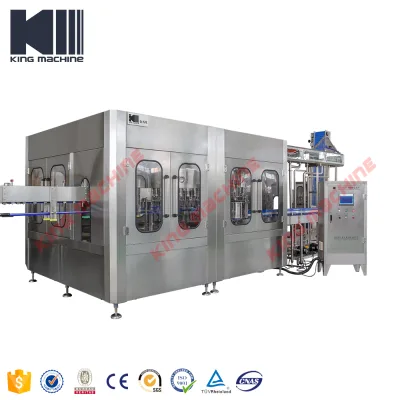
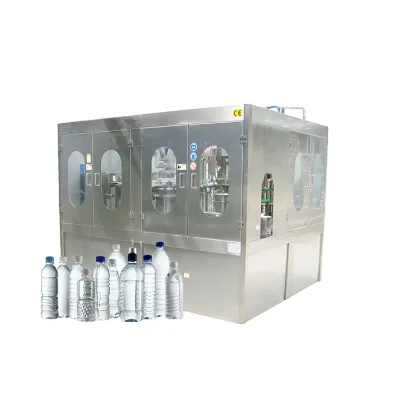
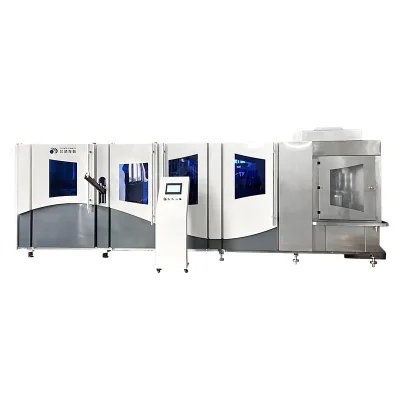
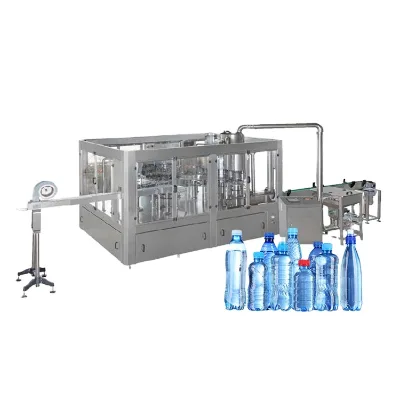
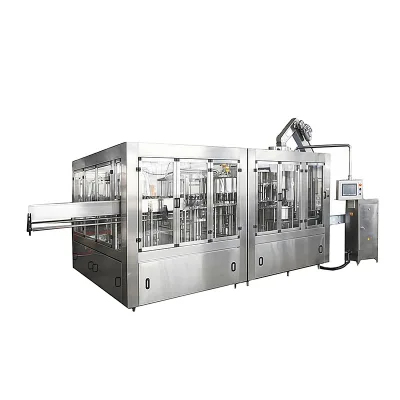
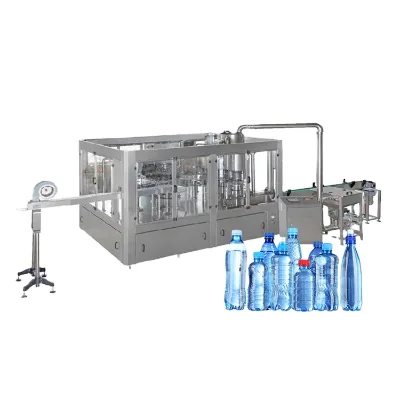
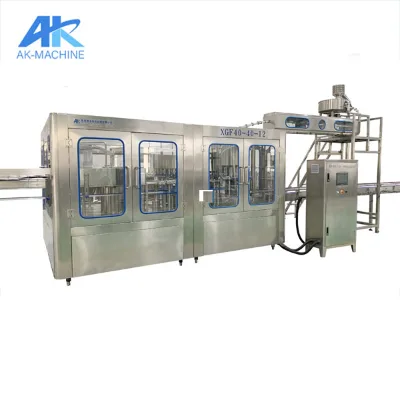
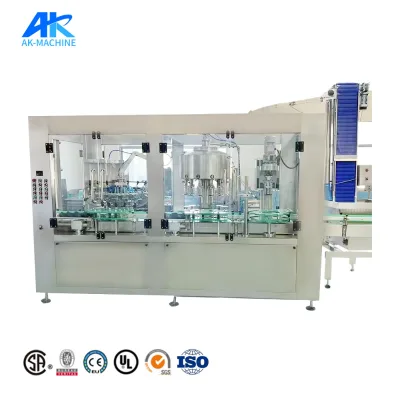
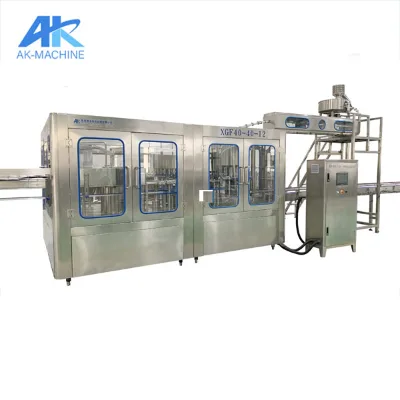
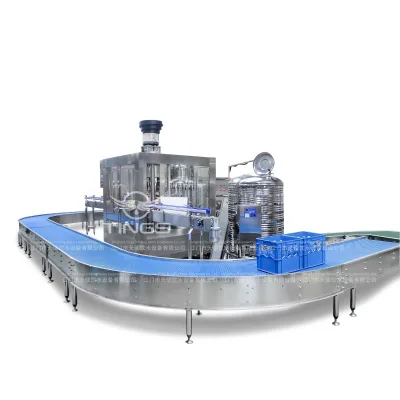
The Electric Water Bottling Machine market presents a diverse range of fully automatic rotary systems designed for high-volume beverage production. These units typically feature multi-head filling valves and negative pressure or atmospheric pressure principles to ensure precise dosing of liquids like water, juice, and oil. Buyers should note that the observed listing signals indicate a strong focus on monoblock configurations that integrate washing, filling, and capping into a single streamlined line.
Procurement decisions must account for the specific structural requirements of the production line, such as chute lifting or pneumatic lifting mechanisms for packaging containers. The machinery is generally constructed from high-grade stainless steel, specifically SUS304 or SUS316L, to meet hygiene standards for food and beverage applications. Understanding these structural and material distinctions is critical before engaging with suppliers to ensure the selected equipment matches the intended throughput and bottle types.
Product Scope and Observed Listing Signals
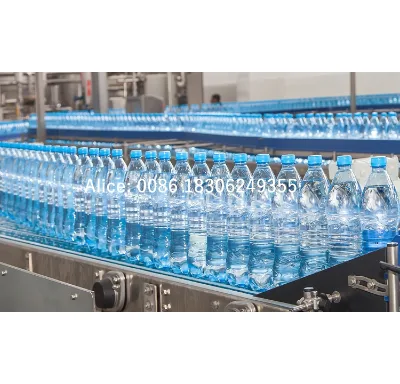
Current market listings for electric water bottling machines reveal a wide capacity spectrum, ranging from 1,000 bottles per hour up to 20,000 bottles per hour. This variability allows buyers to select a unit that aligns precisely with their current production needs without over-investing in unnecessary capacity. The observed data confirms that these machines are versatile, capable of handling various packaging materials including plastic, metal, and glass bottles, as well as cans and barrels.
Buyers must verify the specific filling principle and dosing device type, as listings show both plunger and multi-head configurations operating under different pressure systems. The product scope also includes complete water filling lines that function as automatic water machines, often featuring PLC control systems for streamlined operation. It is essential to confirm whether the specific listing supports the desired bottle types, such as PET or glass, to avoid compatibility issues during installation.
Technical Specifications to Verify
Technical due diligence requires a close examination of the voltage and driven type specifications to ensure compatibility with local power infrastructure. Most observed units operate on 380V/50HZ electric power, which is standard for industrial machinery in many regions, but verification is necessary to prevent electrical failures. The control systems are frequently equipped with Siemens PLCs and touch screens, providing an interface that is easy to operate for production staff while maintaining high precision.
The mechanical structure of the machine, often described as rotary or monoblock, dictates the efficiency of the filling process and the overall footprint of the installation. Buyers should confirm the feed cylinder structure, noting that multi-room feeding systems are common for handling high volumes efficiently. Additionally, the filling system is often described as all-closed micro-pressure filling, which is crucial for maintaining product quality and preventing contamination during the bottling process.
Compliance and Safety Documentation
Safety and regulatory compliance are paramount when sourcing industrial bottling equipment, with CE, ISO, and UL standards frequently cited in product listings. These certifications indicate that the machinery meets specific international safety and quality benchmarks, which is essential for operations in regulated markets. Buyers must request valid certification documents from the supplier to verify that the specific unit being purchased adheres to these standards rather than relying on general claims.
Quality assurance documentation should also include video outgoing inspection reports, which provide visual evidence of the machine's condition before shipment. This step is vital for remote procurement to ensure that the equipment has been tested and functions correctly prior to leaving the factory. The warranty period is typically listed as one year or 12 months, offering a baseline for post-installation support and repair coverage in case of early mechanical failures.
Cost Drivers and Commercial Terms
The price range for electric water bottling machines is substantial, with observed listings spanning from 2,000 to 800,000 USD depending on capacity and configuration. This wide variance is driven by factors such as the number of filling heads, the complexity of the control system, and the specific materials used in construction. Buyers should be prepared for significant capital expenditure and must align their budget with the required production speed, such as 4,000 or 12,000 bottles per hour.
Commercial terms often include a minimum order quantity of one unit, allowing for flexible procurement strategies for small to medium enterprises. Packaging for these heavy machines typically involves seaworthy wooden cases plus wrapping film or standard export packages to ensure safe transit. It is crucial to clarify the Incoterms and shipping responsibilities, as the machinery originates from Zhangjiagang, Jiangsu, China, and requires specialized logistics for international delivery.
Supplier Qualification and Quality Control
Supplier qualification should focus on verifying the origin of the machinery, with Zhangjiagang, Jiangsu, China, being a primary manufacturing hub for this equipment. Buyers must assess the supplier's ability to provide customization services, as many listings indicate that machines can be tailored to specific production line requirements. The availability of video outgoing inspections is a key indicator of a supplier's transparency and commitment to quality control before the goods leave the factory.
Quality control processes should also include a review of the main material specifications, ensuring that the machine is built with SUS304 or SUS316L stainless steel. This material choice is critical for preventing corrosion and ensuring the longevity of the equipment in a wet, high-hygiene environment. Buyers should request detailed material certificates and verify that the automatic grade of the machine matches the claimed fully automatic or automatic status to avoid operational bottlenecks.
Long-Term Procurement Checks
Long-term procurement success depends on establishing a clear warranty framework and understanding the scope of after-sales support provided by the supplier. The standard warranty period of one year or 12 months should be explicitly defined in the contract, covering parts and labor for any manufacturing defects. Buyers should also inquire about the availability of spare parts and the technical support response time to minimize downtime during the machine's operational life.
Future scalability is another critical factor, as the machinery capacity can range from 1,000 to 20,000 bottles per hour, allowing for potential production expansion. Buyers should verify if the current model can be upgraded or if a modular approach is available to increase throughput without replacing the entire line. Regular maintenance checks and the availability of video inspection reports for future shipments will help maintain the machine's performance and extend its service life.
FAQs
What is the filling principle for this Electric Water Bottling Machine?
The machine utilizes negative pressure and atmospheric pressure filling principles to ensure accurate dosing. It features a multi-head filling valve and a plunger dosing device. This rotary structure supports fully automatic operation, making it suitable for various liquid types including water, juice, and oil in plastic or glass containers.
Can the Electric Water Bottling Machine be customized for specific needs?
Yes, customization is available for this Electric Water Bottling Machine. Buyers can select from multiple capacity options such as 4000BPH, 8000BPH, or 12000BPH. The system allows for tailored packaging solutions including cans, bottles, and barrels, ensuring the equipment matches specific production requirements and container types effectively.
What certifications does the Electric Water Bottling Machine hold?
The Electric Water Bottling Machine holds CE, ISO, and UL certifications. These standards ensure compliance with international safety and quality regulations. The equipment is manufactured in Zhangjiagang, Jiangsu, China, and undergoes video outgoing inspections to verify performance before shipment, providing buyers with confidence in the machinery's reliability and operational safety.
How is the Electric Water Bottling Machine packaged for shipping?
The machine is packaged in seaworthy wooden cases plus wrapping film or standard export packages. This robust packaging protects the rotary structure and PLC control systems during transit. The packaging ensures the equipment arrives safely, ready for installation, while maintaining the integrity of sensitive components like the Siemens touch screen and pneumatic lifting structures.
What is the warranty period for the Electric Water Bottling Machine?
The Electric Water Bottling Machine comes with a one-year warranty and a twelve-month guarantee. This coverage applies to the fully automatic operation and main materials like SUS304 or SUS316L. Buyers receive video outgoing inspections and support, ensuring that the machinery meets performance expectations for beverage water bottling applications from the start of operations.