Source Automatic Leather Strip Cutting Machine for Metal, Paper, Fabric
Find 30 automatic leather strip cutting machines from verified Chinese suppliers. Compare specifications, prices, and customization options for metal, paper, and fabric applications to find the right solution for your production needs; compare the available evidence and request quotations based on your requirements.
Updated
Key considerations
Products List


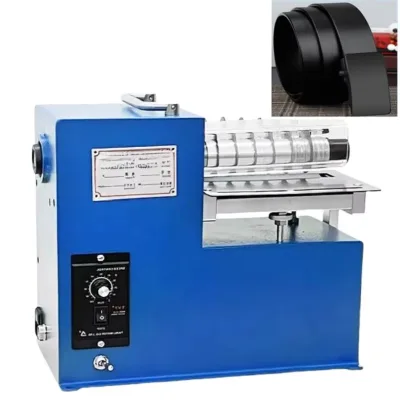
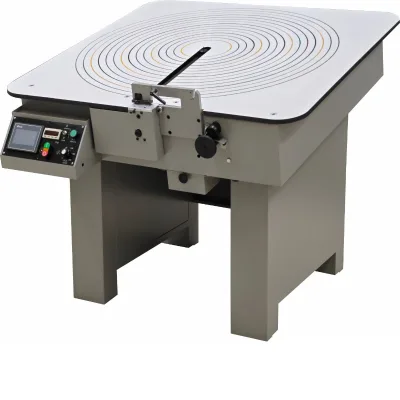
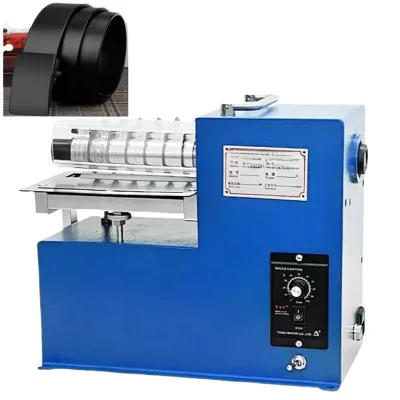
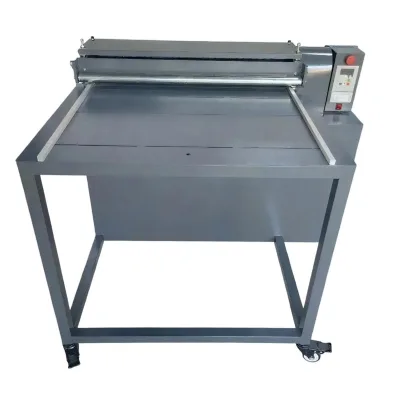
Semi-Automatic Leather Cutting Machine Leather Cutting Strip Machine for Shoe Clothing Leather Cut
$313.6478 - $436.3784
MOQ: 1 Minimum
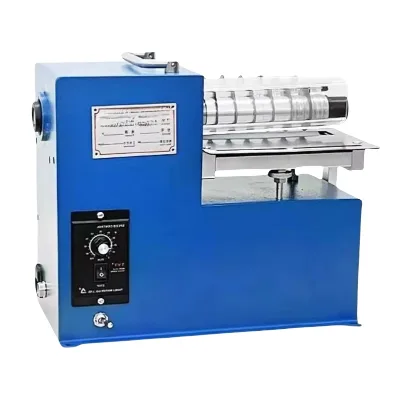
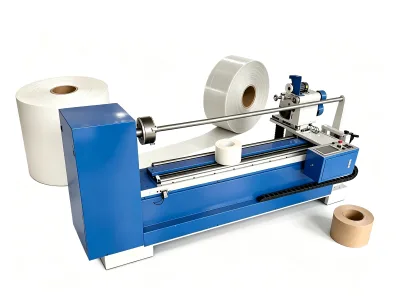
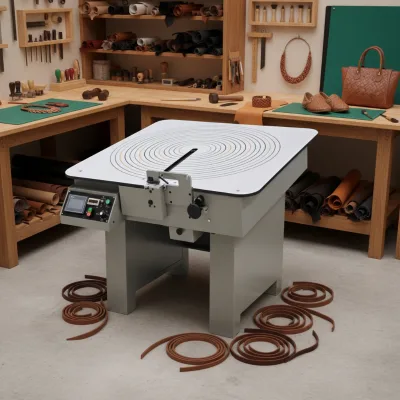
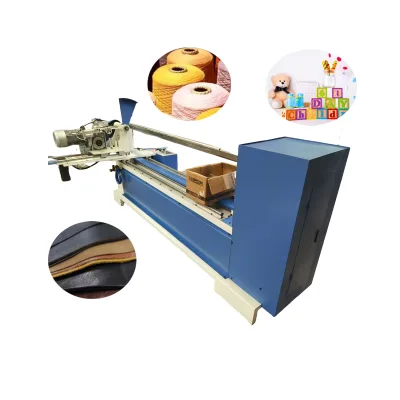




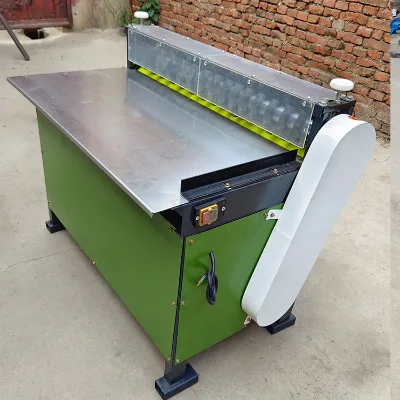
Hot Sell Automatic Machine for Cutting Strip of Fur Leather Cutting Machine
$10000.00 - $21000.00
MOQ: 1 Pieces

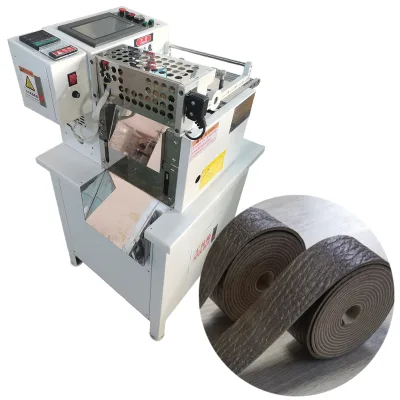
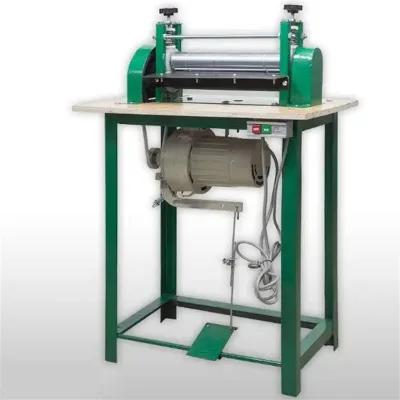
High Precision Automatic Knife Cutting Machine Fabric Strip Cutting Machine for Sale
$12000.00 - $21000.00
MOQ: 1 Pieces

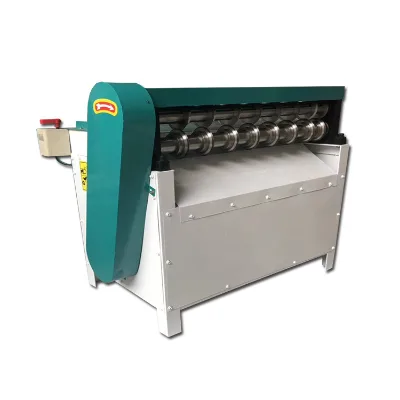
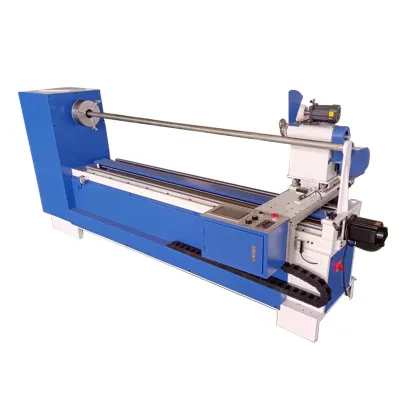
Automatic CNC Equipment Leather Belt Cutter Machine for Leather Cutting
$13000.00 - $20000.00
MOQ: 1 Pieces


Comprehensive Sourcing Guide
Automatic Leather Strip Cutting Machine Sourcing Guide
Sourcing an Automatic Leather Strip Cutting Machine requires careful evaluation of automation levels and material handling capabilities. Buyers must distinguish between fully automatic systems and semi-automatic variants, as the latter may still require manual intervention for loading or unloading. The observed market includes machines with automatic grades that promise high-speed performance, yet verification of the actual control system is essential. Understanding whether the machine operates on a gantry style or a different configuration helps align the purchase with existing factory floor layouts.
Procurement teams should also assess the power source and voltage requirements to ensure compatibility with local infrastructure. Most listed units operate on electric power, often at 220v, but industrial settings may require different specifications. The customization options available, such as specific cutting widths or blade types, allow for tailored solutions. However, buyers must confirm that these customizations do not compromise the machine’s structural integrity or operational safety. Clear communication with suppliers regarding these technical nuances prevents costly integration errors during installation.
Product Scope and Observed Listing Signals
The current market landscape for automatic leather strip cutting machines reveals a diverse range of product attributes and specifications. Listings frequently highlight features such as automatic control systems, CE certification, and new condition status. These signals indicate a mature supply chain focused on modern manufacturing standards. Buyers should note that while many products claim high-speed capabilities, the actual performance metrics vary significantly between models. The presence of core components like PLCs and motors suggests a reliance on automated logic for precise cutting operations.
Observed listing data also points to specific model numbers and dimensions that define the physical footprint of these machines. For instance, some units are compact, measuring around 435185315mm, while others are larger gantry-style systems. The packaging types, ranging from wooden boxes to standard export packaging, reflect the need for safe transit. Additionally, the variety of applications, including metal and paper cutting, indicates that some machines are multi-purpose. Buyers must carefully filter these listings to identify units specifically optimized for leather processing, ensuring the blade and mechanism are suitable for the material’s density and texture.
Technical Specifications to Verify
Verifying technical specifications is critical to ensuring the machine meets production demands. Buyers should prioritize the verification of cutting speed, with some models claiming speeds up to 1200rmp. It is essential to confirm whether this speed is sustainable under continuous load and how it affects cut quality. The dimension of the machine, such as 290013201350mm for larger units, must be cross-referenced with available floor space. Additionally, the weight of the machine, which can range from 18kg to 630kg, impacts installation requirements and foundation stability.
The type of cutting tools, typically blades, must be evaluated for durability and ease of replacement. Buyers should inquire about the availability of spare parts and the lifespan of the cutting edges. The power consumption, often listed around 40w for smaller units, should be compared against larger industrial models to estimate operational costs. Furthermore, the working type, such as fabric strip cutting or leather belt strip cutting, must align with the specific product line. Confirming these details prevents mismatches between machine capabilities and production goals, ensuring efficient workflow integration.
Compliance and Safety Documentation
Compliance with safety standards is non-negotiable when sourcing industrial cutting equipment. The presence of CE certification in many listings is a positive indicator, but buyers must verify the validity and scope of these certificates. Documentation should include detailed safety manuals, emergency stop procedures, and guard specifications to protect operators from moving parts. The machinery test reports provided by some suppliers offer additional assurance of quality and reliability. Buyers should request these reports to understand the testing conditions and results before finalizing a purchase.
Warranty terms are another crucial aspect of compliance and risk management. A standard one-year warranty is common, but buyers should clarify what components are covered and the response time for service requests. Understanding the warranty conditions helps in budgeting for potential maintenance costs. Additionally, buyers should ensure that the machine’s electrical components meet local safety regulations, including proper grounding and insulation. Clear documentation of these compliance aspects protects the buyer from legal liabilities and ensures a safe working environment for employees.
Cost Drivers and Commercial Terms
Cost drivers for automatic leather strip cutting machines include the level of automation, material quality, and customization options. Fully automatic systems with advanced PLC controls typically command higher prices than semi-automatic alternatives. Buyers should also consider the cost of additional features, such as specialized blades or extended cutting widths. The observed price range of 1-21000 USD reflects this variability, with higher-end models offering more sophisticated features. Understanding these drivers helps in setting realistic budget expectations and comparing quotes accurately.
Commercial terms, including MOQ and lead times, significantly impact procurement planning. While some suppliers offer low MOQs, others may require larger orders to achieve competitive pricing. Lead times can vary based on customization requirements and production schedules. Buyers should negotiate clear terms regarding payment methods, shipping responsibilities, and installation support. Transparent communication about these commercial aspects prevents unexpected costs and delays. Additionally, buyers should consider the total cost of ownership, including energy consumption and maintenance, to make informed financial decisions.
Supplier Qualification and Quality Control
Supplier qualification is a vital step in mitigating procurement risks. Buyers should assess the supplier’s manufacturing capabilities, quality control processes, and after-sales support. The place of origin, often Guangdong or Henan in China, can provide insights into the supplier’s industrial ecosystem. Suppliers with established production capacities, such as 80m/min for related machinery, may offer more reliable delivery schedules. Buyers should request references or case studies to verify the supplier’s track record in delivering similar equipment.
Quality control measures, such as machinery test reports and core component inspections, are essential indicators of product reliability. Buyers should inquire about the testing procedures used to ensure the machine meets specified performance standards. The provision of detailed documentation, including assembly instructions and maintenance guides, reflects the supplier’s commitment to customer support. Additionally, buyers should verify the supplier’s ability to provide timely spare parts and technical assistance. A robust quality control framework ensures that the purchased machine performs consistently and minimizes downtime.
Long-Term Procurement Checks
Long-term procurement checks focus on sustainability and operational efficiency. Buyers should evaluate the machine’s energy efficiency and maintenance requirements to estimate long-term operational costs. Regular maintenance schedules and the availability of consumables, such as blades, are crucial for uninterrupted production. Buyers should also consider the machine’s adaptability to future production changes, such as different material types or strip widths. Flexibility in customization options can extend the machine’s useful life and reduce the need for frequent replacements.
Monitoring supplier performance over time is equally important. Buyers should establish key performance indicators, such as response time to service requests and quality of spare parts. Regular reviews of the machine’s performance against initial specifications help identify any degradation in quality. Additionally, staying informed about technological advancements in cutting machine technology can inform future upgrade decisions. By maintaining a proactive approach to procurement and supplier management, buyers can ensure their automatic leather strip cutting machines continue to deliver value and support business growth.
FAQs
What is the typical power consumption for an Automatic Leather Strip Cutting Machine?
The typical power consumption is 40 watts, operating on a 220v electric power source. This low energy usage ensures efficient daily operation without excessive utility costs. The machine is designed for continuous performance while maintaining a compact footprint suitable for various workshop environments and production lines.
Can I customize the cutting width for specific leather strip requirements?
Yes, customization is available for the cutting width to meet specific production needs. While standard models may offer fixed dimensions, manufacturers can adjust the cutting width to accommodate different leather strip sizes. This flexibility allows businesses to optimize material usage and reduce waste during the cutting process.
What core components ensure reliable operation of the automatic cutting machine?
The machine relies on a PLC and motor as core components to ensure reliable and precise operation. These elements work together to automate the cutting process, maintaining consistent speed and accuracy. The PLC controls the logic, while the motor provides the necessary power for high-speed cutting tasks.
What is the warranty period for an Automatic Leather Strip Cutting Machine?
The standard warranty period is one year, covering manufacturing defects and component failures. This warranty provides buyers with assurance regarding the machine's durability and performance. It typically includes support for repairs or replacements of faulty parts within the specified timeframe, ensuring minimal downtime for operations.
How is the machine packaged for safe international shipping?
The machine is packaged in a wooden box or standard export packaging to ensure safe transit. This robust packaging protects the equipment from damage during handling and long-distance shipping. The secure packing method helps maintain the machine's condition, ensuring it arrives ready for installation and immediate use upon delivery.
What is the origin of most automatic leather strip cutting machines?
Most automatic leather strip cutting machines originate from China, particularly from regions like Guangdong and Henan. These areas are known for their manufacturing capabilities and supply chain efficiency. Buyers often source these machines from Chinese factories due to competitive pricing and advanced technological integration in the production process.