Car Tyre Baler Suppliers and Manufacturers in China
Explore 20 verified Car Tyre Baler options from manufacturers and trading companies in Jiangsu, China. Compare response times, lead times, certifications, and pricing to find the right fit. Contact suppliers directly to request machinery test reports and warranty details; review the available evidence before requesting comparable quotations from suitable candidates.
Updated
Suppliers List
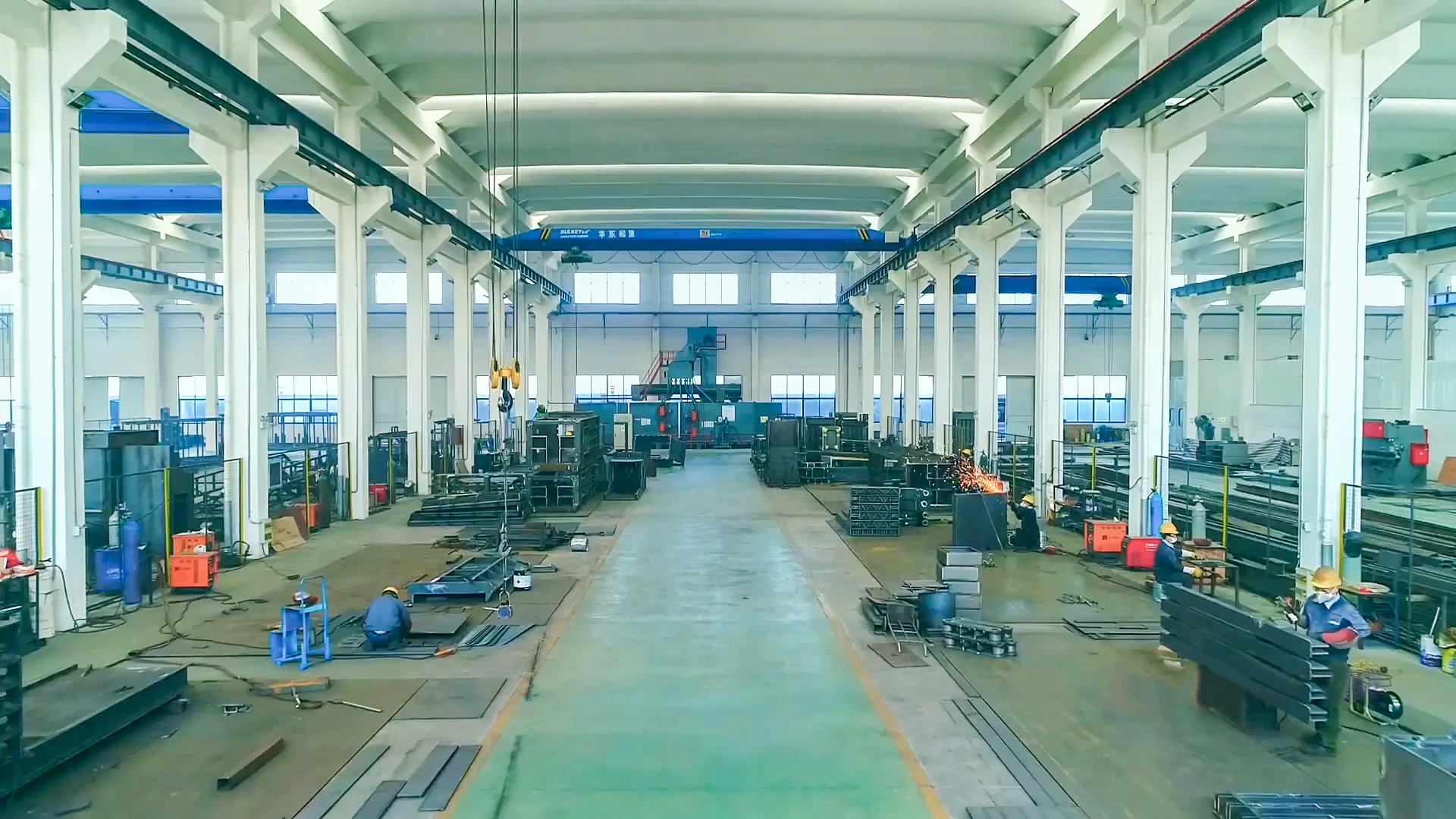
Jiangyin Aupu Machinery Co., Ltd.
- Verified by SGS Group
- Manufacturer, Trading Company
- Lead time15 days
- Avg. response≤ 7h
Main productsMetal Baling Machine, Hydraulic Baling Machine, Shearing Machine/Shearing Baler, Shredder Machine, Metal Briquetting Press
Main marketsSouth America(20%), North America(10%), Eastern Europe(10%)
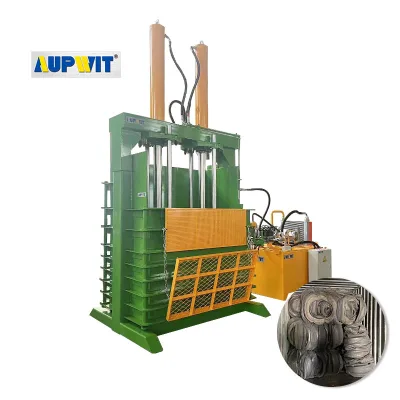
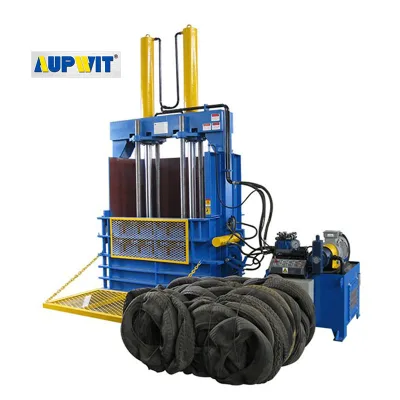
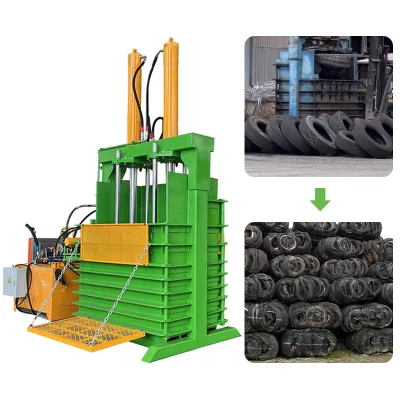
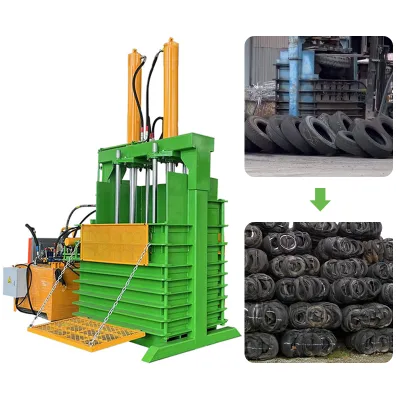
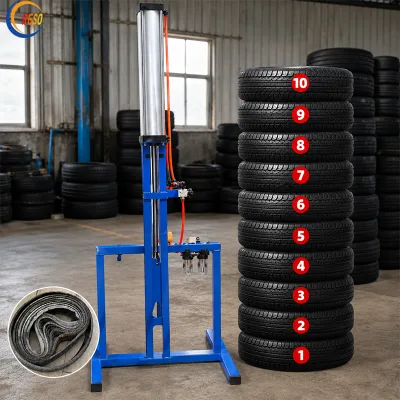
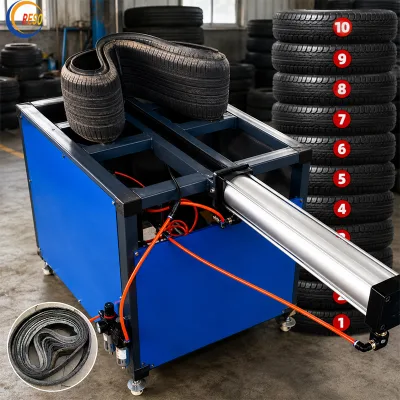
Tire Baing Press Machine Tyre Baler
$13500.00 - $14500.00
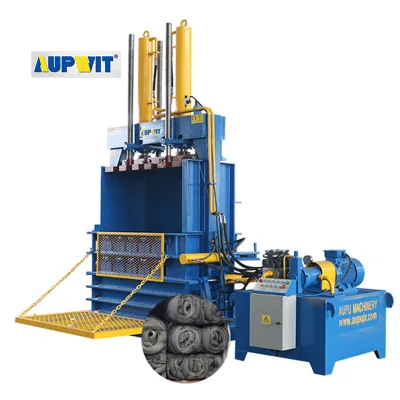
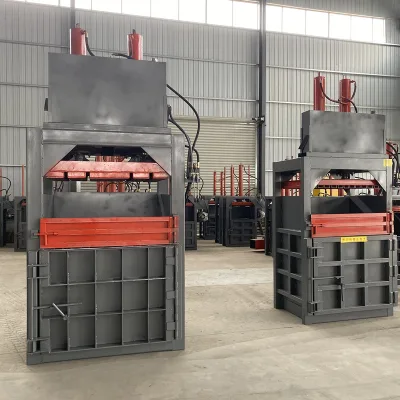
Vertical Hydraulic WasteTire Baling Press Machine Tyre Baler
$16000.00 - $17600.00
Nantong Jiabao Machinery Co., Ltd.
- Manufacturer
- Jiangsu, China
- Lead time30 days
- Avg. response≤ 4h
Main productsHydraulic Baler Machine,baler machine,waste paper baler,vertical baler machine,automatic baler machine
Main marketsDomestic Market(40.00%), Mid East(20.00%), Southeast Asia(20.00%), North America(5.00%), Western Europe(5.00%), Eastern Europe(5.00%), South America(5.00%)
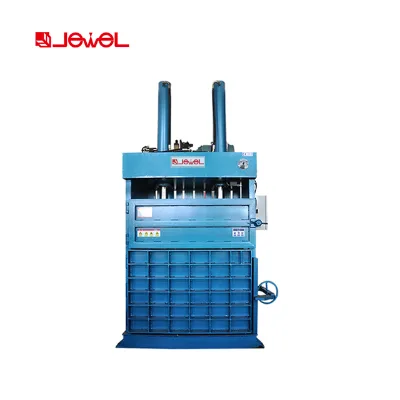
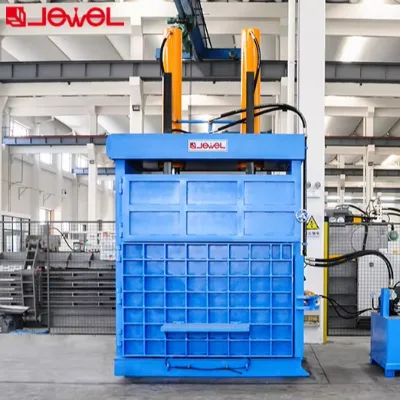
Heavy Duty Vertical Baling Machine for Hard Plastics Car Tires Metal Scrap
$8745.1517 - $14403.7793
MOQ: 1 Minimum
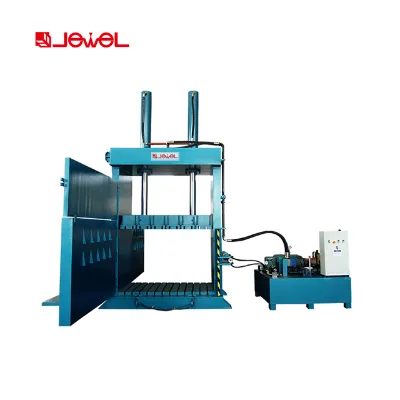
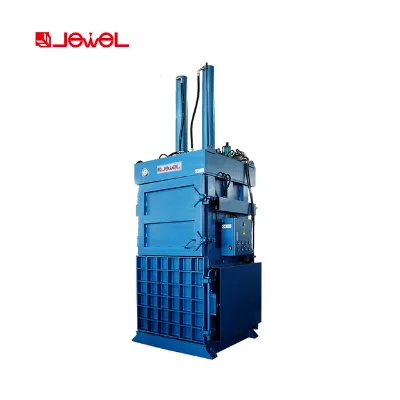
High Efficiency Split Type Heavy Duty Vertical Baler for Tires with Easy Operation
$18268.3781
MOQ: 1 Minimum

Zhengzhou Jili Machinery Co., Ltd.
- Trading Company
- Henan, China
- Lead time30 days
- Avg. response≤ 1h
Main productsConstruction Machinery,Mining Machinery,Road Machinery,Wood Working Machinery,package Machinery
Main marketsDomestic Market(55.00%), South Asia(8.00%), Africa(8.00%), Mid East(6.00%), Eastern Asia(4.00%), Southeast Asia(4.00%), North America(3.00%), South America(3.00%), Northern Europe(2.00%), Central America(2.00%), Oceania(2.00%), Western Europe(1.00%), Eastern Europe(1.00%), Southern Europe(1.00%)
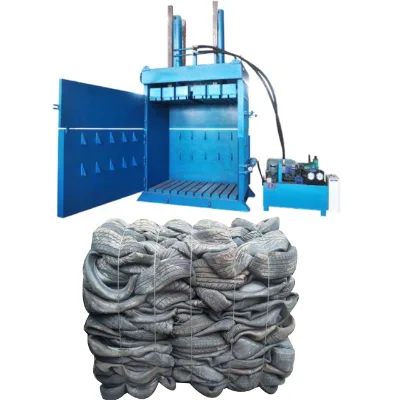
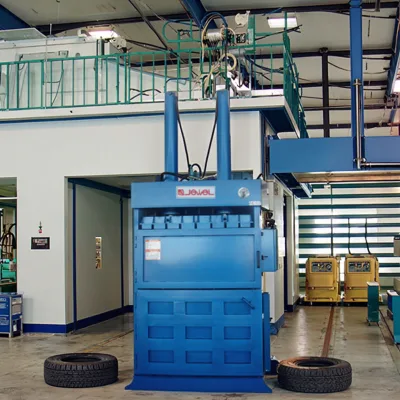
Factory Supply Tire Baler Tyre Baler
$2000.00 - $4000.00
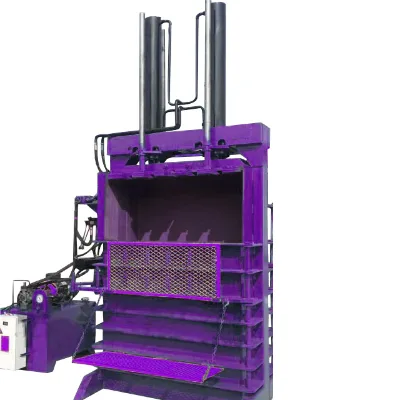
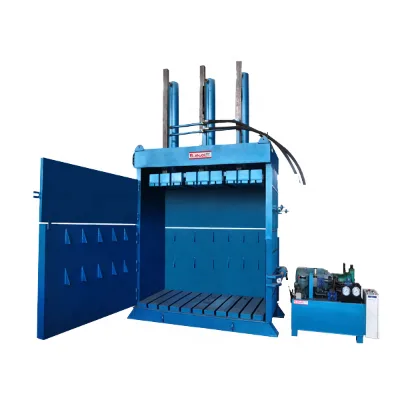
Multi - Function Vertical Tire Baler Machine Tyre Baling Machine
$10000.00 - $15000.00
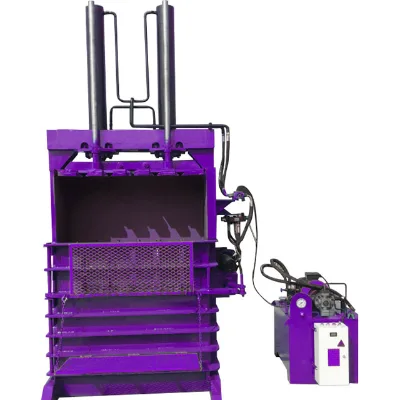
New Arrival Full Automatic/auto Tyre Steel Wire Baler
$10000.00 - $15000.00
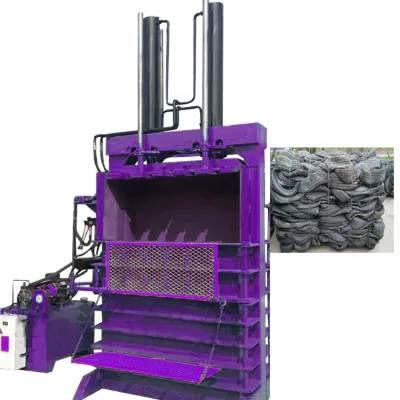
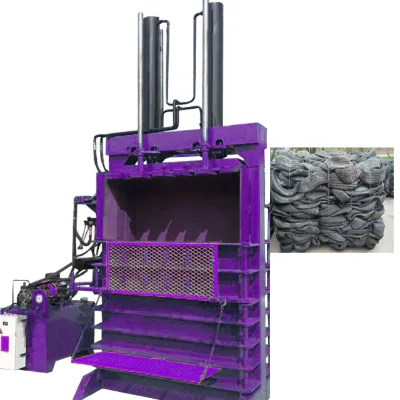
$10000.00 - $15000.00
MOQ: 1 sets
Gongyi UT Machinery Trade Co., Ltd.
- Manufacturer, Trading Company
- Henan, China
- Lead time7 days
- Avg. response≤ 4h
Main productsHydraulic and Mechanical Press Machine,Baler Press Machine,Briquette Press machine,Wire Cable Machine,Crusher and Shredder Machine
Main marketsCentral America(11.00%), Southeast Asia(10.00%), North America(10.00%), South America(10.00%), Eastern Europe(9.00%), Oceania(9.00%), Southern Europe(8.00%), Mid East(8.00%), Northern Europe(6.00%), Africa(6.00%), Eastern Asia(5.00%), Western Europe(5.00%), South Asia(3.00%)
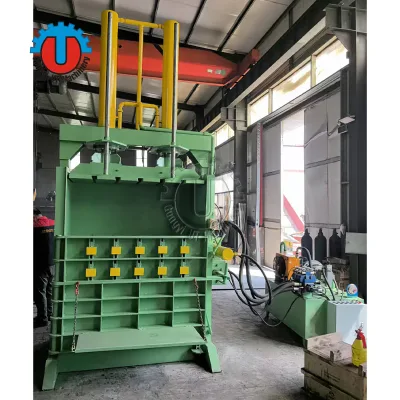
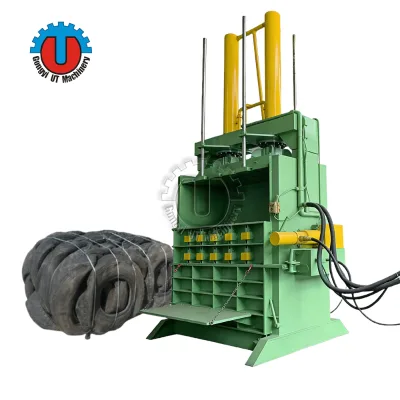
High Compression Force Optimized Heavy Duty Baler for Tyre Balers
$16269.2597 - $17190.1612
MOQ: 1 sets
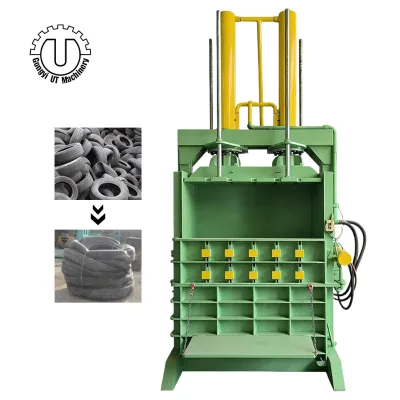
Vertical Hydraulic Scrap Tyre Baler for Sale
$8600.00 - $9800.00
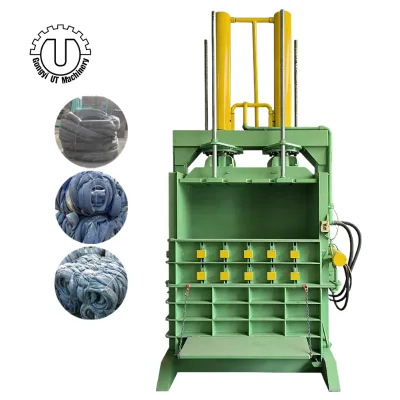
Tire Baler Machine Truck Tire Balers Car Tire Baling Press
$8600.00 - $9800.00
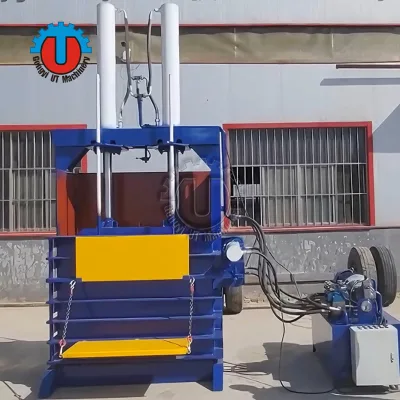
Henan Paibo Machinery Co., Ltd.
- Manufacturer, Trading Company
- Henan, China
- Lead time60 days
- Avg. response≤ 3h
Main productsE-waste Recycling machine,Lithium Battery Recycling Machine,Cable Wire Recycling Machine,Aluminum Plastic Separation Machine,Shredder& Crusher
Main marketsSoutheast Asia(18.00%), Africa(16.00%), South Asia(15.00%), Eastern Asia(10.00%), North America(10.00%), Mid East(10.00%), Domestic Market(5.00%), Oceania(5.00%), Eastern Europe(4.00%), Northern Europe(3.00%), Western Europe(1.30%), South America(1.00%), Southern Europe(1.00%), Central America(0.70%)
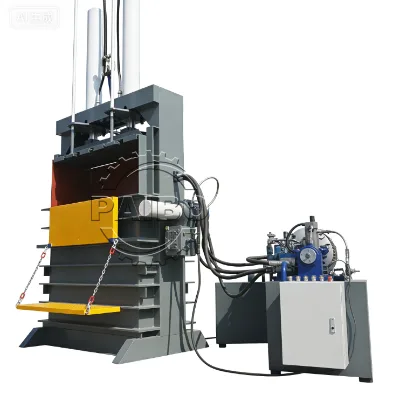
$2436.4446 - $4068.6564
MOQ: 1 sets
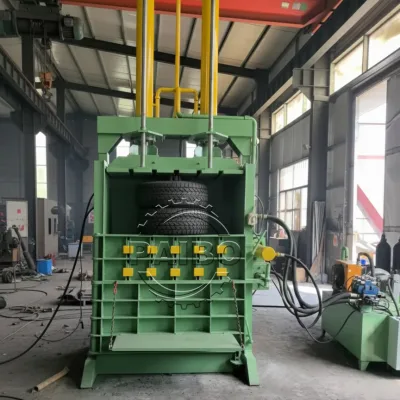
$6112.7403 - $7788.7806
MOQ: 1 sets
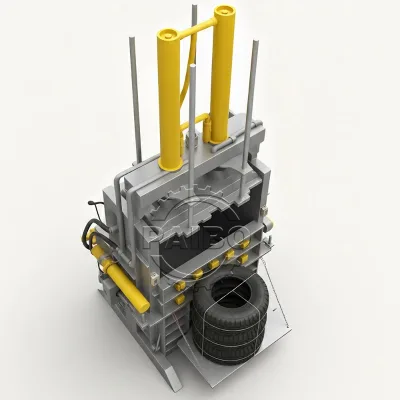
$5275.4677 - $6147.5059
MOQ: 1 sets
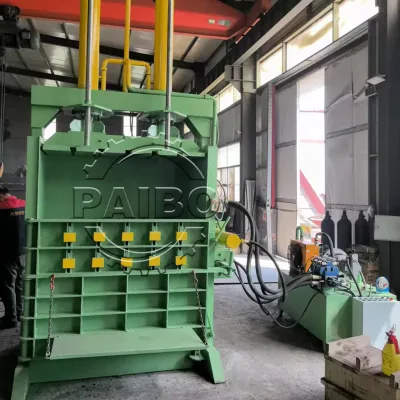
$7671.255 - $11675.2158
MOQ: 1 sets
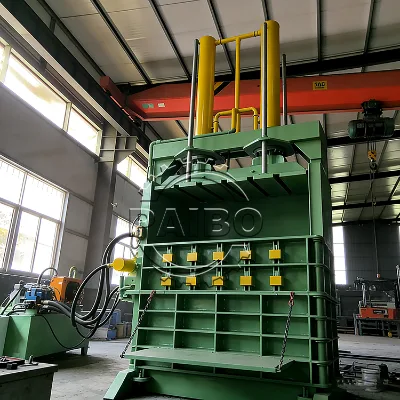
$5800.7518 - $6497.8282
MOQ: 1 sets
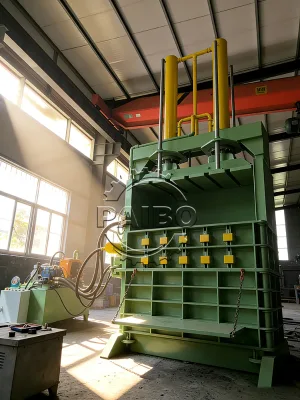
$9741.0925 - $16832.0328
MOQ: 1 sets

Nantong Jiabao Machinery Co., Ltd.
- Verified by SGS
- Combined
- China Jiangsu
- Lead time30 days
- Avg. response≤ 6h
Main productsBaler Machine, Hydraulic Baler, Waste Paper Baling Machine, Cardboard Baler, Baling Machine, Cardboard Baling Machine, Baling Press, Cardboard Baling Press Machine, Hydraulic Baler Machine, Paper Packing Machine
Main marketsSouth America,Africa,Europe


Hydraulic Vertical Baler for Bottles and Tyre/Car Tire Baling Press/Truck Tyre Baler Machine
$22000.00 - $23000.00
MOQ: 1 Pieces

Hydraulic Vertical Truck Car Used Tyre Baler for Sale Scrap Tire Waste Baler Machine
$22000.00 - $23000.00
MOQ: 1 Pieces

Heavy Duty Tire Baler for Used Tires Car Truck Tires Tyres Compression
$8400.00 - $14000.00
MOQ: 1 SET

Vertical Hydraulic Tire/Tyre Baler Machine/ Hydraulic Tyre Scrap Tire Baling Machine
$27000.00 - $28000.00
MOQ: 1 Pieces

Factory Price Hydraulic Scrap Baler Used Tire Baler Tyre Compactor Machine for Sale
$11000.00 - $12000.00
MOQ: 1 Pieces

Jiangsu Dongfang Hydraulic Co., Ltd.
- Verified by CTI
- Combined
- China Jiangsu
- Lead time30 days
- Avg. response≤ 2h
Main productsMetal Baler, Metal Shear, Non-Metal Baler, Briquette Machine, PLC Baler, Scrap Shredder Lines, Baler, Recycling Machine, Cutting Machine, Scrap Metal Baler
Main marketsSouth America,Southeast Asia/ Mideast,Domestic,Europe,North America


Car Tire/Truck Tyre Scrap Tire Press Compress Baler Machine Vertical Equipment
$2599.00 - $19999.00
MOQ: 1 Pieces
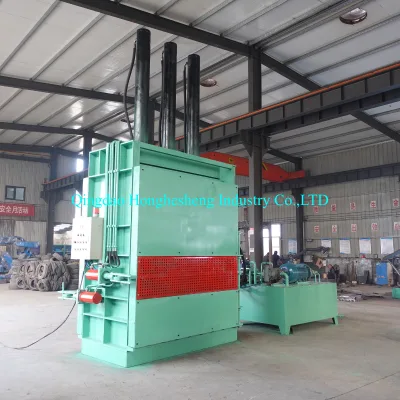
Qingdao Honghesheng Industry Co., Ltd.
- Verified by Intertek
- Manufacturer, Trading Company
- Lead time15 days
- Avg. response≤ 3h
Main productsRubber Machine
Main marketsDomestic Market(43%), North America(10%), Africa(9%)
Henan Han Cheng Machinery Co., Ltd.
- Trading Company
- Lead time旺季: "1 - 3":10,"> 3":"To be negotiated", 淡季: "1 - 3":10,"> 3":"To be negotiated"
- Avg. response≤ 3h
Main productsDry Mix Mortar Plant, Drying Plant, Shredding Plant, Hydraulic Baler, Recycling Plant
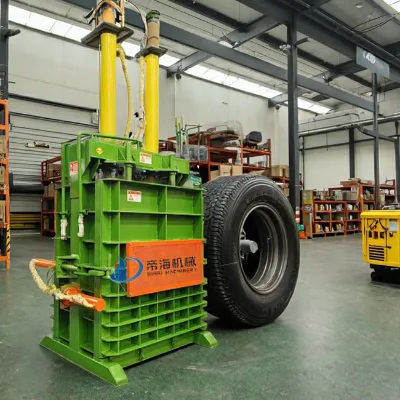
$6641.8998 - $9707.392
MOQ: 1 sets
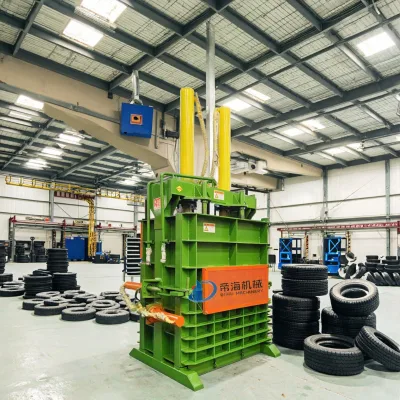
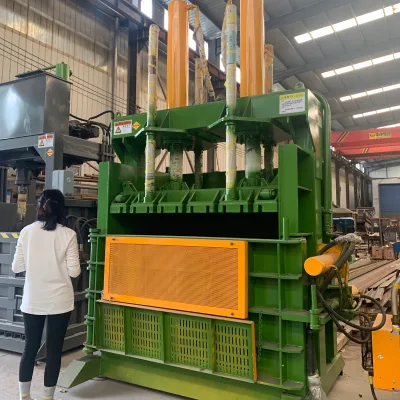
Vertical Tire Baler Car Tire Baling Machine Automotive Hydraulic Tire Baler
$14500.00 - $15500.00
MOQ: 1 sets
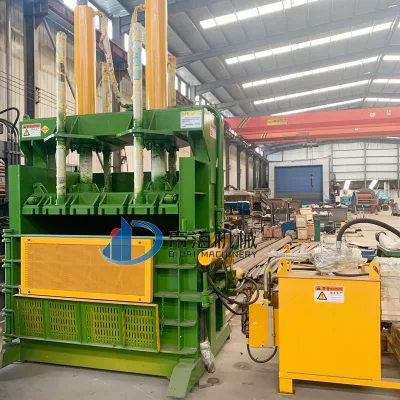
$6500.00 - $9500.00
MOQ: 1 sets
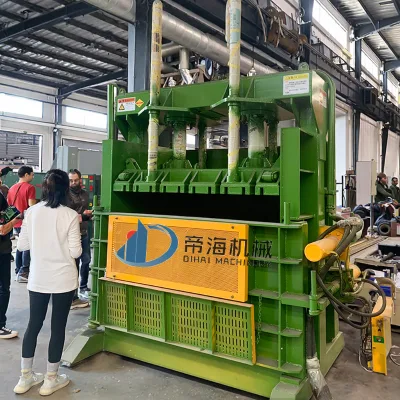
$6500.00 - $9500.00
MOQ: 1 sets
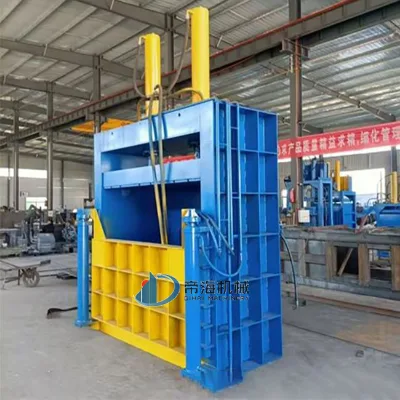
$6641.8998 - $9707.392
MOQ: 1 sets
- Trading Company
- Henan, China
- Lead time0 days
- Avg. response≤ 1h
Main productsFood machinery,Industrial machine,Textile machinery,Agricultural machinery,Commercial machinery
Main marketsAfrica(20.00%), North America(13.00%), Southeast Asia(12.00%), South America(12.00%), Mid East(10.00%), Central America(5.00%), South Asia(5.00%), Eastern Asia(5.00%), Eastern Europe(5.00%), Domestic Market(5.00%), Southern Europe(3.00%), Western Europe(2.00%), Oceania(2.00%), Northern Europe(1.00%)

Gongyi Jinlong Heng Ji Heavy Industry Machinery Co., Ltd.
- Verified by SGS
- Combined
- China Henan
- Lead time15 days
- Avg. response≤ 3h
Main productsPlastic Crushing Machines, Metal Shredder, Waste Recycling Machine, Double Shaft Shredder, Aluminium Recycling Machine, Rock Crusher, Hammer Crusher, Metal Crusher, Dry Type Copper Wire Shredder Machine, Single Shaft Shredder
Main marketsSouth America,Africa,Southeast Asia/ Mideast,East Asia(Japan/ South Korea),Domestic,Europe,Australia

Vertical Scrap Tyre Baler/Vertical Waste Tyre Baler Machine/New Tyre Baler Machine
$7000.00 - $7500.00
MOQ: 1 Sets

Vertical Rubber Press Machine Hydraulic Baling Press Baler Machine for Car Waste Tire
$6000.00 - $6500.00
MOQ: 1 Sets

Jiangsu Xutian Environmental Protection Machinery Co., Ltd.
- Verified by BV
- Combined
- China Jiangsu
- Lead time23 days
- Avg. response≤ 2h
Main productsBaler, Baling Machine, Paper Baler, Paper Baling Machine, Automatic Waste Paper Baler, Cardboard Baler, Plastic Baler, Strapping Machine, Hydraulic Baler, Baler for Clothes
Main marketsSouth America,Africa,Southeast Asia/ Mideast,East Asia(Japan/ South Korea),Domestic,Europe,Australia,North America


Premium Top Quality High Performance Truck Tire Baler Car Tire Baler
$20000.00 - $21000.00
MOQ: 1 Sets

Qingdao Honghesheng Industry Co., Ltd.
- Verified by TUVRHEINLAND
- Combined
- China Shandong
- Lead time30 days
- Avg. response≤ 4h
Main marketsSouth America,Others(foreignTradeCapacity.exportBusinessCapacityMarketOther),Europe,North America


Compress Tire Vertical Tyre Baler Machine Tire Baling Press Machine Manufacturer
$10000.00
MOQ: 1 Pieces
Henan Kaidi Machinery Equipment Co., Ltd.
- Trading Company
- Henan, China
- Lead time30 days
- Avg. response≤ 2h
Main productsPlastic crusher,Single Shaft Shredder,Refrigerator crushing and sorting production line,Copper wire crushing and separating machine,Wood crusher
Main marketsMid East(30.00%), Southeast Asia(30.00%), North America(30.00%), South Asia(10.00%)
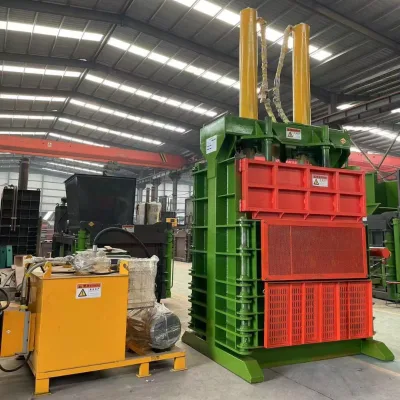
Automatic Scrap Tire Baler Machinery Baled Waste Tyre Tire Bales for Sale
$4999.00 - $6000.00
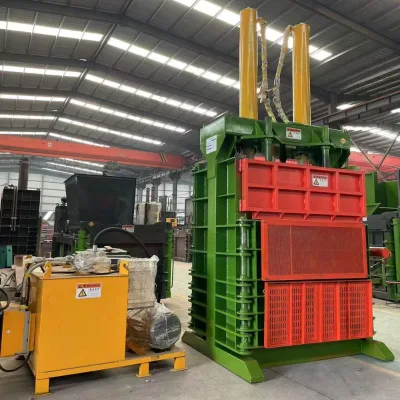
High Quality Tire Baler Machine Scrap Truck Tire Baling Machine
$2999.00 - $3500.00
Zhengzhou Mascot Environmental Technology Co., Ltd.
- Manufacturer, Trading Company
- Henan, China
- Lead time15 days
- Avg. response≤ 1h
Main productsRaymond mill,grinding mill,ball mill,Rotary Dryer,Generator set
Main marketsDomestic Market(30.00%), Eastern Asia(20.00%), Southeast Asia(20.00%), South America(10.00%), South Asia(10.00%), Africa(10.00%)

Henan Shuangshi Group Grain Oil Machinery Co., Ltd.
- Verified by CTI
- Combined
- China Henan
- Lead time60 days
- Avg. response≤ 3h
Main productsMaize Milling Machine, Flour Mill
Main marketsDomestic

Hydraulic Car Tire Baler Machine Scrap Baling Machine Cardboard Baling Machines
$10899.00 - $15000.00
MOQ: 1 Pieces

200kg Carton Baler Press Machine Recycling Baling Machine Tyre Baling Machine for Sale
$10899.00 - $15000.00
MOQ: 1 Pieces
Xinxiang Doing Renewable Energy Equipment Co., Ltd.
- Manufacturer, Trading Company
- Henan, China
- Lead time3 days
- Avg. response≤ 5h
Main productsWaste Tire/Plastic Pyrolysis Plant,Oil Distillation Machine Refinery,Tire/Plastic Oil to Diesel Machine,Copper Wire Recycling Machine,PCB Recycling Machine
Main marketsSouth America(20.00%), Africa(15.00%), Central America(10.00%), Eastern Europe(10.00%), Southeast Asia(8.00%), Domestic Market(5.00%), Western Europe(5.00%), Eastern Asia(5.00%), Mid East(5.00%), South Asia(5.00%), North America(3.00%), Oceania(3.00%), Southern Europe(3.00%), Northern Europe(3.00%)
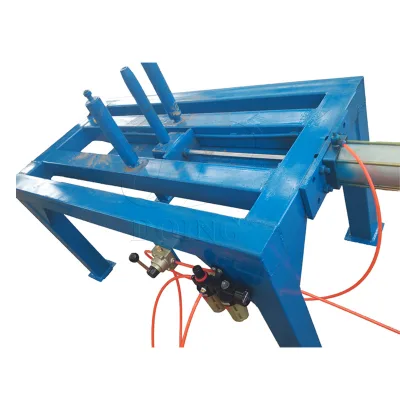
New Put Scrap Tire Baling Machine/tyre Packing Machine for Recycling Use
$2700.00 - $3000.00
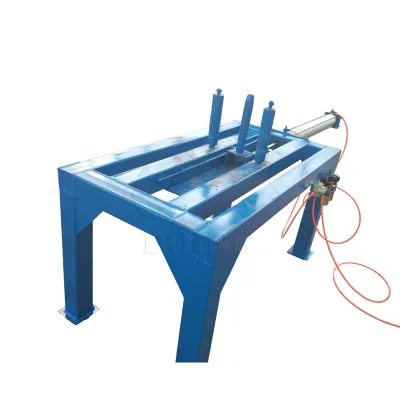
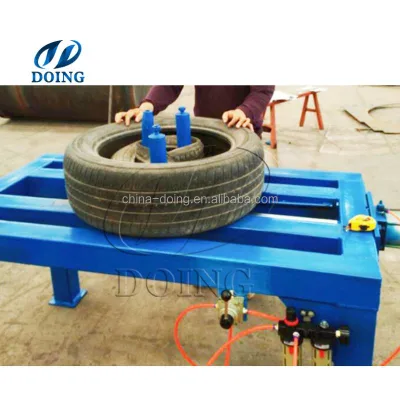
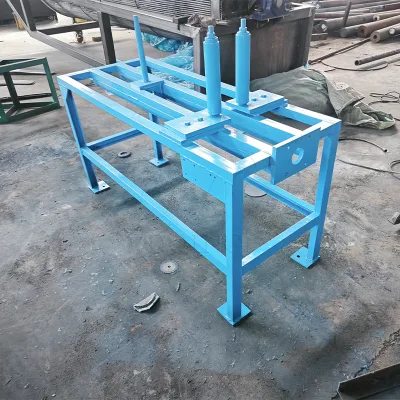
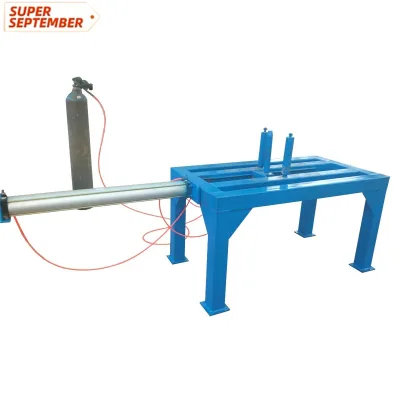
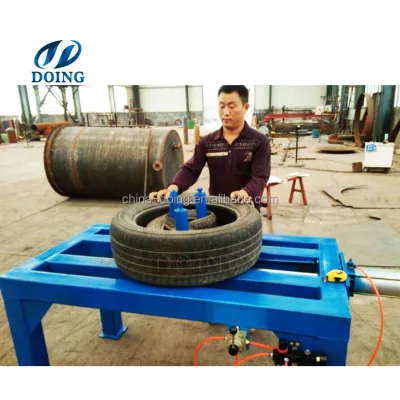
Easy Handling Eco-Friendly Tire Recycling Machine for 3 Car Tires Packing with Compressed Air
$2589.8922
MOQ: 1 Minimum

Gongyi UT Machinery Trade Co., Ltd.
- Verified by SGS
- Trading Company
- China Henan
- Lead time30 days
- Avg. response≤ 6h
Main productsCable Wire Making Machine, Waste Metal Recycling Machine, Hydraulic Press Machine, Briquette Press Machine, Baler Machine, Bath Bomb Press Machine
Main marketsSoutheast Asia/ Mideast,East Asia(Japan/ South Korea),Europe,Australia,North America


Vertical Hydraulic Waste Tire Baler for Scrap Tyre Recycling for Sale
$30000.00 - $32000.00
MOQ: 1 Sets

Enerpat (Jiangsu) International Trading Co., Ltd
- Manufacturer
- China Jiangsu
- Lead time30 days
- Avg. response≤ 1h
Main productsBalers, Shredder, Metal Shears, Drum Crushers, Metal Shredders, Cardboard Baler, Hydraulic Balers, Wood Shaving Balers, Baling Press, Metal Chips Briquetting Machine
Main marketsOthers(foreignTradeCapacity.exportBusinessCapacityMarketOther),Domestic,Europe,North America

Zhengzhou Yize Machinery Co., Ltd.
- Verified by BV
- Trading Company
- China Henan
- Lead time15 days
- Avg. response≤ 3h
Main productsCutting Machine, Quilting Machine, Printing Machine, Brick Making Machine, Fiber Machine, Chaff Cutter, Animail Feed Pellet Machine, Wood Crusher
Main marketsSouth America,Africa

Waste Tire Recycling Doubling Tripling Hydraulic Tyre Press Packing Baling Baler Machine
$295.00 - $385.00
MOQ: 1 Pieces

Automatic Rubber Hydraulic Scrap Tire Tyre Doubling Tripling Packaging Baling Machine
$295.00 - $385.00
MOQ: 1 Pieces


Comprehensive Sourcing Guide
Car Tyre Baler Supplier Concentration and Factory Types
The current supplier landscape for car tyre balers reveals a mix of manufacturing entities and trading companies, offering buyers distinct advantages depending on their procurement strategy. Evidence indicates that manufacturers are present, providing direct access to production facilities and potentially more control over customization and quality assurance processes. These suppliers often highlight their factory status, which can be a critical factor for buyers seeking long-term partnerships or specific technical modifications to standard machinery. The presence of trading companies alongside manufacturers suggests a diverse market where some suppliers may focus on aggregating products from multiple sources to offer a broader catalog, while others specialize in the direct fabrication of hydraulic baling equipment. Understanding this distinction is vital for buyers to align their sourcing goals with the appropriate supplier type, whether they prioritize direct factory engagement or the logistical convenience of a trading partner.
In terms of product specialization, suppliers in this category frequently list main products that include hydraulic baler machines, waste paper balers, and automatic baling systems, indicating a strong focus on industrial packaging and recycling machinery. This concentration suggests that many suppliers have developed significant expertise in hydraulic systems and PLC-controlled operations, which are essential for efficient tyre baling. The availability of light customization, graphic processing, and customized on-demand services further highlights the flexibility of these manufacturing bases. Buyers should note that while the core technology may be similar across different product lines, the specific engineering for tyre recycling plants requires robust pressure systems and durable construction. The overlap in main products among suppliers implies a competitive environment where differentiation often comes down to service levels, after-sales support, and specific technical configurations rather than entirely unique product categories.
How to Verify Car Tyre Baler Suppliers
Verifying the credibility and operational capacity of Car Tyre Baler suppliers requires a multi-layered approach that goes beyond basic company profiles. Buyers should prioritize suppliers who have undergone third-party verification processes, such as those conducted by SGS Group, which provides an additional layer of trust regarding the supplier's business legitimacy and operational standards. This verification status is a strong indicator that the supplier has met certain baseline requirements for business operations and product quality. Additionally, checking for system certifications like ISO 9001 and CE marks is essential, as these certifications demonstrate adherence to international quality management standards and safety regulations, respectively. These credentials are particularly important for machinery that operates under high pressure and involves complex electrical systems, ensuring that the equipment meets rigorous safety and performance benchmarks before it leaves the factory.
Beyond certifications, buyers should actively request and review machinery test reports and video outgoing-inspections, which are frequently provided by reputable suppliers. These documents offer tangible evidence of the machine's performance, structural integrity, and operational stability prior to shipment. The availability of detailed test reports allows buyers to verify critical specifications such as nominal pressure, system pressure, and production efficiency without needing to physically inspect the unit. Furthermore, suppliers that provide engineers available to service machinery overseas demonstrate a commitment to long-term customer support, which is crucial for minimizing downtime in recycling plants. Buyers should also assess the supplier's response time, as a quick and professional reply often reflects the efficiency of their internal communication and customer service processes, which can be indicative of how they will handle post-sale issues or technical inquiries.
What to Compare Across Car Tyre Baler Suppliers
When evaluating multiple suppliers for car tyre balers, buyers must systematically compare key operational metrics to determine the best fit for their specific needs. One of the most critical factors is the lead time, which can vary significantly between suppliers and impact project timelines. Buyers should also closely examine the minimum order quantity (MOQ) requirements, as some suppliers may offer flexible MOQs of just one unit, while others might have higher thresholds that could affect inventory management and cash flow. Additionally, comparing the response time is essential for gauging the supplier's responsiveness and ability to address urgent queries or negotiate terms efficiently. These operational metrics, combined with the supplier's main product focus, help buyers assess whether a supplier's capabilities align with their production volume and scheduling requirements.
Technical specifications and customization options are another vital area for comparison. Buyers should look for details on voltage compatibility, such as 220V, 380V, or 415V, to ensure the machinery integrates seamlessly with their existing power infrastructure. The automatic grade, whether semi-automatic or automatic, should be matched to the desired level of operational efficiency and labor cost. Furthermore, comparing the production efficiency, measured in tons per hour or bales per hour, provides insight into the machine's throughput capacity. Suppliers offering OEM services and customized colors or packaging sizes add value for buyers looking to brand their operations or fit specific spatial constraints. By systematically comparing these technical and operational attributes, buyers can make informed decisions that balance performance, cost, and logistical feasibility.
Common Car Tyre Baler Sourcing Risks
Sourcing car tyre balers from international suppliers introduces several risks that buyers must proactively manage to ensure a successful procurement process. One significant risk is the potential mismatch between advertised specifications and actual machine performance, particularly regarding pressure ratings and production efficiency. Without thorough verification through machinery test reports or video inspections, buyers may receive equipment that does not meet their operational demands, leading to production bottlenecks in their recycling plants. Additionally, the complexity of hydraulic systems and PLC controls means that improper installation or commissioning can result in frequent breakdowns. Buyers must ensure that suppliers provide comprehensive after-sales support, including overseas engineering services, to mitigate the risk of prolonged downtime due to technical issues that require specialized expertise to resolve.
Another common risk involves logistical challenges and hidden costs associated with international shipping and customs clearance. The weight and dimensions of car tyre balers, which can range from 3000 to 5000 kilograms, significantly impact shipping costs and require careful planning for freight forwarding. Buyers must also consider the warranty terms, as a standard one-year warranty may not cover all components or labor costs for repairs, especially if the supplier is located far from the buyer's facility. Furthermore, there is a risk of communication barriers or misunderstandings regarding technical requirements, such as voltage specifications or packaging dimensions. To mitigate these risks, buyers should establish clear communication channels, request detailed documentation, and verify all critical specifications before finalizing orders, ensuring that both parties have a shared understanding of the product's capabilities and support obligations.
Car Tyre Baler Regional Sourcing and Logistics
The regional concentration of Car Tyre Baler suppliers, particularly in areas like Jiangsu, China, offers buyers access to established industrial clusters with specialized manufacturing capabilities. Sourcing from these regions can provide advantages in terms of supply chain efficiency and access to a wide range of components and raw materials. However, buyers must carefully consider the logistical implications of importing machinery from these locations, including transit times and freight costs. The distance between the supplier's location and the buyer's facility will directly impact the overall lead time and shipping expenses. Buyers should work closely with their freight forwarders to optimize shipping routes and consolidate shipments where possible to reduce costs. Additionally, understanding the local export regulations and documentation requirements is essential to ensure smooth customs clearance and avoid delays at the destination port.
Logistics planning also involves assessing the supplier's packaging capabilities, as car tyre balers require robust packaging to prevent damage during transit. Suppliers that use high-quality materials such as plastic, paper, and wood for packaging demonstrate a commitment to protecting their products during long-distance shipping. Buyers should verify the packaging dimensions and weight to ensure compatibility with their chosen shipping method, whether by sea or air. Furthermore, the availability of showroom locations in regions like Canada, the United Kingdom, and the United States can provide buyers with opportunities to inspect machines locally, reducing the risk of receiving non-conforming goods. By carefully planning the logistics and leveraging regional supplier strengths, buyers can minimize transit risks and ensure that their car tyre balers arrive in optimal condition and ready for immediate installation.
Car Tyre Baler Commercial Terms and Order Planning
Effective order planning for car tyre balers requires a thorough understanding of commercial terms, including pricing structures, payment conditions, and warranty policies. Buyers should compare price ranges across suppliers, noting that costs can vary based on specifications, customization options, and order volume. It is essential to clarify whether the quoted prices include shipping, insurance, and taxes, as these factors can significantly impact the total cost of ownership. Additionally, buyers should negotiate favorable payment terms, such as using escrow services to protect their funds until the goods are received and verified. Establishing clear communication regarding delivery schedules and lead times is crucial for aligning the supplier's production capacity with the buyer's operational needs, ensuring that the machinery is available when required for installation and commissioning.
Warranty and after-sales support are critical components of the commercial agreement, as they provide protection against potential defects and operational issues. Buyers should verify the duration and scope of the warranty, ensuring it covers core components such as the PLC and hydraulic systems. Suppliers that offer engineers available for overseas service provide an added layer of security, reducing the risk of prolonged downtime in the event of a malfunction. Buyers should also inquire about the availability of spare parts and the supplier's policy for handling warranty claims. By carefully reviewing and negotiating these commercial terms, buyers can secure a favorable agreement that minimizes financial risk and ensures long-term operational support. This proactive approach to order planning helps buyers build a reliable supply chain and maintain efficient recycling operations.
FAQs
What is the price range for a Car Tyre Baler?
Prices for car tyre balers typically range from $10,000 to $17,600 per unit. The final cost depends on specific configurations, such as automatic versus semi-automatic grades, and the nominal pressure capacity required for your recycling plant operations.
What is the minimum order quantity for these machines?
The minimum order quantity is generally one unit. This allows buyers to test the equipment's performance in their tire recycling plant before committing to larger bulk orders for expanded operational capacity.
How long does delivery usually take?
Standard lead times are approximately 15 days. Buyers should confirm exact schedules with suppliers, as production efficiency and customization requirements may slightly adjust the final delivery date for the machinery.
What warranty is provided for the core components?
Suppliers typically offer a one-year warranty for the core components, such as the PLC systems. This coverage ensures that critical electrical and control parts function correctly during the initial operational period.
Where are these baler machines manufactured?
These machines are primarily manufactured in Jiangsu, China. Buyers can verify the place of origin to ensure the equipment meets specific regional standards and to plan for logistics and shipping arrangements.
What certifications do these machines hold?
Machines often carry ISO 9001 and CE certifications. These standards verify that the manufacturing processes and safety features comply with international quality and regulatory requirements for industrial machinery.
Is after-sales service available overseas?
Yes, engineers are available to service machinery overseas. This support ensures that technical issues can be resolved promptly, maintaining continuous operation in your tire recycling or waste management facility.