Source Semi-Automatic Food Packing Machine for Snack, Rice, Flour
Compare 30 semi-automatic food packing machines suitable for snack, rice, and flour packaging. These electric units offer filling and sealing functions with customizable options for various food applications including dairy products, cosmetics, and cleaning detergents to meet diverse industrial needs effectively.
Updated
Key considerations
Products List


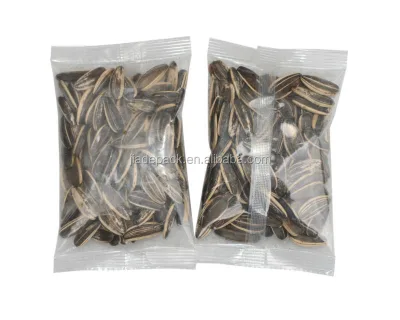
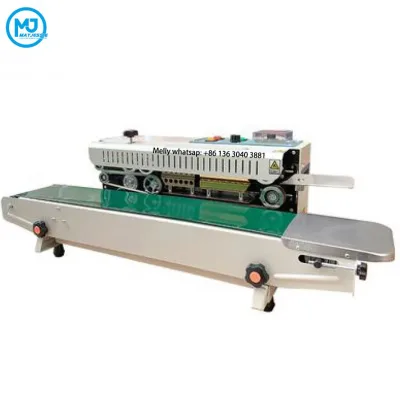
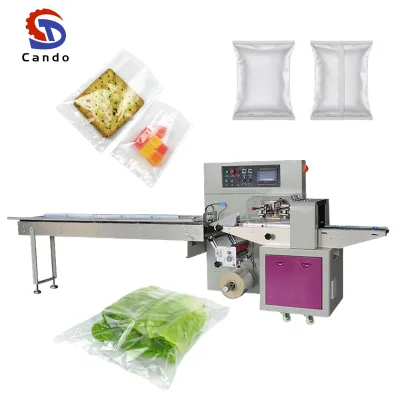
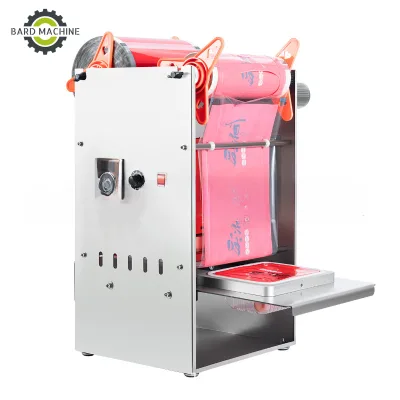
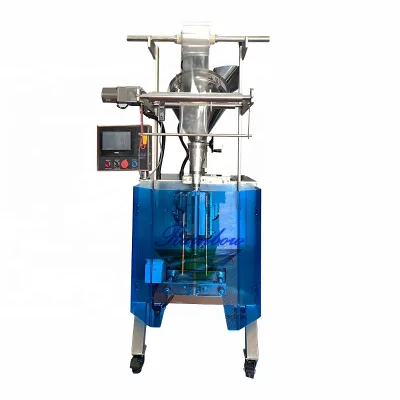
Multifunction Automatic Small Food High Accuracy Weighing Packing Machine
$2258.7622 - $2648.9129
MOQ: 1 sets
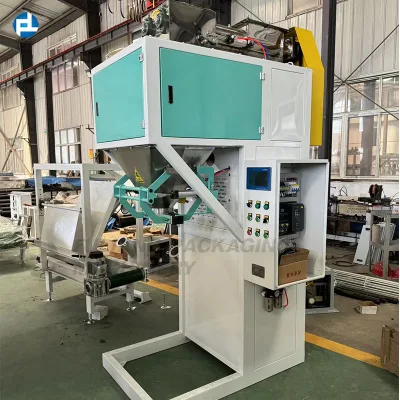
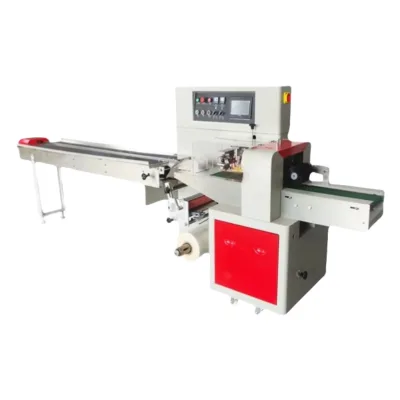


Fully Automatic Food Packing Machine Pharmaceutical Packing Machine
$60000.00 - $3000000.00
MOQ: 1 Sets


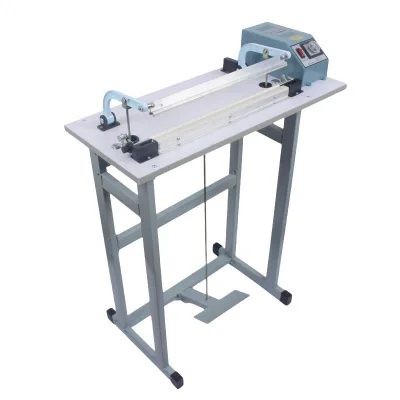
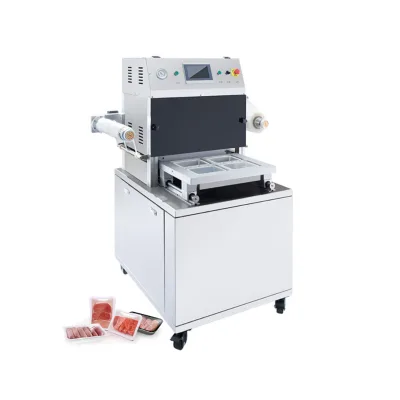
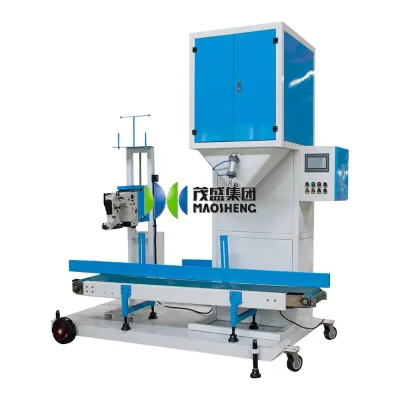
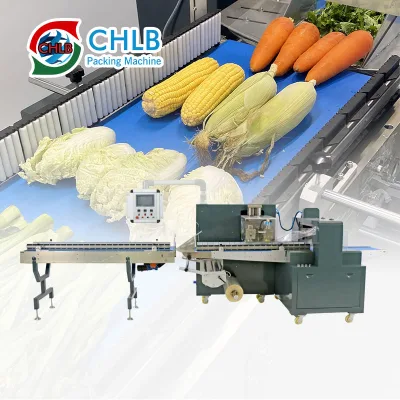

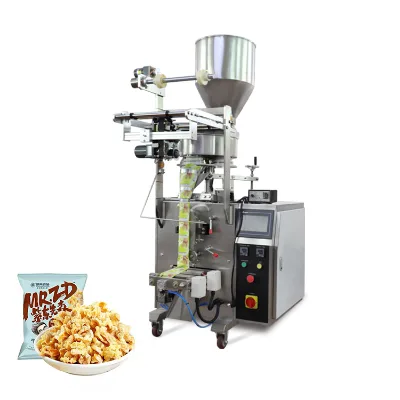


Comprehensive Sourcing Guide
Semi-Automatic Food Packing Machine Sourcing Guide
Procuring semi-automatic food packing machines requires a careful balance between operational efficiency and capital expenditure. These machines, often categorized under filling and sealing functions, are designed for applications involving snacks, rice, flour, dairy products, and cosmetics. The observed market includes models like the ZLD-50 and ZL8-230, which utilize bag moulding techniques to create secure packaging. Buyers must distinguish between fully automatic systems and semi-automatic variants, noting that the latter often require manual intervention for loading or positioning, which impacts throughput rates.
The supply chain for these machines is predominantly centered in China, with specific origins noted in Hefei and Guangdong. This geographic concentration offers access to a wide range of specifications, from stainless steel construction to electric-driven mechanisms. However, the diversity in models, such as the MJ-FR900 or JD-420K1, means that buyers cannot assume uniform performance across all listings. It is crucial to evaluate each machine’s specific dimensions, weight, and power consumption to ensure compatibility with existing factory infrastructure and space constraints.
Product Scope and Observed Listing Signals
The current market landscape for semi-automatic food packing machines reveals a significant variance in product attributes and listing signals. Observed listings indicate a price range from $66 to $3,000,000, reflecting the disparity between simple sealing units and complex integrated systems. The minimum order quantity (MOQ) is consistently observed at one unit, suggesting that suppliers are flexible for initial procurement or trial orders. This flexibility allows small to medium-sized enterprises to test machine performance without committing to large-scale industrial purchases, reducing initial financial risk.
Material types and packaging forms vary widely, with plastic being a common packaging material and powder or grain being typical filling materials. Some machines are specified for paste, granule, or food applications, indicating versatility in handling different product viscosities and textures. The presence of customization options suggests that buyers can tailor machines to specific branding or operational needs. However, the wide price range necessitates a thorough review of included features, such as automatic grade classifications, to ensure that the selected machine meets the desired level of automation and productivity.
Technical Specifications to Verify
Technical verification is critical when selecting a semi-automatic food packing machine, as specifications can vary significantly between models. Key attributes to verify include the driven type, which is often electric, and the power consumption, ranging from 500W to 2.5KW. Dimensions are another crucial factor, with observed standard sizes like 310013003400mm for larger units and smaller dimensions like 304080cm for compact sealing machines. Buyers must ensure that the machine’s physical footprint fits within their available production space and that the power requirements align with their facility’s electrical capacity.
Weight and capacity are also essential technical parameters to confirm. For instance, some machines weigh up to 1700kg, while others are as light as 20kg or 28kg. The capacity, such as 100 pieces per hour, directly impacts production planning and throughput expectations. Additionally, the main material, often stainless steel, and the condition of the machine, typically new, should be verified to ensure durability and hygiene standards. Buyers should request detailed technical datasheets to cross-reference these specifications with their operational requirements, avoiding assumptions based on general product descriptions.
Compliance and Safety Documentation
Compliance and safety documentation are non-negotiable aspects of sourcing industrial machinery, particularly for food-related applications. Buyers must ensure that the semi-automatic food packing machine meets relevant local and international safety standards, although specific certification statuses are not universally provided in the observed listings. It is imperative to request documentation that verifies electrical safety, mechanical guarding, and material compatibility with food contact surfaces. Stainless steel construction, as seen in some models, is a positive indicator for hygiene, but buyers should still verify that all components meet food-grade standards.
Warranty and after-sales service provisions are critical components of the compliance framework. Observed warranties, such as the 6-month coverage for certain models, provide a baseline for manufacturer support. Buyers should clarify the extent of online support and the availability of spare parts to minimize downtime in case of mechanical failure. Additionally, video outgoing-inspection services, where provided, offer a valuable tool for verifying the machine’s condition before shipment. This visual verification can help identify potential defects or assembly issues, ensuring that the machine arrives in optimal working condition and reducing the risk of post-purchase disputes.
Cost Drivers and Commercial Terms
Understanding the cost drivers behind semi-automatic food packing machines is essential for effective budgeting and negotiation. The observed price range of $66 to $3,000,000 is influenced by factors such as automation level, material quality, and included features. Machines with higher productivity claims, such as those labeled with "High Productivity" key selling points, typically command higher prices. Additionally, the complexity of the filling and sealing mechanism, whether for powders, grains, or pastes, can significantly impact the final cost. Buyers should analyze the total cost of ownership, including maintenance, energy consumption, and potential downtime, rather than focusing solely on the initial purchase price.
Commercial terms, including packaging and shipping, also play a significant role in the overall cost. Observed packaging methods, such as wooden cases or wooden cases, are designed to protect the machine during transit, but they may add to the shipping weight and volume. Buyers should negotiate clear terms regarding freight responsibilities, insurance, and delivery timelines. The single item selling unit structure suggests that pricing is often customized per order, allowing for flexibility in negotiations. However, buyers must be cautious of hidden costs, such as installation fees or training charges, which may not be included in the initial quote.
Supplier Qualification and Quality Control
Supplier qualification is a pivotal step in ensuring the reliability and performance of semi-automatic food packing machines. Buyers should prioritize suppliers with verifiable origins, such as those in Hefei or Guangdong, China, as these regions have established manufacturing ecosystems for packaging equipment. The presence of brand names, like MAYJESSIE, can provide some assurance of quality, but buyers must still conduct due diligence on the supplier’s reputation, production capacity, and financial stability. Requesting references from previous clients and reviewing case studies can offer insights into the supplier’s ability to deliver consistent quality and support.
Quality control measures should be integrated into the procurement process to mitigate risks. Buyers should insist on pre-shipment inspections, either through third-party agencies or by utilizing video outgoing-inspection services provided by the supplier. These inspections can verify that the machine meets the specified technical parameters, such as voltage, power, and dimensions. Additionally, buyers should establish clear acceptance criteria in the purchase agreement, including performance tests and warranty terms. By implementing rigorous quality control protocols, buyers can ensure that the semi-automatic food packing machine performs as expected and reduces the likelihood of post-delivery issues.
Long-Term Procurement Checks
Long-term procurement checks are essential for maintaining the operational efficiency and longevity of semi-automatic food packing machines. Buyers should establish a maintenance schedule that includes regular inspections of critical components, such as the stirer, sealing mechanisms, and electrical systems. The use of stainless steel in key parts, like the stirer, can enhance durability, but regular cleaning and lubrication are still necessary to prevent wear and tear. Buyers should also monitor the machine’s performance metrics, such as throughput and error rates, to identify potential issues early and schedule preventive maintenance accordingly.
Supplier relationship management is another critical aspect of long-term procurement. Buyers should maintain open communication with the supplier to address any technical challenges or spare parts needs promptly. The availability of online support, as observed in some listings, can be beneficial for troubleshooting, but buyers should also verify the supplier’s responsiveness and technical expertise. Additionally, buyers should stay informed about updates or upgrades to the machine model, as these can improve performance and efficiency. By proactively managing the machine’s lifecycle and supplier relationship, buyers can maximize the return on investment and ensure sustained operational success.
FAQs
What materials are used in semi-automatic food packing machines?
These machines typically use stainless steel for main structural components and stirring parts to ensure hygiene and durability. The packaging material is generally plastic, suitable for bags and pouches. This construction supports the automatic grade requirements for handling various food types safely and efficiently in industrial settings.
Can semi-automatic food packing machines handle different product types?
Yes, these machines are designed for diverse applications including snacks, rice, flour, dairy products, cosmetics, and cleaning detergents. They accommodate various material types such as powder, grain, paste, and granules. This versatility allows manufacturers to use the same equipment for multiple product lines without major adjustments.
What is the typical power consumption for these machines?
Power consumption varies by model, with some units operating at 2.5KW and others at 500W. Voltage requirements are commonly 220V/50Hz. These electrical specifications ensure compatibility with standard industrial power supplies while maintaining efficient operation for filling and sealing tasks in continuous production environments.
What dimensions do semi-automatic food packing machines typically have?
Standard dimensions often measure around 3100*1300*3400mm for larger models, while smaller units may be approximately 30*40*80cm. Single package sizes can be around 87X44X35 cm. These physical specifications help buyers plan factory floor space and logistics for installation and transportation effectively.
Are customization options available for semi-automatic food packing machines?
Customization is available for many semi-automatic food packing machines to meet specific production needs. Buyers can often request modifications for capacity, voltage, or specific sealing functions. This flexibility ensures the equipment integrates smoothly into existing workflows and handles unique product requirements without compromising performance or safety standards.
What warranty and after-sales support are provided?
Warranty periods typically range from 6 months for certain models. After-sales service often includes online support to assist with operational issues. This support structure helps buyers maintain machine performance and resolve technical questions quickly, ensuring minimal downtime and sustained productivity in food packing operations.