Pneumatic Food Tray Sealer Suppliers and Manufacturers
Compare 26 Pneumatic Food Tray Sealer suppliers in Zhejiang and Henan, China. Review response times, lead times, certifications, and product specs like voltage and sealing type. Contact verified factories to request quotes and machinery test reports; review the available evidence before requesting comparable quotations from suitable candidates.
Updated
Suppliers List

Wenzhou Yintai Packaging Machinery Co., Ltd.
- Manufacturer, Trading Company
- Zhejiang, China
- Lead time7 days
- Avg. response≤ 5h
Main productsFilling Machie,Labeling Machine,Sealing Machine,Capping Machine,Shrinking Machine
Main marketsDomestic Market(40.00%), South America(20.00%), North America(10.00%), Eastern Europe(5.00%), Southeast Asia(5.00%), Mid East(5.00%), Western Europe(5.00%), Northern Europe(5.00%), Southern Europe(5.00%)
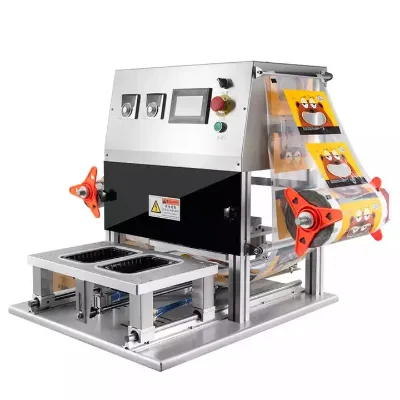
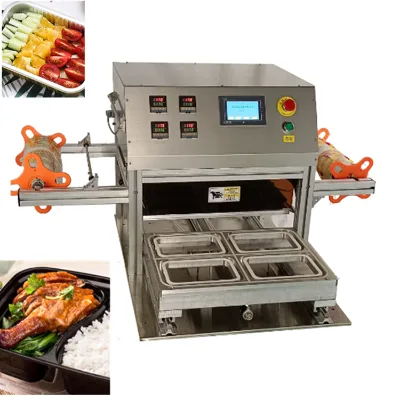
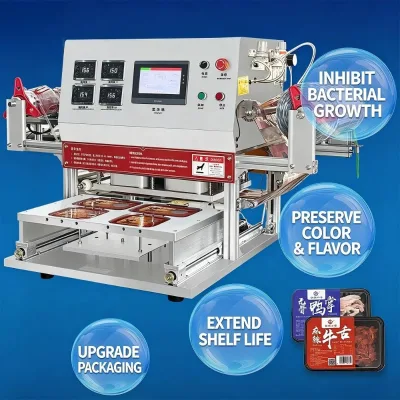
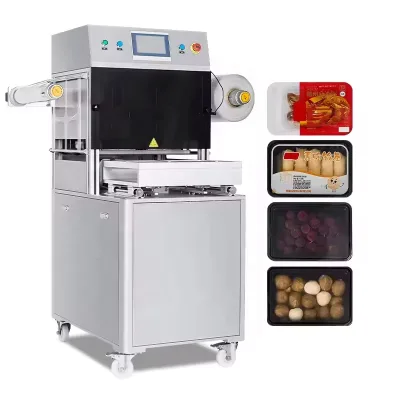
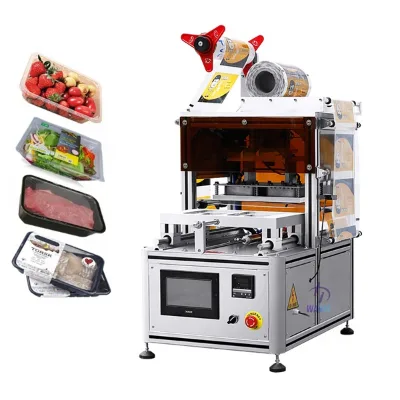
Pneumatic Tray Packaging Machine Plastic Film Food Fresh Pneumatic Tray Sealer
$1314.00 - $1514.00
MOQ: 1 pieces
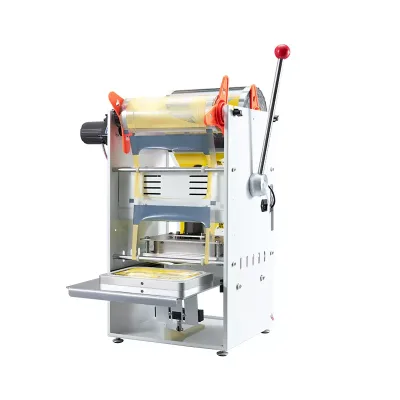
$331.7366 - $383.5704
MOQ: 1 pieces

Henan Chanda Machinery Co., Ltd
- Verified by SGS
- Trading Company,Manufacturer/Factory
- China Henan
- Lead time15 days
- Avg. response≤ 4h
Main productsFood Machine, Vegetable Cutting Machine, Bun Making Machine, Roti Making Machine, Samosa Making Machine, Skin Vacuum Packing Machine, Peeling Machine, Tablet Press Machine, Noodle Boiler, Meat Cutting Machine
Main marketsSouth America,Eastern Europe,Mid East,North America,Southeast Asia,Eastern Asia,Oceania,Western Europe,Africa

Plastic Food Sealing Trays Sealer Pneumatic Nitrogen Blister Tray Sealing Machine
$30000.00
MOQ: 1 Pieces

Hot Selling Custom Automatic Container Tray Sealing Machine Fast Food Tray Sealer
$3370.00 - $3400.00
MOQ: 1 Pieces


Wenzhou Dingfei Machinery Co., Ltd
- Verified by SGS
- Combined
- China Zhejiang
- Lead time30 days
- Avg. response≤ 1h
Main marketsSouth America

$3200.00 - $4600.00
MOQ: 1 Pieces

Automatic Continuous Motion Food Tray Sealer with Pneumatic Lid Placement and Nitrogen Purging
$3200.00 - $4600.00
MOQ: 1 Pieces

Energy-Efficient Pneumatic Food Tray Sealer for Fresh Fruit Trays with Nitrogen Preservation System
$3200.00 - $4600.00
MOQ: 1 Pieces

$3200.00 - $4600.00
MOQ: 1 Pieces

$3200.00 - $4600.00
MOQ: 1 Pieces

Reliable Pneumatic Tray Sealer with Continuous Motion and Nitrogen Gas Flush for Cooked Meal Trays
$3200.00 - $4600.00
MOQ: 1 Pieces
Henan Rarbon Machinery Co., Ltd.
- Trading Company
- Henan, China
- Lead time3 days
- Avg. response≤ 2h
Main productsFilling machine,Packing machine,Sealing machine,Shrinking machine,Capping machine
Main marketsSoutheast Asia(15.00%), Western Europe(13.00%), Eastern Asia(12.00%), South Asia(10.00%), North America(10.00%), Mid East(7.00%), Africa(6.00%), Northern Europe(6.00%), South America(5.00%), Eastern Europe(5.00%)
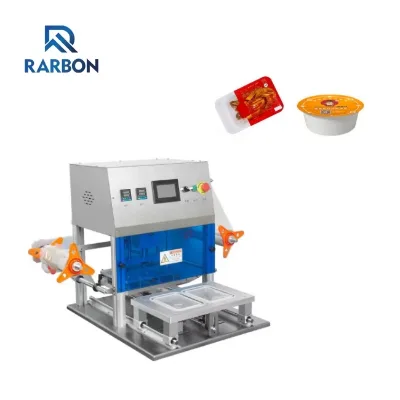
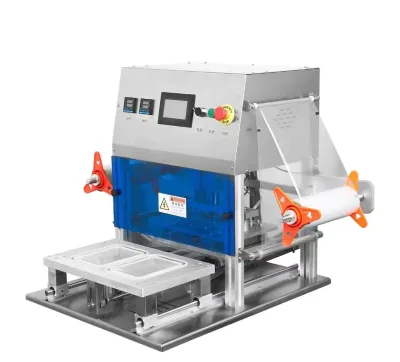
$3084.412 - $4112.5493
MOQ: 1 sets
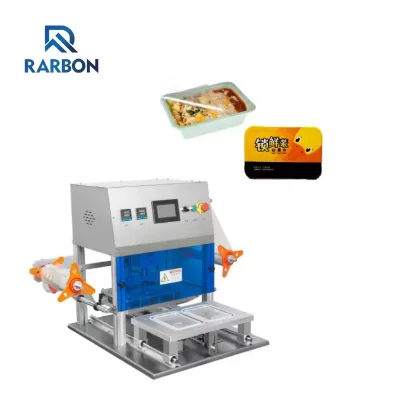
$2800.00 - $3000.00
MOQ: 1 sets
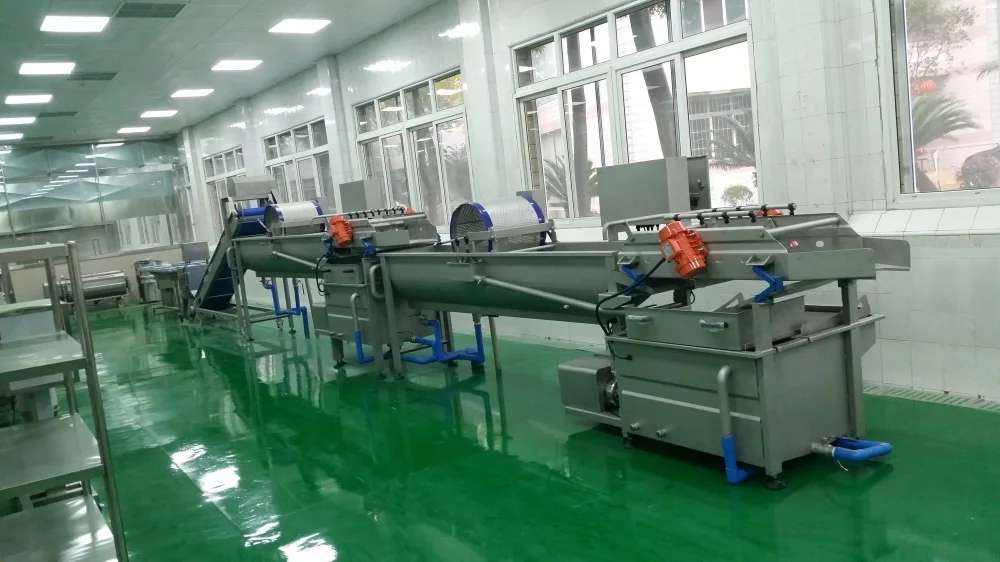
$3084.412 - $4112.5493
MOQ: 1 sets
Jinan Zoyo Machinery Technology Co., Ltd.
- Trading Company
- Shandong, China
- Lead time15 days
- Avg. response≤ 4h
Main productsFood and beverage machinery,Packing machine,Meat processing line,Vegetable processing machine,Agricultural machinery
Main marketsDomestic Market(15.00%), Southeast Asia(15.00%), Eastern Asia(14.00%), Mid East(10.00%), South Asia(10.00%), Northern Europe(5.00%), South America(5.00%), Western Europe(5.00%), Eastern Europe(5.00%), Africa(5.00%), North America(5.00%), Central America(2.00%), Oceania(2.00%), Southern Europe(2.00%)
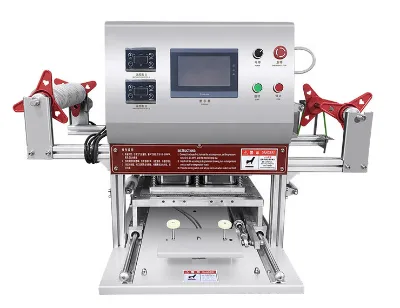
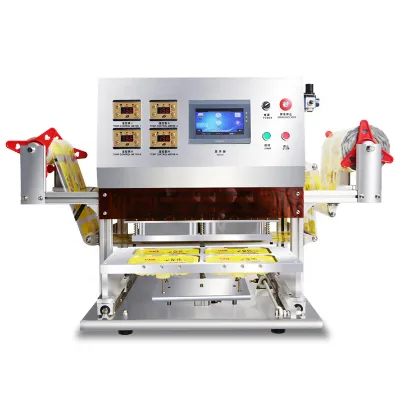
Semi-Automatic Plastic Tray Sealer Food Tray Sealing Machine Food Lunch Box Packaging Machine
$2798.8647 - $2963.1414
MOQ: 1 sets
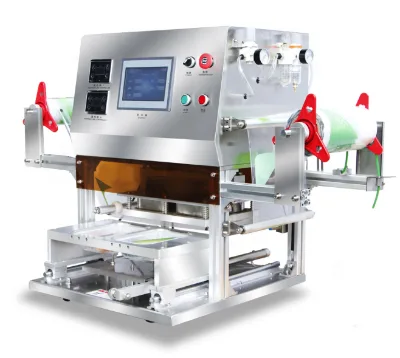
$2790.789 - $2907.7558
MOQ: 1 Minimum

Wenzhou Chunlai Packing Machinery Co., Ltd.
- Verified by BV
- Trading Company,Manufacturer/Factory
- China Zhejiang
- Lead time45 days
- Avg. response≤ 12h
Main productsCup Filling and Sealing Machine, Automatic Filling and Sealing Machine, Modified Atmosphere Packaging Machine, Sealing Machine, Tray Sealing Machine, Filling Machine, Tray Vacuum Skin Packing Machine, Multi-Function Packing Machine, Bottle Filling Machine, Pre-Made Bag Packing Machine
Main marketsSouth America,Eastern Europe,Mid East,North America,Southeast Asia,Eastern Asia,Oceania,Western Europe,Africa
Luohe Quality Mechanical Equipment Co., Ltd.
- Verified by SGS Group
- Manufacturer, Trading Company
- Lead time10 days
- Avg. response≤ 2h
Main productsPackaging Machines
Main marketsNorth America(30%), Southeast Asia(20%), Eastern Europe(15%)
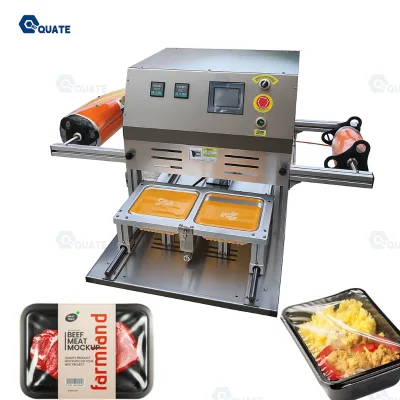
$1100.00 - $1659.00
MOQ: 1 sets
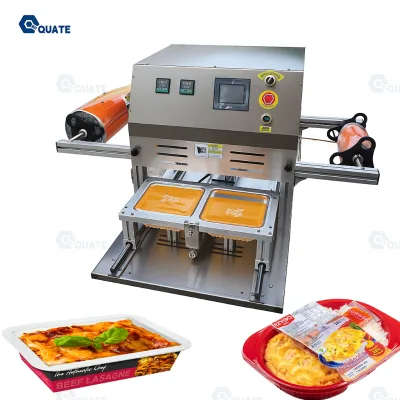
Food Grade Tray Heat Sealer With Pneumatic Control for Catering and Meal Box Packaging
$1100.00 - $1660.00
MOQ: 1 sets
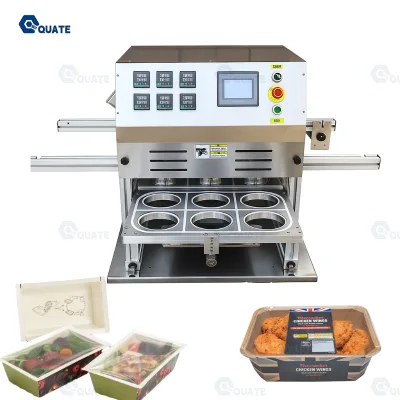
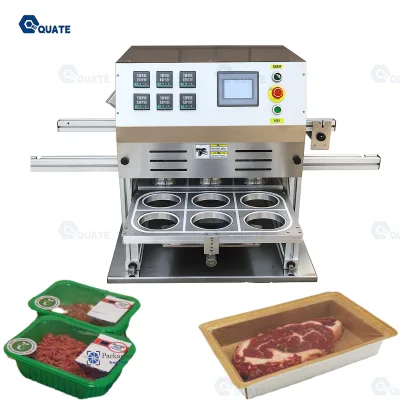
Disposable Food Tray Sealer for Restaurant Use Tray Sealing Machine With Mold Machine Versiegeln Box
$1089.00 - $1630.00
MOQ: 1 sets
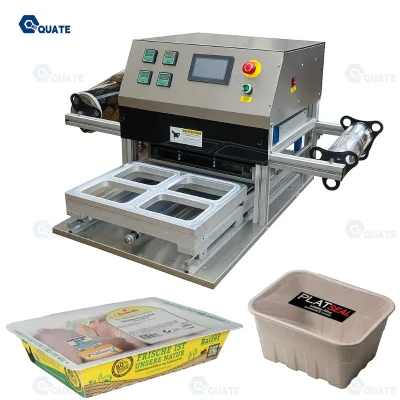
PLC Controlled Food Tray Sealer With Mold Customization and Stainless Steel Frame
$1100.00 - $1660.00
MOQ: 1 sets
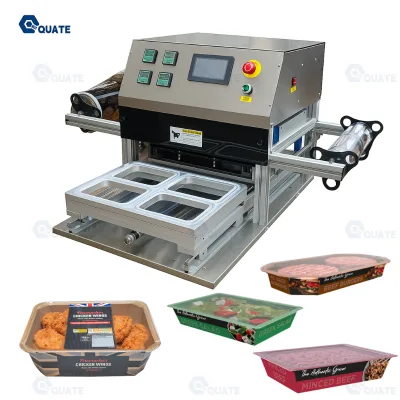
Portable Manual Tray Sealer for Food Packaging | Foil Film & Plastic/Glass Container Sealing Machine
$1100.00 - $1659.00
MOQ: 1 sets
Wenzhou Guanye Packing Machinery Co., Ltd.
- Manufacturer, Trading Company
- Zhejiang, China
- Lead time10 days
- Avg. response≤ 4h
Main productsSealing machine,Filling machine,Cup filling and sealing machine,Foil sealing machine,Packing machine
Main marketsSouth Asia(30.00%), Domestic Market(20.00%), South America(20.00%), Eastern Europe(5.00%), Northern Europe(5.00%), Western Europe(5.00%), Eastern Asia(5.00%), Oceania(5.00%), Central America(4.00%), North America(1.00%)
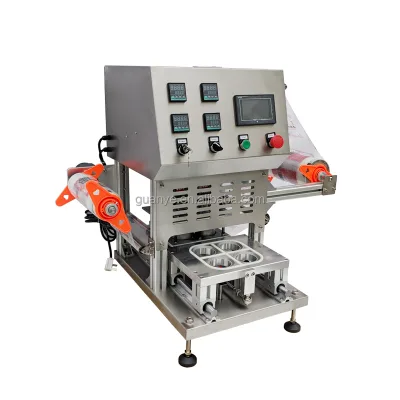
$1857.0376 - $2063.3752
MOQ: 1 units
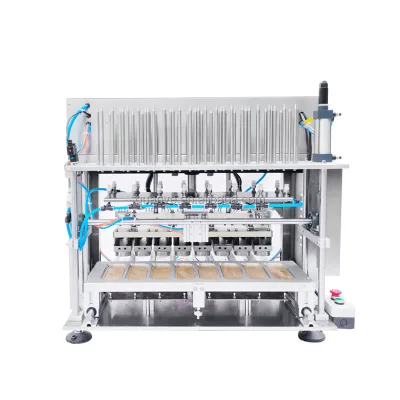
Wholesale Customized Tray Sealer Aluminum Foil Pneumatic Sealing Machine for Fruit Food
$1552.8792 - $1863.4551
MOQ: 1 units
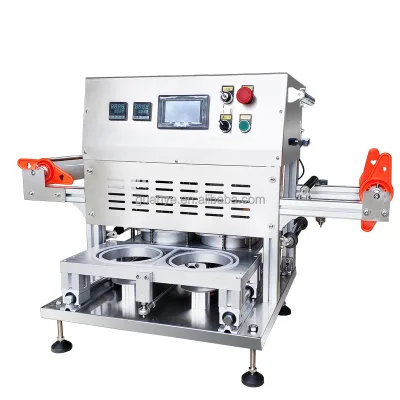
$1857.0376 - $2063.3752
MOQ: 1 units
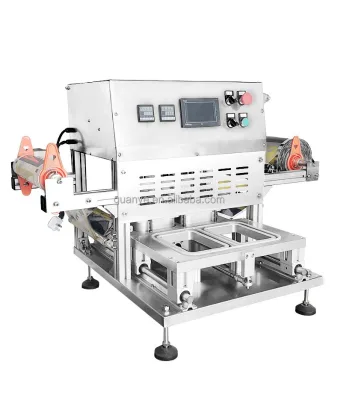
Good Performance Tray Sealer Packaging Machine Food Fruit Meat Roll Film Sealing Machine
$1345.8287 - $1552.8792
MOQ: 1

Dongguan Jindu Electronic Technology Co., Ltd
- Verified by BV
- Trading Company,Manufacturer/Factory
- China Guangdong
- Lead time30 days
- Avg. response≤ 2h
Main productsWeighing System, Blueberry Weighing Line, Strawberry Mushroom Weighing Line, Tray Sealing Machine, Weight Sorting Machine
Main marketsSouth America,Eastern Europe,Mid East,North America,Southeast Asia,Eastern Asia,Western Europe

$8790.00 - $9990.00
MOQ: 1 Pieces


Tray Sealer for Fruits, Vegetables, Salads, Meat, Mushrooms. Manual Tray Sealer.
$8790.00 - $9990.00
MOQ: 1 Pieces
Zhengzhou Longer Machinery Co., Ltd.
- Verified by Intertek
- Manufacturer, Trading Company
- Lead time30 days
Main productsPeanut Butter Production Line, Fruit and Vegetable Processing Machines, Biscuit Production Line, French Fries Production Line, Cocoa Bean Processing Machines
Main marketsNorth America(25%), South America(20%), Africa(13%)
Wenzhou Crownchi Automatic Mechanical Equipment Co., Ltd.
- Trading Company
- Zhejiang, China
- Lead time0 days
- Avg. response≤ 13h
Main productsLiquid Filling Machine, Cup Filling and Sealing Machine, Bottle Filling and Capping Machine , Vacuum Packing Machine, Sealing Machine
Main marketsSoutheast Asia(30.00%), Eastern Asia(13.00%), South Asia(10.00%), North America(10.00%), South America(8.00%), Oceania(5.00%), Central America(5.00%), Western Europe(4.00%), Northern Europe(3.00%), Eastern Europe(3.00%), Mid East(3.00%), Domestic Market(2.00%), Africa(1.00%)
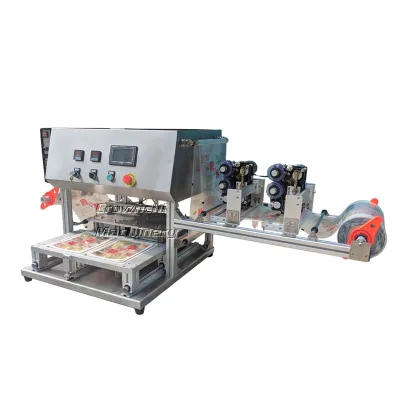
Fast Food square Tray Sealing Machine,tray Sealer,lunch Box Sealer
$1575.7312 - $1890.8775
MOQ: 1 units
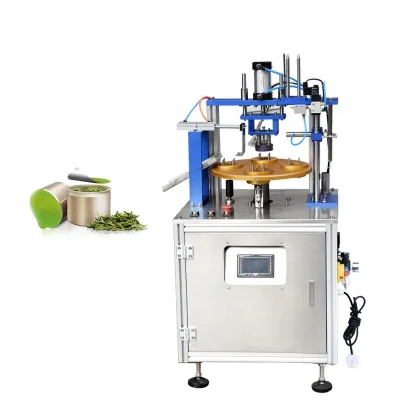
$2000.00 - $2800.00
MOQ: 1 units
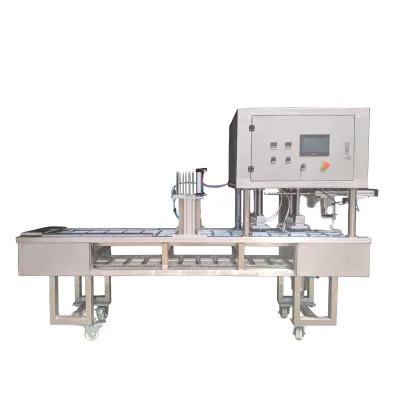
$6600.00 - $6800.00
MOQ: 1 units

Wenzhoushi Daheng Packing Machinery Co., Ltd
- Verified by SGS
- Combined
- China Zhejiang
- Lead time30 days
- Avg. response≤ 3h
Main productsTray Sealer, Vacuum Packing Machinery, Skin Packing Machine, Foot Pedal Sealing Machinie, External Vacuum Packing Machine, Continuous Sealing Machine, Strapping Machine, Vacuum Pump
Main marketsEast Asia(Japan/ South Korea)
Zhejiang Dasheng Intelligent Equipment Co., Ltd.
- Verified by TüVRheinland
- Manufacturer, Trading Company
- Lead time30 days
- Avg. response≤ 3h
Main productsVacuum Skin Tray Sealer, Manual Tray Sealer, Vacuum Map Tray Sealer, Inline Tray Sealing Machine, Electric Tray Sealer
Main marketsDomestic Market(40%), Oceania(20%), North America(10%)
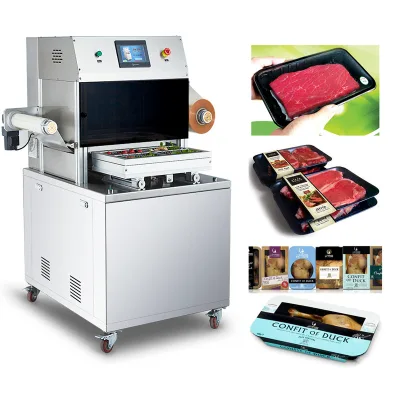
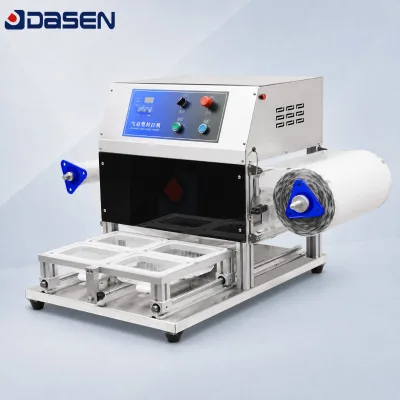
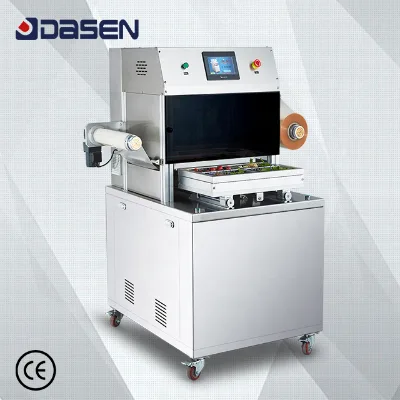
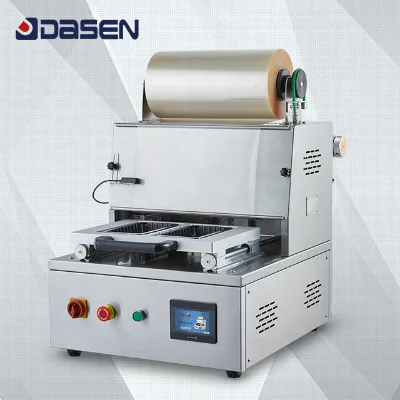
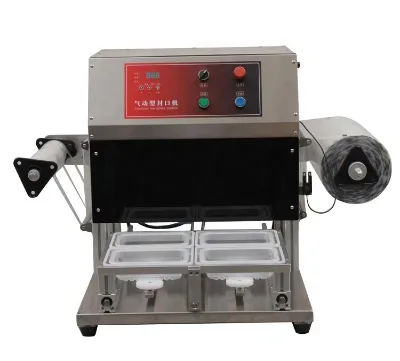
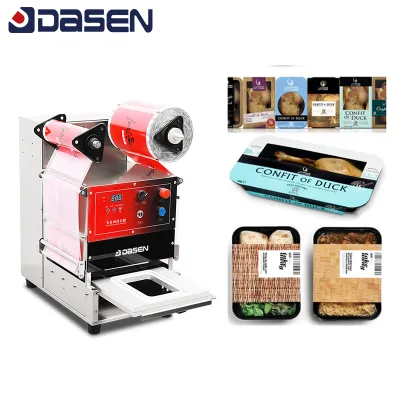
$2359.8578 - $2667.6654
MOQ: 1 sets
Shenzhen Shuxiao Machinery Equipment Co., Ltd.
- Manufacturer
- Guangdong, China
- Lead time0 days
- Avg. response≤ 2h
Main productsIndustrial machinery,commercial equipment and machinery,Food & Beverage Machinery
Main marketsEastern Europe(30.00%), North America(20.00%), South America(10.00%), Domestic Market(5.00%), Northern Europe(5.00%), Western Europe(5.00%), Eastern Asia(5.00%), Mid East(5.00%), Oceania(5.00%), Africa(5.00%), Southeast Asia(5.00%)

- Verified by TUVRHEINLAND
- Combined
- China Zhejiang
- Lead time15 days
- Avg. response≤ 2h
Main productsfood machinery
Main marketsAustralia

Semi-Automatic Packaging Sealer Tray Sealing Machine Food Plastic Containers
$330.00 - $350.00
MOQ: 1 Pieces


Jiangsu Dafeng Intelligent Technology Co., Ltd.
- Verified by SGS
- Combined
- China Jiangsu
- Lead time30 days
- Avg. response≤ 7h
Main productsSealing Machine, Tray Sealing Machine, Tray Sealer
Main marketsDomestic

Food Tray Sealer with Automatic Operation and Customizable Dimensions
$2529.00 - $2670.00
MOQ: 1 Pieces


Food Tray Sealer: Automatic Operation with Custom Tray Size Compatibility
$2529.00 - $2670.00
MOQ: 1 Pieces

High-Speed Food Tray Sealer: Automatic with Custom Tray Size Options
$2529.00 - $2670.00
MOQ: 1 Pieces


WENZHOU DAJIANG VACUUM PACKAGING MACHINERY CO., LTD.
- Verified by CTI
- Combined
- China Zhejiang
- Lead time15 days
- Avg. response≤ 1h
Main productsVacuum Packing Machinery, Rapid Vacuum Cooler Machine, Modified Atmosphere Packaging Machine, Stretch Wrapping Machine, Vacuum Machine, Carton Sealer, Vacuum Packager, Sealing Machine
Main marketsSoutheast Asia/ Mideast,Europe,North America


Table Top Manual Tray Sealer Plastic Packaging Food Container Sealing Machine
$620.00 - $780.00
MOQ: 1 Pcs


Luohe Lemo Machinery Equipment Co., Ltd.
- Verified by TüVRheinland
- Trading Company
- Lead time15 days
- Avg. response≤ 4h
Main productsMeat Grinder, Bowl Cutter, Slicer, Beef Patty Machine
Main marketsNorth America(20%), Western Europe(20%), Eastern Europe(8%)
Zhengzhou Hongle Machinery Equipment Co., Ltd.
- Verified by SGS Group
- Manufacturer, Trading Company
- Lead time15 days
- Avg. response≤ 4h
Main productsFruit and Vegetables Production Line, Chicken Feet Production Line, Packing Machine Production Line, Nut Processing Line, Frying Production Line
Main marketsCentral America(20%), Africa(15%), Southern Europe(10%)
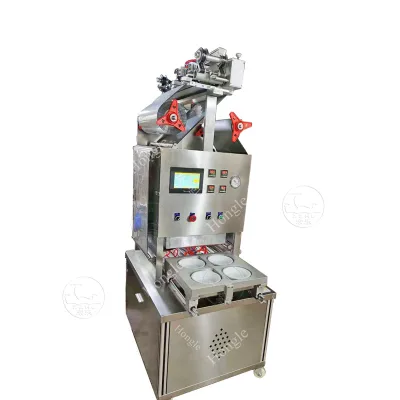
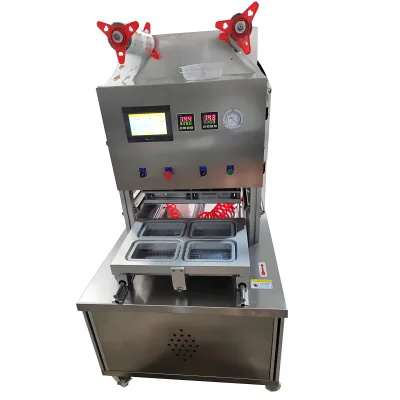
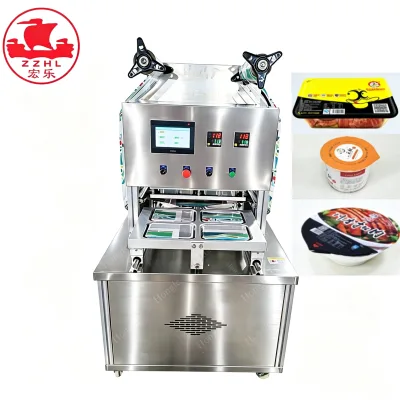
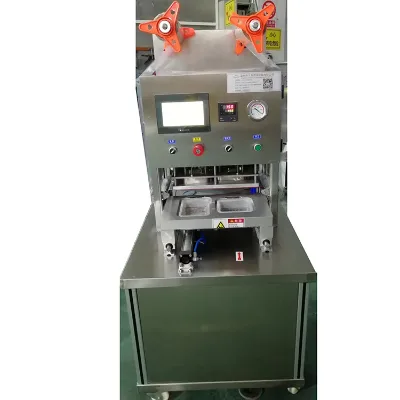
Best Price Automatic Tray Sealing Machine Food Tray Sealer Fast Food Packaging Machine Made in China
$2500.00 - $3200.00
MOQ: 1
Wenzhou Wanhe Machinery Co., Ltd.
- Manufacturer, Trading Company
- Lead time旺季: "1 - 1":15,"2 - 5":20,"> 5":"To be negotiated", 淡季: "1 - 1":15,"2 - 5":20,"> 5":"To be negotiated"
- Avg. response≤ 4h
Main productsPacking Machine, Filling Machine, Shrinking Machine, Vacuum Packing Machine, Sealing Machine

- Trading Company,Manufacturer/Factory
- China Zhejiang
- Lead time60 days
- Avg. response≤ 17h
Main productsPacking Machine, Vacuum Packing Machine, Thermoforming Packing Machine, Sealing Machine, Vacuum Thermoformer, Vacuum Sealer, Packaging Machine, Packing Machinery, Plastic Tube Filling Sealing Machine, China Automatic Form Fill Seal Machine
Main marketsSouth America,Eastern Europe,Mid East,North America,Oceania,Western Europe,Africa


New Semi-Automaic Tray Sealer for Food/Ready Meals/Meat with Modified Atmosphere Packaging
$18000.00 - $25000.00
MOQ: 1 Pieces

Multi-Function Automatic Continous Food Vacuum Skin Packaging Tray Sealer
$47000.00 - $75000.00
MOQ: 1 Pieces

Multi-Function Automatic Tray Sealer Machine for Meat Food Packing
$47000.00 - $75000.00
MOQ: 1 Pieces
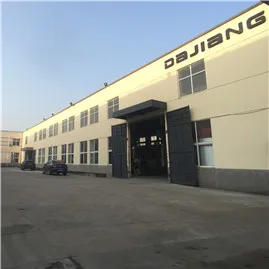
Dajiang Machinery Equipment Co., Ltd.
- Manufacturer, Trading Company
- Jiangsu, China
- Lead time0 days
- Avg. response≤ 14h
Main productsMAP Packaging Machine Lines, Vacuum Skin Packing Machine, Vacuum Packaging Machine
Main marketsNorth America(20.00%), Eastern Europe(20.00%), Domestic Market(20.00%), Oceania(10.00%), Western Europe(7.00%), Northern Europe(6.00%), Southern Europe(5.00%), South Asia(2.00%), Eastern Asia(2.00%), South America(2.00%), Central America(2.00%), Africa(2.00%), Southeast Asia(2.00%)
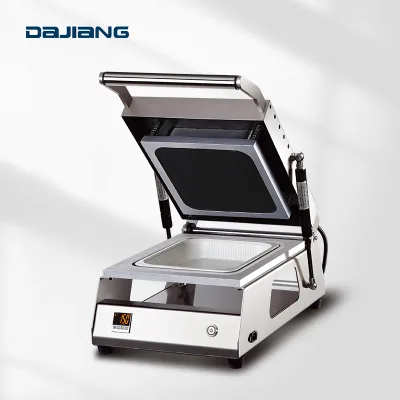
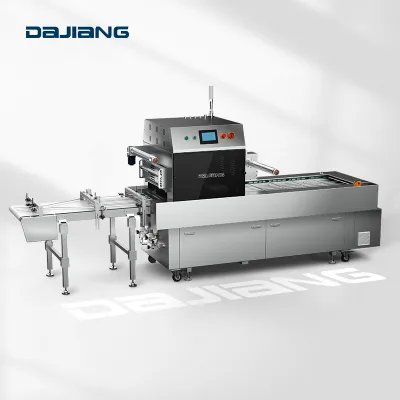
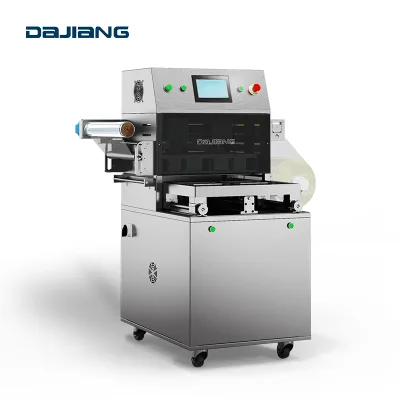
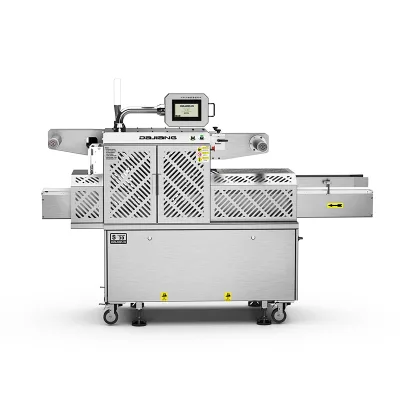
$8310.8036 - $9131.6237
MOQ: 2 sets

Shandong Jinduo Machinery Co., Ltd.
- Verified by BV
- Trading Company
- China Shandong
- Lead time30 days
- Avg. response≤ 4h
Main productsFood Packing Machine, Modified Atmosphere Packaging Machine, Vacuum Packaging Machine, Skin Packaging Machine
Main marketsSouth America

Semi-Automatic Pneumatic Tray Sealer with Gas Flushing for Fresh Pasta and Noodles
$3216.00 - $5713.00
MOQ: 1 Pieces

Pneumatic Semi-Automatic Tray Sealer with Gas Flushing Function for Fresh Produce
$3216.00 - $5713.00
MOQ: 1 Pieces


Wenzhou Chunlai Packing Machinery Co., Ltd.
- Verified by SGS Group
- Manufacturer, Trading Company
- Lead time30 days
- Avg. response≤ 8h
Main productsFilling Machine/Sealing Machine/Filling and Sealing Machine/MAP Packaging Machine/Packing Machine
Main marketsNorth America(23%), Domestic Market(15%), Mid East(13%)
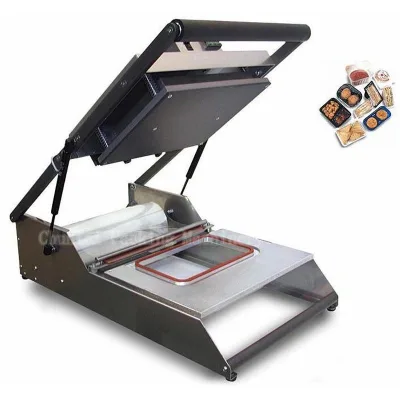
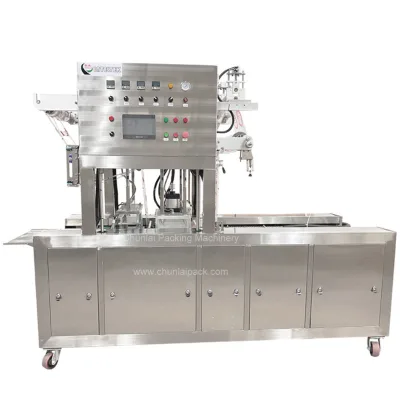
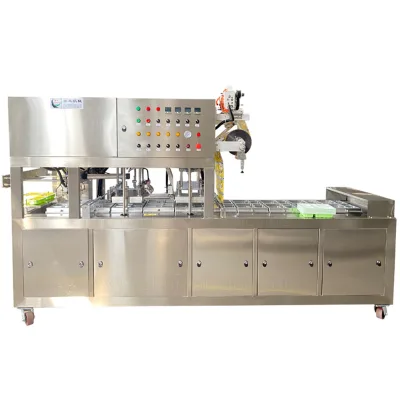
Pusher Type Hot Selling Vacuum Tray Sealer Automatic Food Tray Sealing Machine
$10000.00 - $12500.00
MOQ: 1 sets
Henan Huanor Import And Export Trade Co., Ltd.
- Verified by TüVRheinland
- Trading Company
- Lead time0 days
- Avg. response≤ 6h
Main productsMeat Grinder, Bowl Cutter, Slicer, Beef Patty Machine
Main marketsNorth America(20%), Western Europe(20%), Eastern Europe(8%)
Dongguan Strong Machinery Engineering Co., Ltd.
- Verified by Intertek
- Trading Company
- Lead time0 days
- Avg. response≤ 5h
Main productsPacking Machine




Comprehensive Sourcing Guide
Pneumatic Food Tray Sealer Supplier Concentration and Factory Types
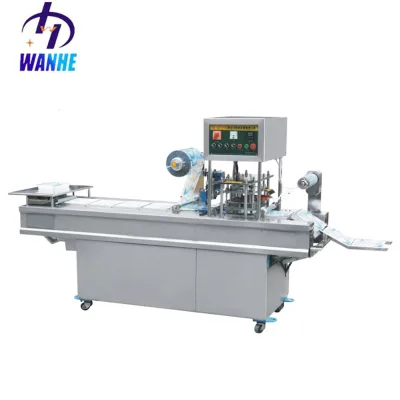
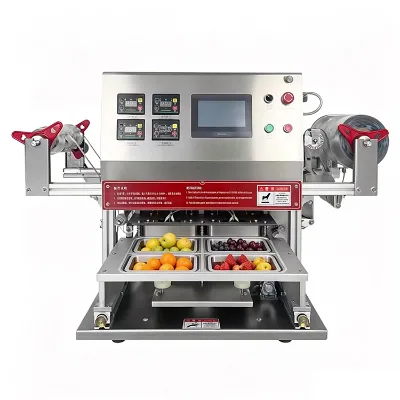
The available data indicates a concentration of manufacturers and trading companies operating within Zhejiang, China, specifically for pneumatic food tray sealing equipment. This region hosts suppliers offering a diverse range of machinery including filling, labeling, sealing, capping, and shrinking machines, suggesting a specialized industrial cluster for packaging solutions. Some suppliers in this area list their company type as both a manufacturer and a trading company, which can influence the directness of the supply chain and the availability of custom engineering services. Buyers should verify if the specific facility they are engaging with is the actual production site or a sales office, as this distinction affects lead times and quality control capabilities.
In contrast, other results point to suppliers located in Henan, China, who also operate as trading companies or manufacturers with a broader focus on food processing machinery. These entities may offer pneumatic tray sealers alongside other equipment like vegetable cutters, bun makers, and vacuum packing machines. The presence of ISO 13485, ISO 9001, and GMP certifications among some suppliers in this sector highlights a commitment to medical and food-grade standards, which is critical for equipment handling consumables. When evaluating the factory type, buyers must distinguish between pure manufacturers who control the entire production process and trading companies that aggregate products from various sources, as this impacts the ability to verify core components like PLCs and the availability of machinery test reports.
How to Verify Pneumatic Food Tray Sealer Suppliers
Verification of a Pneumatic Food Tray Sealer supplier requires a rigorous check of their provided documentation and digital presence. Buyers should prioritize suppliers who explicitly state that machinery test reports and video outgoing-inspection services are provided, as these are tangible proofs of operational capability. The presence of specific certifications such as ISO 9001 or ISO 13485 serves as a baseline for quality management systems, but these must be cross-referenced with the supplier's actual product specifications. For instance, a supplier claiming to manufacture food-grade equipment should demonstrate compliance with relevant standards through their listed certifications rather than relying on general claims.
Response time and verification status are also critical indicators of supplier reliability. Data shows response times varying from approximately 3.28 to 5 hours, which can significantly impact the speed of negotiation and technical clarification. Suppliers marked with verification badges like SGS offer an additional layer of trust regarding their business legitimacy. Buyers should request proof of these verifications and confirm the validity of the supplier's claimed establishment year and capacity for OEM or ODM services. If a supplier cannot provide a clear timeline for their response or lacks a verified status, it is advisable to seek alternative options that demonstrate a more transparent and responsive communication channel.
What to Compare Across Pneumatic Food Tray Sealer Suppliers
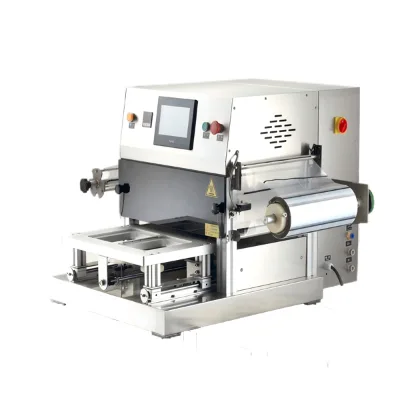
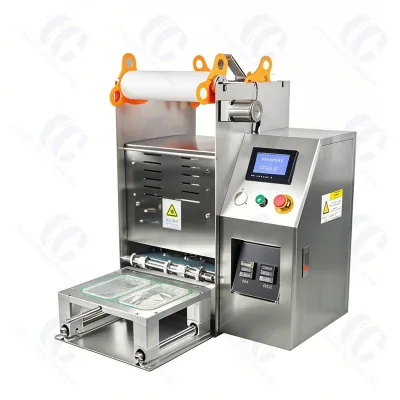
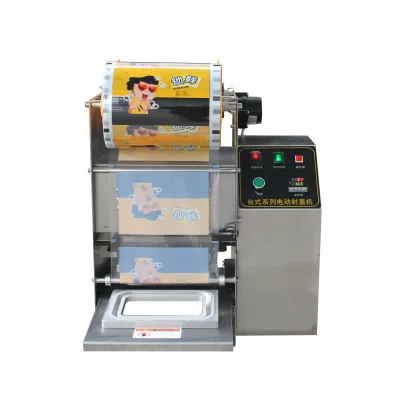
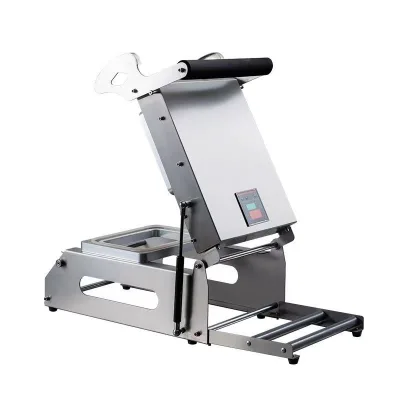
When comparing suppliers, the primary focus should be on technical specifications and commercial terms that directly affect production efficiency. Key attributes to evaluate include the automatic grade, such as semi-automatic versus fully automatic models, and the driven type, which may be pneumatic or electric. Buyers must also scrutinize the voltage requirements, as options range from 220V to 380V, and ensure compatibility with their local power infrastructure. The sealing type, whether heat sealing or cold sealing, determines the suitability for specific food products like cooked meats or beverages, making this a decisive factor in the selection process.
Commercial metrics such as lead time, minimum order quantity (MOQ), and pricing structure are equally vital for operational planning. Available data indicates lead times can vary from 7 to 15 days, while MOQs may start as low as a single unit for certain tabletop models. Pricing ranges are also significant, with some units listed between $331 and $383, while larger automatic systems may reach $30,000. Buyers should compare these figures against the supplier's stated warranty period, which is often one year, and the availability of after-sales support like online assistance. A comprehensive comparison ensures that the selected machine aligns with both budget constraints and production volume requirements.
Common Pneumatic Food Tray Sealer Sourcing Risks
One significant risk in sourcing pneumatic food tray sealers is the potential mismatch between the supplier's claimed capabilities and the actual product specifications. For example, a supplier might advertise a machine with a specific sealing width or speed, but the actual delivered unit may differ if the core components like PLCs are not verified. The variability in material types, ranging from 304 stainless steel to carbon steel, can also lead to durability issues if the buyer does not explicitly confirm the material grade required for their specific application environment. This discrepancy can result in premature equipment failure or non-compliance with food safety regulations.
Another risk involves the reliability of after-sales service and the clarity of warranty terms. While some suppliers offer online support and a one-year warranty, the effectiveness of this support depends on the supplier's responsiveness and technical expertise. If a machine requires complex maintenance or part replacement, the lack of a local service network or clear documentation can lead to extended downtime. Additionally, the variability in packaging types, such as bottles, film, or cases, means that a machine optimized for one type may not perform well with another. Buyers must ensure that the supplier provides detailed application fields and compatibility lists to avoid purchasing equipment that cannot handle their specific product range.
Pneumatic Food Tray Sealer Regional Sourcing and Logistics
Sourcing from regions like Zhejiang and Henan in China offers access to a dense network of packaging machinery manufacturers, but it introduces specific logistical considerations. The location of the factory directly influences shipping costs and transit times, as well as the ease of conducting on-site inspections. Suppliers in these regions often provide standard export packing, but buyers should verify the dimensions and weight of the single package to ensure it fits within their shipping constraints. For instance, some units have a single gross weight of 50 kg, while others may be lighter, affecting freight calculations and handling requirements at the destination port.
Logistics planning must also account for the specific dimensions of the machinery, which can vary significantly between models. A tabletop sealer might measure 750 x 450 x 450 mm, whereas larger industrial units could be substantially bigger. Buyers need to confirm the exact dimensions and weight to plan for warehouse space and internal transport within their facility. Furthermore, the origin of the product, typically listed as China, implies that international shipping regulations and customs duties will apply. It is essential to factor in these costs and potential delays when calculating the total landed cost of the equipment, ensuring that the budget accommodates all logistical expenses beyond the base price.
Pneumatic Food Tray Sealer Commercial Terms and Order Planning
Order planning for pneumatic food tray sealers requires a clear understanding of the commercial terms, including payment methods, delivery schedules, and customization options. Many suppliers offer customization services, allowing buyers to tailor the machine to specific needs such as unique sealing widths or voltage configurations. However, these customizations may extend the lead time beyond the standard 7 to 15 days observed in the market. Buyers should confirm the timeline for custom orders and ensure that the supplier has the capacity to meet the requested specifications without compromising quality or delivery dates.
Pricing and MOQ flexibility are also central to effective order planning. While some suppliers allow for single-item purchases, others may have higher thresholds for custom or bulk orders. The price range for these machines can be substantial, from a few hundred dollars for basic tabletop models to tens of thousands for fully automatic systems. Buyers must negotiate terms that align with their cash flow and inventory strategy, considering the warranty period and the availability of spare parts. Additionally, understanding the supplier's policy on machinery test reports and video inspections can help mitigate risks associated with remote purchasing, ensuring that the final product meets the agreed-upon standards before shipment.
FAQs
What is the price range for pneumatic food tray sealers?
Prices for pneumatic food tray sealers typically range from approximately $331 to $1,514 for semi-automatic tabletop models. High-end automatic industrial units can cost around $30,000. Buyers should verify specific pricing based on order volume and customization needs with suppliers directly.
What is the minimum order quantity for these machines?
The minimum order quantity is generally one unit for most pneumatic food tray sealers. This allows buyers to test equipment quality before committing to larger orders. Always confirm the specific MOQ with the supplier, as some may have different requirements for customized models.
How long does delivery usually take?
Lead times vary significantly by machine type and supplier location. Semi-automatic models often have a lead time of around seven days. Automatic industrial machines may require up to fifteen days for production and preparation. Buyers should confirm exact delivery schedules with their chosen supplier.
What voltage options are available for these sealers?
Voltage options typically include 220V, 380V, and 110V depending on the model and region. Semi-automatic units often support 220V or 380V, while some tabletop models accept 220V or 110V. Buyers must specify their local voltage requirements to ensure compatibility and safe operation.
What after-sales support is provided?
Most suppliers offer online support for after-sales service. This includes troubleshooting assistance and technical guidance via digital channels. Some manufacturers provide a one-year warranty on core components. Buyers should verify the specific warranty terms and support availability before finalizing their purchase agreement.
Where are these machines manufactured?
These machines are primarily manufactured in Zhejiang, China, and Henan, China. Suppliers in these regions specialize in packaging machinery and food processing equipment. Buyers can verify the specific place of origin for each model to ensure it meets their sourcing preferences and logistical requirements.