Source Multi-layer Label Vinyl Stickers for Food, Shipping, and Cosmetics
Compare 30 listings for multi-layer label vinyl stickers suitable for food packaging, shipping labels, and cosmetic applications. Buyers can evaluate customization options, adhesive strength, and surface treatments like lamination from verified suppliers in China; compare the available evidence and request quotations based on your requirements.
Updated
Key considerations
Products List


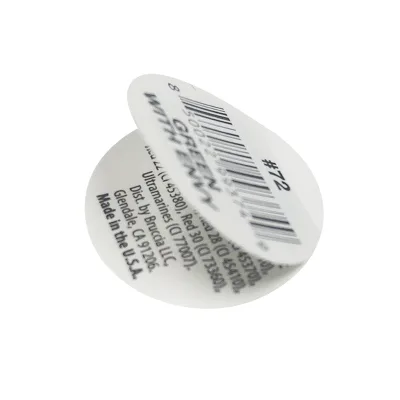
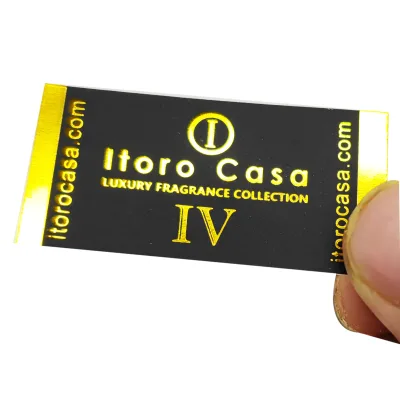
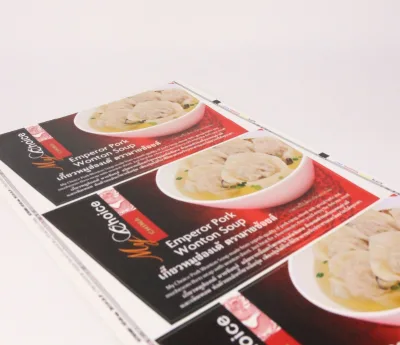
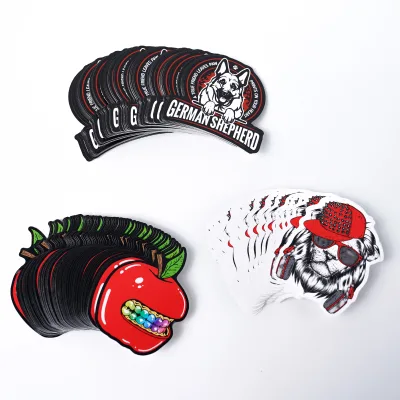
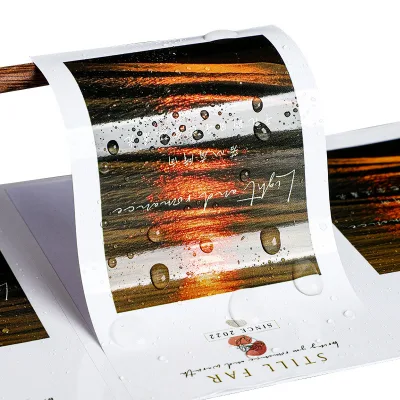
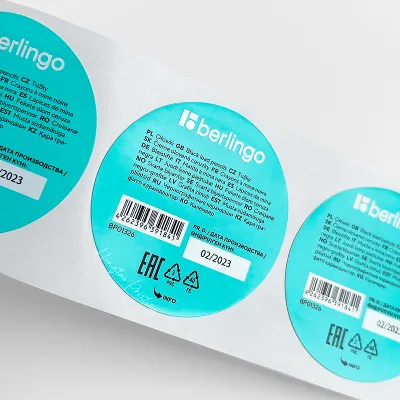
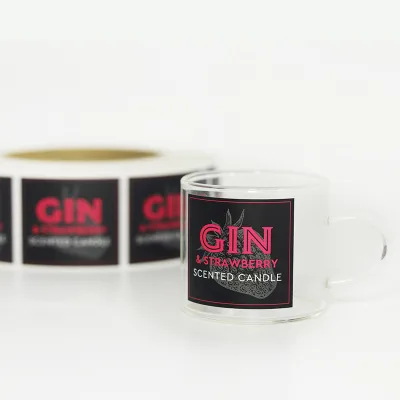
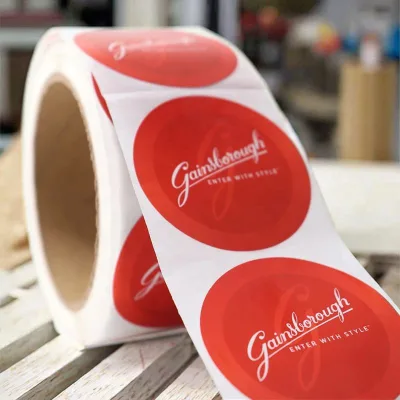
Custom Brand Printing Labels Logo Adhesive Packaging Roll Labels Stickers
$0.06 - $0.18
MOQ: 1000 Pieces




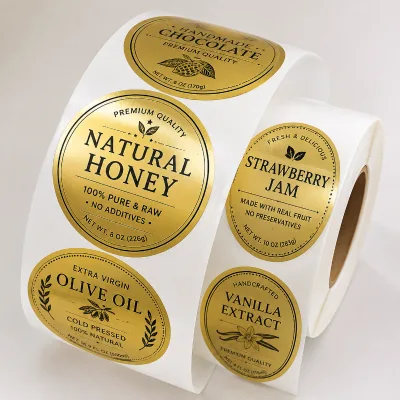
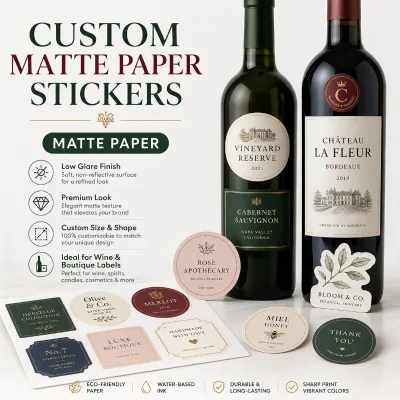
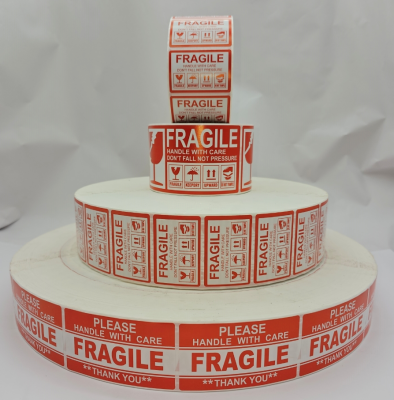
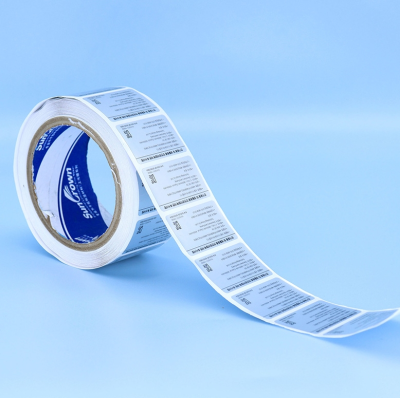

Comprehensive Sourcing Guide
Multi-Layer Label Vinyl Stickers Sourcing Guide
Sourcing multi-layer label vinyl stickers requires a clear understanding of the material properties and manufacturing capabilities available in the current market. Buyers must recognize that vinyl offers distinct advantages in durability and adhesion compared to paper alternatives, making it suitable for demanding environments. The observed product landscape includes various customization options, with materials ranging from paper to vinyl and PET, allowing for tailored solutions based on specific end-use requirements.
Procurement teams should focus on verifying the specific adhesive strength and surface finishing options provided by suppliers. Common features observed in listings include waterproof capabilities, anti-counterfeit technologies, and holographic effects, which are critical for brand protection and product integrity. Understanding these technical nuances ensures that the selected labels will perform reliably under storage, shipping, and usage conditions, preventing costly failures in the supply chain.
Product Scope and Observed Listing Signals
The current market for custom stickers reveals a diverse range of applications, including bottled beverages, food packaging, shipping labels, and cosmetic products. Suppliers frequently offer customization services, accepting artwork in formats such as Ai, Pdf, Cdr, and Psd to meet unique branding needs. The observed price range is notably low, spanning from 0.01 to 10 USD, which suggests competitive pricing but necessitates careful evaluation of quality versus cost trade-offs.
Minimum order quantities vary significantly, with observed ranges from 1 to 50,000 pieces, catering to both small batch prototyping and large-scale industrial production. Buyers should note that while some suppliers accept low MOQs, others may require higher volumes to achieve optimal pricing. The availability of samples is a key signal of supplier confidence, allowing procurement teams to validate print quality, adhesive performance, and material thickness before committing to larger orders.
Technical Specifications to Verify
When evaluating vinyl stickers, it is essential to verify the printing type and surface treatment processes employed by the supplier. Options such as digital printing, offset printing, and letterpress printing each offer different benefits in terms of detail resolution and cost efficiency. Surface finishing options like glossy or matte lamination not only enhance aesthetic appeal but also provide additional protection against moisture, abrasion, and UV exposure, which is crucial for long-term label integrity.
Adhesive performance is another critical technical specification that must be confirmed. Strong adhesive properties are often highlighted for applications requiring secure attachment to various surfaces, including curved bottles or rough packaging materials. Buyers should also inquire about the standard formats available, such as sheets or rolls, and whether custom sizes can be supported to fit specific labeling machinery or design requirements.
Compliance and Safety Documentation
Regulatory compliance is paramount when sourcing labels for food, cosmetic, and pharmaceutical applications. Buyers must ensure that suppliers hold relevant certifications, such as ISO9001 and SGS, which indicate adherence to quality management systems and safety standards. These certifications provide assurance that the manufacturing processes are controlled and that the materials used are safe for their intended contact with products.
Documentation should also cover the specific materials used, such as vinyl or PET, to ensure they meet regional safety regulations. For instance, labels intended for food contact must comply with specific migration limits and chemical restrictions. Procurement teams should request material safety data sheets and compliance certificates to verify that the stickers do not pose any health risks or regulatory violations in the target market.
Cost Drivers and Commercial Terms
Several factors influence the final cost of multi-layer label vinyl stickers, including material selection, printing complexity, and order volume. The use of specialized features like holographic effects or anti-counterfeit technologies can increase production costs due to the additional processing steps required. Buyers should negotiate trade terms carefully, as prices may vary based on payment methods such as T/T, Western Union, or PayPal, and the chosen port of shipment, typically Shanghai or Ningbo.
Lead times are another significant commercial consideration, with observed delivery times ranging from 5 to 10 days depending on order size and customization requirements. Understanding these timelines helps in planning inventory and avoiding stockouts. Additionally, packaging methods, such as export cartons or pallets, can impact shipping costs and logistics efficiency, so buyers should clarify these details during the quotation phase to avoid unexpected expenses.
Supplier Qualification and Quality Control
Evaluating supplier qualifications involves assessing their production capacity, technological capabilities, and quality control processes. Buyers should verify the supplier's origin, with many manufacturers located in regions like Jiangsu or Shanghai, known for their robust manufacturing infrastructure. It is advisable to conduct site audits or request video tours to inspect the production lines and ensure that the supplier can maintain consistent quality across large orders.
Quality control measures should include pre-production sample approvals and in-process inspections to catch defects early. Suppliers should provide clear specifications for color matching, using CMYK or Pantone standards, to ensure brand consistency. Establishing a robust quality agreement that defines acceptable tolerances for print alignment, adhesive strength, and material durability is essential for maintaining product standards and minimizing returns or complaints.
Long-Term Procurement Checks
Building a sustainable supply chain for vinyl stickers requires ongoing monitoring of supplier performance and market trends. Buyers should regularly review supplier delivery times, defect rates, and responsiveness to issues to ensure continued reliability. Establishing a long-term partnership with a qualified supplier can lead to better pricing, priority production slots, and improved collaboration on new product developments.
Continuous improvement initiatives should include periodic reviews of material innovations and printing technologies that could enhance label performance or reduce costs. Buyers should also stay informed about changes in regulatory requirements and sustainability standards that may impact material sourcing. By maintaining a proactive approach to supplier management, procurement teams can mitigate risks and ensure a steady supply of high-quality labels for their products.
FAQs
How can multi-layer label vinyl stickers be customized for my brand?
Customization is available for multi-layer label vinyl stickers, including artwork, size, and color choices. Artwork can be supplied in formats such as Ai, Pdf, CDR, or Psd, and colors can be produced in CMYK or Pantone. Surface finishing options include glossy or matt lamination, so you can match the labels to your packaging style and brand requirements before production begins.
What materials and printing methods are used for multi-layer label vinyl stickers?
These labels are produced on materials including paper, PET, and vinyl, depending on the application. Printing methods listed include letterpress printing, digital printing, and offset printing, allowing flexibility between small custom runs and larger production volumes. Adhesive options include strong adhesive formulations, and sheets or roll formats can be arranged according to your dispensing and application equipment.
Can multi-layer label vinyl stickers be made waterproof for bottled beverages?
Yes, waterproof construction is a listed feature, making these stickers suitable for bottled beverages, food packaging, and other applications exposed to moisture. PET and vinyl material options further support durability in damp or refrigerated conditions. For best results, confirm your exposure conditions, such as immersion or condensation, so the appropriate material and lamination finish are selected during sampling.
What is the typical lead time and sample availability for these stickers?
Delivery time is typically 7 to 10 days, with some listings indicating a leading time of 5 to 7 work days depending on the product configuration. Samples are available, so you can approve material, adhesive, print quality, and layering before committing to a full order. Plan extra time for sample approval and artwork confirmation when your launch date is fixed.
Which applications suit multi-layer label vinyl stickers best?
Listed applications include food, cosmetics, agro pesticide, bottled beverages, shipping labels, price tags, medicine, packaging film, and custom stickers. Anti-counterfeit, holographic, barcode, and heat-sensitive feature options support traceability, promotion, and compliance labeling. Strong adhesive and lamination finishing help labels endure supermarket, grocery, exhibition, and logistics handling throughout the supply chain.
What payment terms and shipment ports apply to orders?
Payment terms include T/T, Western Union, and Paypal, and trade terms are negotiated to suit the order. Shipments depart from Shanghai or Ningbo ports, with export carton packing; some listings add plastic bag inner packing or pallets for larger volumes. Confirm the agreed incoterm, packing configuration, and payment schedule in your purchase contract before production starts.
Can small trial orders be placed before bulk production?
Yes, MOQ requirements vary across listings, with some products available from 100 pieces and others from 3000 pieces, so trial quantities are possible. Custom orders are accepted, and sample availability lets you verify print and adhesive performance first. If your trial volume is below a listed MOQ, discuss options with suppliers, since custom sizes and configurations can affect minimum quantities.
What certifications and quality controls back these label products?
Listed certifications include ISO9001 and SGS, indicating quality management systems and third-party assessment support. Combined with lamination surface treatment and controlled printing processes, these credentials help ensure consistent adhesion, color accuracy, and durability. Request certificates and, where needed, pre-shipment inspection reports with your order so quality expectations are documented before goods leave the factory.