Source biodegradable eco-friendly kitchen sponge for Dishwashing, Cleaning
Find 30 verified listings for biodegradable eco-friendly kitchen sponge with varying sizes, materials like sisal and cellulose, and customization options. Compare specs, MOQs, and prices from global suppliers to find the best fit for your needs; compare the available evidence and request quotations based on your requirements.
Updated
Key considerations
Products List
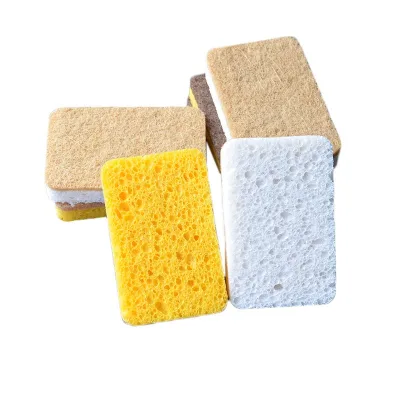


Eco Kitchen Sponge Dish Washer Sponge
$0.08 - $0.10
MOQ: 1000 Pieces
Jiangsu Miaohong Environmental Protection New Material Co., Ltd.
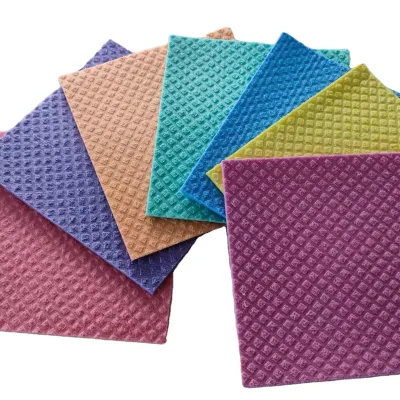
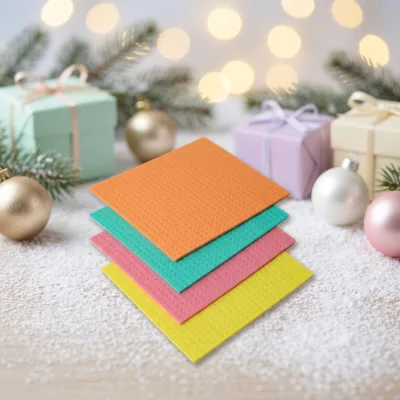
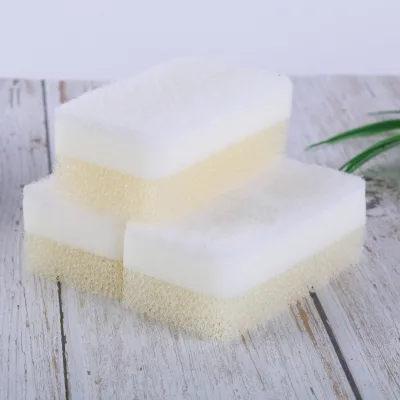
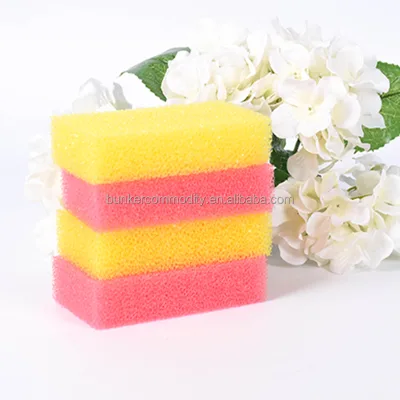
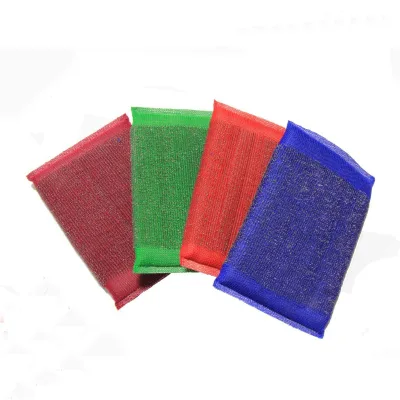
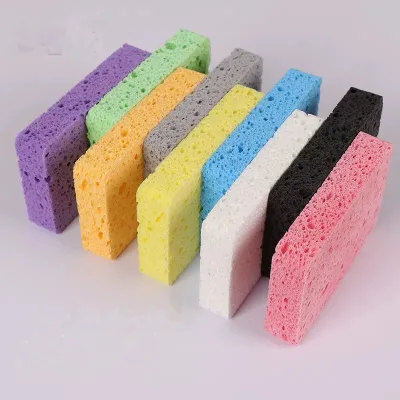

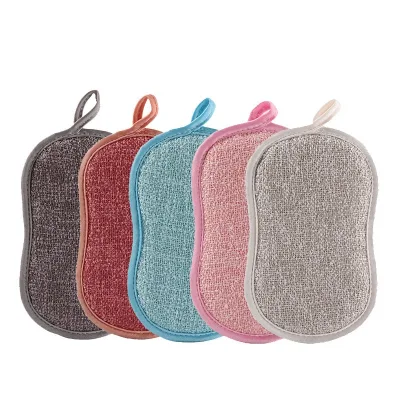
Eco-friendly Kitchen Microfiber Cleaning Dishwashing Sponge Washable Dish Sponge
$0.28 - $0.34
MOQ: 1000 pieces
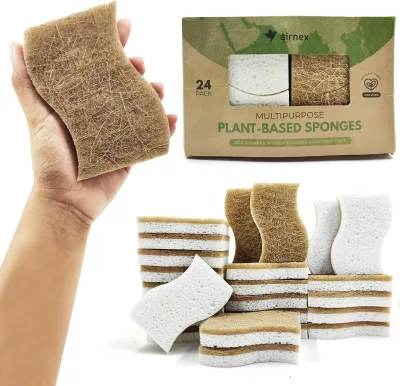

Heavy Duty Scrubber Dish Washing Kitchen Clean Sponge Eco Friendly Sponge
$0.07 - $0.13
MOQ: 10000 Pieces
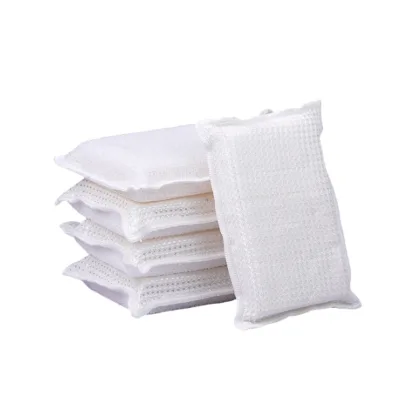

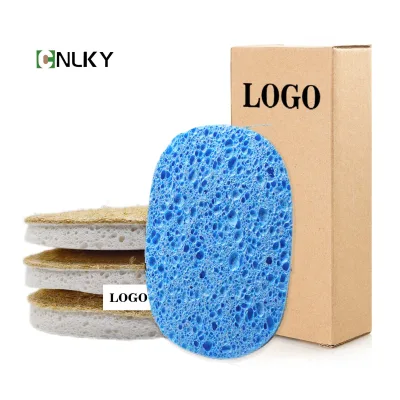
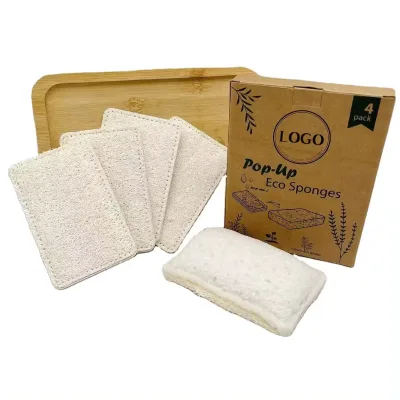
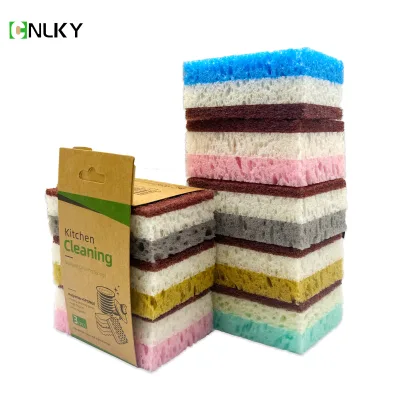
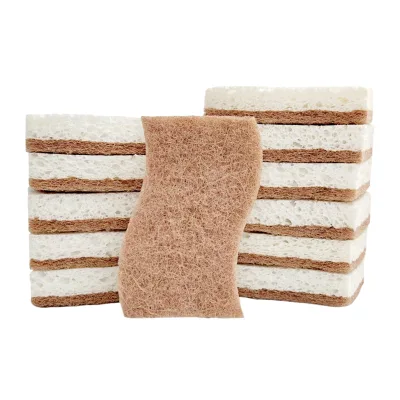
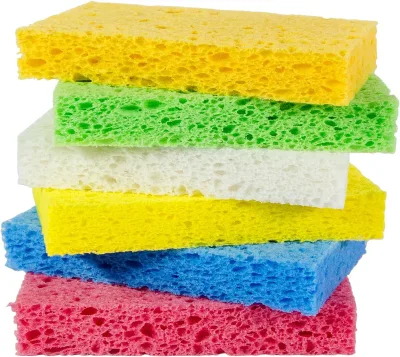
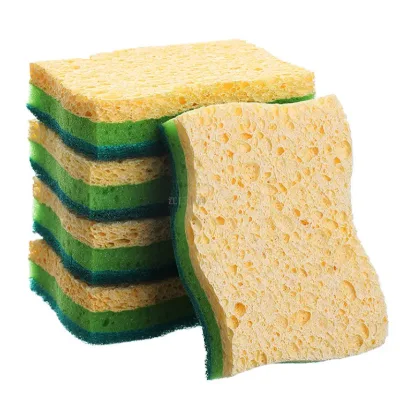


Comprehensive Sourcing Guide
Biodegradable Eco-Friendly Kitchen Sponge Sourcing Guide
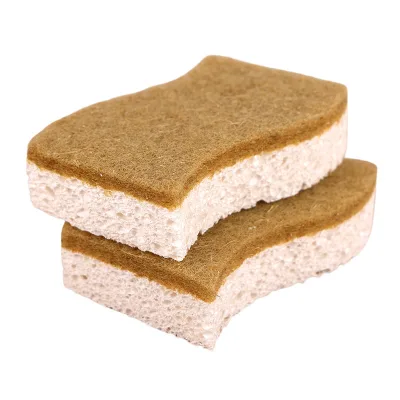
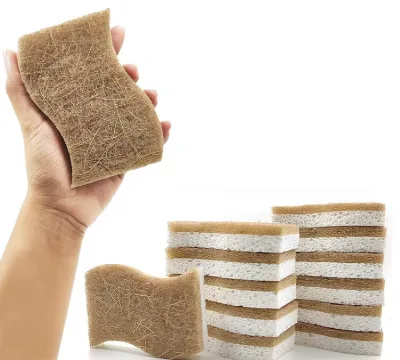
Buyers must first distinguish between specific material compositions when evaluating biodegradable kitchen sponges, as the supply chain offers distinct options like sisal blended with wood pulp cotton or pure cellulose sponge variants. The observed product listings indicate that while some items are explicitly described as eco-friendly, the underlying material structure varies significantly between natural fiber blends and synthetic cellulose formulations. This distinction is critical because the biodegradability rate and water absorption capacity depend heavily on the specific ratio of natural fibers to cellulose pulp used in the manufacturing process.
Procurement teams should also verify the physical form factor, as the market presents both round shapes and rectangular blocks with varying dimensions ranging from approximately 7x11x2 cm to larger 11x7x3 cm units. The packaging data reveals a split between bulk shipments and individual OPP bag or carton configurations, which directly impacts downstream logistics and retail presentation. Understanding these physical and material variances allows buyers to align their product selection with specific sustainability goals and functional requirements for dishwashing or general kitchen cleaning tasks.
Product Scope and Observed Listing Signals
The current market signals indicate a strong presence of products labeled as eco-friendly and stocked for immediate distribution, with a primary focus on kitchen cleaning applications. Listings frequently highlight features such as super water absorption and easy cleaning capabilities, suggesting that performance is a key differentiator alongside environmental claims. Buyers should note that while many items are marketed as biodegradable, the specific material composition often includes a mix of sisal and wood pulp cotton or pure cellulose, requiring careful verification of the actual fiber content to ensure the product meets specific sustainability mandates.
Commercial signals also reveal a wide range of customization options, with many suppliers offering OEM services and the ability to print custom colors on white sponge bases. The observed data shows that packaging varies from simple bulk arrangements to more structured OPP bag and carton combinations, with some listings specifying carton quantities of 500 pieces. This variability suggests that buyers can tailor the product to their brand identity through custom sizing and printing, but they must confirm that these customizations do not compromise the biodegradable nature of the core sponge material.
Technical Specifications to Verify
Verification of absorption capacity is a primary technical requirement, as observed data suggests a range of 250% to 500% for water retention, which directly correlates with cleaning efficiency. Buyers must request specific test data for the absorption rate of the cellulose or sisal blend they intend to purchase, as this metric can fluctuate based on the density of the pulp and the presence of any binding agents. Ensuring the sponge meets the required absorption threshold is essential for maintaining product performance standards in competitive kitchen cleaning markets.
Dimensional consistency and weight are equally critical specifications that vary across different model numbers and production batches. The observed listings show standard sizes such as 11x6x3 cm or 9x6x4 cm, with individual unit weights ranging from 13 grams to 20 grams or more depending on customization. Procurement teams should validate that the single package size and carton dimensions align with their logistics constraints, as discrepancies in these physical attributes can lead to increased shipping costs and inefficient palletization during international transport.
Compliance and Safety Documentation
While some suppliers list ISO9001 and CE certifications, buyers must treat these as potential attributes rather than guaranteed standards for every listed product. The presence of these certifications indicates a commitment to quality management and safety, but verification is necessary to ensure the specific batch of biodegradable sponges complies with the relevant safety regulations for food contact and general household use. Relying solely on the presence of a certification label without confirming its validity for the specific product type can expose the buyer to regulatory risks in their target markets.
Buyers should also investigate the absence of specific environmental certifications like FSC, which appears only in low-confidence background data and should not be assumed as a standard feature. Since the core material involves wood pulp, confirming the source of the pulp and any associated forestry certifications is vital for validating the "biodegradable" and "eco-friendly" claims. Without concrete documentation regarding the origin of the raw materials, the sustainability narrative of the product may lack the necessary backing to satisfy rigorous corporate procurement standards or consumer expectations.
Cost Drivers and Commercial Terms
The minimum order quantity (MOQ) represents a significant variable in the commercial terms, with observed ranges spanning from 1 piece for sampling up to 10,000 pieces for large-scale production runs. This wide disparity means that buyers must carefully align their order volume with their inventory strategy, as smaller orders may incur higher per-unit costs while larger orders might require significant capital outlay and storage capacity. Understanding the specific MOQ for the desired customization level is essential for negotiating a viable price point and managing cash flow effectively.
Pricing structures are further influenced by the level of customization required, including custom branding, specific dimensions, and unique packaging configurations. The observed data indicates that while standard items are available, custom orders often involve additional processing steps that can impact the final unit price. Buyers should anticipate that requests for specific colors, custom sizes, or specialized packaging like OPP bags within cartons will likely result in a higher cost per unit compared to standard white, bulk-packaged items.
Supplier Qualification and Quality Control
Supplier qualification should focus on verifying the place of origin, as the majority of observed listings indicate production in China, with specific mentions of Shandong as a manufacturing hub. Buyers must assess the logistical capabilities of these suppliers to ensure they can consistently meet lead times and maintain the quality of biodegradable materials during transit. The location of the factory can also influence the carbon footprint of the shipment, which is a relevant consideration for companies with strict sustainability goals regarding their supply chain emissions.
Quality control protocols must be established to monitor the consistency of the sponge material, particularly regarding the blend of sisal and wood pulp cotton or cellulose. Since the product is designed for kitchen use, ensuring that the sponge does not shed excessive fibers or degrade prematurely is crucial for maintaining brand reputation. Buyers should implement a rigorous inspection process that includes checking for defects in the sponge shape, verifying the accuracy of the printed colors, and confirming that the packaging protects the product from moisture damage during storage and shipping.
Long-Term Procurement Checks
Long-term procurement strategies should include regular audits of the supplier's ability to maintain the biodegradable properties of the sponge over time. As the market evolves, buyers must ensure that the raw materials used in production remain consistent and that the supplier does not introduce non-biodegradable additives that could compromise the product's environmental claims. Continuous monitoring of the material composition is necessary to prevent drift in product quality that could lead to customer dissatisfaction or regulatory non-compliance.
Buyers should also establish a feedback loop to track market trends and consumer preferences regarding eco-friendly kitchen cleaning products. The observed data shows a global market focus, indicating that demand for sustainable solutions is likely to grow. By staying informed about changes in consumer behavior and regulatory landscapes, procurement teams can proactively adjust their sourcing strategies to ensure their product offerings remain competitive and aligned with the evolving expectations of the global marketplace.
FAQs
What materials are used in these biodegradable kitchen sponges?
The sponges are crafted from a blend of sisal and wood pulp cotton, ensuring they are fully biodegradable and eco-friendly. This natural composition provides effective scrubbing power while remaining gentle on surfaces. The material choice supports sustainable kitchen cleaning practices and reduces environmental impact compared to synthetic alternatives.
Can I customize the size and packaging for bulk orders?
Yes, customization is available for both product dimensions and packaging solutions. Buyers can request specific sizes and opt for bulk packaging in OPP bags or cartons. This flexibility allows businesses to tailor the product to their specific retail or distribution needs while maintaining the core eco-friendly attributes of the sponge.
What is the minimum order quantity for these sponges?
The minimum order quantity varies by supplier, ranging from 1 piece to 10,000 pieces. Some listings specify an MOQ of 1,000 or 2,000 units for standard orders. Buyers should verify the specific MOQ with the manufacturer to ensure it aligns with their procurement volume and budget constraints for bulk purchasing.
Are these sponges suitable for washing dishes and general cleaning?
Yes, these sponges are designed for washing dishes and general kitchen cleaning tasks. Their super water absorption and easy cleaning features make them highly practical for daily use. The durable sisal and wood pulp cotton blend ensures effective scrubbing without damaging cookware, making them a versatile tool for household maintenance.
Where are these biodegradable sponges manufactured and shipped from?
These sponges are manufactured in China, with specific origins noted in Shandong. The products are shipped globally, supporting international B2B trade. Buyers can expect reliable logistics from Chinese factories, with packaging options like OPP bags and cartons designed to protect the sponges during transit to various global markets.
What certifications do these eco-friendly sponges hold?
Some suppliers offer sponges with ISO9001 and CE certifications, indicating adherence to quality and safety standards. While FSC is mentioned in background context, buyers should verify specific certifications with the manufacturer. These credentials help ensure the product meets international requirements for eco-friendly kitchen cleaning tools and sustainable manufacturing practices.