Source Household Cleaning Spunlace Nonwoven Fabric for Hospital, Home, Garment
Find 30 listings for Household Cleaning Spunlace Nonwoven Fabric with features like eco-friendly, breathable, and anti-bacterial properties. Compare specifications including weight, width, and customization options from suppliers in China; compare the available evidence and request quotations based on your requirements.
Updated
Key considerations
Products List


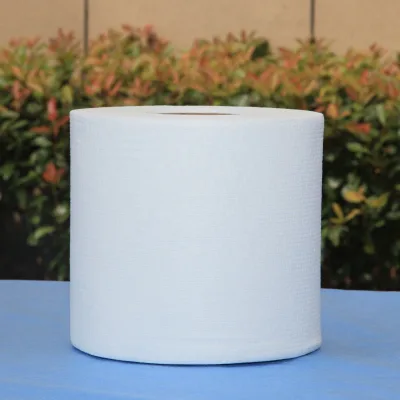

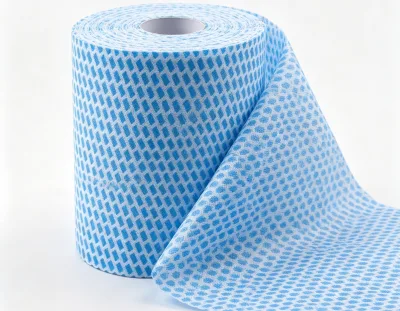
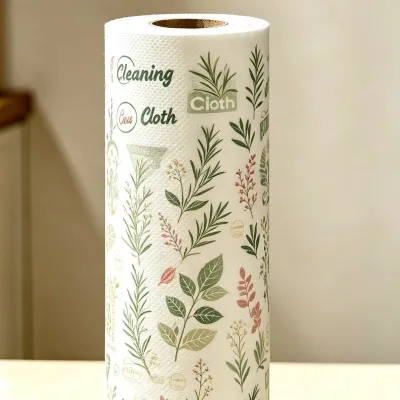
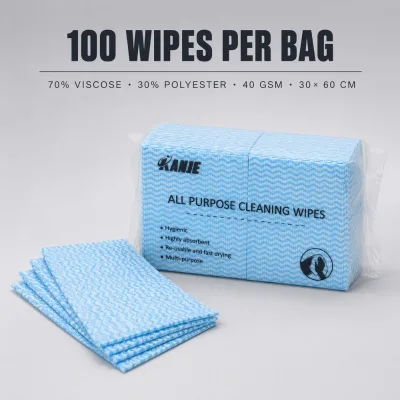
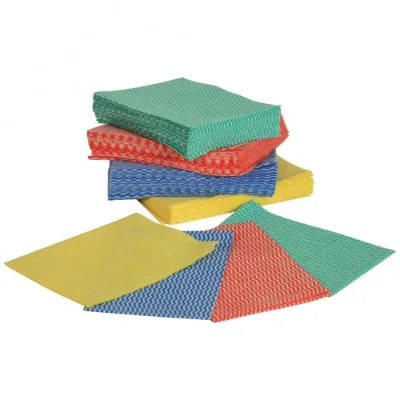
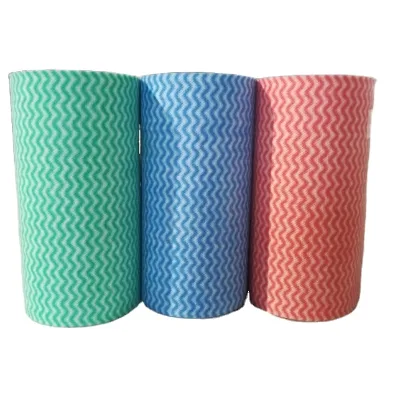
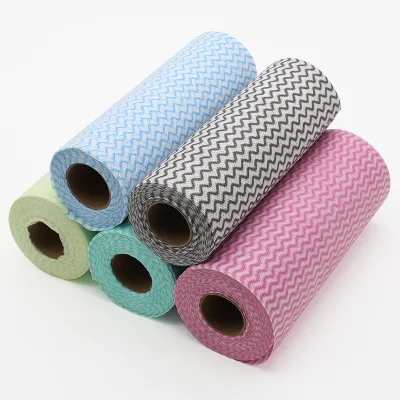


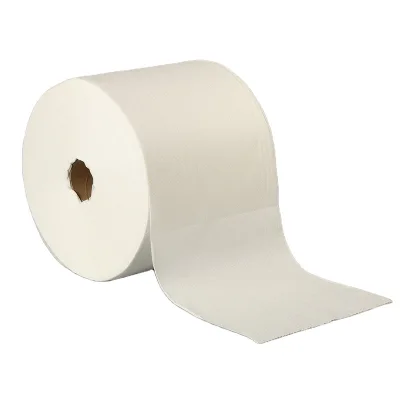
Cellulose Nonwoven Cleaning Cloths Durable Spunlace Nonwoven Fabric for Industry Cleaning
$16.3421 - $16.4455
MOQ: 2000 rolls

Comprehensive Sourcing Guide
Household Cleaning Spunlace Nonwoven Fabric Sourcing Guide
Sourcing Household Cleaning Spunlace Nonwoven Fabric requires a clear understanding of the material’s structural integrity and functional versatility. This guide focuses on the specific attributes observed in current market listings, ensuring buyers can make informed decisions based on verified product data rather than generic assumptions. The primary focus is on identifying suppliers who can deliver consistent quality for applications ranging from home textiles to industrial hygiene needs.
Buyers must distinguish between standard spunlace techniques and other nonwoven methods to ensure the fabric meets the specific absorbency and durability requirements for cleaning tasks. The observed market data indicates a strong preference for polyester and viscose blends, which offer a balance of strength and softness. Understanding these material compositions is the first step in defining precise procurement specifications that align with end-use performance expectations.
Product Scope and Observed Listing Signals
The current market for Household Cleaning Spunlace Nonwoven Fabric presents a diverse range of options, with observed prices ranging from $0.40 to $16.45 USD per unit. This wide variance suggests significant differences in material grade, weight, and finishing treatments. Buyers should note that minimum order quantities (MOQs) vary drastically, starting from just one unit up to 20,000 units, allowing for both small-scale testing and large-volume industrial procurement strategies.
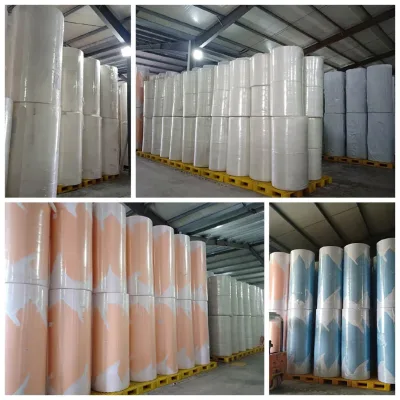
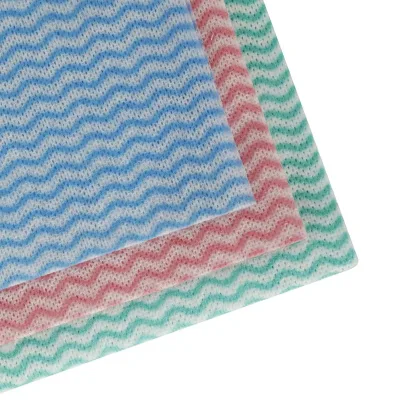
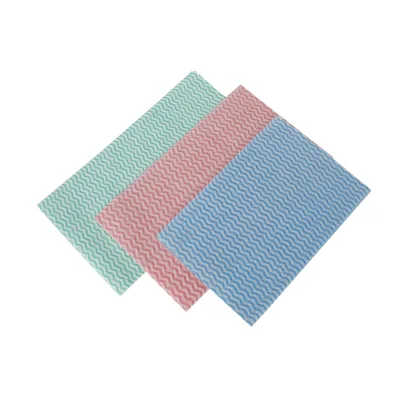
Listing signals indicate that customization is widely available, with suppliers offering various weights between 20 and 150 GSM. The fabric is typically supplied in widths of 58/60 inches or 120 inches, depending on the production line capabilities. Patterns observed include plain, dot, cross, and herringbone designs, with embossed styles being common for enhanced cleaning efficiency. These visual and structural variations directly impact the fabric’s utility in different cleaning scenarios.
Technical Specifications to Verify
Verifying the technical specifications of spunlace nonwoven fabric is critical for ensuring performance in household cleaning applications. The core material composition is typically a blend of polyester and viscose, which provides the necessary tensile strength and liquid absorption capabilities. Buyers must confirm the specific GSM weight for their intended use, as lighter weights may be suitable for delicate surfaces while heavier weights offer durability for tough stains.
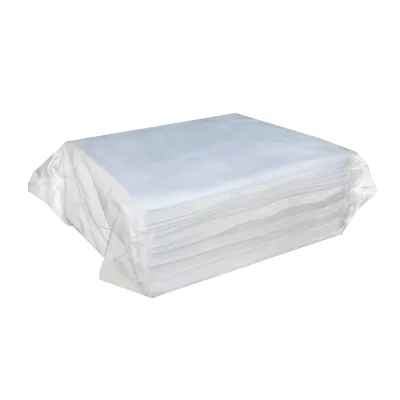
Additional technical features to verify include anti-tear, anti-pull, and anti-bacterial properties, which are frequently highlighted in product listings. The fabric should also exhibit breathability and eco-friendly characteristics, aligning with modern sustainability standards. It is essential to confirm whether the fabric is supplied in loose loading or carton-packed formats, as this affects storage and handling logistics. Thickness is generally described as lightweight, which is optimal for disposable cleaning supplies.
Compliance and Safety Documentation
While specific certification statuses are not explicitly confirmed in the provided data, buyers should prioritize suppliers who can demonstrate adherence to international safety and environmental standards. The mention of OEKO-TEX in background contexts suggests that such certifications may be relevant for products intended for home and hygiene use. Buyers must request documentation to verify that the fabric is free from harmful substances, ensuring safety for use around children and pets.
Eco-friendly attributes are a key selling point, with many suppliers emphasizing their commitment to sustainable production methods. Buyers should inquire about the sourcing of raw materials, particularly the distinction between imported and domestic grades of polyester and viscose. Confirming that the production process aligns with eco-friendly claims helps mitigate reputational risk and ensures compliance with increasingly strict environmental regulations in various markets.
Cost Drivers and Commercial Terms
Several factors influence the final cost of Household Cleaning Spunlace Nonwoven Fabric, including material composition, GSM weight, and order volume. The observed price range reflects these variables, with higher-quality blends and specialized finishes commanding premium prices. Buyers should consider the total cost of ownership, including shipping and packaging, which can vary based on whether the fabric is packed in weaving bags or film packages.
Commercial terms often include a 30% advance payment, with lead times typically around 30 days for production. Supply ability is reported to be up to 200 tons per day, indicating that large orders can be fulfilled efficiently. Buyers should negotiate terms that align with their cash flow requirements and delivery schedules, ensuring that the supplier can meet their volume needs without compromising on quality or timing.
Supplier Qualification and Quality Control
Qualifying suppliers for spunlace nonwoven fabric requires a thorough assessment of their production capabilities and quality control processes. Buyers should verify the supplier’s place of origin, with many listings indicating production in China, particularly in regions like ZHE. It is crucial to confirm that the supplier has the necessary equipment to produce the desired width, pattern, and style consistently across large batches.
Quality control measures should include regular testing for tensile strength, absorbency, and dimensional stability. Buyers should request samples to evaluate the fabric’s texture, durability, and cleaning performance firsthand. Many suppliers offer full sets of nonwoven samples, which is an excellent opportunity to assess the product before committing to a large order. Establishing a clear communication channel for addressing quality issues is also essential for long-term partnership success.
Long-Term Procurement Checks
Establishing long-term procurement relationships for Household Cleaning Spunlace Nonwoven Fabric involves regular performance reviews and continuous improvement initiatives. Buyers should monitor supplier performance metrics, such as on-time delivery rates, defect rates, and responsiveness to issues. Regular audits of the supplier’s production facilities can help ensure that quality standards are maintained over time and that any changes in raw materials or processes are communicated promptly.
Sustainability should remain a key focus, with buyers encouraging suppliers to adopt more eco-friendly practices and materials. As market trends evolve, buyers should stay informed about new developments in nonwoven technology and material science. Building a resilient supply chain requires flexibility and adaptability, ensuring that the procurement strategy can respond to changes in demand, regulatory requirements, and competitive pressures effectively.
FAQs
What customization options are available for this fabric?
Customization is available for this spunlace nonwoven fabric to meet specific buyer needs. You can select from various patterns including plain, dot, cross, or herringbone styles. The material composition can be adjusted between polyester and viscose blends while maintaining the required weight range of 20 to 150 GSM for different applications.
How is the fabric packed for shipping and delivery?
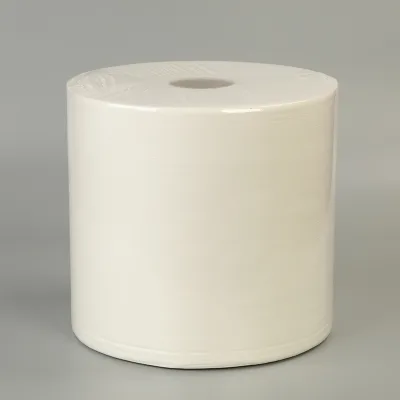
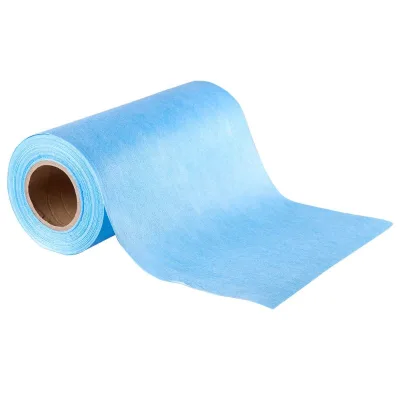
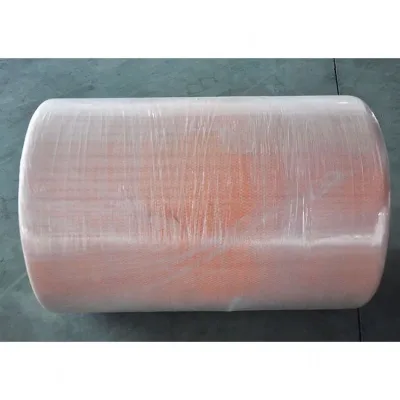
The fabric is typically packed in loose loading or carton packed configurations depending on order requirements. Some specific rolls may be wrapped in film packages or woven bags containing 1000 to 1500 meters per roll. This flexible packaging ensures the material remains protected during transit to international destinations like Shanghai.
Can I order samples before placing a bulk order?
Yes, a full set of nonwoven samples is available for evaluation before committing to a large purchase. This allows buyers to verify the quality, texture, and performance of the spunlace fabric firsthand. Samples help confirm that the material meets your specific standards for industrial, hospital, or home textile applications.
What is the typical lead time for manufacturing orders?
The standard lead time for manufacturing orders is approximately 30 days from the confirmation of payment. This timeline applies to make-to-order production runs where customization or specific specifications are required. Buyers should plan their inventory accordingly to ensure timely delivery for their industrial or hygiene projects.
Which payment terms are accepted for new orders?
A 30% advance payment is required to initiate the production process for new orders. This standard term helps secure the manufacturing slot and raw materials needed for your specific fabric requirements. The remaining balance is typically settled upon completion of production or as agreed in the final contract terms.
What are the key features of this nonwoven material?
This material features eco-friendly properties along with breathability and anti-bacterial capabilities. It is designed to be anti-tear and anti-pull, ensuring durability for heavy-duty applications. These characteristics make it suitable for diverse uses ranging from disposable supplies to auto upholstery and garment manufacturing.
What is the supply capacity for daily production?
The supplier has a supply ability of 200 tons per day to meet high-volume demands. This capacity supports large-scale orders for industrial and hygiene applications without significant delays. Buyers requiring substantial quantities can rely on this consistent output to maintain their production schedules and project timelines effectively.