Source Eco Friendly Disposable Cricket Ball for Schools, Clubs, Training
Compare 29 Eco Friendly Disposable Cricket Ball options from verified suppliers. Buyers can review specifications like weight, material, and MOQ to find suitable products for schools, clubs, and training sessions; compare the available evidence and request quotations based on your requirements.
Updated
Key considerations
Products List


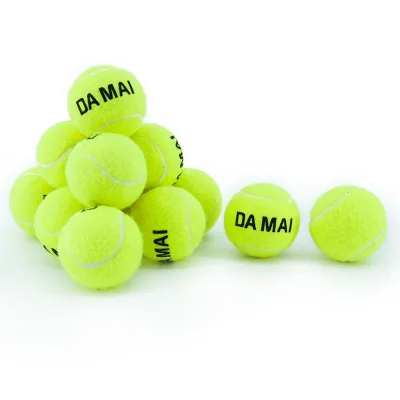
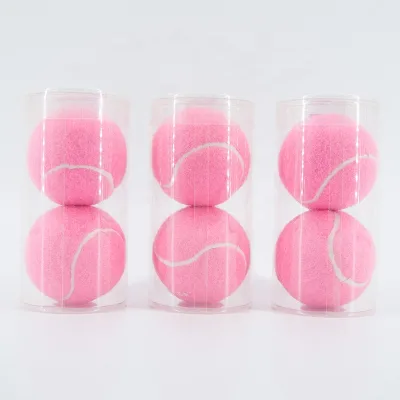
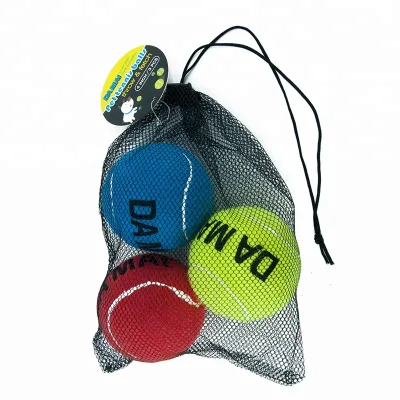
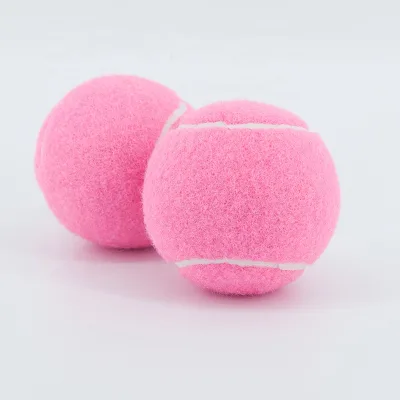
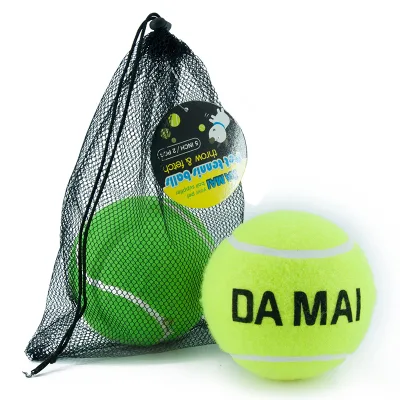
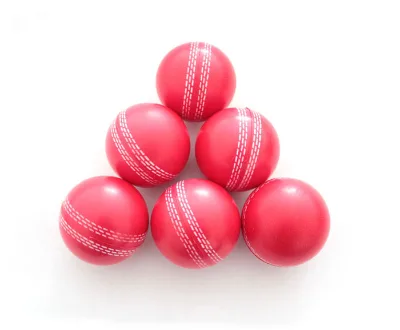
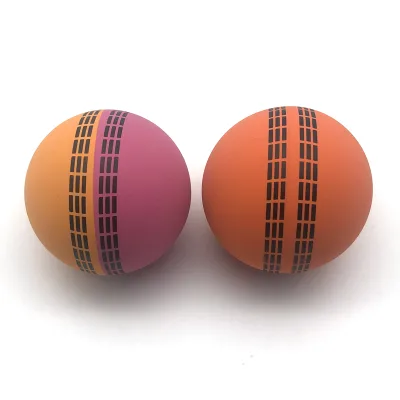
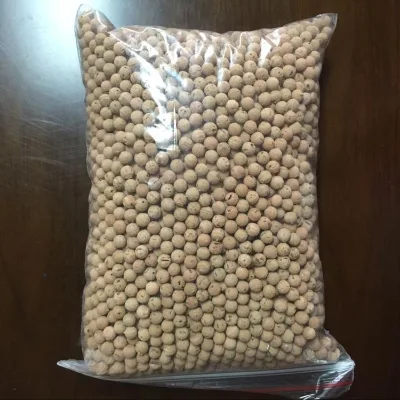
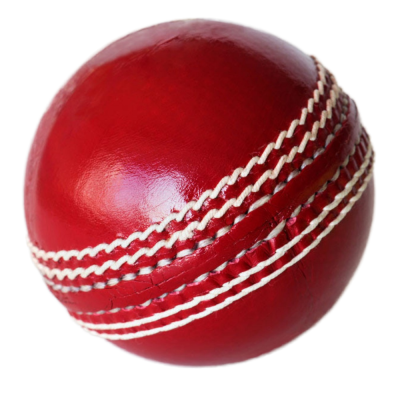
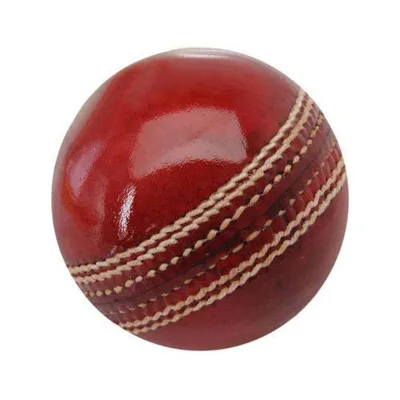
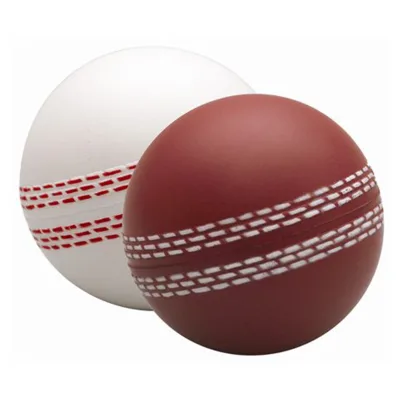
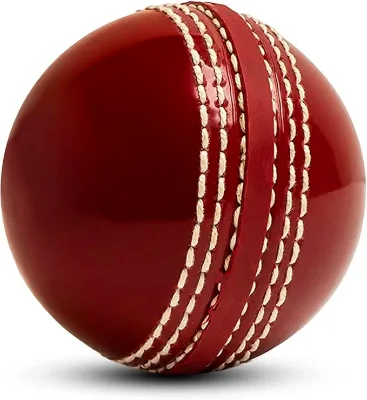
Wholesale Price Leather Cricket Ball Handmade Match Ball Custom Logo
$15.5506 - $18.4137
MOQ: 20 pieces
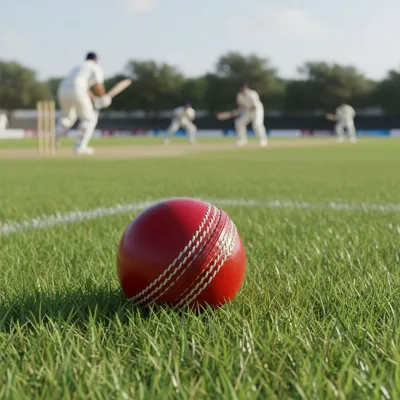
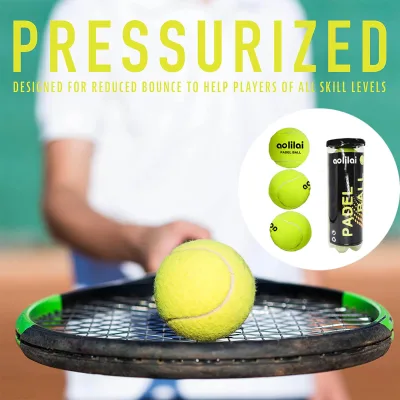
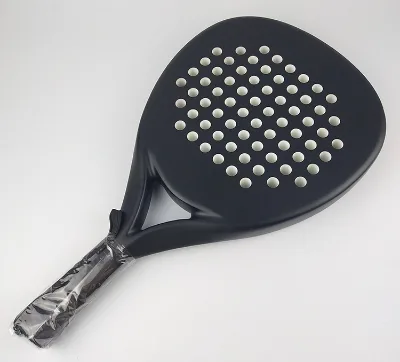
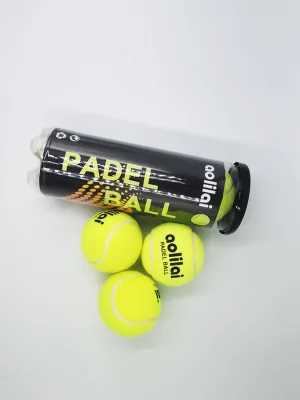
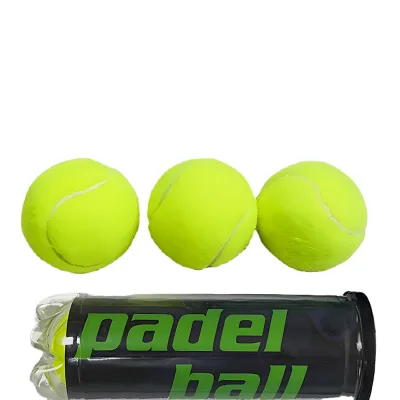
High-Quality Competition-Grade High-Resilience Wear-Resistant Durable Wool Cricket Ball
$2.1001 - $2.8256
MOQ: 80 barrels
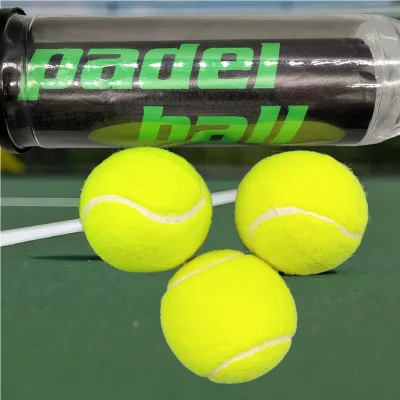
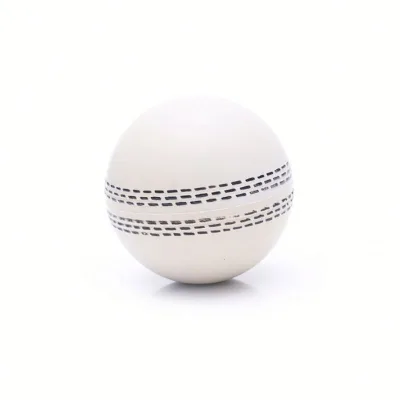

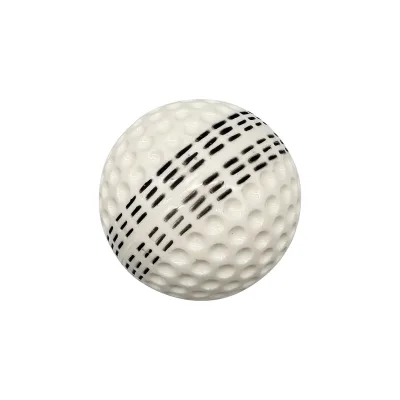

Comprehensive Sourcing Guide
Eco Friendly Disposable Cricket Ball Sourcing Guide
Procuring eco-friendly disposable cricket balls requires a nuanced understanding of material science and sustainable manufacturing practices. Buyers must distinguish between truly biodegradable options and those merely marketed as green through recycled content. The core challenge lies in balancing environmental claims with the rigorous performance standards expected in cricket, such as consistent bounce and durability. Sourcing guides often highlight the tension between disposability and the traditional longevity of cricket equipment, necessitating careful evaluation of product lifecycles.
This guide focuses on evidence-based procurement strategies for buyers seeking sustainable alternatives in the sports equipment sector. By analyzing observed market signals, technical specifications, and compliance requirements, purchasers can make informed decisions that align with corporate sustainability goals without compromising on quality. The following sections provide a structured approach to evaluating suppliers, verifying claims, and establishing robust commercial terms for eco-friendly cricket ball acquisitions.
Product Scope and Observed Listing Signals
The current market for eco-friendly cricket balls presents a diverse range of materials, primarily focusing on polyurethane (PU) and polyester blends. Observed listings indicate a strong emphasis on customization, with suppliers offering various colors including yellow, white, green, and pink to meet specific team or branding requirements. The weight of these balls varies significantly, ranging from lightweight options around 45-60 grams to heavier variants weighing 140-150 grams, catering to different age groups and skill levels. This variability allows buyers to tailor their procurement to specific demographic needs, such as youth training or adult recreational play.
Shipping terms and origin locations are critical factors in the sourcing landscape, with many suppliers based in China, particularly in Shanghai, offering FOB terms. The observed minimum order quantities (MOQ) range widely from 1200 pieces to 5000 pieces, reflecting the economies of scale inherent in manufacturing. Some suppliers offer lower MOQs of 1 piece, which may indicate sample availability or small-batch production capabilities. Buyers should carefully assess these logistical details to ensure alignment with their inventory management strategies and budget constraints, while also considering the environmental impact of transportation.
Technical Specifications to Verify
Technical verification is paramount when sourcing eco-friendly cricket balls, particularly regarding size and weight consistency. Standard sizes observed include 9-inch and 12-inch diameters, with specific models like RQ2205 and RQ23401 indicating distinct product lines. Diameter measurements such as 63.5mm are common, ensuring compatibility with standard cricket bats and wickets. Buyers must verify that the weight specifications, whether listed as 56g, 60g, or 145g, align with international cricket regulations for the intended level of play. Inconsistent weights can lead to unpredictable ball behavior, affecting the fairness and enjoyment of the game.
Bounce characteristics and material composition are also key technical aspects to scrutinize. Some products boast a rebound height of 80-120cm or 80-147cm, which is crucial for assessing performance quality. The use of pressureless designs and materials like high-quality rubber, felt, or wool blends suggests a focus on durability and consistent performance. Additionally, the availability of ODM services indicates that suppliers can customize products to meet specific technical requirements. Buyers should request detailed technical data sheets to confirm these specifications and ensure that the balls meet the necessary performance standards for their intended use.
Compliance and Safety Documentation
Compliance with safety standards is a non-negotiable aspect of sourcing cricket balls, especially those marketed as eco-friendly. The CE standard is a notable certification observed in some listings, indicating adherence to European health, safety, and environmental protection standards. Buyers must verify that all products meet the relevant regulatory requirements for their target markets, including any specific sports equipment standards. This verification process helps mitigate risks associated with product liability and ensures that the balls are safe for use by players of all ages.
Eco-friendly claims must be substantiated by credible documentation to avoid greenwashing. Buyers should request evidence of sustainable sourcing practices, such as the use of recycled materials or biodegradable components. The observation that some products are labeled as eco-friendly suggests a growing market demand for sustainable sports equipment. However, it is essential to validate these claims through third-party certifications or detailed material safety data sheets. This due diligence ensures that the procurement aligns with corporate sustainability commitments and regulatory expectations.
Cost Drivers and Commercial Terms
Cost drivers in the eco-friendly cricket ball market are influenced by material costs, manufacturing complexity, and order volume. The observed price range of $0.1 to $34.7 USD reflects the diversity in product quality and specifications. Higher-priced items may offer superior materials, such as premium PU or specialized blends, while lower-priced options might be suitable for casual play or training purposes. Buyers should analyze the cost per unit in relation to the expected lifespan and performance of the balls to determine the true value proposition.
Commercial terms, including MOQs and supply ability, play a significant role in procurement planning. Suppliers with a monthly supply ability of 300,000 pieces can accommodate large orders, ensuring consistent availability. However, high MOQs may pose challenges for smaller buyers or those testing new markets. Negotiating flexible terms, such as tiered pricing or lower initial MOQs, can help manage cash flow and reduce inventory risks. Buyers should also consider the total cost of ownership, including shipping and handling, to make informed financial decisions.
Supplier Qualification and Quality Control
Supplier qualification is a critical step in ensuring the reliability and quality of eco-friendly cricket balls. Buyers should assess suppliers based on their production capabilities, quality control processes, and commitment to sustainability. The availability of ODM services indicates a supplier's ability to customize products, which can be a valuable asset for buyers with specific requirements. Additionally, suppliers with a strong track record in the industry are more likely to deliver consistent quality and meet delivery deadlines.
Quality control measures should be rigorously evaluated to ensure that the balls meet specified standards. Buyers should request samples for testing and verification of key attributes such as weight, size, and bounce. Implementing a robust quality assurance protocol, including regular inspections and audits, can help maintain product quality throughout the supply chain. Collaborating with suppliers who prioritize quality control not only enhances product reliability but also strengthens the buyer-supplier relationship, leading to long-term partnerships and improved procurement outcomes.
Long-Term Procurement Checks
Long-term procurement checks involve continuous monitoring of supplier performance and market trends to ensure sustained value. Buyers should establish key performance indicators (KPIs) to evaluate suppliers on metrics such as delivery reliability, product quality, and responsiveness to issues. Regular reviews of these KPIs help identify areas for improvement and foster a culture of continuous improvement within the supply chain. Additionally, staying informed about advancements in sustainable materials and manufacturing technologies can provide opportunities for innovation and cost savings.
Building a resilient supply chain requires diversification and risk management strategies. Buyers should consider sourcing from multiple suppliers to mitigate the risk of disruptions and ensure continuity of supply. Regular communication with suppliers and stakeholders helps maintain alignment on sustainability goals and quality expectations. By proactively managing these relationships and staying adaptable to market changes, buyers can secure a reliable supply of eco-friendly cricket balls that meet their evolving needs and contribute to their overall sustainability objectives.
FAQs
What materials are used for eco friendly disposable cricket balls?
Manufacturers typically use PU, polyester, or high-quality rubber and felt for these balls. Some options include wool blends for specific performance needs. These materials ensure the product meets entertainment usage standards while remaining suitable for adult players. Buyers can often request customized material compositions to align with specific durability or environmental requirements for their target market.
Can I customize the color and packaging of these cricket balls?
Yes, customization is available for both color and packaging. Suppliers offer options like yellow, white, green, pink, or custom colors. Packaging can be box packing, single bag, or custom configurations. This flexibility allows buyers to brand products effectively. Customization services often include ODM support, ensuring the final product matches specific design and branding requirements for global distribution.
What is the typical weight and size of these cricket balls?
Weights vary by model, ranging from 45g to 150g. Common sizes include 63.5mm diameter or 9-inch standards. Some models weigh approximately 60g, while others are lighter at 55g. These specifications cater to different playing styles and age groups. Buyers should select the appropriate weight and size based on the intended usage, whether for professional training or casual entertainment.
What are the MOQ and pricing terms for bulk orders?
MOQs typically range from 500pcs to 1200pcs, depending on the supplier and customization level. Prices generally fall between $0.1 and $34.7 per unit. Terms often include FOB shipping from Shanghai. Buyers should verify specific MOQs and pricing with suppliers, as these values depend on order volume, material selection, and packaging requirements for the final product.
Which certifications and standards do these cricket balls meet?
Products often comply with CE standards and specific size specifications like 9-inch or 12-inch. Some models are pressureless and feature high rebounce rates between 80-147cm. Eco-friendly attributes are also highlighted. Buyers should request documentation to verify compliance with regional safety and quality standards, ensuring the products meet regulatory requirements for their target markets.
Where are these cricket balls manufactured and shipped from?
Most products originate from China, specifically Shanghai. Suppliers typically ship via FOB terms from this port. The manufacturing location ensures access to established supply chains for materials like PU and polyester. Buyers should confirm the exact place of origin and shipping port with suppliers to understand logistics costs and lead times for international delivery.