Source Stainless Steel Wire Shoe Brush for Cleaning, Polishing, and Maintenance
Compare 30 Stainless Steel Wire Shoe Brush options from verified suppliers. Buyers can evaluate specifications like bristle length, handle material, and certifications to find the right tool for household cleaning and industrial applications; compare the available evidence and request quotations based on your requirements.
Updated
Key considerations
Products List

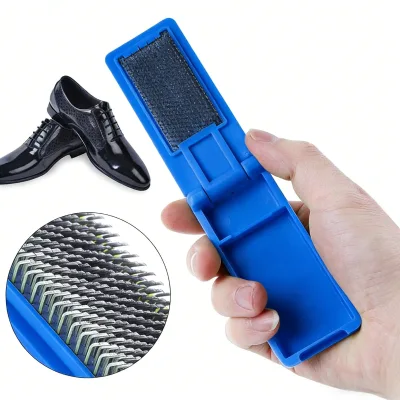
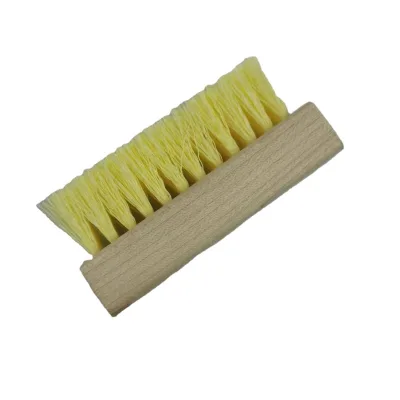
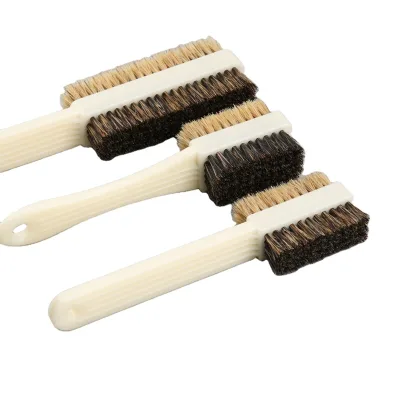
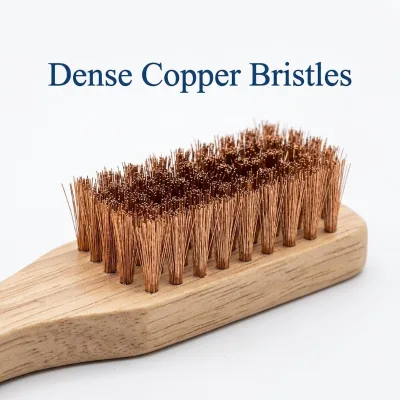
Comprehensive Sourcing Guide
Stainless Steel Wire Shoe Brush Sourcing Guide
The market for stainless steel wire shoe brushes presents a distinct category within general household cleaning tools, often overlapping with specialized suede and nubuck care products. While many listings emphasize soft bristles for delicate leather, the specific demand for wire variants targets heavy-duty applications such as removing stubborn dirt, paint, rust, and scale from durable footwear or industrial soles. Buyers must carefully distinguish between standard plastic or sisal brushes and those constructed with carbon steel or stainless steel filaments, as the latter offers superior abrasion resistance but requires precise handling to avoid damaging sensitive upper materials.
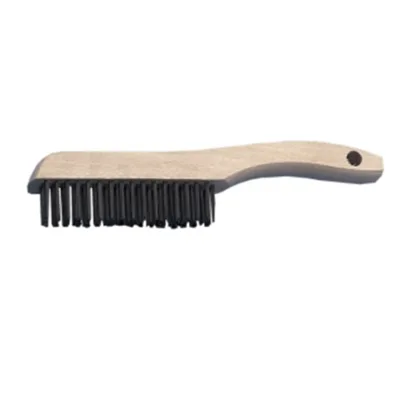
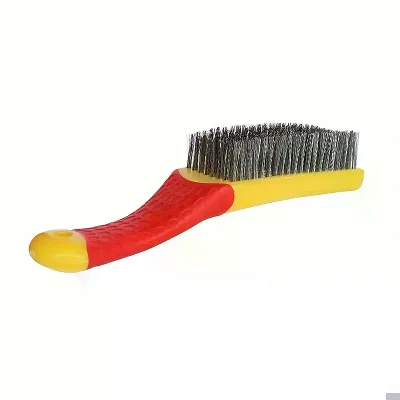
Procurement decisions should prioritize the specific filament shape and stem material to ensure the tool matches the intended cleaning intensity. Available data indicates that filament shapes range from cross wires to straight and curved configurations, each serving different scrubbing scenarios. When sourcing, verify that the stem material, whether stainless steel wire or iron wire, aligns with the required durability for repeated industrial or heavy household use, ensuring the brush can withstand high-temperature resistance and antibacterial cleaning requirements without structural failure.
Product Scope and Observed Listing Signals
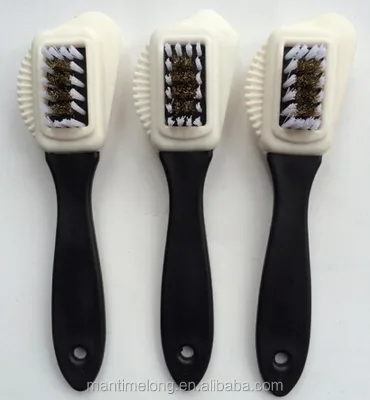
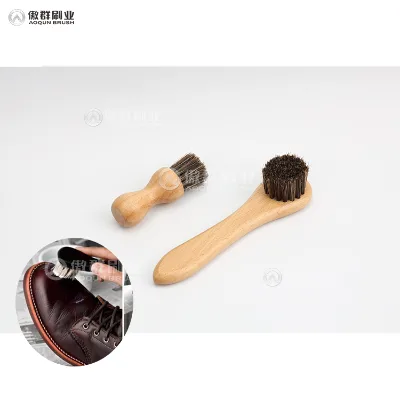
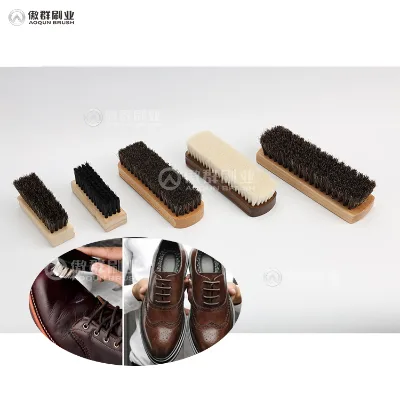
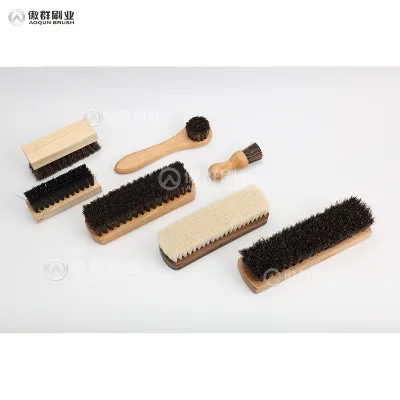
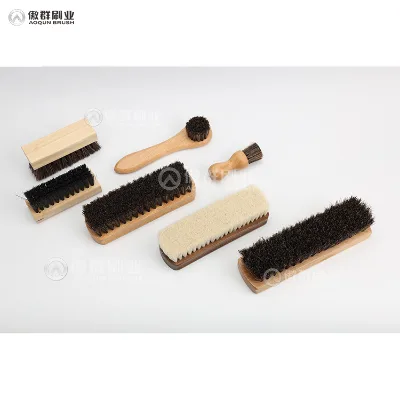
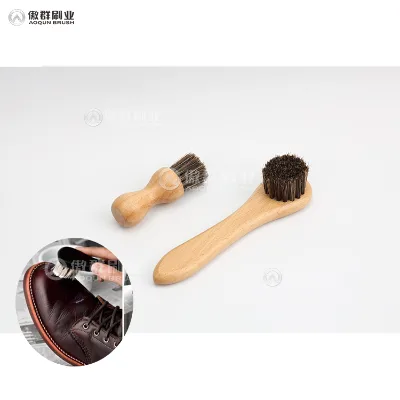
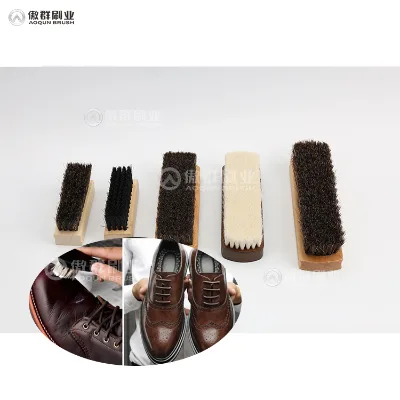
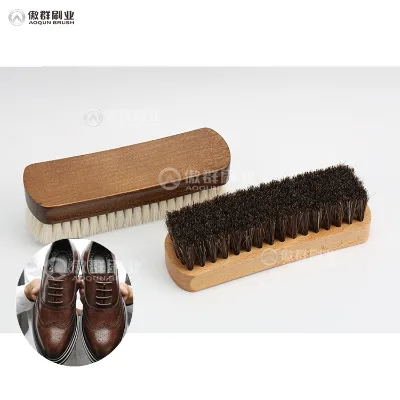
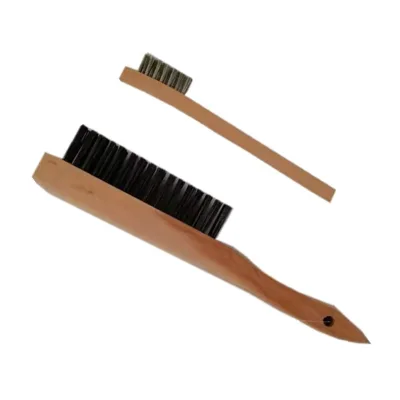
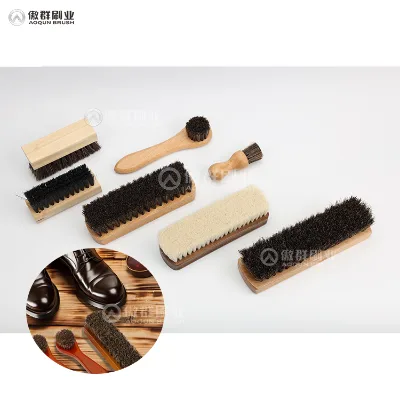
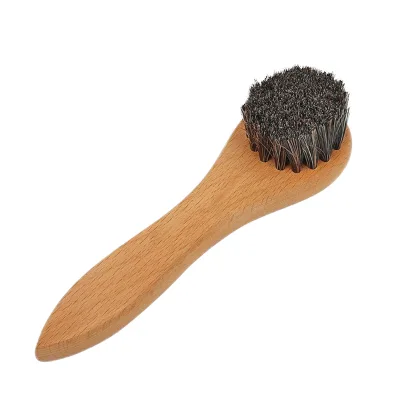
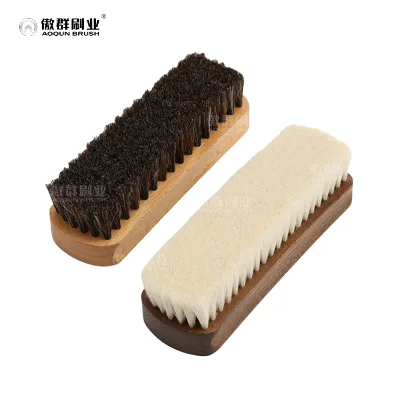
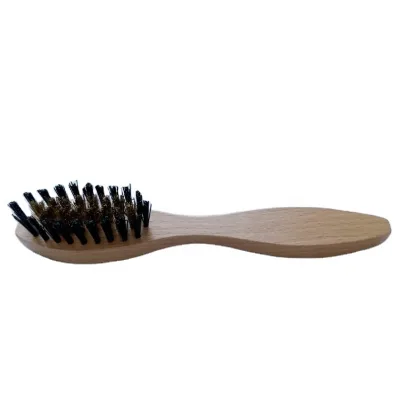
Current market listings reveal a diverse range of product attributes, including specific model numbers like MT163 and AQ-shoe brush, which indicate varying degrees of specialization. Some products are explicitly marketed as three-sided brushes designed for practical, durable cleaning of suede and nubuck, while others focus on general scrubbing situations for removing heavy contaminants. The observed product types span from simple household sundries to specialized cleaning brushes with wooden handles, suggesting that buyers must scrutinize the material composition to confirm the presence of stainless steel components rather than assuming all listed shoe brushes contain wire filaments.
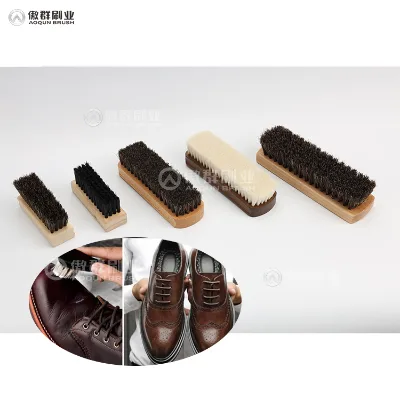
Listing signals also highlight significant variations in packaging and physical dimensions, with single package sizes recorded as 90x90x3 cm and gross weights reaching 5.000 kg for certain bulk items. These metrics suggest that some suppliers offer industrial-grade units with substantial weight and size, contrasting with smaller, consumer-focused items. Buyers should verify the actual bristle length and handle material, as specifications range from customized lengths to standard wooden handles, ensuring the physical dimensions match the ergonomic needs of the end-user or the specific constraints of the cleaning environment.
Technical Specifications to Verify
Technical verification must begin with the filament composition, as the core keyword specifies stainless steel wire, yet many listings cite materials like plastic, PA, PP, sisal, or carbon steel. It is critical to confirm that the brush utilizes stainless steel wire or iron wire stems rather than softer materials, as this determines the tool's ability to remove rust and scale effectively. Buyers should request detailed material certificates to distinguish between industrial-grade carbon steel brushes and those intended for delicate leather care, ensuring the selected product possesses the necessary hardness and corrosion resistance for the intended application.
Further verification is required regarding the brush shape and filament function, as options include cylindrical, conical, and oval-shaped designs with functions ranging from general cleaning to high-temperature resistance. The bristle length is often customizable, requiring clear communication of specific length requirements to the supplier to avoid receiving standard sizes that may be too aggressive or too gentle. Additionally, the filament shape, whether cross wire, abnormity, or straight wire, must be confirmed to ensure the brush geometry provides the optimal contact area for the specific surface texture being cleaned.
Compliance and Safety Documentation
Compliance documentation is essential for brushes intended for commercial or industrial use, particularly given the potential for metal filaments to cause injury or damage if not properly manufactured. Suppliers should provide evidence of certifications such as ROHS, SVHC, and FDA Registered status, which indicate adherence to safety standards regarding material toxicity and chemical composition. These certifications are particularly relevant for brushes that may come into contact with food-grade surfaces or sensitive environments, ensuring that the stainless steel and any binding materials do not leach harmful substances during use.
Safety verification also extends to the structural integrity of the brush, ensuring that the wire filaments are securely anchored to prevent breakage and potential projectile hazards. Buyers should request test results or quality assurance reports that confirm the durability of the connection between the stainless steel wire and the handle or base. This is crucial for brushes used in high-intensity scrubbing scenarios where mechanical stress is high, and failure could lead to safety incidents or product liability issues for the purchasing organization.
Cost Drivers and Commercial Terms
Cost drivers for stainless steel wire shoe brushes are heavily influenced by the grade of the metal used, with industrial-grade carbon steel and stainless steel commanding different price points compared to plastic or natural fiber alternatives. The complexity of the filament shape, such as cross-wire or curved designs, and the customization of bristle length also contribute to the final unit cost. Buyers should anticipate that specialized configurations with specific filament functions, like antibacterial properties or high-temperature resistance, will incur higher manufacturing costs due to the additional processing required.
Commercial terms, including MOQ and lead times, vary significantly across the observed market, with MOQs ranging from single items to 2000 units. The packaging method, whether in OPP plastic bags or boxed sets of six, impacts the logistics cost and final price per unit. Buyers must negotiate clearly on whether the quoted price includes OEM, ODM, or OBM support, as custom branding and packaging solutions often involve additional setup fees and longer lead times that must be factored into the total procurement budget.
Supplier Qualification and Quality Control
Supplier qualification should focus on verifying the place of origin and the specific manufacturing capabilities regarding wire brush production. Many suppliers are located in Guangdong or Jiangsu, China, regions known for diverse manufacturing outputs, but buyers must confirm that the specific factory has experience producing wire brushes with stainless steel components rather than general household items. The presence of a brand name like AOQUN BRUSH or Premier Tools suggests established entities, yet due diligence is required to ensure the specific product line matches the technical specifications of the requested stainless steel wire brush.
Quality control protocols must be established to ensure consistency in filament attachment and handle durability. Given the variation in observed materials, from copper brushes to wooden handles, buyers should implement incoming inspection checks that verify the material grade and structural integrity of each batch. It is vital to confirm that the supplier can consistently produce brushes that meet the specified filament shape and function, as inconsistencies in wire tension or bristle length can render the tool ineffective for its intended heavy-duty cleaning applications.
Long-Term Procurement Checks
Long-term procurement success depends on establishing a reliable supply chain that can maintain consistent quality over multiple production cycles. Buyers should monitor the supplier's ability to adhere to the agreed-upon specifications for filament material and shape, ensuring that any changes in raw material sourcing do not compromise the stainless steel quality or the brush's performance. Regular audits of the production process can help identify potential deviations early, preventing the accumulation of defective inventory that could disrupt operations or damage the buyer's reputation.
Continuous evaluation of the supplier's responsiveness to customization requests and their ability to scale production is also critical for long-term partnerships. As market demands shift, the supplier must demonstrate flexibility in adjusting bristle lengths, filament shapes, and packaging configurations without significant delays or cost spikes. Maintaining open communication regarding warranty terms and after-sales support ensures that any issues with product performance can be addressed promptly, safeguarding the buyer's investment in high-quality cleaning tools.
FAQs
What materials are used in the Stainless Steel Wire Shoe Brush?
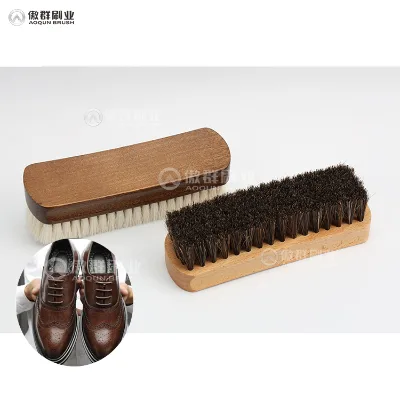
The brush utilizes a combination of stainless steel wire, copper brush, rubber, and plastic components. The handle is crafted from wood, while the bristle material options include plastic, PA, PP, sisal, bristle, and cotton. This multi-material construction ensures durability and effective cleaning performance for suede and nubuck shoes without damaging the leather surface.
Can I customize the bristle length for this shoe cleaning brush?
Yes, the bristle length is fully customized to meet specific requirements. The product supports OEM, ODM, and OBM customization services, allowing buyers to tailor the brush dimensions. This flexibility ensures the tool fits specific cleaning needs or branding requirements, making it suitable for various household cleaning applications and specialized suede care tasks.
What certifications are available for the Stainless Steel Wire Shoe Brush?
The product holds ROHS, SVHC, and FDA Registered certifications. These credentials ensure compliance with international safety and environmental standards. Buyers can rely on these documented certifications for quality assurance and regulatory compliance in various markets. The eco-friendly nature of the brush further supports sustainable sourcing practices for global procurement teams.
What is the typical packaging for the shoe cleaning brush?
The standard packaging is an opp plastic bag for individual units. For bulk orders, the packaging configuration is 6 pieces per box. This method protects the brush during transit and simplifies inventory management. The single package size is 90x90x3 cm, with a gross weight of 5.000 kg per unit, ensuring safe handling.
Where is the Stainless Steel Wire Shoe Brush manufactured?
The product originates from Guangdong, China, and Jiangsu, China. These locations are key manufacturing hubs for household sundries and cleaning tools. Buyers can source directly from these regions to leverage established supply chains. The origin information helps in calculating logistics costs and assessing the reliability of the manufacturing base for large-scale orders.
What is the MOQ for the Stainless Steel Wire Shoe Brush?
The minimum order quantity ranges from 1 to 2000 units. This flexible MOQ accommodates both small trial orders and large bulk purchases. Buyers can start with a low quantity to test quality before committing to larger volumes. The pricing varies between 0.25 and 15 USD, depending on the order size and customization requirements.