Source Green Steel Dog Waste Station with Rolling Cover for Outdoors
Compare 30 listings for a Green Steel Dog Waste Station with Rolling Cover designed for outdoor use. Buyers can evaluate customization options, material grades like stainless steel, and surface treatments such as powder coating from verified manufacturers in China; compare the available evidence and request quotations based on your requirements.
Updated
Key considerations
Products List


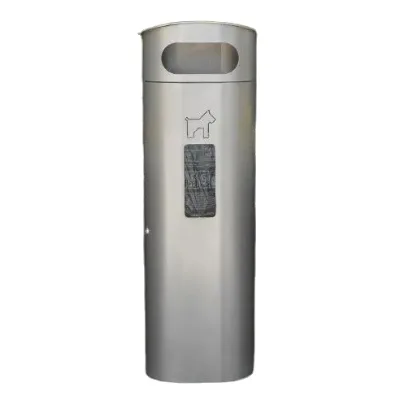
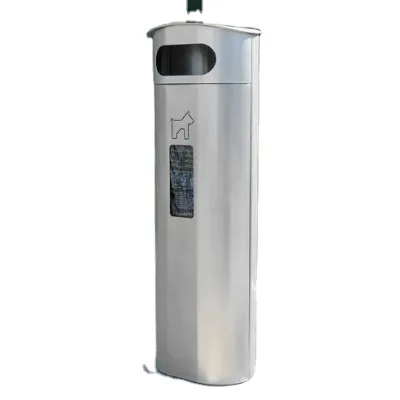
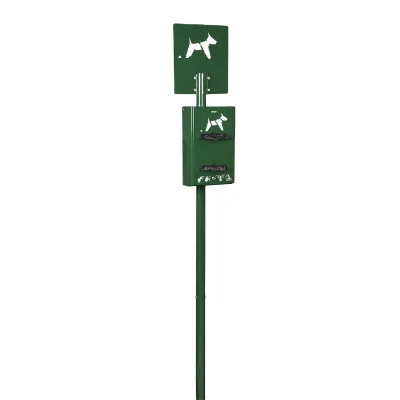


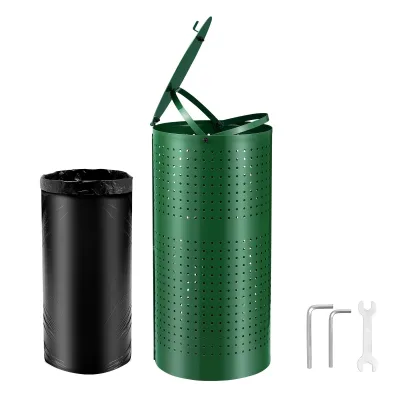
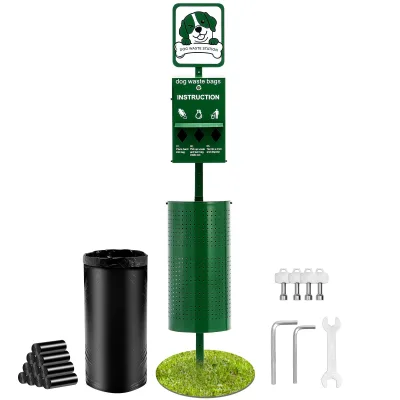
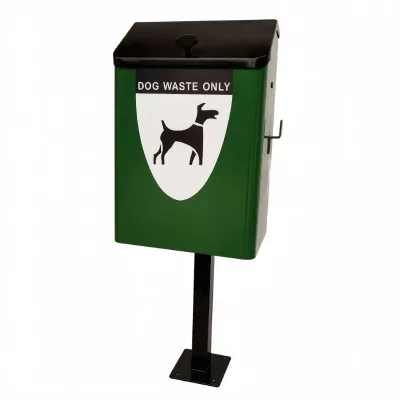
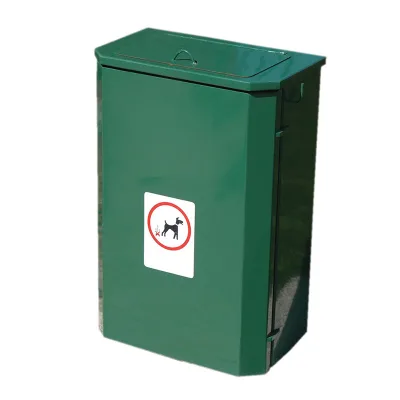
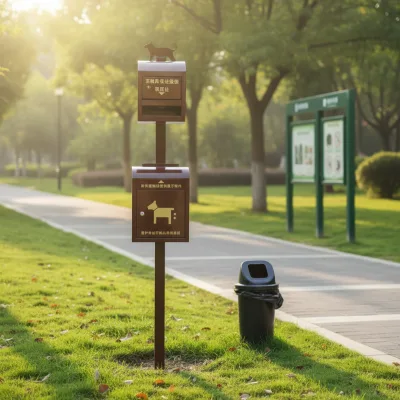
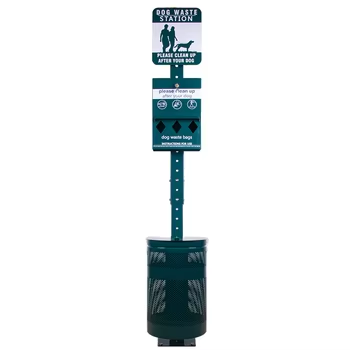
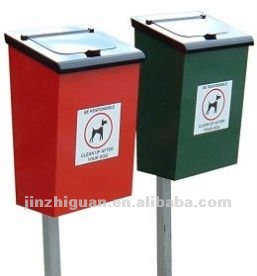


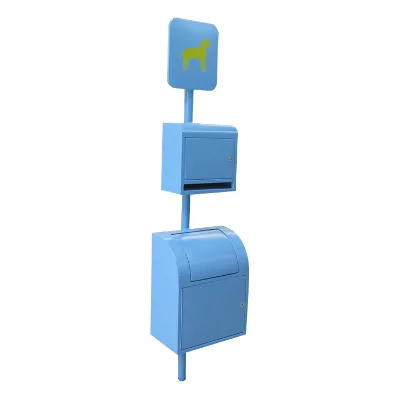
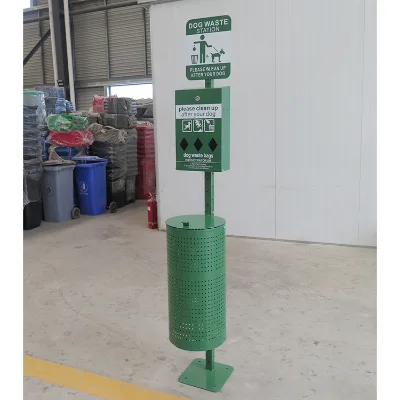
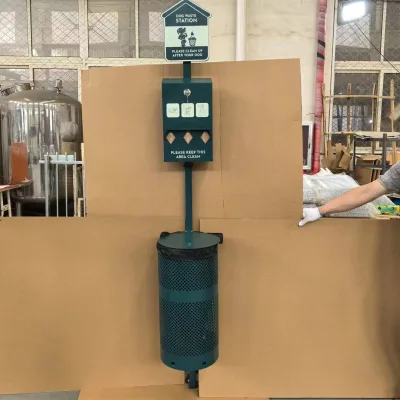
HAOYIDA Outdoor Pet Dog Waste Station Park Steel Pet Poop Waste Station
$75.00 - $105.00
MOQ: 5 pieces
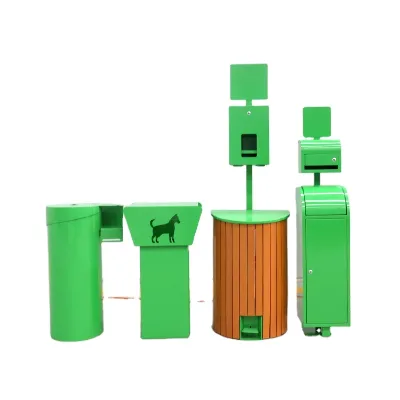
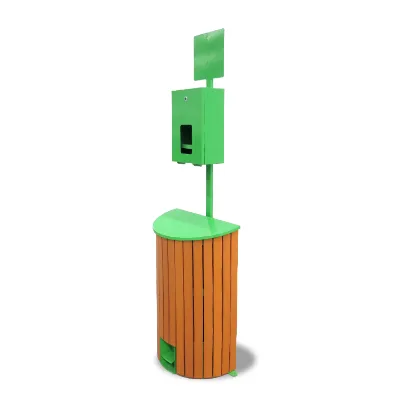
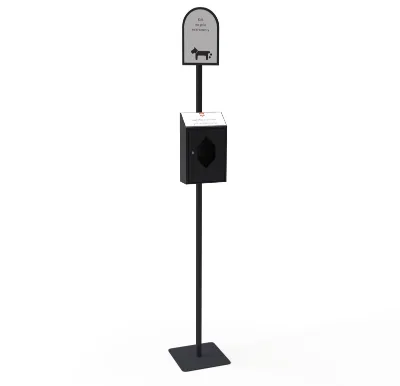
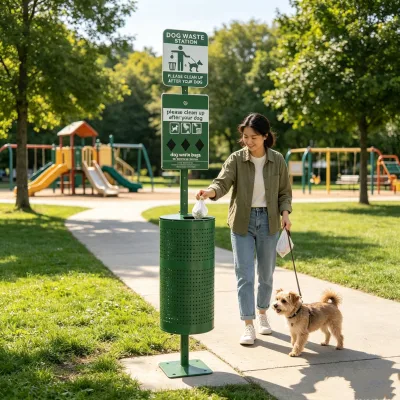
Comprehensive Sourcing Guide
Green Steel Dog Waste Station with Rolling Cover Sourcing Guide
Procuring a green steel dog waste station with a rolling cover requires balancing aesthetic durability with functional mechanical reliability. Buyers must prioritize suppliers who specialize in sheet metal fabrication, as the structural integrity of the rolling mechanism depends heavily on precise bending and welding processes. The term "green steel" often implies eco-conscious material sourcing or powder-coated finishes that resist corrosion, which is critical for outdoor installations exposed to moisture and pet waste. Sourcing guides should emphasize the importance of verifying the specific alloy composition, such as stainless steel or galvanized iron, to ensure long-term resistance to rust and environmental degradation.
The rolling cover mechanism introduces additional complexity compared to static lids, necessitating careful evaluation of hinge strength and pivot stability. Buyers should look for manufacturers with documented OEM experiences, as custom engineering is often required to integrate smooth-rolling components into a robust steel frame. It is essential to confirm that the supplier offers design and custom services, allowing for modifications to the footprint or handle placement to suit specific municipal or private park layouts. Understanding the manufacturing workflow, from drawing approval to final surface treatment, helps buyers anticipate potential bottlenecks and ensure the final product meets both aesthetic and operational expectations.
Product Scope and Observed Listing Signals
Market listings for these units frequently highlight customization options, with many suppliers offering tailored logos and packaging solutions. Observed product attributes indicate a strong focus on stainless steel and aluminum materials, often finished with powder coating to achieve a uniform, weather-resistant surface. The shape is typically round or cylindrical, designed to blend into landscaping while providing easy access for waste disposal. Buyers should note that while some listings specify a "touchpad" style, this may refer to the handle mechanism or a specific ergonomic design feature rather than an electronic component, requiring clarification during the inquiry phase.
Listing signals also reveal a wide range of tolerance specifications, with some providers claiming precision up to +/-0.01mm while others accept +/-0.10mm. This variance suggests that buyers must define their quality expectations clearly, as tighter tolerances may impact lead times and costs. The model numbers often reference "dog waste station" or "pet waste use," confirming the primary application. Additionally, the presence of "foot pedal" structures in some descriptions indicates alternative opening mechanisms that may be preferred for hygiene reasons, offering buyers a choice between manual rolling covers and hands-free operation depending on the installation environment.
Technical Specifications to Verify
Thickness is a critical technical parameter, with observed ranges spanning from 0.5mm to 20mm depending on the structural component. Buyers should verify that the main body and rolling cover utilize sufficient gauge steel to prevent denting or warping under frequent use. The welding process must be inspected for consistency, ensuring that joints are smooth and free of sharp edges that could pose safety risks. Surface treatments such as zinc plating, anodizing, or powder coating should be confirmed to match the intended environmental exposure, particularly for outdoor installations where moisture and UV radiation are constant factors.
Precision requirements vary by component, with some parts requiring +/-0.05mm accuracy for proper fitment of the rolling mechanism. Buyers must ensure that the supplier provides detailed 2D, 3D, CAD, or STEP files to validate the design before production begins. The edge finishing process should explicitly state that edges are deburred or rounded to prevent injury. Additionally, the hole taping or finishing details should be reviewed to ensure that any mounting points or ventilation slots are properly reinforced, maintaining the structural integrity of the station over time.
Compliance and Safety Documentation
Safety is paramount in public installations, requiring verification that all metal edges are free of sharpness and that the rolling cover operates without pinching hazards. Buyers should request documentation confirming that the manufacturing process includes steps to fix burrs and polish surfaces, ensuring a user-friendly experience for all ages. Compliance with local building and equipment standards, such as GB standards mentioned in some listings, should be verified to ensure the product meets regional safety regulations. This includes checking for stability tests that confirm the station will not tip over when the cover is opened or when weight is applied.
Environmental compliance may also be relevant, particularly if the "green steel" designation implies recycled content or low-VOC powder coatings. Buyers should inquire about the chemical composition of the surface treatments to ensure they are non-toxic and safe for pets and children. Documentation regarding the durability of the coating, including resistance to chipping and fading, should be requested to assess long-term maintenance needs. Ensuring that the supplier adheres to strict quality control procedures during packing and shipping helps prevent damage that could compromise safety features upon installation.
Cost Drivers and Commercial Terms
Material costs are a primary driver, with stainless steel and aluminum generally commanding higher prices than galvanized iron or standard steel. The thickness of the material directly impacts the unit cost, as thicker gauges require more raw material and energy for bending and welding. Buyers should analyze the price range, which can vary significantly based on customization levels and order volume. Minimum order quantities (MOQ) typically start at 5 units but can rise to 3000 for standard configurations, influencing the per-unit cost through economies of scale.
Tooling and setup costs are another significant factor, especially for custom designs requiring new molds or specialized fixtures. Suppliers with 12 years of OEM experience may offer more competitive tooling fees or amortization options for larger orders. Buyers should clarify whether the quoted price includes surface treatment, packaging, and shipping, as these can add substantial costs. Payment terms and lead times should be negotiated carefully, as complex rolling mechanisms may require longer production cycles than simple static stations.
Supplier Qualification and Quality Control
Supplier qualification should focus on verifying their business type as a sheet metal fabricator with proven OEM capabilities. Buyers should request references or case studies demonstrating previous projects involving outdoor waste stations or similar public infrastructure. The supplier’s ability to handle design and custom services is crucial, as it indicates flexibility in adapting to specific site requirements. Checking for certifications or adherence to standards like GB can provide additional confidence in their manufacturing consistency and quality management systems.
Quality control processes should be transparent, with suppliers outlining their steps from drawing approval to final packing. Buyers should inquire about in-process inspections, particularly for welding integrity and surface treatment uniformity. The packing method, typically involving plastic bags, cartons, and pallets, should be reviewed to ensure adequate protection during transit. Suppliers who offer customized packaging with logos should also demonstrate their ability to maintain product integrity during the packaging process, preventing scratches or dents that could affect the final appearance.
Long-Term Procurement Checks
Long-term success depends on the supplier’s ability to provide consistent quality across multiple orders and their responsiveness to after-sales support. Buyers should establish clear communication channels for addressing any defects or performance issues that arise post-installation. The availability of spare parts, such as replacement hinges or rolling mechanisms, should be confirmed to minimize downtime in public spaces. Suppliers with extensive OEM experience are often better equipped to handle warranty claims and provide technical assistance for maintenance.
Sustainability practices should also be monitored, as buyers increasingly prioritize eco-friendly procurement. Inquiring about the supplier’s waste management processes and energy usage during manufacturing can provide insights into their environmental commitment. Regular audits or periodic quality checks can help maintain high standards and ensure that the rolling cover mechanism continues to function smoothly over time. Building a long-term partnership with a reliable supplier can lead to better pricing, priority production slots, and continuous improvement in product design and durability.
FAQs
Can I get a custom logo on the dog waste station?
Yes, customized logo and packaging services are available for this product. The supplier offers design and custom services to meet specific branding needs while maintaining the stainless steel construction and powder-coated finish required for outdoor durability.
What is the typical tolerance for the metal parts?
The product features a tolerance of plus or minus 0.01mm for high precision. Some variations may show plus or minus 0.10mm or plus or minus 0.05mm depending on the specific machining method used, such as CNC machining or welding processes.
Which materials are used for the pet waste station?
Stainless steel is the primary material used for this product. Additional options include aluminum, galvanized steel, and iron, ensuring the unit is suitable for outdoor applications and meets the structural requirements for a foot pedal design.
How is the surface treated for outdoor use?
The surface treatment includes powder coating to protect against weather elements. Additional processes like zinc plating, anodizing, and polishing are also available to enhance durability and appearance for the round shape and metal stamping components.
What is the minimum order quantity for this item?
The minimum order quantity ranges from 5 to 3000 units depending on the specific configuration. Customized packaging and logo options are available, with the product originating from Shandong, China, and shipped via plastic bag, carton, and pallet.
Can the manufacturer provide 3D CAD drawings?
Yes, the supplier provides drawing formats including 2D, 3D, CAD, Dwg, Step, Pdf, and Igs files. This service supports the design and custom requirements for the dog waste station model, ensuring precise manufacturing based on client specifications.
What is the lead time for custom orders?
Lead times vary based on the customization level and order volume. The supplier has 12 years of OEM experience and offers services for sheet metal fabrication, including bending, stamping, and welding, with standard packing in cartons and pallets.