Source BPA Free Silicone Lunch Box for Camping, Commuting, and Daily Use
Compare 30 BPA Free Silicone Lunch Box options featuring collapsible designs, wide temperature ranges, and custom branding. Buyers can evaluate models like GYF7308 and XH-42 for outdoor camping, daily commuting, and portable storage needs; compare the available evidence and request quotations based on your requirements.
Updated
Key considerations
Products List



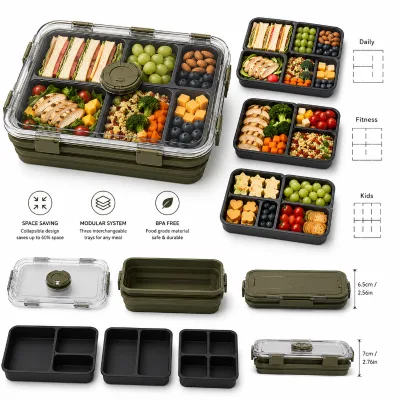
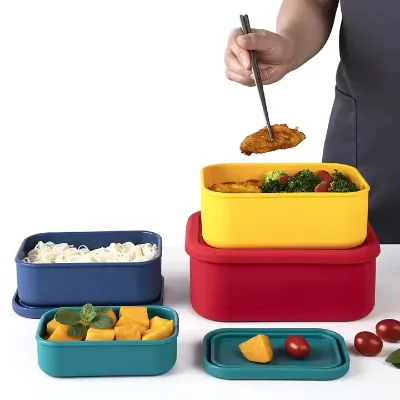

Silicone Bento Box Container BPA Free Reusable S Bento Silicone Lunch Box
$1.95 - $2.98
MOQ: 200 Pieces


BPA Free Food Grade Silicone Collapsible Food Container Silicone Lunch Box
$1.97 - $2.50
MOQ: 500 Pieces


FDA Factory Foldable Fresh Food Storaged Silicone Collapsible Kids Lunch Box
$1.97 - $2.50
MOQ: 500 Pieces

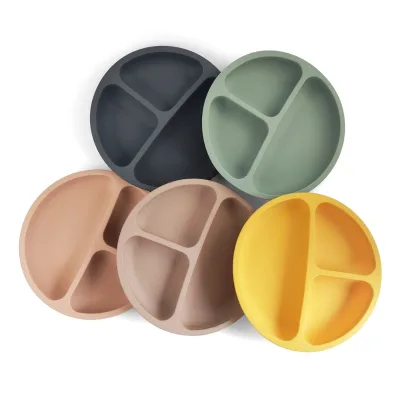
BPA Free Baby Silicone Tableware Food Container Lunch Box With Lid Bento Box Customized Logo
$3.0759 - $3.5886
MOQ: 10 pieces
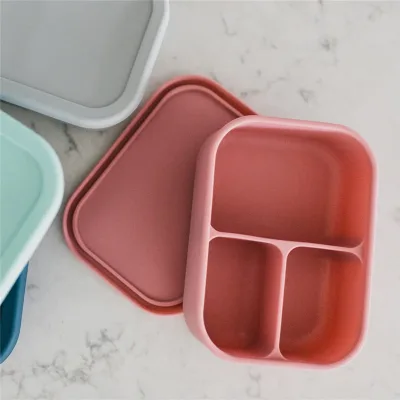
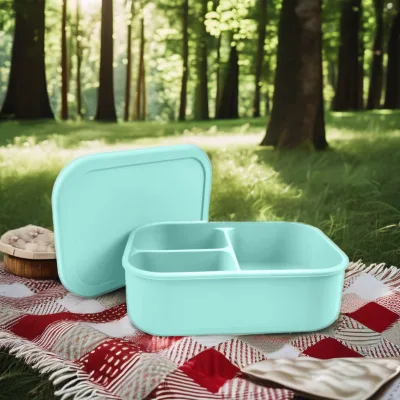
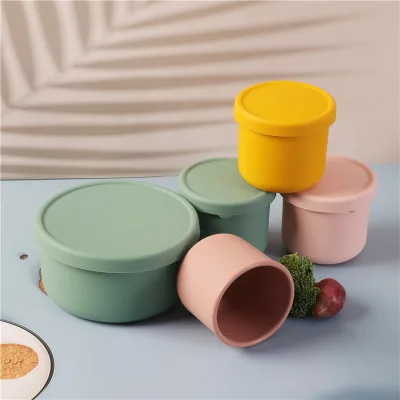
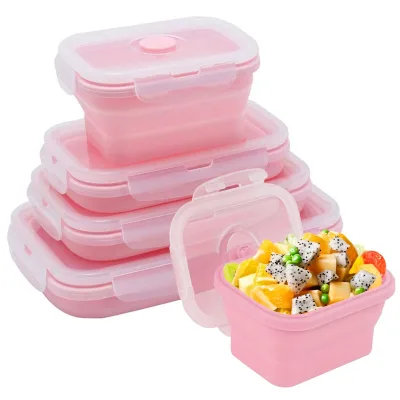


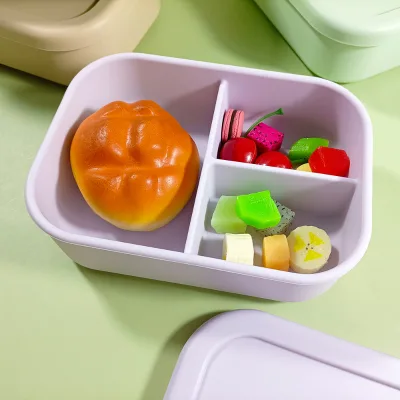
Food-Grade Silicone Fresh-Keeping Box Silicone Three-Compartment Lunch Box
$7.00 - $9.00
MOQ: 100 Pieces



Comprehensive Sourcing Guide
BPA Free Silicone Lunch Box Sourcing Guide
Procuring BPA-free silicone lunch boxes requires a disciplined approach to material verification and supplier transparency. Buyers must prioritize suppliers who explicitly confirm the absence of bisphenol A and other harmful plasticizers in their manufacturing processes. The core value proposition of silicone lies in its thermal stability and chemical inertness, making it suitable for repeated heating and cooling cycles. However, not all silicone products are created equal, and distinguishing between high-purity platinum-cured silicone and inferior peroxide-cured alternatives is critical for long-term safety.
Sourcing decisions should be driven by clear technical specifications rather than marketing claims alone. Buyers need to establish rigorous quality control protocols that include material composition analysis and migration testing. This guide outlines the essential steps for evaluating suppliers, verifying technical data, and ensuring that the final product meets international safety standards. By focusing on evidence-based verification, procurement teams can mitigate risks associated with food contact materials and ensure consistent product quality across large orders.
Product Scope and Observed Listing Signals
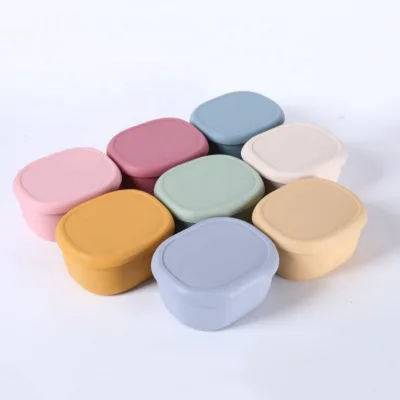
The current market offers a diverse range of silicone lunch containers, with observed product names including "Food Container," "Lunch Box," and "Silicone lunch box." Listings indicate a variety of shapes, with square designs being a prominent feature, and colors ranging from blue and green to multi-color options labeled numerically. These variations suggest that suppliers cater to different aesthetic preferences and functional needs, from corporate branding to consumer appeal. The presence of customization options allows buyers to tailor products to specific brand identities, enhancing market differentiation.
Observed attributes highlight key functional features such as collapsibility, portability, and eco-friendliness, which are highly valued in modern procurement. Products are described as non-disposable and dishwasher safe, indicating durability and ease of maintenance for end-users. Some listings specify a "Cute" design style, targeting niche markets like children’s products or novelty items. The availability of OEM and ODM services further expands the scope, enabling buyers to develop unique product lines. Understanding these signals helps buyers align their sourcing strategy with target market demands.
Technical Specifications to Verify
Technical verification begins with material hardness and tolerance, which directly impact product performance and fit. Observed data points to a Shore 70A hardness for some items, while others are described simply as "Soft," requiring clarification from suppliers. Tolerances of ±0.2mm suggest precision in manufacturing, which is crucial for lid sealing and stackability. Buyers must confirm the curing agent used, with platinum catalysts being the preferred choice for food-grade applications due to their purity. Verifying the 2ND cure temperature and time, such as 200°C for 2-4 hours, ensures complete cross-linking and optimal material properties.
Dimensional specifications and weight are equally important for logistics and user experience. Observed models include specific dimensions like 155mm217mm75mm and single package sizes of 19X4X28 cm. Weight variations, from 120g to 0.4 kg, affect shipping costs and perceived product quality. Temperature ranges of -40ºC to 200ºC indicate broad usability, but buyers should verify if these limits apply to all components, including lids and seals. Confirming these details prevents discrepancies between samples and mass production, ensuring that the final product meets functional requirements.
Compliance and Safety Documentation
Safety compliance is non-negotiable for food contact materials, and buyers must request comprehensive documentation from suppliers. While EN71 is mentioned in background contexts, it is primarily a toy safety standard; buyers should prioritize food-grade certifications such as FDA, LFGB, or EU 10/2011 compliance. Suppliers must provide test reports from accredited laboratories confirming the absence of BPA, phthalates, and heavy metals. These documents serve as the primary evidence of product safety and are essential for regulatory clearance in various markets.
Buyers should also verify the supplier’s quality management systems and production standards. Customized standards may apply, but baseline compliance with international food safety regulations is mandatory. Requesting material safety data sheets (MSDS) and migration test results provides additional assurance of product integrity. Understanding the specific regulatory requirements of the target market is crucial, as standards vary by region. Proactive engagement with suppliers on compliance matters reduces the risk of product recalls and legal liabilities.
Cost Drivers and Commercial Terms
Cost structures for silicone lunch boxes are influenced by material quality, customization complexity, and order volume. Observed price ranges vary significantly, reflecting differences in silicone purity and manufacturing processes. Minimum order quantities (MOQs) typically range from 2 to 2000 units, offering flexibility for both small and large buyers. Higher MOQs often result in lower unit costs, but buyers must balance this with inventory holding costs and market demand forecasts. Understanding these dynamics helps in negotiating favorable commercial terms.
Packaging and logistics also impact total landed costs. Observed packaging options include OPP bags, PE bags, and custom color boxes, each with different cost implications. Suppliers located in regions like Guangdong and Xiamen offer competitive manufacturing advantages, but buyers should consider shipping costs and lead times. Clear communication regarding payment terms, delivery schedules, and warranty policies is essential. Transparent commercial terms prevent unexpected expenses and ensure a smooth procurement process from order placement to delivery.
Supplier Qualification and Quality Control
Supplier qualification involves a thorough assessment of manufacturing capabilities and quality control systems. Buyers should verify the supplier’s experience in producing food-grade silicone products and their adherence to compression molding processes. On-site audits or third-party inspections can confirm production standards and facility conditions. Evaluating the supplier’s ability to handle OEM and ODM requests is also important, as it indicates flexibility and technical expertise. A robust quality control system ensures consistent product quality and minimizes defects.
Quality control checks should include incoming material inspections, in-process monitoring, and final product testing. Buyers must define clear acceptance criteria for dimensions, hardness, and visual appearance. Implementing a sampling plan for batch inspections helps detect issues early in the production cycle. Suppliers should provide detailed inspection reports and maintain traceability records for each batch. Establishing a strong partnership with suppliers based on mutual trust and rigorous quality standards is key to long-term success.
Long-Term Procurement Checks
Long-term procurement success depends on continuous monitoring of supplier performance and product quality. Buyers should establish key performance indicators (KPIs) for delivery reliability, defect rates, and customer feedback. Regular reviews of supplier compliance with safety standards and ethical labor practices are essential. Maintaining open communication channels allows for timely resolution of issues and fosters a collaborative relationship. Adapting to market changes and evolving consumer preferences ensures that the product line remains competitive.
Sustainability and environmental impact are increasingly important factors in long-term sourcing strategies. Buyers should encourage suppliers to adopt eco-friendly practices and use recyclable packaging materials. Monitoring the lifecycle of the product, from production to disposal, helps identify areas for improvement. Engaging with suppliers on innovation and new material developments can lead to cost savings and enhanced product features. A proactive approach to supplier management ensures resilience and adaptability in a dynamic market environment.
FAQs
What customization options are available for silicone lunch boxes?
Customization is available for these products, including OEM and ODM services. Buyers can request custom logos, specific colors from a wide range, and tailored packaging details. The standard product features a square shape and comes in options like blue or green, allowing for brand-specific design adjustments to meet unique business requirements.
How durable is the silicone material used in these containers?
The material is made of silicone with a hardness of Shore 70A, ensuring a soft yet resilient texture. It is non-disposable and designed for repeated use. The product withstands temperatures ranging from -40ºC to 200ºC, making it suitable for various storage and heating applications while maintaining its structural integrity over time.
Can these food containers be used in dishwashers?
Yes, these food containers are dishwasher safe. They are designed for daily commuting and outdoor camping, offering portability and eco-friendly convenience. The durable silicone construction ensures that the containers can withstand the heat and water pressure of dishwashing cycles without degrading, making maintenance easy and hygienic for regular users.
What are the standard packaging details for these lunch boxes?
Standard packaging typically includes OPP bags or PE bags combined with cartons. Some models feature color boxes for enhanced presentation. The single gross weight is approximately 0.4 kg, and the single package size is around 19x4x28 cm. Customized packaging options are also available to suit specific logistical or branding needs.
Where are these silicone lunch boxes manufactured?
These products originate from China, with specific manufacturing locations including Guangdong and Xiamen. The production process involves compression molding, and the items are available in various models such as GYF7308 and XH-42. Buyers can source directly from these regions to leverage established supply chains and manufacturing capabilities for bulk orders.
What is the typical MOQ for ordering these containers?
The observed MOQ range for these products is between 2 and 2000 units. This flexibility allows buyers to place small trial orders or large bulk purchases. The pricing varies within this range, starting from as low as 0.49 USD, making it accessible for different business scales and inventory requirements.