Source Car Panoramic Baby Monitor for SUVs, RVs, and Cars
Find 30 verified options for a Car Panoramic Baby Monitor designed for SUVs, RVs, and standard cars. Buyers can compare features like night vision, two-way audio, and screen sizes to select the best unit for their vehicle; compare the available evidence and request quotations based on your requirements.
Updated
Key considerations
Products List
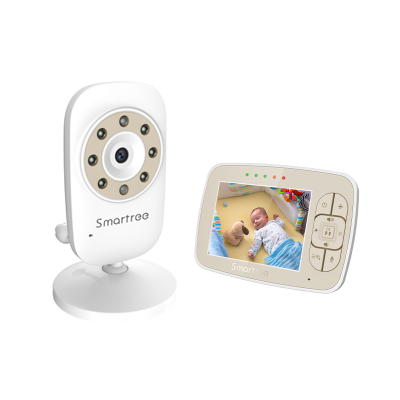


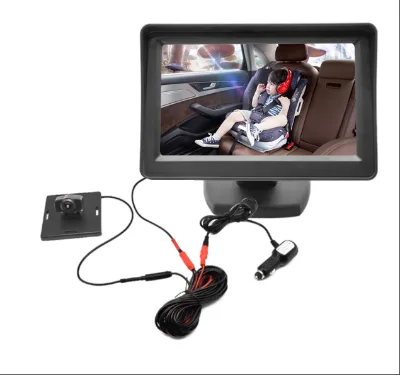
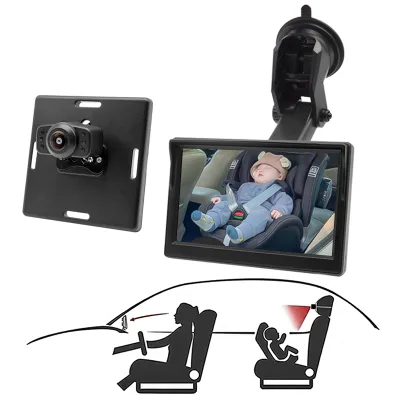
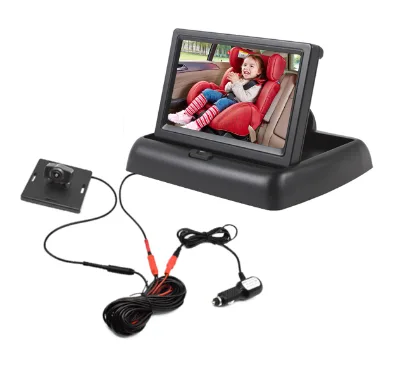
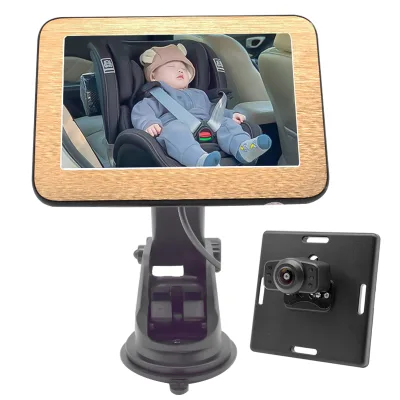
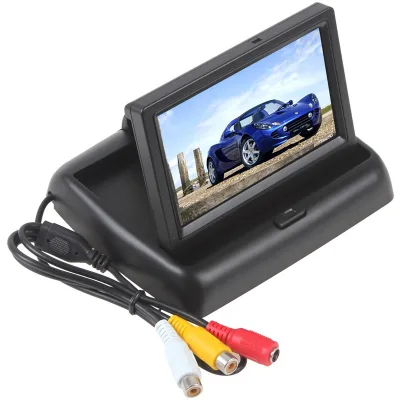
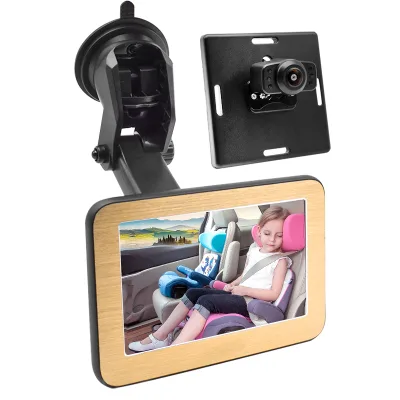
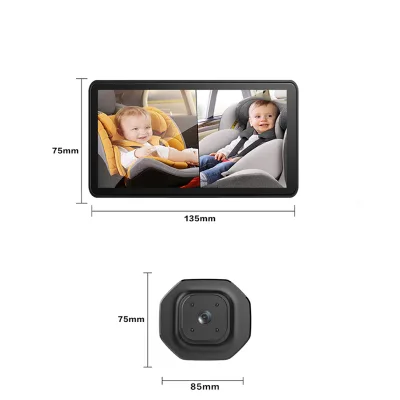
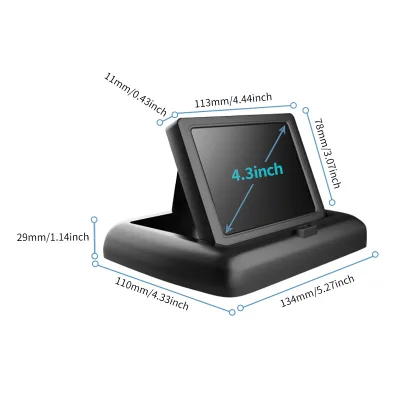
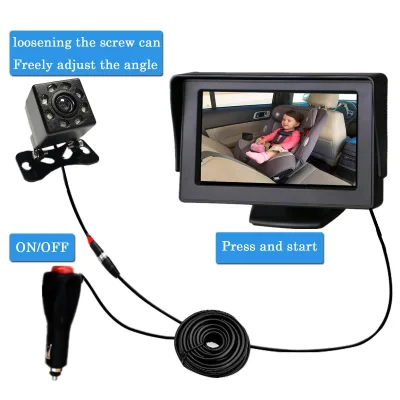
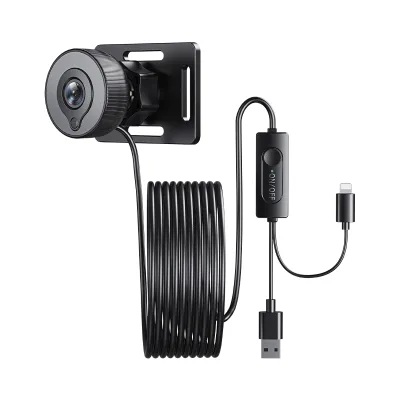
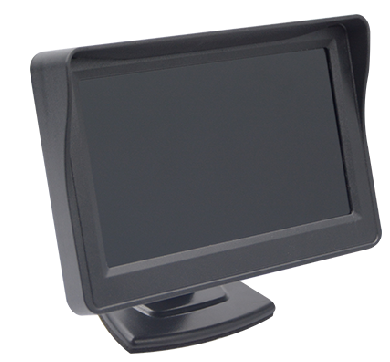
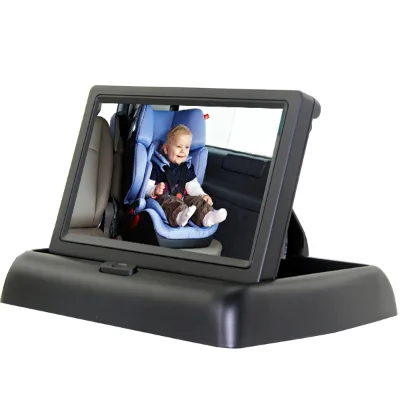


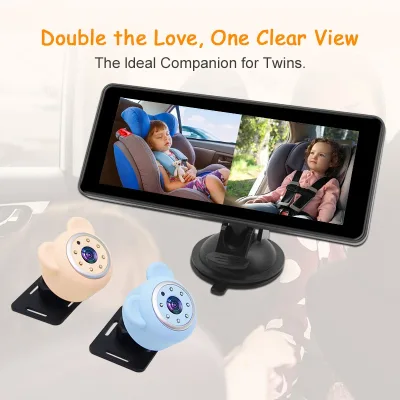
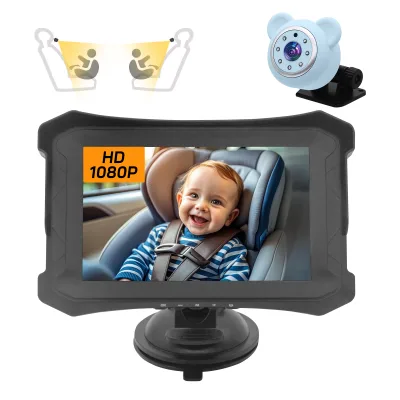
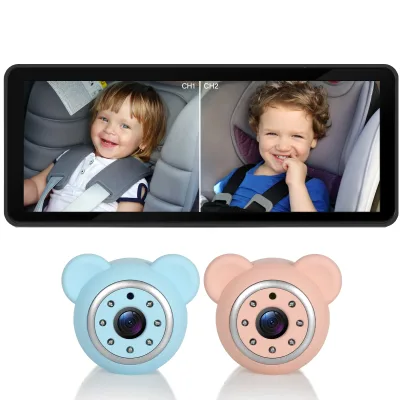
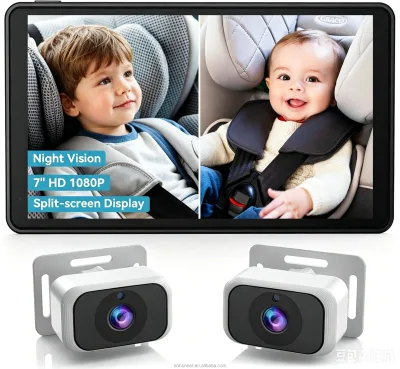
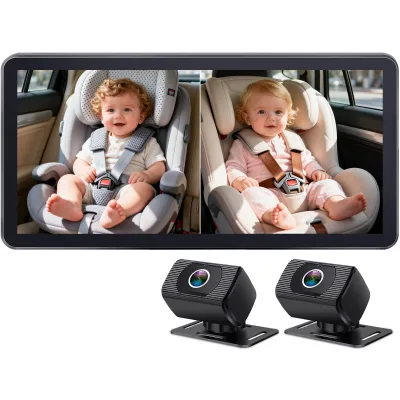
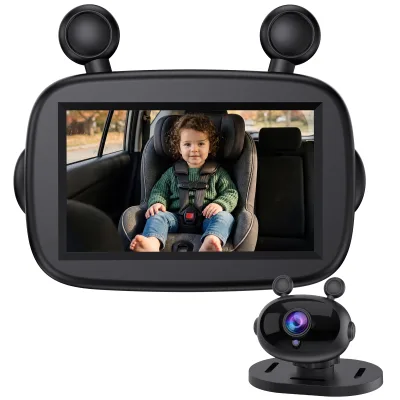
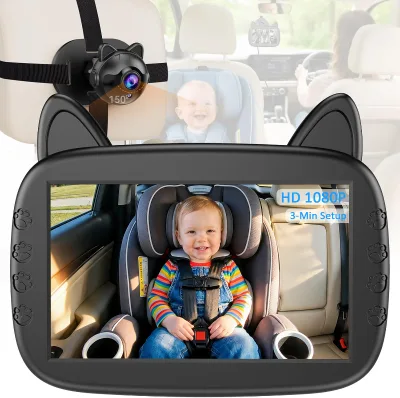
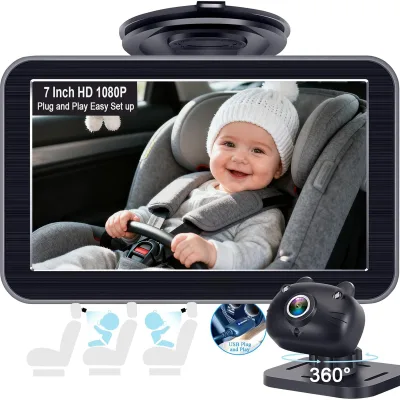
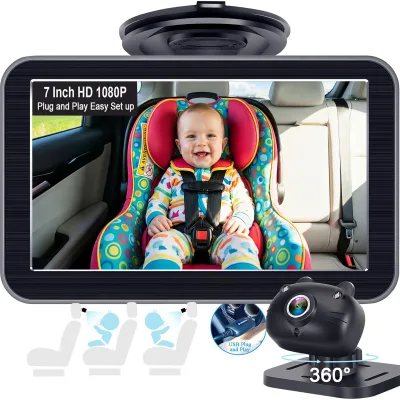
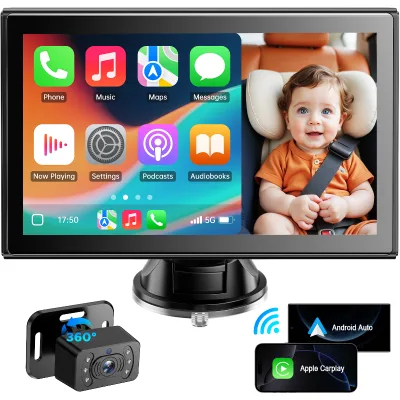
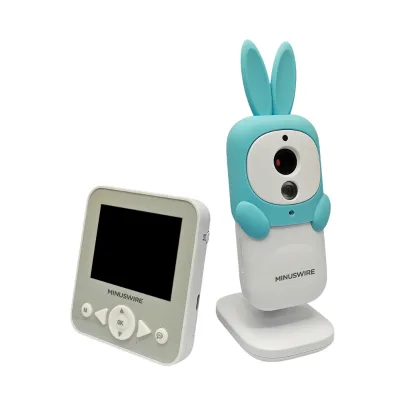
Comprehensive Sourcing Guide
Car Panoramic Baby Monitor Sourcing Guide
Sourcing a Car Panoramic Baby Monitor requires balancing the need for clear rear-seat visibility with the technical constraints of automotive electrical systems. Buyers must distinguish between dedicated infant monitoring cameras and multi-camera vehicle surveillance kits, as the terminology often overlaps in wholesale listings. The core keyword suggests a focus on wide-angle or multi-lens setups that provide comprehensive coverage of the vehicle interior, ensuring drivers can monitor passengers without turning around. This guide helps procurement teams navigate the specific technical and commercial nuances of these devices, which are frequently manufactured in Guangdong, China, and tailored for both universal car fitment and specific SUV or RV applications.
The procurement process involves verifying that the selected unit meets the power and connectivity requirements of the target vehicle fleet. Many listed models operate on DC 12V systems, which is standard for most passenger cars, but buyers must confirm compatibility with their specific inventory. Additionally, the distinction between a simple two-way audio intercom and a full video monitoring system is critical for defining the product’s value proposition. Understanding these operational differences ensures that the purchased equipment aligns with the intended use case, whether it is for family vehicles, commercial transport, or specialized recreational vehicles, thereby preventing costly mismatches between supplier specifications and end-user expectations.
Product Scope and Observed Listing Signals
The observed market data indicates a diverse range of products labeled under similar keywords, with prices ranging from 1.97 to 71.97 USD and minimum order quantities varying from 1 to 1000 units. This wide price band reflects significant differences in component quality, screen size, and camera configuration. For instance, some listings feature a 3.5-inch LCD with a single camera, while others offer larger 4.3-inch or 6.86-inch screens with dual-camera setups. Buyers should carefully examine the single package dimensions and gross weight, which range from 2.000 kg to 3.0 kg, to accurately calculate shipping costs and storage requirements for bulk orders. These physical attributes often correlate with the complexity of the internal electronics and the durability of the plastic housing.
Listing signals also reveal variations in brand naming and model numbers, such as smartree, ZYX, and specific model codes like SM35, BBM-686, and BBM-430. These identifiers are crucial for tracking inventory and ensuring consistency across reorders. The presence of features like night vision, two-way audio, and music players adds functional value but also increases the technical verification burden. Procurement teams must verify that the "panoramic" claim is supported by actual hardware specifications, such as wide-angle lenses or multiple camera inputs, rather than relying solely on marketing keywords. Clear identification of the applicable model, whether for cars, SUVs, or RVs, is essential to avoid receiving units that are incompatible with the intended vehicle type.
Technical Specifications to Verify
Technical verification must begin with the imaging sensor and resolution capabilities, as these directly impact the clarity of the rear-seat view. Observed listings specify sensors such as 1/6.5" CMOS and 2MP CMOS, with resolutions like 800*480 pixels. Buyers should confirm that the sensor type is suitable for low-light conditions, especially given the emphasis on night vision features with ranges up to 5 meters. The frequency of operation, typically 2.4GHz using wireless digital signal transmission, is another critical parameter that must be checked to ensure interference-free performance in environments with multiple wireless devices. Verifying the actual pixel count and sensor size helps prevent discrepancies between advertised and delivered image quality.
Screen size and power consumption are equally important technical factors that influence user experience and vehicle compatibility. Listings show screen sizes ranging from 3.5 inches to 6.86 inches, with power ratings around 3W and operating voltages of DC 12V. Buyers must ensure that the monitor’s power draw does not exceed the vehicle’s electrical capacity, particularly for older models or those with limited alternator output. The inclusion of two-way audio intercoms and special features like music players adds functionality but also increases the complexity of the system. It is essential to verify that all components, including cameras and monitors, are designed to work together seamlessly and that the wiring harnesses are appropriate for the specific vehicle application.
Compliance and Safety Documentation
Compliance documentation is a non-negotiable aspect of sourcing electronic devices for automotive use, ensuring that products meet international safety and electromagnetic compatibility standards. Observed listings frequently mention certifications such as CE, FCC, and ROHS, which are critical for market access in Europe, North America, and other regulated regions. Buyers must request valid certification certificates from suppliers and verify their authenticity through the respective issuing bodies. The presence of these certifications indicates that the product has undergone testing for electrical safety, radio frequency interference, and hazardous substance restrictions, which are vital for protecting both the vehicle’s electrical system and the health of passengers.
In addition to regulatory certifications, warranty terms and return policies provide an additional layer of protection for procurement teams. Most observed listings offer a 12-month or one-year warranty, which serves as a baseline expectation for product reliability. Buyers should clarify the scope of the warranty, including whether it covers manufacturing defects, component failures, or accidental damage. Understanding the warranty process, including who bears the cost of return shipping and the timeline for replacements, is essential for managing risk. Clear documentation of these terms helps establish accountability and ensures that any post-purchase issues are resolved efficiently, maintaining the integrity of the supply chain and customer satisfaction.
Cost Drivers and Commercial Terms
Cost drivers for car panoramic baby monitors include the number of cameras, screen size, and the inclusion of advanced features like two-way audio and night vision. Listings show a significant price variation, influenced by these specifications and the quality of the imaging sensors. Buyers should analyze the cost per unit in relation to the feature set, ensuring that they are not overpaying for unnecessary capabilities or underpaying for compromised quality. The minimum order quantity (MOQ) also plays a role in pricing, with lower MOQs often commanding higher unit prices. Understanding these dynamics allows procurement teams to negotiate better terms and optimize their inventory levels based on demand forecasts.
Commercial terms such as payment methods, lead times, and shipping options must be clearly defined to avoid disruptions in the supply chain. While specific lead times are not provided in the observed data, buyers should establish clear expectations with suppliers regarding production schedules and delivery dates. Packaging details, such as carton packing and single package dimensions, impact logistics costs and handling efficiency. Buyers should also consider the total landed cost, including duties, taxes, and freight, when evaluating supplier quotes. Transparent communication about these commercial terms helps build a strong partnership with suppliers and ensures that the procurement process runs smoothly from order placement to final delivery.
Supplier Qualification and Quality Control
Supplier qualification involves assessing the manufacturer’s production capabilities, quality control processes, and track record in the automotive electronics sector. Buyers should verify the supplier’s place of origin, with many listings indicating Guangdong, China, a hub for electronics manufacturing. It is essential to request samples before placing bulk orders to evaluate the build quality, image clarity, and functionality of the device. Suppliers should provide detailed product specifications and be willing to answer technical questions about the components used, such as the type of CMOS sensor and the wireless transmission technology. This due diligence helps identify reliable partners who can consistently deliver high-quality products.
Quality control measures should be integrated into the procurement process to ensure that every unit meets the agreed-upon standards. Buyers should inquire about the supplier’s testing procedures, including factory acceptance tests and random sampling inspections. Certifications like CE, FCC, and ROHS should be validated, and any discrepancies should be addressed before shipment. Additionally, buyers should establish clear criteria for acceptable defect rates and define the process for handling non-conforming products. By implementing rigorous quality control checks, procurement teams can minimize the risk of receiving defective units and maintain the reputation of their brand in the market.
Long-Term Procurement Checks
Long-term procurement success depends on continuous monitoring of supplier performance and market trends. Buyers should regularly review supplier delivery times, product quality, and responsiveness to issues. Establishing key performance indicators (KPIs) for these metrics helps identify potential problems early and allows for proactive management of the supply chain. Additionally, staying informed about technological advancements in baby monitoring and vehicle surveillance systems ensures that the purchased products remain competitive and relevant. Regular communication with suppliers about future product developments and potential upgrades can help buyers stay ahead of market demands and maintain a competitive edge.
Sustainability and ethical sourcing practices are increasingly important considerations for modern procurement teams. Buyers should inquire about the supplier’s environmental policies, including the use of recyclable materials and energy-efficient manufacturing processes. Certifications like ROHS indicate compliance with hazardous substance restrictions, but buyers may also seek additional sustainability credentials. By prioritizing ethical and sustainable sourcing, companies can enhance their brand image and meet the growing consumer demand for responsible products. Long-term relationships built on transparency, quality, and shared values contribute to a resilient and reliable supply chain, ensuring consistent access to high-quality car panoramic baby monitors.
FAQs
What is the imaging sensor used in the smartree baby monitor camera?
The smartree baby monitor camera utilizes a 1/6.5 inch CMOS imaging sensor for clear video capture. This sensor supports two-way audio intercom and night vision up to five meters. The device operates on 2.4G wireless digital signal transmission. It features a 3.5-inch LCD screen and is packaged in a single carton. The unit weighs 2.000 kg and includes music player functionality for infant comfort.
Can the Car Panoramic Baby Monitor be installed in various vehicle types?
Yes, the Car Panoramic Baby Monitor is designed for universal car fitment, including cars, SUVs, and RVs. It operates on DC 12V power, making it compatible with standard vehicle electrical systems. The kit includes one or two cameras depending on the model. It features a 4.3-inch or 5-inch screen for clear rear-view monitoring. The plastic housing ensures durability during daily driving conditions.
What certifications do the baby monitoring camera kits hold?
The baby monitoring camera kits hold CE, FCC, and ROHS certifications, ensuring compliance with international safety and environmental standards. These certifications verify the product's electrical safety and material composition. The devices are manufactured in Guangdong, China, under strict quality controls. Each unit comes with a one-year warranty for buyer protection. The packaging is designed to protect the electronic components during shipping.
How does the night vision feature work on the baby monitor?
The night vision feature provides clear visibility up to five meters in low-light conditions. It uses infrared technology to illuminate the infant area without disturbing sleep. The camera captures high-contrast images on the LCD screen. This function is essential for monitoring babies in darkened rooms. The system integrates seamlessly with the two-way audio intercom for complete monitoring.
What is the resolution and screen size of the BBM-430 model?
The BBM-430 model features a 4.3-inch screen with an 800x480 resolution for sharp image display. It includes one camera and supports night view functionality. The device is powered by DC 12V and fits universally in vehicles. The single package size is 30x20x15 cm, weighing 3.0 kg. It offers a reliable solution for monitoring infants during travel or at home.
Is customization available for the Car Panoramic Baby Monitor products?
Yes, customization is available for the Car Panoramic Baby Monitor products to meet specific buyer requirements. Manufacturers in Guangdong, China, offer tailored solutions for branding and packaging. The MOQ ranges from 1 to 1000 units, allowing flexible ordering. Buyers can specify screen sizes, camera counts, and color options. This flexibility supports both retail and wholesale procurement needs effectively.