Source CE ISO Surgical Blade for Burns, Neurosurgery, and Wound Care
Compare 30 verified listings for CE ISO Surgical Blade from Chinese manufacturers. Buyers can evaluate specifications, certifications, and pricing for applications in neurosurgery, wound care, and general surgical procedures; compare the available evidence and request quotations based on your requirements.
Updated
Key considerations
Products List
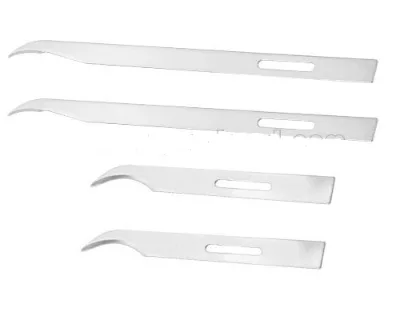


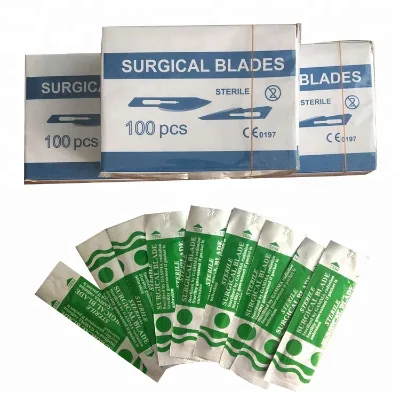
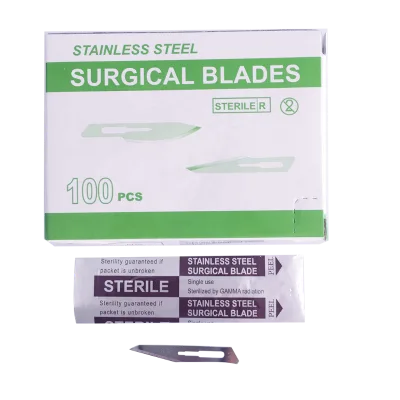
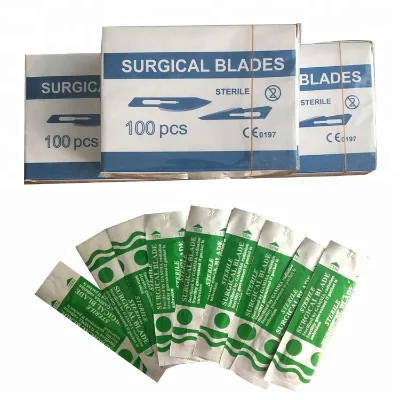
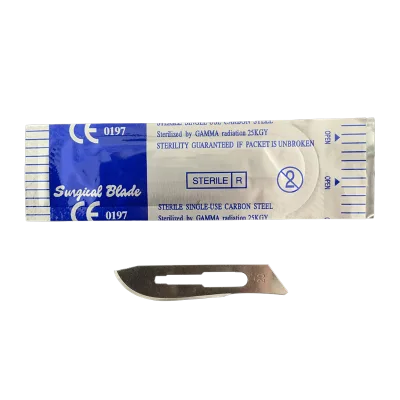
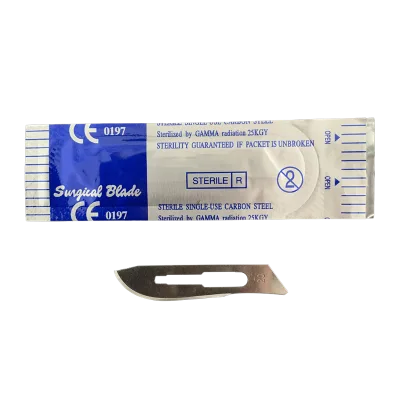
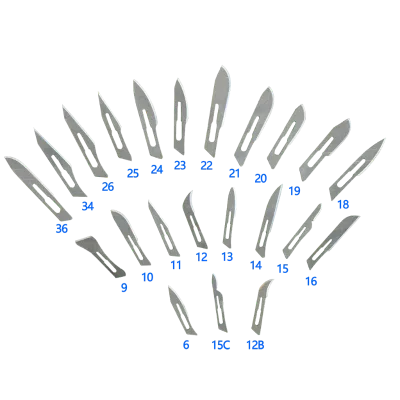


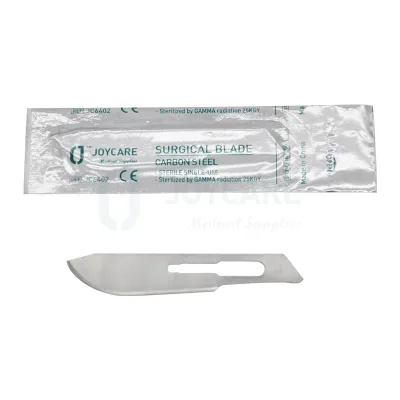
CE Approved Medical Disposable Sterile Stainless/ Carbon Steel Surgery Surgical Blade
$0.0244 - $0.027
MOQ: 30000 Minimum


Comprehensive Sourcing Guide
CE ISO Surgical Blade Sourcing Guide
Procuring surgical blades that meet CE and ISO standards requires a disciplined approach to verifying both regulatory compliance and technical performance. Buyers must distinguish between general safety certifications and specific medical device classifications, as these determine the legal scope of use in different markets. The presence of CE marking indicates conformity with health, safety, and environmental protection standards for products sold within the European Economic Area, while ISO certifications often relate to quality management systems rather than the product itself. Understanding this distinction is critical for ensuring that the sourced instruments are legally compliant for their intended clinical environment.
This guide focuses on evidence-based verification steps for sourcing disposable surgical blades, particularly those labeled as Class I or Class II medical devices. We examine observed listing signals, technical specifications, and commercial terms derived from current market data. By adhering to these verification protocols, procurement teams can mitigate risks associated with non-compliant suppliers and ensure that the surgical blades meet the rigorous demands of hospital and clinical settings. The following sections provide a structured framework for evaluating suppliers and products without relying on unverified marketing claims.
Product Scope and Observed Listing Signals
The current market for surgical blades includes a variety of models, such as the CL-SA0004 and E20011C, which are typically classified as Class I or Class II instruments. These products are primarily designed for surgical suture removal, wound care, and specialized procedures including neurosurgery, microsurgery, and urology. Listings often highlight features like ethylene oxide sterilization and disposable nature, which are essential for maintaining sterility in single-use applications. Buyers should note that while some products are marketed for general hospital use, others specify applications in burns, anorectal, or orthopedic surgeries, requiring careful alignment with clinical needs.
Observed listing signals indicate a wide range in minimum order quantities, typically spanning from 100 to 100,000 units, reflecting the diverse needs of small clinics versus large institutional buyers. Prices observed in the market range from $0 to $4.30 USD, suggesting significant variation based on material quality, packaging, and brand positioning. Many suppliers offer OEM customization, including logo printing and specific packaging configurations, such as 100 pieces per box and 50 boxes per carton. These commercial flexibility options allow buyers to tailor procurement to their specific distribution and inventory management strategies.
Technical Specifications to Verify
Technical verification begins with confirming the material composition, which is often listed as carbon steel or stainless steel. The choice of material impacts blade sharpness, durability, and resistance to corrosion, which are critical for precise surgical cuts. Buyers should verify the specific model numbers, such as #10 through #36, to ensure compatibility with existing scalpel handles. Additionally, physical dimensions like 65mm and 110mm lengths, along with single package sizes, must be checked to ensure they fit within standard storage and handling protocols. The power source is consistently manual, emphasizing the need for ergonomic design and user comfort during prolonged procedures.
Weight and volume specifications are also important for logistics and cost calculations. For instance, specific models may have unit gross weights of 0.0017kg for 65mm blades and 0.0034kg for 110mm blades, with carton volumes varying accordingly. Buyers should confirm the shelf life, which is often stated as three years, and warranty terms, typically one year, to assess long-term value. The instrument classification, whether Class I or Class II, dictates the level of regulatory scrutiny and should be cross-referenced with the intended application to ensure appropriate safety standards are met.
Compliance and Safety Documentation
Compliance documentation is paramount for surgical blades, with CE and ISO certifications being the most frequently cited standards. Buyers must verify that the CE marking is accompanied by valid technical files and that the ISO certification, often ISO 13485, applies to the manufacturer’s quality management system rather than just the product. It is crucial to distinguish between general safety standards and specific medical device regulations, as non-compliance can lead to legal liabilities and patient safety risks. Suppliers should provide clear evidence of these certifications, including certificate numbers and issuing bodies, to facilitate audit processes.
Safety standards such as ISO 13485 indicate a commitment to quality management in the design and production of medical devices. However, buyers should also inquire about other relevant standards, as some listings may reference "other" or unspecified safety standards. Ethylene oxide sterilization is a common method for ensuring sterility, and buyers should confirm that this process is validated and documented. Additionally, the presence of a warranty and after-sale technical support services can indicate a supplier’s confidence in their product’s reliability and their commitment to resolving any post-purchase issues.
Cost Drivers and Commercial Terms
Cost drivers for surgical blades include material quality, sterilization methods, and packaging complexity. Carbon steel blades may be less expensive than stainless steel alternatives but may require more careful handling to prevent corrosion. The MOQ, ranging from 100 to 100,000 units, significantly influences unit pricing, with larger orders typically benefiting from economies of scale. Buyers should also consider the cost of customization, such as logo printing or specific packaging, which may add to the overall expense but can enhance brand visibility and inventory management.
Commercial terms often include supply ability, with some suppliers offering up to 100,000 boxes per week, ensuring consistent availability for large-scale procurement. Lead times and payment terms should be clearly defined to avoid disruptions in supply chain operations. Buyers should negotiate for flexible payment options and clear return policies, especially when dealing with OEM orders. Understanding the total cost of ownership, including shipping and handling based on carton volume and weight, is essential for accurate budgeting and cost control.
Supplier Qualification and Quality Control
Supplier qualification involves verifying the manufacturer’s location, with Zhejiang and Shanghai in China being common origins for surgical blades. Buyers should assess the supplier’s production capacity and quality control processes, including in-house testing and third-party audits. The availability of online technical support and after-sale services is a positive indicator of supplier reliability and customer care. It is also important to check the supplier’s history of compliance with international standards and their ability to provide necessary documentation for customs and regulatory approvals.
Quality control measures should include regular inspections of raw materials, production processes, and finished products. Buyers should request samples to evaluate blade sharpness, material integrity, and packaging quality before placing large orders. The presence of a brand name, such as JUSTOIP or OEM brands, can provide some assurance of product consistency, but buyers should still conduct independent verification. Establishing a strong relationship with the supplier through clear communication and mutual expectations can help maintain high standards of quality and service over time.
Long-Term Procurement Checks
Long-term procurement checks involve periodic reviews of supplier performance, product quality, and regulatory compliance. Buyers should monitor any changes in certification status, such as CE or ISO marks, to ensure ongoing compliance with international standards. Regular audits of the supplier’s quality management system can help identify potential issues before they impact product quality. Additionally, staying informed about updates in medical device regulations and standards is crucial for maintaining compliance and avoiding disruptions in supply.
Feedback from clinical users should be incorporated into the procurement process to ensure that the surgical blades meet the practical needs of healthcare professionals. This includes evaluating ease of use, durability, and patient outcomes. Buyers should also consider the environmental impact of their procurement choices, such as the recyclability of packaging materials. By maintaining a proactive approach to supplier management and quality assurance, organizations can ensure a reliable supply of high-quality surgical blades that support patient safety and clinical excellence.
FAQs
What certifications do these surgical blades hold?
These surgical blades hold CE and ISO certifications, ensuring compliance with international quality standards. The products are classified as Class I or Class II instruments, depending on the specific model. This approval supports their use in hospital settings for procedures like wound care and suture removal, providing buyers with verified safety and quality assurance for their procurement needs.
Can I customize the logo on these blades?
Yes, customization is available for these surgical blades, including logo printing services. Buyers can request specific branding to match their corporate identity. This service is offered alongside standard packaging options, allowing for tailored procurement solutions. The customization feature supports OEM requirements, making it suitable for distributors seeking unique product presentations in their respective markets.
What is the minimum order quantity for these blades?
The minimum order quantity for these surgical blades starts at 100 units. For OEM orders, the MOQ is typically 1000 boxes. This flexible structure accommodates both small-scale testing and larger bulk purchases. Buyers can choose from various sizes, such as 65mm or 110mm, while adhering to these baseline quantity requirements to secure competitive pricing and supply chain efficiency.
How are these surgical blades packaged and shipped?
These surgical blades are packaged in boxes containing 100 pieces each, with 50 boxes per carton. The single package size is approximately 15x10x10 cm, while the carton volume varies by blade size. This standardized packing ensures safe transport and easy inventory management. The products are designed for disposable use, maintaining hygiene standards throughout the surgical process and post-procedure disposal.
What materials are used to make these blades?
These surgical blades are manufactured from carbon steel or stainless steel materials. The choice of material ensures sharpness and durability for various surgical applications, including neurosurgery and urology. The blades are disposable and feature a metallic silver color. This material selection supports high-performance cutting while adhering to safety standards, providing reliable tools for medical professionals in diverse clinical environments.
Where are these surgical blades manufactured?
These surgical blades are manufactured in China, with origins in Zhejiang and Shanghai regions. The production facilities adhere to ISO13485 safety standards, ensuring consistent quality control. This location allows for efficient supply chain logistics and competitive pricing. Buyers can rely on the established manufacturing infrastructure to meet their procurement needs, with online technical support available for any post-purchase inquiries or assistance.