Source Class I Electric Power Supply for Industrial, Medical, and Lab Use
Find 30 verified Class I Electric Power Supply options with varying output voltages and DIN rail installation. Compare specifications like efficiency, output current, and stability to select the right unit for industrial, medical, or laboratory applications; compare the available evidence and request quotations based on your requirements.
Updated
Key considerations
Products List


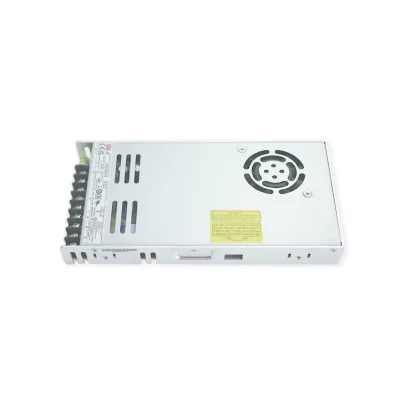
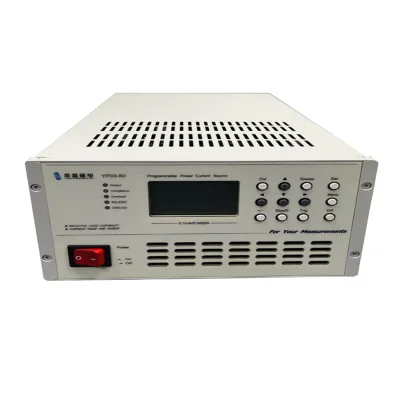
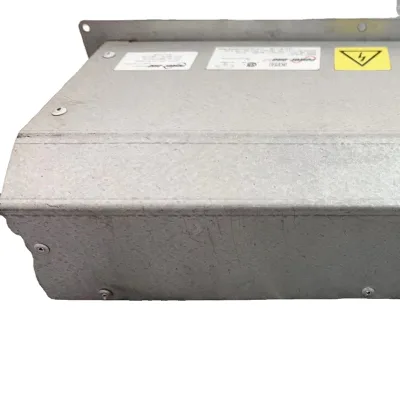
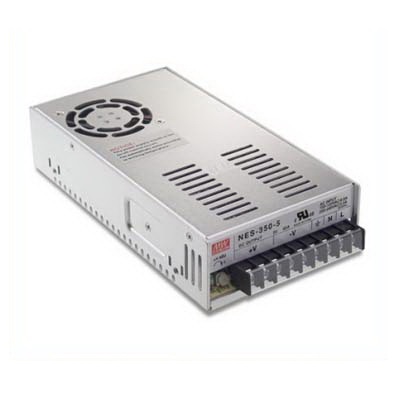


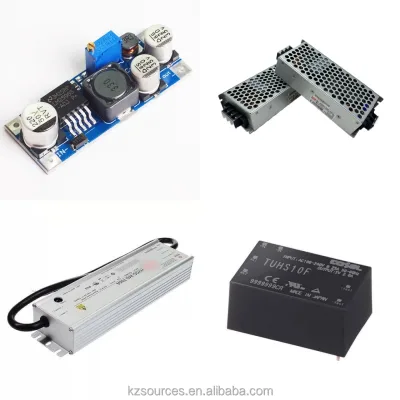
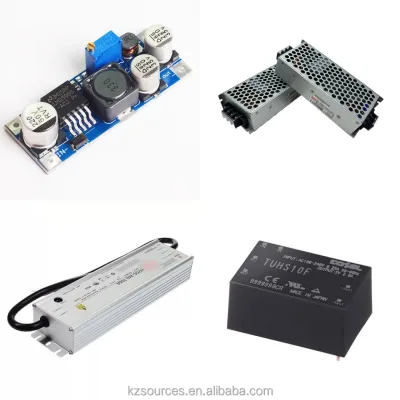
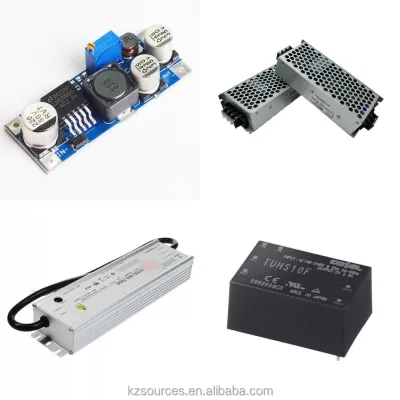
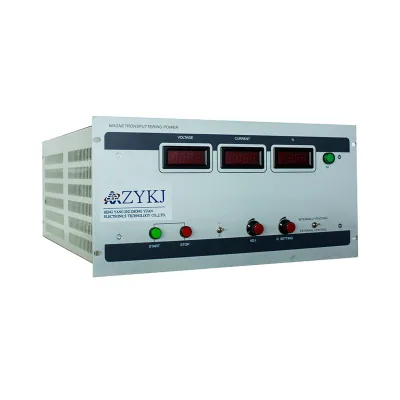


$298.00 - $695.00
MOQ: 1 Pieces


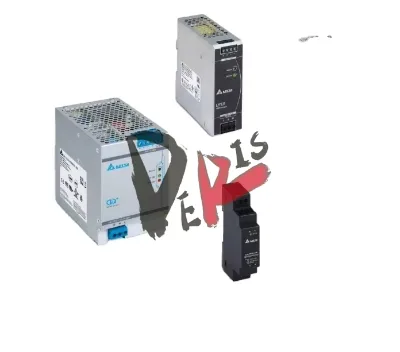
Comprehensive Sourcing Guide
Class I Electric Power Supply Sourcing Guide
Procuring Class I electric power supplies requires a disciplined approach to verifying grounding integrity and safety compliance. These devices rely on a protective earth connection to prevent electric shock in the event of an internal fault, making the physical construction and terminal design critical evaluation points. Buyers must prioritize suppliers who provide transparent documentation regarding insulation classes and leakage current limits. The presence of a dedicated earth terminal is non-negotiable for Class I equipment, distinguishing it from Class II devices that rely solely on double insulation.
This guide focuses on identifying reliable sources for AC-DC and DC-DC power modules that meet rigorous industrial standards. We examine observed listing signals, technical verification steps, and commercial terms to help procurement teams mitigate risk. By understanding the specific attributes of DIN rail mounted units and high-efficiency converters, buyers can align their technical requirements with supplier capabilities. The following sections provide a structured framework for evaluating potential vendors and ensuring long-term operational reliability.
Product Scope and Observed Listing Signals
The current market landscape for Class I power supplies features a diverse range of AC-DC converters, particularly DIN rail mounted units designed for industrial automation and control panels. Observed listings indicate a strong presence of products originating from China, with specific manufacturing hubs in Hubei and Jilin provinces contributing to the supply volume. These units often support multiple output voltages, including 5V, 12V, 24V, 36V, and 48V, catering to varied electronic load requirements. The customization availability suggests that suppliers can adapt input and output configurations to meet specific project needs, offering flexibility for OEM and ODM partners.
Listing signals reveal a wide price range, observed between $2 and $2,540 USD, reflecting differences in power capacity, efficiency ratings, and brand positioning. Minimum order quantities typically span from 1 to 1,000 units, allowing both prototyping and large-scale deployment. High-efficiency models, such as those rated at 88% or 0.87 efficiency, are prevalent, indicating a market shift toward energy-saving solutions. Buyers should note that while some listings highlight competitive pricing, others emphasize advanced features like low ripple noise and high stability, which are crucial for sensitive instrumentation applications.
Technical Specifications to Verify
Verifying output specifications is essential to ensure compatibility with downstream electronic loads. Key parameters include output voltage ranges, such as 0 to ±60 V, and current capabilities, which may extend up to 14.6 A for higher-power models. Efficiency ratings should be confirmed, with observed values around 88% indicating robust performance. Input voltage flexibility is another critical factor, with many units supporting wide-range AC inputs like 90132VAC or 180264VAC, ensuring operation across global power grids. Buyers must also check output frequency compatibility, typically 50/60 Hz, to avoid synchronization issues in AC-powered systems.
Physical and electrical characteristics further define suitability for specific environments. Dimensions, such as 21511530mm for DIN rail series units, impact panel layout and space utilization. Weight considerations, often around 0.76 kg, affect mounting stability and shipping costs. Stability metrics, like ≤100 ppm over one hour, and ripple noise levels, potentially ≤0.05%, are vital for precision applications. Additionally, commutation current surge limits, such as less than 1 mA, protect sensitive components. Buyers should verify these technical details against their system requirements to prevent performance degradation or hardware damage.
Compliance and Safety Documentation
Safety certification is paramount for Class I power supplies, with CE marking being a common requirement in many markets. Buyers must ensure that suppliers provide valid certificates confirming compliance with relevant electrical safety standards. The instrument classification as Class I implies specific grounding requirements that must be documented and verified. Documentation should also include details on insulation resistance, dielectric strength, and leakage current, which are critical for user safety. Without proper certification, the risk of electrical hazards increases significantly, potentially leading to liability issues and operational downtime.
Beyond basic safety, additional compliance documents may include environmental certifications and material safety data sheets. While some listings mention warranties, such as one-year coverage, others indicate unavailable warranty terms, highlighting the need for careful contract negotiation. Buyers should request test reports from accredited laboratories to validate performance claims. Understanding the regulatory landscape of the destination country is also essential, as standards vary by region. Ensuring that all documentation is up-to-date and legally valid protects the procurement process from future compliance audits and regulatory penalties.
Cost Drivers and Commercial Terms
Several factors influence the total cost of ownership for Class I power supplies, including material quality, efficiency ratings, and customization levels. High-efficiency models may carry a premium but offer long-term savings through reduced energy consumption. Customization options, such as OEM or ODM support, can increase initial costs but provide tailored solutions that enhance system integration. Buyers should evaluate the trade-off between upfront price and long-term operational benefits, considering factors like maintenance frequency and replacement costs. Competitive pricing does not always equate to value, especially if it compromises on safety or durability.
Commercial terms, including minimum order quantities and lead times, significantly impact procurement planning. While observed MOQs range from 1 to 1,000 units, larger orders may secure better pricing but require accurate demand forecasting. Warranty terms vary, with some suppliers offering one-year coverage while others provide none, affecting risk management strategies. Buyers should negotiate clear terms regarding returns, replacements, and technical support. Understanding the supplier’s payment terms and shipping policies is also crucial for cash flow management. Transparent commercial terms help avoid hidden costs and ensure a smooth procurement experience.
Supplier Qualification and Quality Control
Evaluating supplier qualifications is critical to ensuring consistent product quality and reliability. Buyers should verify the supplier’s manufacturing capabilities, including production capacity and quality control processes. Certifications such as ISO standards, if available, indicate a commitment to quality management. The origin of the product, whether from China, Germany, or other regions, may influence perceived quality and compliance with local standards. Buyers should request samples for testing before committing to large orders, allowing them to assess build quality and performance firsthand.
Quality control measures should include incoming material inspections, in-process testing, and final product verification. Suppliers with robust QC processes are more likely to deliver consistent products that meet specifications. Buyers should inquire about the supplier’s defect rate and how they handle non-conforming products. Transparency in reporting test results and compliance documentation is a strong indicator of supplier reliability. Establishing a clear communication channel with the supplier ensures that any issues are addressed promptly. Building a relationship with a qualified supplier reduces the risk of supply chain disruptions and ensures long-term partnership stability.
Long-Term Procurement Checks
Long-term procurement success depends on continuous monitoring of supplier performance and product reliability. Buyers should establish key performance indicators, such as delivery accuracy, product defect rates, and responsiveness to technical queries. Regular audits of supplier facilities and quality management systems can help identify potential issues before they impact production. Feedback from end-users regarding product performance and durability is also valuable for assessing long-term suitability. Maintaining a diverse supplier base can mitigate risks associated with single-source dependencies and supply chain volatility.
Technological advancements and regulatory changes may necessitate periodic reviews of power supply specifications and compliance requirements. Buyers should stay informed about industry trends and emerging standards that could affect their procurement decisions. Engaging with suppliers for continuous improvement initiatives can lead to better products and services over time. Documenting lessons learned from past procurement experiences helps refine future sourcing strategies. By adopting a proactive approach to supplier management, buyers can ensure that their Class I Electric Power Supply procurement remains aligned with business objectives and operational needs.
FAQs
What is the output voltage range for this Class I Electric Power Supply?
The output voltage range is 0 to ± 60 V. This unit supports multiple fixed output voltages including 5V, 12V, 24V, 36V, and 48V. It is designed for versatile applications requiring stable DC power conversion from AC input sources with high efficiency ratings.
Can this Class I Electric Power Supply be customized for specific needs?
Yes, customization is available for this product. Buyers can request OEM, ODM, or OBM support to tailor the unit to specific requirements. The accessory type is listed as a power supply, and spare parts are provided as new components to ensure long-term operational reliability.
Which certification does this Class I Electric Power Supply hold?
This product holds CE certification, ensuring compliance with relevant safety standards. It is classified as an Instrument Class I device. The unit features a metal material construction and DIN Rail Ts-35 installation type, making it suitable for industrial environments requiring robust and certified electrical components.
What is the maximum output power capacity of this unit?
The maximum output power is 300 W, with a specific model rating of 350.4 W. The output current ranges from 0 to ± 5 A, with specific configurations like 14.6 A available. This capacity supports various single-output applications requiring reliable power delivery for electronic systems.
How stable is the output current for this Class I Electric Power Supply?
The stability is rated at ≤ 100 ppm over one hour. The ripple noise is kept to ≤ 0.05 %, ensuring clean power delivery. The accuracy is 0.2 % of the set value, and the commutation current surge is less than 1 mA, providing precise control for sensitive electronics.
What are the input voltage specifications for this power supply?
The input voltage accepts 90~132VAC or 180~264VAC, as well as 240-340VDC. It also supports AC input single phase at 220 V ± 10 % at 50 Hz or 60 Hz. This wide input range allows for flexible integration into various global power systems and industrial setups.