Source Adjustable Lightweight Cervical Collar for neck, shoulder, and waist
Compare 30 Adjustable Lightweight Cervical Collar options from verified suppliers. Buyers can evaluate specifications, certifications, and customization features for spinal and neck support applications. These products offer fracture fixation and deformity correction capabilities with CE and ISO certifications available from manufacturers in Zhejiang and Jiangsu.
Updated
Key considerations
Products List


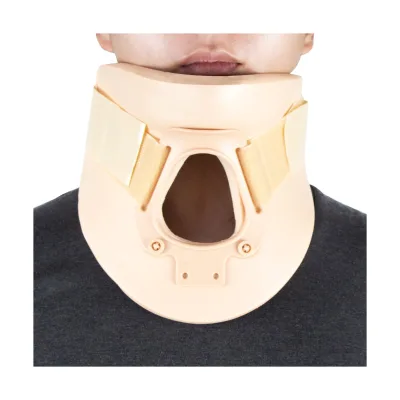
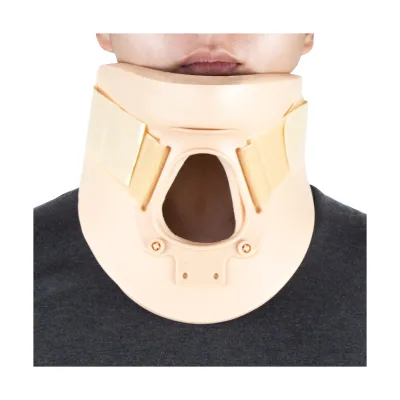
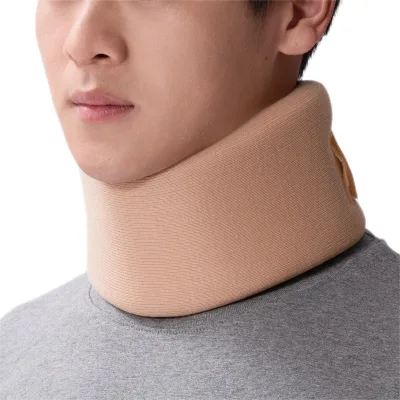
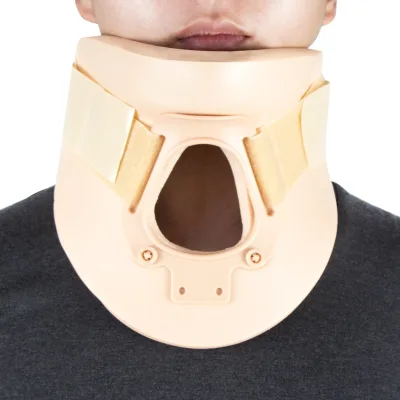


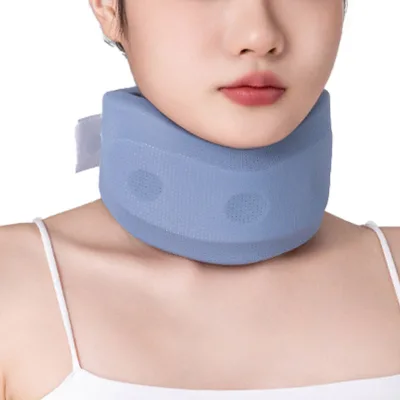


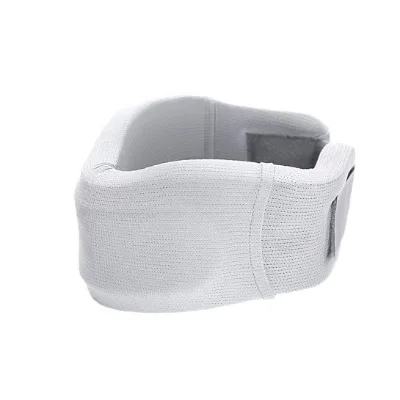
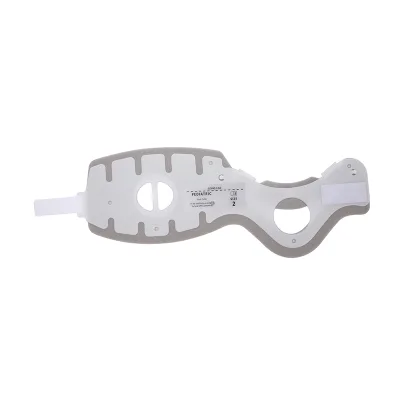
Comprehensive Sourcing Guide
Adjustable Lightweight Cervical Collar Sourcing Guide
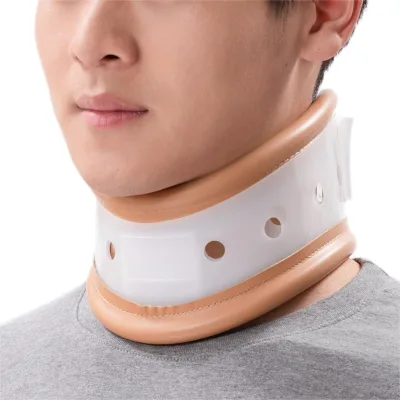
Procuring adjustable lightweight cervical collars requires a nuanced understanding of the diverse product landscape available from manufacturers in China. The observed market data indicates a significant variation in materials, ranging from basic plastic components to more sophisticated blends involving cotton and polyurethane. Buyers must recognize that the term "adjustable" and "lightweight" are broad descriptors that do not guarantee identical performance across all listings. Some products are explicitly designed for spinal support with specific weight attributes, such as 0.82kg, while others may prioritize comfort and portability for general neck support. This diversity necessitates a rigorous vetting process to ensure the selected collar meets the specific clinical or commercial requirements of the end-user.
The sourcing strategy must also account for the wide range of customization options and packaging standards observed in the market. Many suppliers offer OEM services, allowing for customized logos and branding, which is critical for private label distributors. However, the presence of customization does not imply uniformity in quality or certification. Buyers should note that while some products are marketed with features like being cold-resistant or heat-resistant, these claims must be verified against actual product specifications. The goal is to identify suppliers who can provide consistent quality across different sizes, such as S, M, and L, while maintaining the structural integrity required for effective cervical support.
Product Scope and Observed Listing Signals
The current market for cervical collars exhibits a broad spectrum of product types, including external fixators and simple soft supports. Listings indicate that these products are applicable to various body parts, with a strong focus on the neck, shoulder, and vertebrae. The observed usage cases include fracture fixation and the correction of deformities, suggesting that some products are intended for serious medical applications rather than casual comfort. Buyers should carefully distinguish between products designed for acute injury management and those intended for chronic pain relief or postural support. The presence of terms like "Professional Protection" and "External Fixator" signals a higher level of medical intervention, requiring stricter due diligence.
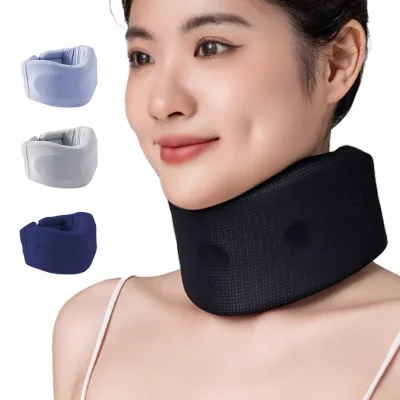
Observations also reveal significant variability in the target demographic and seasonal suitability. Products are described as suitable for both adults and children, and for all seasons, indicating a versatile design approach. However, the material composition varies widely, with some collars made from plastic and others from cotton and polyurethane blends. This difference directly impacts breathability, durability, and patient comfort. Additionally, the color options range from beige to black and white, allowing for aesthetic customization. Buyers must align these observed signals with their specific market needs, ensuring that the material and design choices match the expected usage environment and customer preferences.
Technical Specifications to Verify
When evaluating technical specifications, buyers must prioritize the verification of size ranges and material compositions. The market offers standard sizes such as S, M, and L, but the exact dimensions and fit can vary significantly between manufacturers. It is essential to request detailed size charts and material specifications to ensure compatibility with the target user group. The weight of the product is another critical factor, with some listings specifying a weight of 0.82kg, which may be relevant for users requiring minimal burden during extended wear. Verifying these physical attributes helps prevent returns and ensures that the product meets the functional expectations of the end-user.
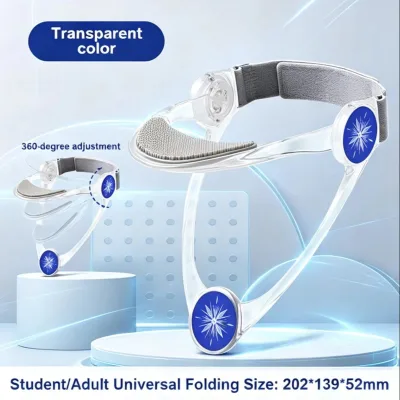
Furthermore, the adjustability mechanism and durability features require close inspection. Products are often described as adjustable, lightweight, and portable, but the specific mechanisms for adjustment, such as Velcro straps or buckle systems, are not always detailed. Buyers should inquire about the resistance to wear, impact, and temperature changes, as these factors influence the product's lifespan. The presence of features like cold-resistance or heat-resistance should be validated through supplier documentation or sample testing. Additionally, the packaging type, whether it is a zip bag, OPP, or color box, can affect the product's presentation and protection during shipping, so this should be confirmed early in the sourcing process.
Compliance and Safety Documentation
Compliance with international standards is a non-negotiable aspect of sourcing medical and health-related products. The observed listings frequently mention certifications such as CE and ISO, which are critical for market access in many regions. Buyers must verify the validity and scope of these certifications, ensuring they cover the specific product models being purchased. The presence of RoHS certification in some listings indicates compliance with restrictions on hazardous substances, which is particularly important for products involving plastics and synthetic materials. It is advisable to request copies of the certificates and cross-reference them with the issuing bodies to confirm their authenticity and current status.
In addition to certifications, buyers should assess the quality assurance processes of the suppliers. The mention of "Professional Protection" and specific application areas like fracture fixation implies a higher level of safety requirement. Suppliers should be able to provide test reports or quality control records that demonstrate the product's ability to withstand expected stresses. The shelf life of the product, noted as one year in some listings, is another critical compliance factor that must be clearly communicated to end-users. Ensuring that all documentation is up-to-date and accurately reflects the product specifications helps mitigate legal and reputational risks associated with non-compliant goods.
Cost Drivers and Commercial Terms
Cost structures for cervical collars are influenced by several factors, including material choice, customization level, and order volume. The observed price range of 0.85 to 9 USD reflects the diversity in product quality and features. Basic plastic collars may be priced at the lower end, while those made from premium materials like cotton and polyurethane blends, or those with advanced features, may command higher prices. Buyers should analyze the cost breakdown to understand the value proposition of each option. It is important to consider not just the unit price but also the total cost of ownership, including shipping, tariffs, and potential returns due to fit issues.
Commercial terms such as MOQ and payment conditions also play a significant role in the procurement strategy. The observed MOQ ranges from 1 to 500 pieces, with some suppliers requiring a minimum of 200 pieces for customized orders. This flexibility allows buyers to start with smaller test orders before committing to larger volumes. However, buyers should be aware that customization, such as printing logos or selecting specific colors, may incur additional costs or higher MOQs. Negotiating favorable payment terms and clear delivery schedules is essential to maintain cash flow and ensure timely receipt of goods. Understanding these commercial dynamics helps in building a sustainable and profitable sourcing relationship.
Supplier Qualification and Quality Control
Supplier qualification is a critical step in ensuring the reliability of the supply chain. Buyers should verify the supplier's location, with many manufacturers based in Zhejiang and Jiangsu provinces in China. These regions are known for their manufacturing capabilities, but it is essential to conduct on-site audits or request third-party verification reports to assess the supplier's production capacity and quality management systems. The availability of after-sale services, such as online technical support or onsite training, can also indicate the supplier's commitment to customer satisfaction. Buyers should prioritize suppliers who offer comprehensive support and are responsive to inquiries.
Quality control measures should be clearly defined and agreed upon before placing orders. This includes establishing clear acceptance criteria for product quality, packaging, and labeling. Buyers should request samples for initial evaluation and consider implementing pre-shipment inspections for larger orders. The ability to customize products, such as adding logos or selecting specific materials, should be tested to ensure consistency and quality. Additionally, buyers should assess the supplier's ability to handle defects and returns, as this impacts the overall risk profile of the procurement. A robust quality control process helps maintain product integrity and customer trust.
Long-Term Procurement Checks
Long-term procurement success depends on continuous monitoring and relationship management. Buyers should establish regular review cycles to assess supplier performance, including delivery times, product quality, and responsiveness to issues. The market for cervical collars is dynamic, with new materials and designs emerging frequently. Staying informed about these trends allows buyers to adapt their sourcing strategies and maintain a competitive edge. Building a strong relationship with suppliers can lead to better pricing, priority production, and access to new product developments. Regular communication and feedback loops are essential for fostering a collaborative partnership.
Furthermore, buyers should periodically re-evaluate their compliance requirements and market regulations. Changes in certification standards or import regulations can impact the sourcing strategy. It is important to stay updated on these changes and ensure that suppliers remain compliant. Additionally, buyers should consider diversifying their supplier base to mitigate risks associated with single-source dependencies. This may involve identifying alternative suppliers in different regions or with different capabilities. By maintaining a proactive approach to supplier management and market analysis, buyers can ensure a stable and efficient supply chain for adjustable lightweight cervical collars.
FAQs
What certifications do these cervical collars have?
These adjustable lightweight cervical collars hold CE and ISO certifications, ensuring compliance with international quality standards. Some models also feature RoHS certification, indicating adherence to environmental safety regulations. Buyers can verify specific product documentation to confirm the exact certification status for their procurement needs.
Can I customize the logo on these collars?
Yes, customized logos are available for these products. The supplier offers OEM services, allowing buyers to print their brand logo on the packaging or the product itself. This customization option supports branding efforts for medical distributors and healthcare providers seeking private label solutions.
What materials are used in these collars?
The collars are constructed from plastic, cotton, and polyurethane materials. This combination ensures durability while maintaining comfort against the skin. The lightweight design makes them suitable for extended wear, providing necessary support for neck and spinal applications without causing excessive burden to the user.
What is the minimum order quantity for these items?
The minimum order quantity is typically 200 pieces for one size and one color. However, MOQs can range from 1 to 500 units depending on the specific model and customization requirements. Buyers should confirm the exact MOQ with the supplier based on their specific order specifications.
Where are these cervical collars manufactured?
These products originate from Zhejiang and Jiangsu provinces in China. The manufacturing facilities are located in the Mainland of China, leveraging local supply chains for efficient production. Buyers can trace the origin to ensure alignment with their sourcing preferences and logistical requirements for international delivery.
What sizes are available for these collars?
Available sizes include Small, Medium, and Large, catering to various neck circumferences. The specification size is clearly defined as S, M, and L to assist in accurate sizing. Buyers should measure the patient's neck to select the appropriate size for optimal fit and therapeutic effectiveness.