Source Commercial Cold Press Juice Extractor for Juice Bars, Cafes, and Catering
Compare 30 Commercial Cold Press Juice Extractor models from verified suppliers. Evaluate specifications like capacity, power, and dimensions to find the right machine for juice bars, cafes, and catering operations; compare the available evidence and request quotations based on your requirements.
Updated
Key considerations
Products List
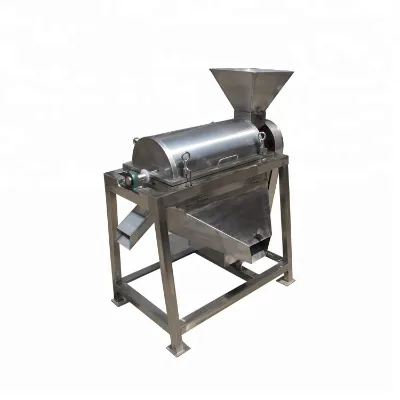
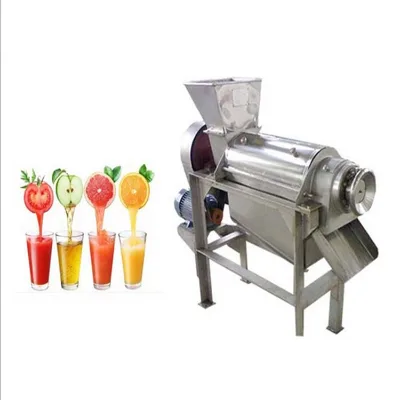


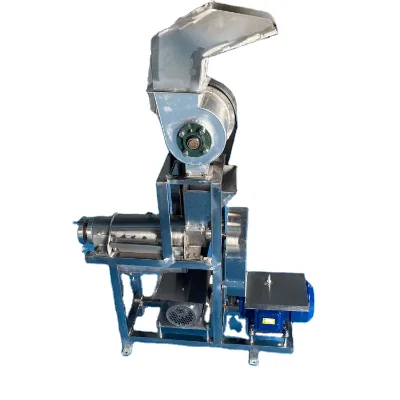
Commercial Cold Press Juicer Juice Extractor Ginger Extraction Machine
$3000.00 - $4500.00
MOQ: 1 Pieces

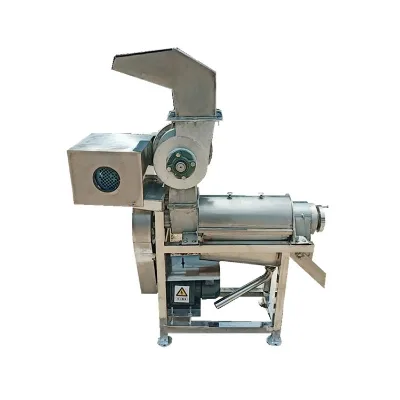
Commercial Orange Juice Machine Juicer Extractor Coconut Cold Press Juicer
$2500.00 - $10000.00
MOQ: 1 Sets


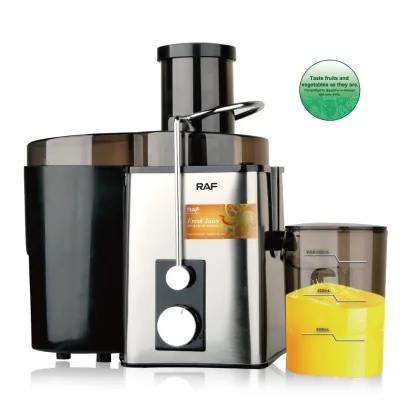


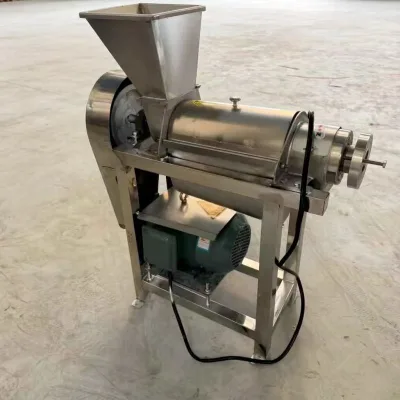
Hydraulic Press for Juice Extraction Cold Press Juicer Extractor Machine
$2200.00 - $2420.00
MOQ: 1 Pieces


Industrial Cold Press Fruit Juicer Extractor Commercial Automatic Juicer Machine
$1500.00 - $2500.00
MOQ: 1 Pieces
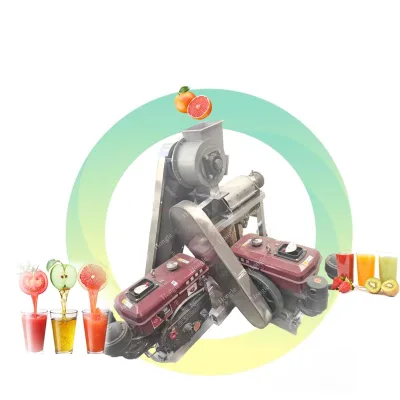
Commercial Cold Press Fresh Onion Juice Lime Squeeze Orange Juice Extracting
$980.00 - $1200.00
MOQ: 1 pieces


Comprehensive Sourcing Guide
Commercial Cold Press Juice Extractor Sourcing Guide
Procuring a Commercial Cold Press Juice Extractor requires careful evaluation of mechanical design and operational efficiency to ensure consistent output in high-volume environments. Buyers must prioritize machines that balance high extraction yields with minimal heat generation, which preserves the nutritional integrity and flavor profile of the final product. The market offers various models, ranging from compact units suitable for small cafes to heavy-duty industrial systems capable of processing tons of raw material per hour. Understanding the specific throughput requirements of your facility is the first step in selecting the appropriate equipment tier.
The selection process also involves assessing the machine’s compatibility with diverse raw materials, including fibrous fruits, root vegetables, and leafy greens. Different extractor mechanisms handle pulp separation and juice clarity differently, impacting downstream filtration needs and overall workflow efficiency. Buyers should examine the machine’s ability to handle varying input sizes and textures without clogging or excessive wear on critical components. This versatility ensures that the equipment remains a valuable asset across different product lines and seasonal ingredient changes.
Product Scope and Observed Listing Signals
Current market listings indicate a wide price range, observed between $15.26 and $10,000 USD, reflecting significant variations in capacity, build quality, and automation levels. Minimum order quantities (MOQ) are typically low, ranging from 1 to 10 units, which facilitates trial purchases for small businesses or pilot testing for larger operations. These signals suggest a fragmented market with options for both entry-level commercial setups and large-scale industrial installations. Buyers should correlate price points with expected daily throughput and durability expectations to avoid under-specifying their equipment.
Product attributes frequently highlight key performance indicators such as power consumption, weight, and physical dimensions, which are critical for facility planning. For instance, observed models range from lightweight units weighing 95kg to heavier industrial machines at 250kg, with power ratings spanning from 750W to 3kW. Dimensions also vary significantly, with some units measuring approximately 800x320x1000mm while others exceed 1200mm in length. These physical specifications directly impact installation requirements, floor space allocation, and electrical infrastructure needs within the processing facility.
Technical Specifications to Verify
Verifying core mechanical components is essential for ensuring long-term reliability and consistent performance. Buyers should confirm the material composition of contact parts, with stainless steel being a standard requirement for hygiene and corrosion resistance. The presence of specific core components, such as high-quality gears, directly influences the machine’s ability to maintain consistent rotation speeds, often observed around 400-410rpm, which is crucial for effective cold pressing without overheating the juice.
Electrical specifications must align with local infrastructure, with observed voltage options including 220V and 380V configurations. Power ratings vary, with some units operating at 750W for smaller tasks and others requiring 3kW for high-capacity industrial applications. Buyers must also verify the machine’s capacity, which can range from 0.1-0.5 tons per hour for smaller models to 1 ton per hour for larger industrial extractors. Ensuring these technical parameters match your operational demands prevents bottlenecks and ensures efficient workflow management.
Compliance and Safety Documentation
Compliance with international standards is a critical factor in selecting a reliable juice extractor. Buyers should verify that the equipment holds relevant certifications, such as CE and ISO9001, which indicate adherence to quality management and safety regulations. Some suppliers also provide additional certifications like SGS or BV, which can offer further assurance of product quality and manufacturing standards. These documents are essential for regulatory compliance in many markets and can facilitate smoother customs clearance and installation processes.
Safety documentation should include detailed machinery test reports and clear operational guidelines. Buyers must ensure that the supplier provides comprehensive manuals covering installation, operation, and maintenance procedures. Additionally, verifying the availability of after-sales support, such as online assistance or overseas engineer services, is crucial for resolving technical issues promptly. This support structure ensures minimal downtime and helps maintain the machine’s performance over its operational lifespan, protecting your investment.
Cost Drivers and Commercial Terms
Several factors influence the total cost of ownership beyond the initial purchase price. The machine’s material quality, particularly the grade of stainless steel used, significantly impacts durability and maintenance costs. Higher-quality materials may have a higher upfront cost but offer better resistance to wear and corrosion, reducing long-term replacement expenses. Buyers should also consider the energy efficiency of the motor, as power consumption directly affects operational costs over time.
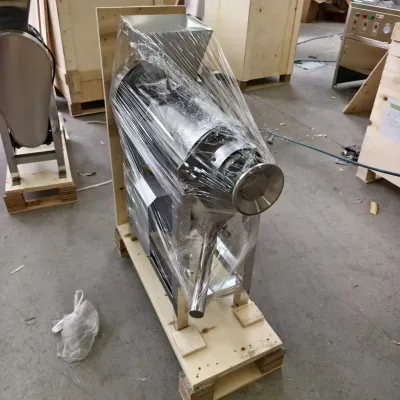
Commercial terms such as packaging, shipping, and lead times also play a role in overall procurement costs. Observed packaging often includes wooden cases to protect the machine during transit, which adds to shipping weight and volume. Lead times can vary, with some suppliers offering production times of around three days, while others may have longer schedules depending on customization requirements. Buyers should negotiate clear terms regarding delivery schedules and warranty coverage to avoid unexpected delays or additional costs.
Supplier Qualification and Quality Control
Evaluating supplier qualifications is vital for ensuring the reliability of the purchased equipment. Buyers should verify the supplier’s manufacturing capabilities and quality control processes, looking for evidence of standardized production methods. Suppliers that provide machinery test reports demonstrate a commitment to quality assurance, allowing buyers to verify performance before shipment. This due diligence helps mitigate the risk of receiving defective or substandard equipment that could disrupt operations.
After-sales service capabilities are another critical aspect of supplier qualification. Buyers should assess the availability of technical support, including online assistance and the option for overseas engineers to service machinery. A robust support network ensures that any technical issues can be resolved quickly, minimizing downtime. Additionally, verifying the warranty terms, typically ranging from one year to 12 months, provides a safety net for potential manufacturing defects, ensuring buyer protection.
Long-Term Procurement Checks
Establishing a long-term relationship with a reliable supplier requires ongoing performance monitoring and feedback. Buyers should track the machine’s operational efficiency, maintenance frequency, and juice quality consistency over time. Regularly reviewing these metrics helps identify potential issues early and ensures that the equipment continues to meet production standards. This proactive approach allows for timely maintenance and adjustments, extending the machine’s useful life and maintaining product quality.
Continuous engagement with the supplier for updates on technology and improvements is also beneficial. Suppliers may offer upgrades or new models that enhance efficiency or ease of operation. By staying informed about industry advancements, buyers can make informed decisions about future upgrades or replacements. This strategic approach ensures that the procurement process remains aligned with evolving business needs and technological capabilities, maximizing the return on investment.
FAQs
How much does a Commercial Cold Press Juice Extractor weigh?
Listed units range from about 95 kg for compact models up to 250 kg, with one common model at 120 kg. Weight matters for installation planning, floor loading, and mobility in your shop or processing facility. Confirm the exact model weight with the supplier before arranging delivery, as heavier units may need fixed placement and dedicated handling equipment.
What certifications should a Commercial Cold Press Juice Extractor have?
Relevant certifications for listed machines include CE, ISO9001, and in some cases SGS or BV. CE indicates compliance with European safety requirements, while ISO9001 relates to quality management in manufacturing. Ask each supplier for valid certificate copies and check that the certificate covers the specific model you intend to buy rather than the factory in general.
What warranty is provided with a Commercial Cold Press Juice Extractor?
Listed machines typically come with a warranty of either 1 year or 12 months, which are effectively the same coverage length. Warranty terms usually cover manufacturing defects under normal operation. Read the fine print on wear parts, labor, and shipping costs, and confirm whether online support or overseas engineer service is included after the warranty period ends.
Which power supply options are available for these juice extractors?
Listed machines support 220v and 380v voltage options, with power ratings including 750 W and 3 kW depending on the model. Choose voltage to match your local electrical supply, since 380v three-phase is common for higher-capacity units in commercial settings. Confirm the plug type and phase requirements with the supplier before ordering so installation goes smoothly.
What materials are used in commercial cold press juice extractors?
Listed machines are made of stainless steel, which suits food processing because it resists corrosion and is easy to clean and sanitize. Food contact surfaces should ideally be food-grade stainless steel, so ask suppliers to specify the grade and finish. Stainless construction also supports hygiene requirements in commercial juice bars and small processing plants.
Can a Commercial Cold Press Juice Extractor handle both fruits and vegetables?
Yes, listed machines are designed to squeeze fruits and vegetables, with processing types covering fruit and raw materials including fruit and vegetables. Capacity varies by model, with one listed at 0.1 to 0.5 tons per hour and another at 1 ton per hour. Fibrous produce such as ginger is also listed as suitable, though yield and throughput depend on the specific produce and model.
How long does production take after I order a juice extractor?
One listed machine shows a production time of 3 days, though actual lead time varies by model, order volume, and supplier workload. Shipping ports listed include Qingdao and Shanghai, so total delivery time also depends on your destination and freight method. Request a written production and shipping schedule before placing the order to plan your installation timeline.
What after-sales support can I expect for these machines?
Listed suppliers provide online support, and some offer engineers available to service machinery overseas. A machinery test report can also be provided, which helps verify performance before shipment. Clarify response times, spare parts availability, and whether on-site service carries extra fees, especially if you are importing and cannot easily return the machine for repair.