Adjustable Cutter Fruit Juicer Suppliers and Manufacturers
Compare 35 verified suppliers of Adjustable Cutter Fruit Juicer across China Guangdong, Zhejiang, and Henan. Review response times, lead times, certifications, and pricing to source efficiently. Contact suppliers directly to request quotes; review the available evidence before requesting comparable quotations from suitable candidates.
Updated
Suppliers List

Sunbird Technology Development Co., Limited
- Manufacturer/Factory
- China Guangdong
- Lead time45 days
- Avg. response≤ 11h
Main productsBBQ Grill, Free Standing Oven, Coffee Maker, Rice Cookers, Induction Cookers, Gas Cookers, Electric Oven, Pizza Oven, Deep Fryer, Bread Maker
Main marketsSouth America,Eastern Europe,Mid East,North America,Southeast Asia,Eastern Asia,Oceania,Western Europe,Africa

Cixi Lotek Electrical Appliance Co., Ltd.
- Verified by SGS
- Manufacturer/Factory
- China Zhejiang
- Lead time30 days
- Avg. response≤ 9h
Main productsBlender, Hand Blender, Smoothie Blender, Hand Mixer, Food Processor, Portable Blender, Mini Chopper, Immersion Blender, Food Chopper, Coffee Grinder
Main marketsSouth America,Eastern Europe,Mid East,North America,Southeast Asia,Oceania,Western Europe,Africa


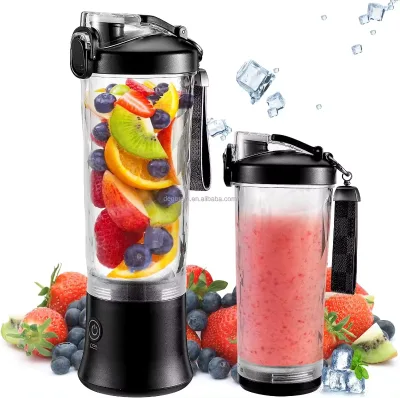
6 Blades 17oz Rechargeable Fruit Juicer Easy to Carry Easy to Clean Personal Blender
$5.80 - $5.95
MOQ: 2000 pieces

- Verified by BV
- Trading Company,Manufacturer/Factory
- China Henan
- Lead time15 days
- Avg. response≤ 4h
Main productsOil Expeller, Oil Press Machine, Oil Refinery, Pellet Machine, Food Processing Machine, Animal Feed Machine, Packing Machine, Filling Machine, Briquette Machine, Brick Machine
Main marketsSouth America,Eastern Europe,Mid East,North America,Southeast Asia,Eastern Asia,Oceania,Western Europe,Africa
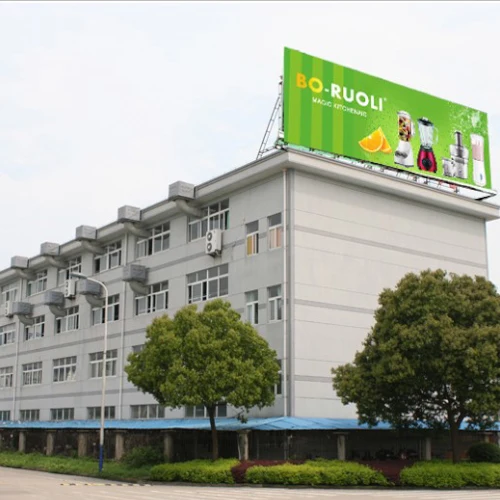
Ningbo Boruoli Electric Appliance Co., Ltd.
- Trading Company
- Zhejiang, China
- Lead time25 days
- Avg. response≤ 6h
Main productsCoffee Grinder,Mini Chopper,Personal Blender
Main marketsNorth America(60.00%), Western Europe(10.00%), Southeast Asia(10.00%), Northern Europe(10.00%), Southern Europe(5.00%), Eastern Europe(5.00%)
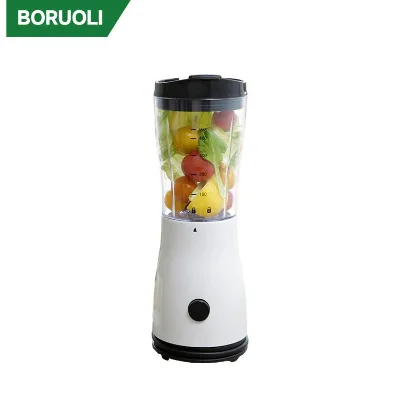
High Efficient vegetable juicer tomato juicer
$6.50 - $16.00
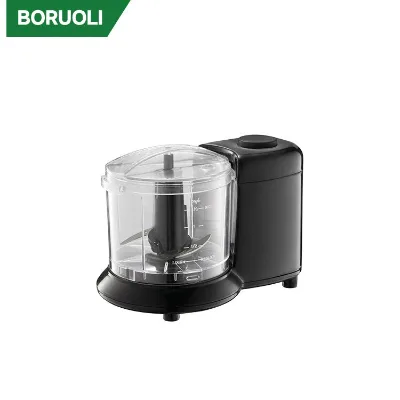
Juicer Blender Kitchen Mixer Food Processor
$4.60 - $14.00

Taizhou Shangyi Plastic Co., Ltd.
- Verified by TUVRHEINLAND
- Trading Company
- China Zhejiang
- Lead time23 days
- Avg. response≤ 20h
Main productsFood Container, Storage Container, Lunch Box, Bento Box, Plastic Laundry Basket, Plastic Storage Container, Plastic Cutting Board
Main marketsSouth America,Southeast Asia/ Mideast

Shanghai Jump Machinery & Technology Co., Ltd.
- Verified by BV
- Combined
- China Shanghai
- Lead time60 days
- Avg. response≤ 14h
Main productsTomato Paste Processing Line, Fruits Processing Line, Fruit Jam Processing Equipment, Fruit Beverage Production Line, Fruits &Vegetables Processing Plant, Fruit Paste Processing Machinery, Fruit Juice Making Machine, Mango Puree Processing Plant, Tomato Sauce Processing Line, Hot Chili Sauce Processing Line
Main marketsDomestic
Zhongshan Aouball Electric Appliances Co., Ltd.
- Verified by SGS Group
- Manufacturer, Trading Company
- Lead time30 days
- Avg. response≤ 4h
Main productsCoffee Machine, Pizza Oven, Kitchen Waste Disposer, Air Fryer, Meat Grinder
Main marketsSoutheast Asia(20%), North America(15%), Mid East(15%)
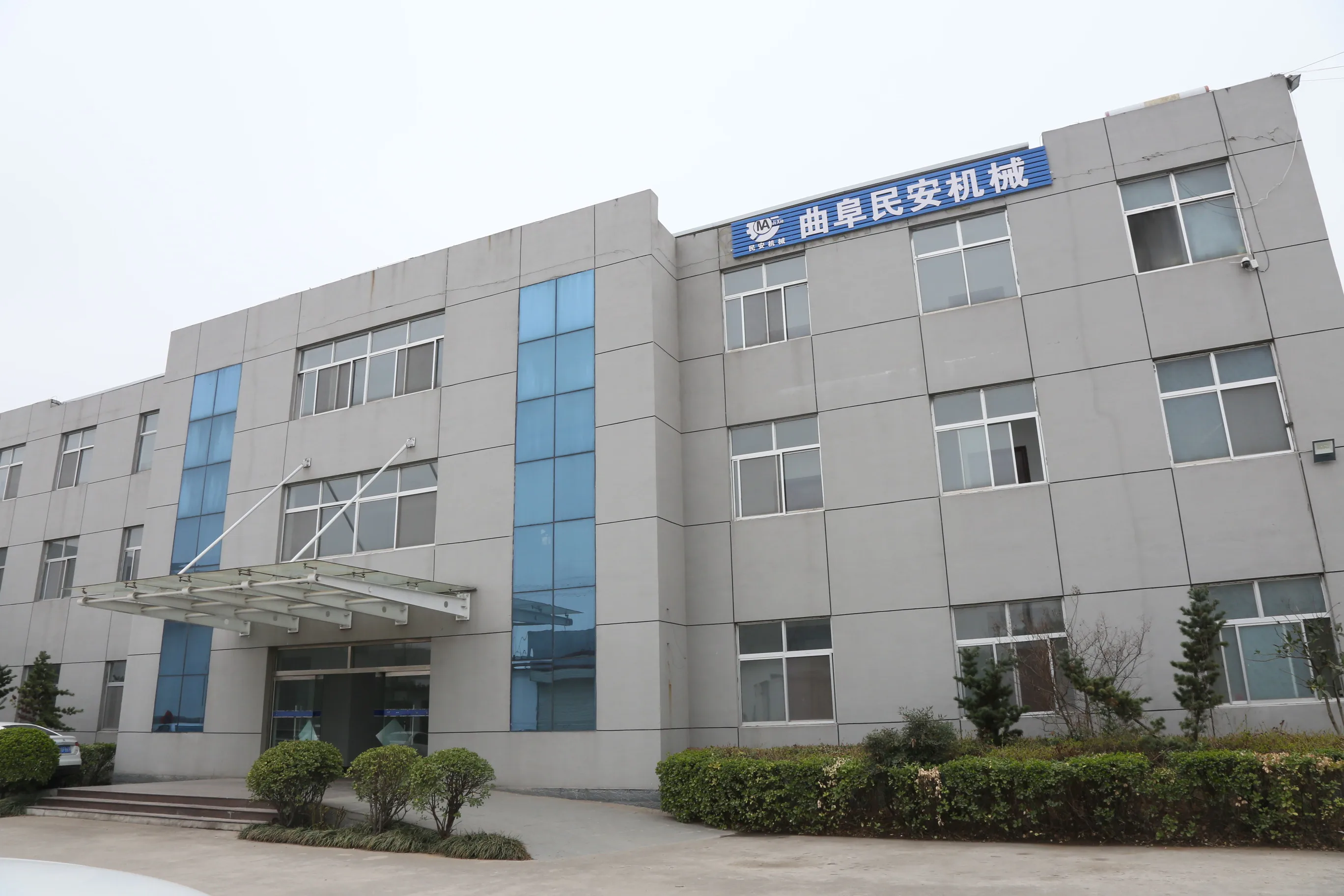
Shandong Minan Machinery Equipment Co., Ltd.
- Manufacturer
- Shandong, China
- Lead time7 days
- Avg. response≤ 9h
Main productsFood and beverage machinery,Industrial Juicer,Screw Juicer,Commercial Juicer
Main marketsSoutheast Asia(40.00%), Africa(30.00%), Eastern Asia(10.00%), South America(10.00%), Mid East(10.00%)

Ningbo Sinolink Appliance Co., Ltd.
- Trading Company
- China Zhejiang
- Lead time0 days
- Avg. response≤ 22h
Main productsBlender, Juicer, Food Processor, Chopper


Hot Selling Mini Electric Automatic Citrus Juicer with Protective Cover
$1.00 - $10.00
MOQ: 4000 Pieces


Chongqing Qiaoxing Machinery & Equipment Company
- Trading Company,Manufacturer/Factory
- China Chongqing
- Lead time23 days
- Avg. response≤ 5h
Main productsPellet Machine, Soap Making Machine, Food Machine, Wood Pellet Line, Feed Pellet Line, Wood Pellet Mill, Animal Feed Pellet Mill, Food Dryer, Hammer Mill, Animal Feed Pellet Plant
Main marketsSouth America,Eastern Europe,Mid East,North America,Southeast Asia,Eastern Asia,Oceania,Western Europe,Africa
Zhongshan Junguo Electrical Appliances Co., Ltd.
- Manufacturer
- Guangdong, China
- Lead time35 days
- Avg. response≤ 9h
Main productsBlender,Meat Chopper,Juice Extractor,Hand-held Mixer,Juicer
Main marketsWestern Europe(20.00%), Mid East(20.00%), Southeast Asia(17.00%), South America(15.00%), North America(15.00%), South Asia(5.00%), Eastern Asia(5.00%), Eastern Europe(3.00%)
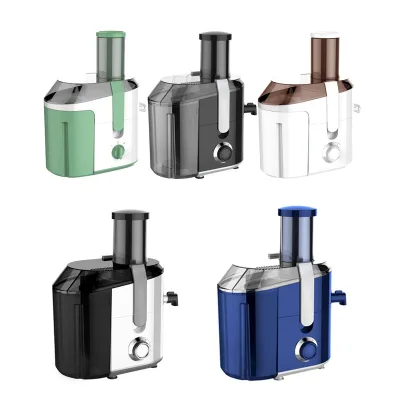
$18.1423 - $19.4905
MOQ: 2 pieces
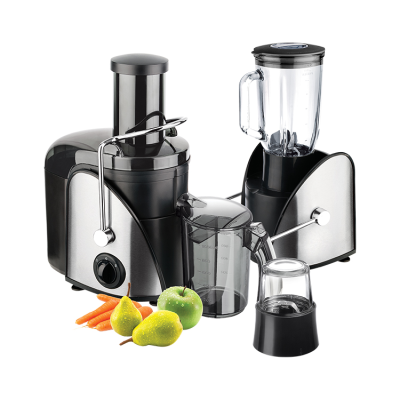
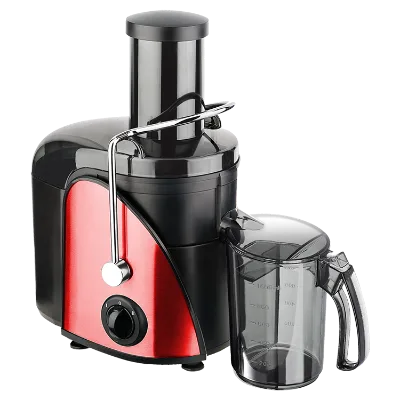
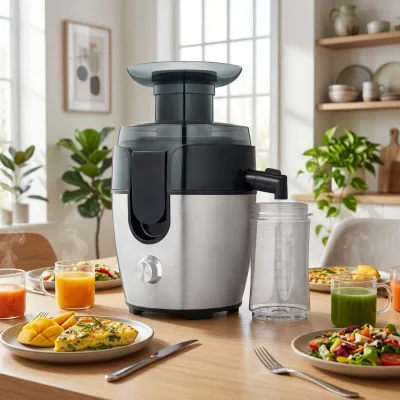

- Trading Company
- China Zhejiang
- Lead time0 days
- Avg. response≤ 9h
Main productsHousehold, Personal Care, Kitchenware, Fitness, Car Items, Tools, Health Care, Paint Brush, Magic Mesh, Beauty

Changzhou Jinkun Food Machinery Co., Ltd.
- Verified by SGS
- Combined
- China Jiangsu
- Lead time15 days
- Avg. response≤ 3h
Main productsMeat Slicer, Bone Saw, Hamburger Press, Meat Mincer, Vegetable Cutter, Juicer Series, Meat Grinder, Sausage Machine, Machine Accessories
Main marketsSouth America,Europe
Zhengzhou Caleb Machinery Co., Ltd.
- Verified by SGS Group
- Trading Company
- Lead time10 days
- Avg. response≤ 1h
Main productsAgricultural Machinery, Harvesting Machine, TMR Mixer, Silage Machine, Food Machinery
Main marketsSoutheast Asia(25%), North America(20%), Western Europe(15%)
Henan Shanpu Machinery Equipment Co., Ltd.
- Trading Company
- Henan, China
- Lead time0 days
- Avg. response≤ 2h
Main productsoil press machine,package machine,juicer machine,Woodworking machinery,Rubber and plastic machinery
Main marketsNorth America(15.00%), Mid East(10.00%), Northern Europe(10.00%), Western Europe(10.00%), Southeast Asia(10.00%), Eastern Europe(10.00%), Southern Europe(10.00%), Oceania(5.00%), South Asia(5.00%), Africa(5.00%), South America(5.00%), Central America(2.00%), Eastern Asia(2.00%), Domestic Market(1.00%)

ZHE JIANG HORUS APPLIANCE CO., LTD.
- Verified by TUVRHEINLAND
- Manufacturer/Factory
- China Zhejiang
- Lead time0 days
- Avg. response≤ 10h
Main productsSausage Filler, Meat Grinder, Bone Saw Machine, Meat Slicer, Kebab Slicer, Spice Grinder, Flour Mill Machine, Juicer Machine, Planetray Mixer, Dough Mixer
Zhongshan Chenyi Technology Co., Ltd.
- Manufacturer, Trading Company
- Guangdong, China
- Lead time45 days
- Avg. response≤ 4h
Main productsJuicer,Blender,Milk Frother,Coffee Grinder,Mixer
Main marketsNorth America(20.00%), Western Europe(18.00%), Mid East(12.00%), South America(10.00%), Southeast Asia(8.00%), Eastern Europe(8.00%), Eastern Asia(5.00%), Northern Europe(5.00%), South Asia(4.00%), Southern Europe(4.00%), Oceania(3.00%), Central America(1.00%), Domestic Market(1.00%), Africa(1.00%)

- Verified by SGS
- Trading Company
- China Zhejiang
- Lead time15 days
- Avg. response≤ 10h
Main productsFan, Heater Fan, Air Fryer, Toaster, Rice Cooker, Vacuum Cleaner, Coffee Machine, Hairdressing Appliance, Electric Toothbrush, Steam Iron
Main marketsEurope,Australia


Hot Sell Multi-Functional Portable Fruit Juicer Modern Machine High Speed Juice Blenders
$9.59 - $10.72
MOQ: 100 Pieces

$8.41 - $9.74
MOQ: 150 Pieces

Wenzhou Cathylin International Trade Co., Ltd.
- Verified by TUVRHEINLAND
- Trading Company
- China Zhejiang
- Lead time15 days
- Avg. response≤ 5h
Main productsFlatware, Cutlery, Kitchen Tools, Tableware, Cookware, Bakeware, Drinkware
Main marketsNorth America

Wenzhou Shifengxu Technology Co., Ltd.
- Verified by SGS
- Combined
- China Zhejiang
- Lead time15 days
- Avg. response≤ 5h
Main marketsDomestic

Guangdong Shenghui Machinery Co., Ltd
- Verified by TUVRHEINLAND
- Combined
- China Guangdong
- Lead time23 days
- Avg. response≤ 9h
Main productsFood Machine, Vegetable Cutting Machine, Vegetable Washing Machine, Fruit Cleaning Machine, Bone Sawing Machine, Grinding Machine, Peeling Machine, Packing Machine, Fish Skinning Machine, Fish Extraction Machine
Main marketsSoutheast Asia/ Mideast,Domestic


Commercial Passion Fruit Juice Processing Equipment Fruit Juicer Food Equipment
$19850.00 - $20300.00
MOQ: 1 pc


Islow Electric (Zhongshan) Co., Ltd
- Verified by SGS
- Combined
- China Guangdong
- Lead time30 days
- Avg. response≤ 8h
Main productsSlow Juicer, Coffee Grinder
Main marketsEurope

$38.00 - $45.00
MOQ: 500 pieces

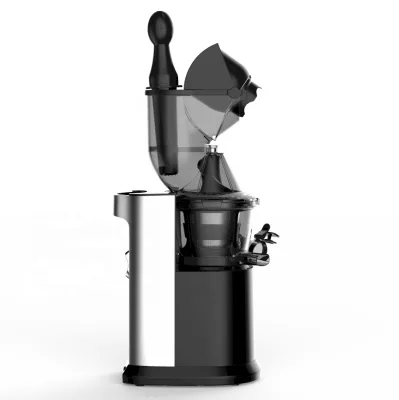
Sj-057 Portable Multi-Purpose Electric Orange Vegetable Fruit Easy to Clean Slow Juicer
$38.00 - $45.00
MOQ: 500 pieces
Ningbo Juyi Import And Export Co., Ltd.
- Trading Company
- Zhejiang, China
- Lead time0 days
- Avg. response≤ 4h
Main productskitchenware,outdoor,garden item,snow items
Main marketsWestern Europe(80.00%)
Cixi Lotek Electrical Appliance Co., Ltd.
- Manufacturer, Trading Company
- Lead time旺季: "1 - 2000":45,"2001 - 5000":50,"> 5000":"To be negotiated", 淡季: "1 - 2000":45,"2001 - 5000":50,"> 5000":"To be negotiated"
- Avg. response≤ 2h
Main productsHand Blender, Meat Grinder, Food Processor, Table Blender, Juicers
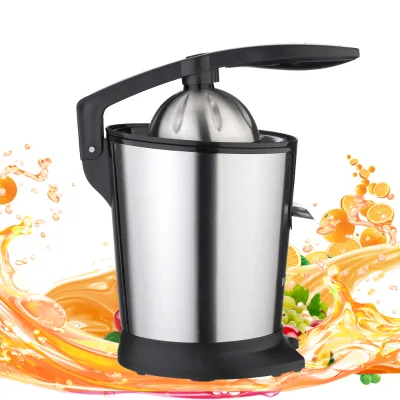
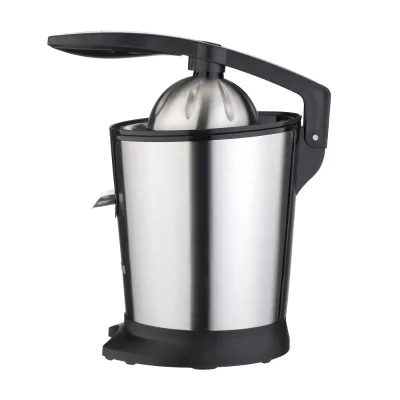
One Button Easy Press Grapefruit lemon squeezer stainless steel commercial citrus juicer
$10.50 - $11.00
MOQ: 1000

Ningbo Mingni Import And Export Co., Ltd.
- Verified by SGS
- Manufacturer/Factory
- China Zhejiang
- Lead time23 days
- Avg. response≤ 3h
Main productsWindow Handle, Door Handle, Hinge, Gas Cooker Knob, Oven Knob, Name Plate, Cabinet Handle, Bathroom Hardware, Auto Parts
Main marketsSouth America,Eastern Europe,North America,Western Europe

Portable Manual Plastic Juicer Fruit Juice Orange Citrus Fruit & Vegetable Tools Lemon Squeezer
$0.69 - $0.99
MOQ: 100 Pieces

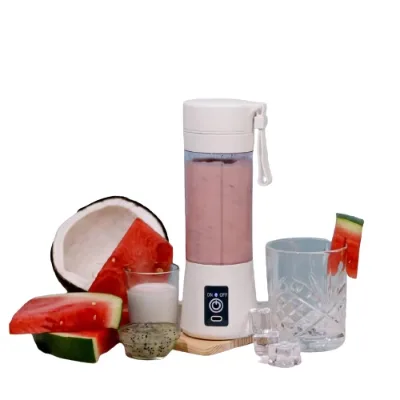
USB Charging 4 Blades Juicer Cup Portable Blenders Fruit Vegetable Tools Fruit Juicers
$3.49 - $3.99
MOQ: 100 Pieces

Orange Blender Press Juicers Fruit Blenders and Mixer Pomegranate Electric Juicer
$29.00 - $32.00
MOQ: 100 Pieces

Zhengzhou Sunshine Machinery Co., Ltd.
- Trading Company,Manufacturer/Factory
- China Henan
- Lead time15 days
- Avg. response≤ 2h
Main productsOil Processing Machine, Grain Processing Machine, Nut Processing Machine, Fruit/Vegetable Processing Machine, Food Machine, Briquette Making Machine, Moisture Meter, Dewatering Machine, Food Machinery, Food Processor
Main marketsSouth America,Eastern Europe,Mid East,North America,Southeast Asia,Eastern Asia,Oceania,Western Europe,Africa

Industrial Automatic Lemon Grape Fruit Apple Portable Orange Citrus Juicer
$3500.00 - $5000.00
MOQ: 1 Sets


Wenzhou Xuannuo Technology Co., Ltd.
- Verified by SGS Group
- Manufacturer, Trading Company
- Lead time15 days
- Avg. response≤ 2h
Main productsBlender, Electric bath brush, Massager, Curling Iron
Hefei Yuexianglai Commodity Co., Ltd.
- Trading Company
- Anhui, China
- Lead time15 days
- Avg. response≤ 2h
Main productsraincoats,comfortable insoles,small appliances,roller skate shoes and accessories,PU wheels
Main marketsSouth Asia(10.00%), Central America(10.00%), Southeast Asia(10.00%), Mid East(10.00%), South America(10.00%), North America(10.00%), Domestic Market(5.00%), Oceania(5.00%), Southern Europe(5.00%), Northern Europe(5.00%), Africa(5.00%), Western Europe(5.00%), Eastern Asia(5.00%), Eastern Europe(5.00%)
Zhongshan Outai Electrical Appliance Factory
- Manufacturer
- Guangdong, China
- Lead time30 days
- Avg. response≤ 7h
Main productsJuicer extractor,meat grinder,Electric Blender,coffee grinder,electric kettle
Main marketsMid East(30.00%), Southeast Asia(30.00%), Eastern Europe(30.00%), Africa(10.00%)

Ningbo Yicheng Technology Co., Ltd.
- Verified by TUVRHEINLAND
- Trading Company
- China Zhejiang
- Lead time30 days
- Avg. response≤ 5h
Main productsElectric Grill, Waffle Maker, Air Fryer, BBQ, Food Processor, Kitchenware, Pizza Maker, Multifunction Cooker, Thermomixer, Coffee Grinder
Main marketsEurope
Ningbo Aggpo Import And Export Co., Ltd.
- Verified by SGS Group
- Trading Company
- Lead time5 days
- Avg. response≤ 5h
Main productsHousehold daily goods, Consumer goods, Pet goods, Sports goods, Hardware goods
Main marketsNorth America(30%), South America(30%), Western Europe(25%)
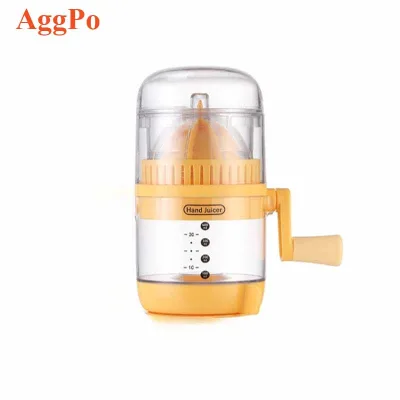
Manual Hand Crank Juicer - Portable Citrus Juicer for Oranges, Lemons & More for Home & Outdoor
$3.745 - $4.3307
MOQ: 100 pieces
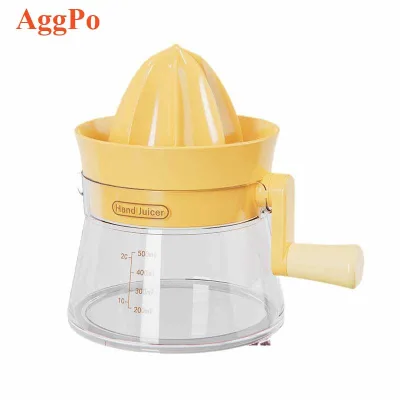
$2.223 - $2.5436
MOQ: 100 pieces
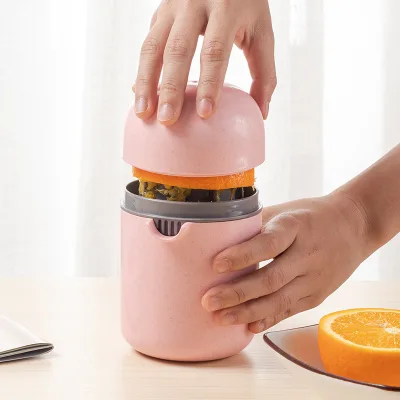
$0.4105 - $0.8314
MOQ: 100 pieces

Ningbo Invo Import and Export Co., Ltd.
- Trading Company
- China Zhejiang
- Lead time23 days
- Avg. response≤ 21h
Main productsBaby Bottle
Main marketsSouth America,Africa,Southeast Asia/ Mideast,East Asia(Japan/ South Korea),Europe,Australia,North America
Foshan Shunde Maoduoyu Trading Co., Ltd.
- Manufacturer, Trading Company, Distributor/Wholesaler
- Guangdong, China
- Lead time0 days
- Avg. response≤ 1h
Main productsIndustrial machinery,Commercial machinery,Packaging machinery,Filling machinery,Food machinery
Main marketsNorth America(50.00%), Southeast Asia(10.00%), Mid East(10.00%), Central America(10.00%), Domestic Market(5.00%), Western Europe(5.00%), Northern Europe(3.00%), South Asia(2.00%), Oceania(1.00%), Eastern Asia(1.00%), Eastern Europe(1.00%), South America(1.00%), Africa(1.00%)
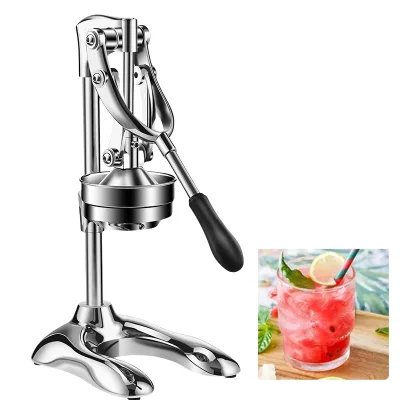
Hand-Pressed Orange Juice Extractor Citrus Lemon Pomegranate Style Grids Manual Fruit Juicer
$19.00 - $27.00
MOQ: 1 Minimum
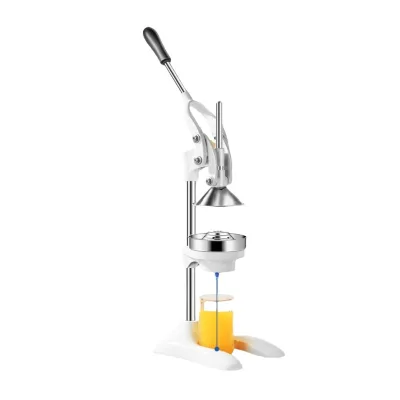
Professional Manual Juice Extractor Perfect for Citrus Fruits Including Oranges and Lemons
$23.9021 - $40.464
MOQ: 1 units

- Verified by SGS
- Trading Company
- China Zhejiang
- Lead time15 days
- Avg. response≤ 16h
Main marketsOthers(foreignTradeCapacity.exportBusinessCapacityMarketOther),North America


Portable USB Electric Juicer Cup Five Blades High Speed Fresh Fruit Blender
$1.71 - $1.91
MOQ: 520 Pieces

Hot Selling Juicer Machine Pulp Separation Portable Fruit Vegetable Blender
$21.61 - $24.16
MOQ: 50 Pieces

Shenzhen Denorgin Tech Co., Ltd.
- Verified by TüVRheinland
- Manufacturer, Trading Company
- Lead time5 days
- Avg. response≤ 5h
Main productsPortable Espresso Maker, Portable Coffee Grinder, Portable Blender, Food Chopper, Milk Frother
Main marketsWestern Europe(23%), North America(20%), Eastern Europe(10%)
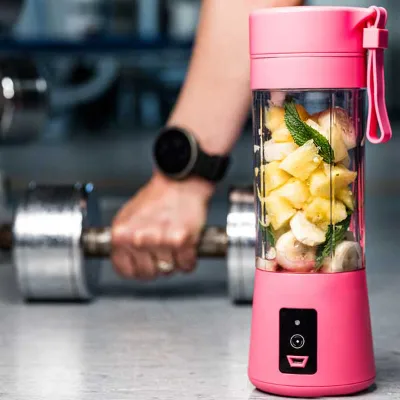
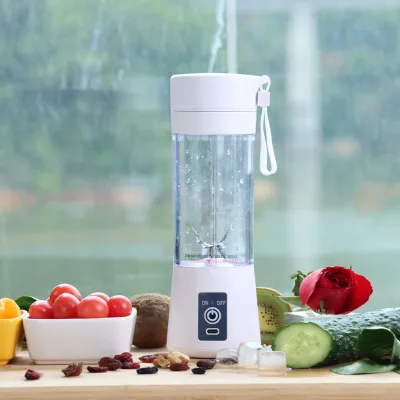
Factory Design Best Seller 380ml Vegetable Fruit Blender Mixer Portable Juicer Cup
$5.50 - $7.00
MOQ: 25 pieces






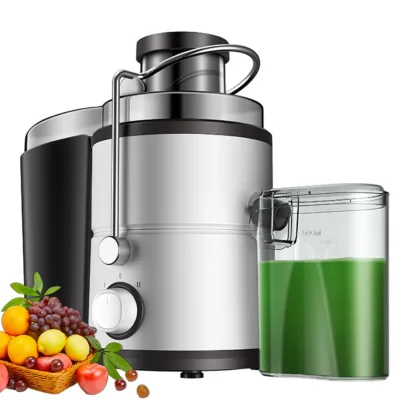
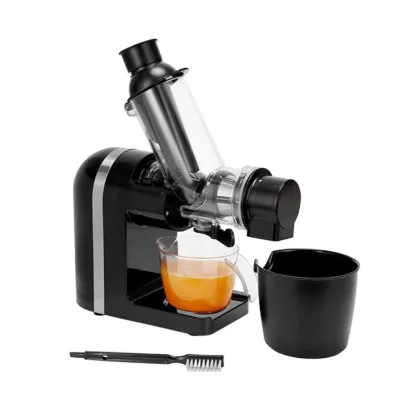


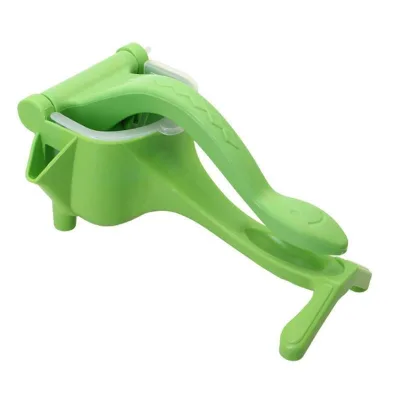

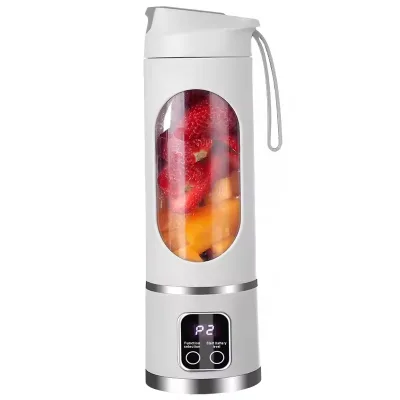


Comprehensive Sourcing Guide
Adjustable Cutter Fruit Juicer Supplier Concentration and Factory Types
The current supplier landscape for adjustable cutter fruit juicers reveals a distinct geographic concentration within China, specifically highlighting manufacturing hubs in Guangdong and Zhejiang provinces. These regions are well-established centers for small kitchen appliance production, offering buyers access to a dense network of factories capable of handling both standard and customized juicer designs. The presence of manufacturers in Guangdong suggests a mature supply chain for complex electronic components, which is critical for juicers featuring adjustable cutting mechanisms and variable speed controls. Meanwhile, suppliers in Zhejiang often specialize in high-volume production of simpler, cost-effective appliances, providing a diverse range of options for buyers seeking different price points and feature sets. This regional clustering allows for efficient logistics and easier quality control visits, as buyers can potentially visit multiple facilities in a single trip to compare capabilities and verify production standards.
Factory types in this sector vary significantly, ranging from pure manufacturing entities to trading companies that may also operate their own production lines. Many suppliers identify as Manufacturer/Factory, indicating direct control over the molding, assembly, and testing processes essential for ensuring the durability of adjustable cutter components. Some entities operate as Trading Companies or hybrid Manufacturer/Factory models, which can offer broader product portfolios including oil presses or other food processing machines alongside juicers. This diversity in company structure means buyers must carefully assess whether a supplier’s primary focus is on juicer innovation or general appliance trading. Understanding this distinction is vital for negotiating better terms, as direct manufacturers often have more flexibility in customizing cutter designs and housing materials, while trading companies might provide faster access to a wider variety of existing models with less customization effort.
How to Verify Adjustable Cutter Fruit Juicer Suppliers
Verifying the legitimacy and capability of Adjustable Cutter Fruit Juicer suppliers requires a multi-layered approach that goes beyond simple profile reviews. Buyers should prioritize suppliers who hold recognized system certifications such as ISO 9001, ISO 14001, and BSCI, as these indicate a commitment to quality management and ethical labor practices. Additionally, product-specific certifications like CE, RoHS, LFGB, and ETL are crucial for ensuring that the electrical components and materials used in the juicers meet international safety and health standards. Third-party verification badges from agencies like SGS or BV provide an extra layer of confidence, confirming that the supplier has undergone independent audits of their facilities and processes. These verifications are particularly important for adjustable cutter juicers, where the mechanical precision of the blades and the safety of the motor are paramount to preventing accidents and ensuring consistent performance.
Response time and communication efficiency are also key indicators of a reliable supplier. Suppliers with faster response times, such as those averaging under ten hours, are often more organized and responsive to buyer inquiries, which is essential for resolving technical questions about cutter adjustability or customization options. Buyers should also look for evidence of past performance, such as detailed product attributes that specify blade materials, housing types, and power ratings. For instance, stainless steel blades and plastic housings are common, but the specific grade of steel and the type of plastic can vary significantly between suppliers. By examining these detailed product attributes, buyers can gauge the technical sophistication of the supplier’s offerings. Furthermore, checking for OEM and ODM capabilities ensures that the supplier can adapt their adjustable cutter designs to meet specific brand requirements, rather than just offering off-the-shelf products.
What to Compare Across Adjustable Cutter Fruit Juicer Suppliers
When evaluating multiple suppliers for adjustable cutter fruit juicers, buyers must compare several critical dimensions to determine the best fit for their business needs. Lead time is a primary factor, with some suppliers offering delivery within 15 to 30 days, while others may require up to 45 days. This variance can significantly impact inventory planning and market launch schedules, making it essential to align supplier capabilities with business timelines. Minimum Order Quantity (MOQ) is another crucial comparison point, ranging from 660 units for certain models to 2000 units for others. Buyers with smaller initial orders may need to seek suppliers with lower MOQs, even if it means accepting a slightly higher unit price, while larger buyers can leverage volume to negotiate better rates and more favorable terms.
Price and customization options are also central to the comparison process. Unit prices for adjustable cutter juicers can vary based on features such as motor power, blade material, and additional functions like reverse operation or pulp ejection. For example, some models may start at lower price points for basic citrus juicers, while more complex slow juicers with adjustable cutters command higher prices. Buyers should also assess the extent of customization available, including options for color, packaging, and specific cutter designs. Suppliers that offer robust OEM and ODM services can provide greater flexibility in tailoring products to market demands. Additionally, comparing the range of main products offered by each supplier can reveal their expertise; those specializing in juicers and small kitchen appliances may offer better technical support and product quality than general trading companies.
Common Adjustable Cutter Fruit Juicer Sourcing Risks
Sourcing adjustable cutter fruit juicers involves several inherent risks that buyers must proactively manage to ensure a successful procurement process. One significant risk is the variability in product quality, particularly regarding the durability and sharpness of the adjustable cutter blades. Since these components are subject to frequent mechanical stress, inferior materials or poor manufacturing tolerances can lead to premature wear or breakage, resulting in high return rates and customer dissatisfaction. Buyers must carefully review product specifications and request samples to test the cutter’s performance and adjustability mechanisms. Additionally, the risk of non-compliance with safety standards is heightened for electrical appliances, making it essential to verify that all products have the necessary certifications for the target market, such as CE for Europe or ETL for North America.
Another common risk is the discrepancy between quoted lead times and actual delivery dates. Suppliers may underestimate production complexities or face supply chain disruptions, leading to delays that can disrupt the buyer’s sales cycle. This risk is particularly acute when dealing with suppliers who have longer lead times or those who are not transparent about their production capacity. Buyers should also be cautious of suppliers who offer unusually low prices, as this may indicate the use of substandard materials or corners cut in the manufacturing process. Furthermore, the risk of intellectual property infringement exists if buyers share proprietary designs for adjustable cutters with unverified suppliers. To mitigate these risks, buyers should conduct thorough due diligence, including factory audits and reference checks, and consider using escrow services to protect their payments until the goods are received and inspected.
Adjustable Cutter Fruit Juicer Regional Sourcing and Logistics
The geographic location of suppliers plays a pivotal role in determining logistics costs and delivery efficiency for adjustable cutter fruit juicers. Most available suppliers are located in China, with significant clusters in Guangdong and Zhejiang provinces. Guangdong is known for its advanced manufacturing infrastructure and proximity to major ports, facilitating efficient export of complex electronic appliances. Zhejiang, on the other hand, is renowned for its cost-effective production capabilities and strong supply chain networks for smaller appliances. Buyers sourcing from these regions can benefit from established logistics routes and competitive freight rates, which can significantly reduce the overall cost of goods sold. Understanding the specific location of each supplier allows buyers to estimate transit times more accurately and plan their inventory replenishment strategies accordingly.
Logistics planning must also account for the packaging and handling requirements of adjustable cutter juicers, which often include fragile components like glass or plastic containers and sharp blades. Suppliers typically use sturdy packaging such as gift boxes, color boxes, or wooden crates to protect the products during transit. Buyers should verify the packing details, such as the number of units per carton and the overall dimensions, to optimize container loading and reduce shipping costs. Additionally, the choice of shipping method, whether by sea or air, will impact the lead time and cost. For large orders, sea freight is often more economical, while air freight may be necessary for urgent replenishments. Buyers should work closely with their suppliers to determine the most efficient logistics solution, considering factors such as customs clearance, insurance, and final delivery to the warehouse.
Adjustable Cutter Fruit Juicer Commercial Terms and Order Planning
Commercial terms and order planning are critical components of a successful sourcing strategy for adjustable cutter fruit juicers. Buyers should negotiate clear payment terms, such as a deposit followed by the balance upon shipment or completion of inspection, to manage cash flow and mitigate financial risk. It is also important to establish clear specifications for the adjustable cutter mechanism, including blade material, cutting speed, and adjustment range, to ensure the product meets the intended market requirements. Suppliers may offer different pricing tiers based on order volume, so buyers should plan their orders to maximize cost efficiency without overstocking. Additionally, buyers should clarify warranty terms, such as a one-year guarantee, and the process for handling defective units, including replacement parts or refunds.
Order planning should also consider the supplier’s production capacity and lead times to avoid stockouts or excess inventory. By aligning order quantities with the supplier’s MOQ and production schedule, buyers can ensure timely delivery and maintain a steady supply of adjustable cutter juicers. It is advisable to build a buffer into the order plan to account for potential delays or quality issues. Furthermore, buyers should maintain open communication with their suppliers to stay informed about production progress and any changes in lead times. Regularly reviewing supplier performance metrics, such as response time and on-time delivery rate, can help identify potential issues early and foster a more collaborative relationship. By carefully managing commercial terms and order planning, buyers can optimize their sourcing operations and achieve better profitability in the Adjustable Cutter Fruit Juicer market.
FAQs
What is the typical lead time for juicer orders?
Manufacturers in China generally require 15 to 45 days to fulfill orders. Specific timelines depend on the supplier location and production capacity. Buyers should confirm exact delivery windows with the factory before placing deposits to ensure supply chain alignment.
What certifications are standard for these juicers?
Common certifications include CE, RoHS, CB, EMC, LFGB, and ETL. Some models also carry BSCI or ISO 9001 system certifications. Verify specific product standards with the supplier to ensure compliance with your target market's regulatory requirements.
What is the minimum order quantity for juicers?
Minimum order quantities typically range from 660 to 2000 units. Lower MOQs may be available for specific models like citrus juicers, while slow juicers often require higher volumes. Confirm the exact MOQ with the supplier for your selected product.
What is the price range for electric juicers?
Prices generally range from $5.80 to $70.00 per unit. Basic citrus juicers are priced lower, while slow juicers and complex models cost more. Prices vary based on power, features, and customization options requested by the buyer.
Do suppliers offer OEM and ODM services?
Yes, many manufacturers provide both OEM and ODM capabilities. Buyers can customize branding, housing materials, and functional features. Confirm customization availability and any associated tooling costs or minimum order requirements directly with the supplier before proceeding.