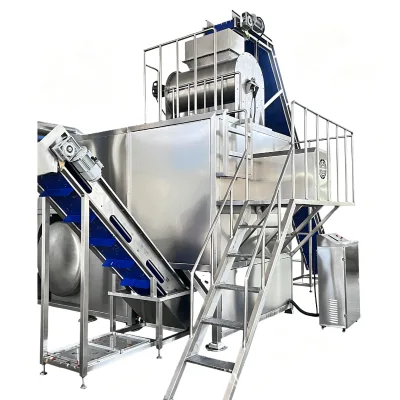
High Efficiency Steam Peeling Machine Suppliers and Manufacturers
Source 15 verified suppliers for High Efficiency Steam Peeling Machine units from China. Compare key dimensions including CE certification, 304 stainless steel construction, 1-5T/H capacity, and 20-35 day lead times. Request quotes to evaluate pricing between $2,500 and $85,000.
Updated
Suppliers List

Zhucheng Lanchuang Machinery Technology Co., Ltd.
- Trading Company
- China Shandong
- Lead time0 days
- Avg. response≤ 3h
Main productsSteam Generator, Meat Grinder, Sterilization Pot
Jingjiang Elite Food Machinery Co., Ltd.
- Verified by SGS Group
- Manufacturer, Trading Company
- Lead time30 days
- Avg. response≤ 3h
Main productsFruit & Vegetable Processing Machinery
Main marketsDomestic Market(60%), Mid East(12%), Africa(8%)
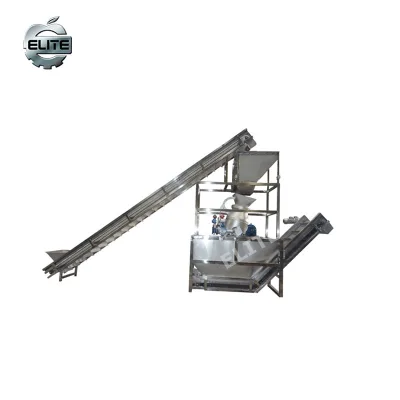
High Quality Automatic Beet Steam Peeling Machine with High Efficiency and Productivity
$40500.00 - $41000.00
MOQ: 1 sets
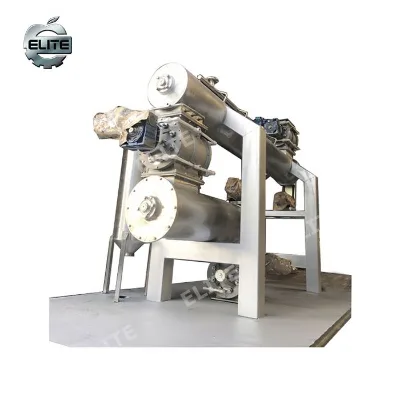
Food Grade Automatic Industrial Tomato Steam Peeling Machine with High Output
$84500.00 - $85000.00
MOQ: 1
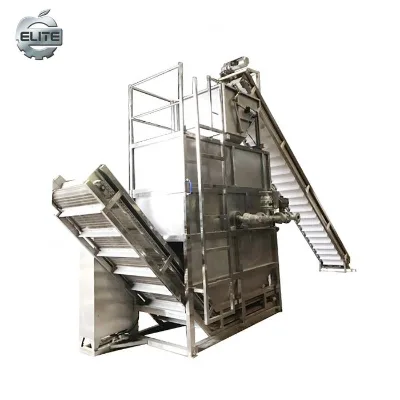
High Capacity Skin Removal System Automatic Apricot Peaches Pepper Carrots Steam Peeling Machine
$40500.00 - $41000.00
MOQ: 1
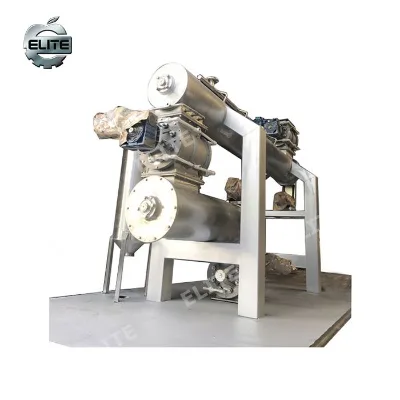
Low Price Big Capacity Grape Tomato Steam Peeling Machine Steam Peeler for Tomato and Other Fruits
$84500.00 - $85000.00
MOQ: 1
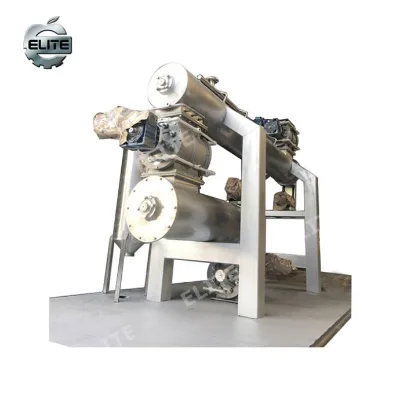
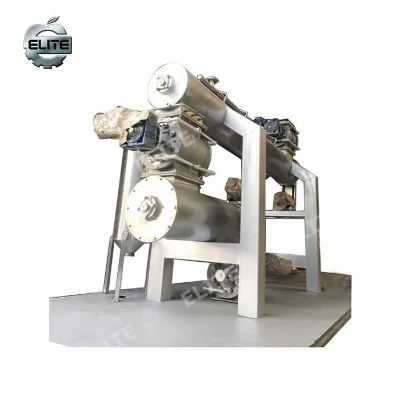
Shanghai Genyond Technology Co., Ltd.
- Manufacturer, Trading Company
- Lead time旺季: "1 - 1":60,"> 1":"To be negotiated", 淡季: "1 - 1":60,"> 1":"To be negotiated"
- Avg. response≤ 3h
Main productsIndustrial Machinery, Food & Beverage Machinery, Fruit & Vegetable Processing Machine
Zhengzhou Lonkia Machinery Co., Ltd.
- Verified by SGS Group
- Manufacturer, Trading Company
- Lead time15 days
- Avg. response≤ 2h
Main productsFrozen Vegetable Processing Line, Frozen Potato french fries Production Line, Frying Machine, Steam Peeling Machine, Crate Washer
Main marketsEastern Europe(21%), Southeast Asia(17%), South America(12%)
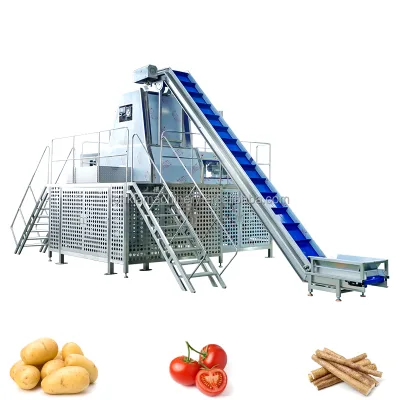
$43000.00 - $45000.00
MOQ: 1 sets
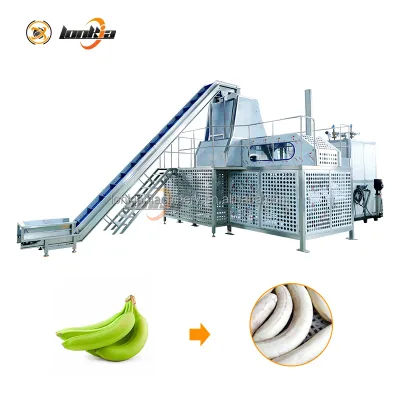
$50069.7063 - $58244.3522
MOQ: 1 sets

- Verified by SGS
- Combined
- China Shandong
- Lead time30 days
- Avg. response≤ 3h
Main productsCrate/Can/Pallet /Basket Washing Machine, Vegetable /Fruit Washing Cutting Production Line, Continuous Frying Machine, Blanching Machine, Steam Peeling Machine, Vegetable Salad Processing Line, Vegetable /Fruit Peeler, Frozen French Fries Production Line, Garlic Production Line, Vacuum Marinator
Main marketsSouth America,Domestic,Europe

Industrial Steam Peeling Machine Vegetable Steam Peeler Machine Bean Peeling Machine
$82600.00 - $95900.00
MOQ: 1 Sets


Best Price Steam Peeling Machine Bean Steam Peeler Fruit Steam Peeling Equipment
$82500.00 - $96000.00
MOQ: 1 Sets


Stainless Steel Peach Steam Peeling Device Grape Skin Remover Steam Peeling Machine
$82500.00 - $96000.00
MOQ: 1 Sets
ZHE CHENG HONGXIN MACHINRERY FACTORY
- Verified by TüVRheinland
- Manufacturer, Trading Company
- Henan, China
- Lead time15 days
- Avg. response≤ 3h
Main productsIntestine Case Cleaning Machine, Sesame Peeling Machine, Cardboard Expanding Shredder Machine, Flax Brake, Grain Thresher Machine
Main marketsDomestic Market(40%), Southeast Asia(20%), Africa(20%)

Shandong AICNPACK packing Technology Co.,Ltd
- Manufacturer, Trading Company
- Shandong, China
- Lead time30 days
- Avg. response≤ 2h
Main productsVacuum Packing Machine,Freezers,Frozen Vegetables Fruits Line,Potato Powder Line,Potato Frozen French Fries Line
Main marketsEastern Europe(100.00%), Northern Europe(100.00%), Domestic Market(100.00%), Africa(31.00%), Western Europe(20.00%), Eastern Asia(15.00%), Central America(8.00%), Mid East(7.00%), Southeast Asia(7.00%), Oceania(5.00%), South America(2.00%), South Asia(2.00%), Southern Europe(2.00%), North America(1.00%)
$2000.00 - $6000.00
MOQ: 1 Minimum
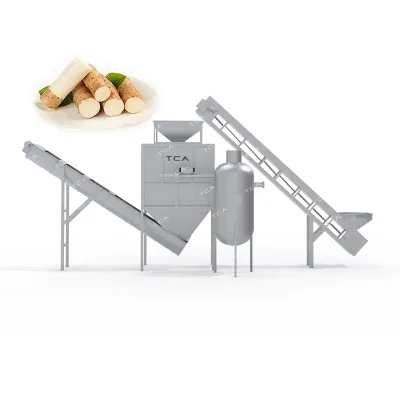
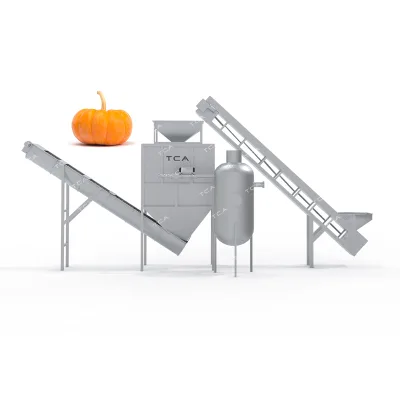
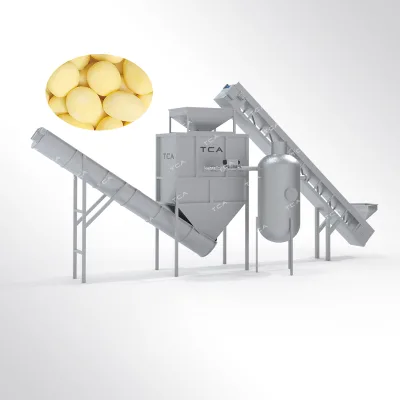
Industrial Automatic Beans Cashew Potato Steam Peeling Machinery and Cutting Machine
$3200.00 - $5500.00
MOQ: 1 Minimum

Shanghai Genyond Technology Co., Ltd.
- Verified by CTI
- Combined
- China Shanghai
- Lead time30 days
- Avg. response≤ 10h
Main productsEssential Oil Machine, Drying Machine, Fruit Juice Machine, Fruit Jam Machine, Milk Machine, Fruit Chips Machine, Filling Packing Machine, Evaporator, Yogurt Machine, Ice Cream Machine
Main marketsSouth America,Africa,Others(foreignTradeCapacity.exportBusinessCapacityMarketOther),Southeast Asia/ Mideast,East Asia(Japan/ South Korea),Domestic,Europe,Australia,North America
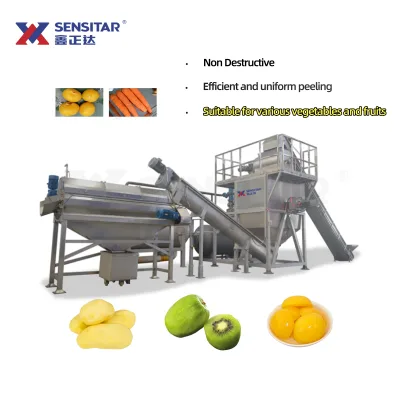
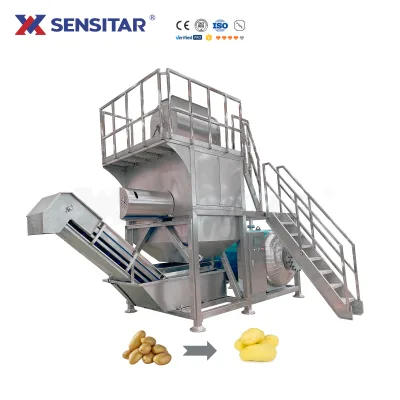
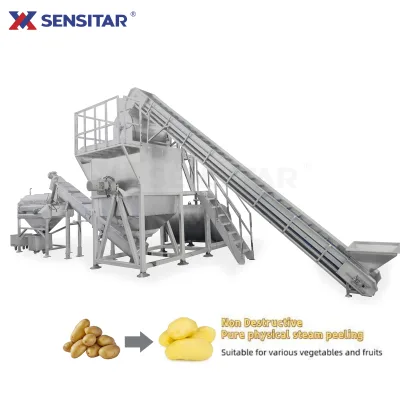
Shandong Sensitar Industrial Equipment Co., Ltd.
- Verified by SGS Group
- Manufacturer, Trading Company
- Lead time30 days
- Avg. response≤ 4h
Main productsFrench Fries Production Line, Potato Chips Line, Potato Flakes Line, Steam Peeler, Hydro Cutter
Main marketsEastern Europe(30%), Mid East(25%), Domestic Market(20%)
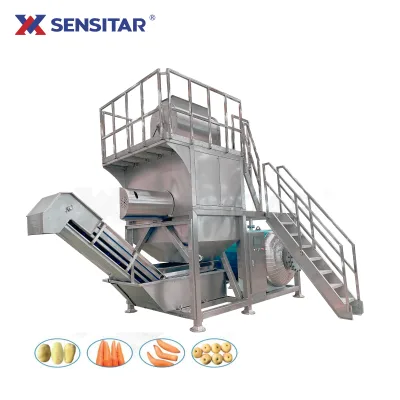
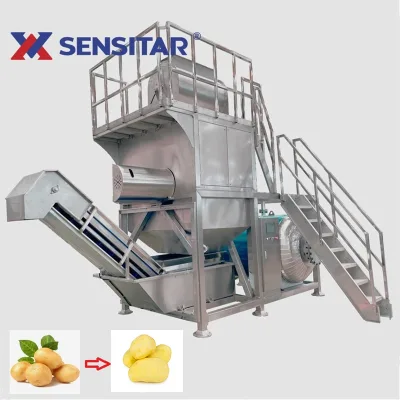
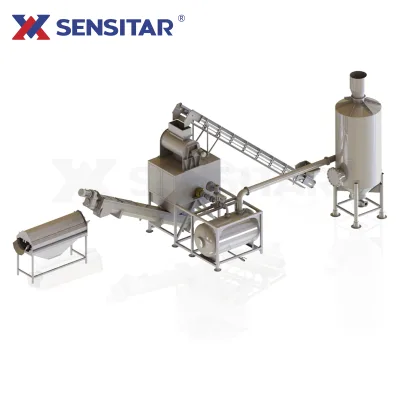
$31246.5708 - $38831.9739
MOQ: 1 sets
Shandong Baiyu Industry And Trade Co., Ltd.
- Verified by SGS Group
- Manufacturer, Trading Company
- Lead time20 days
- Avg. response≤ 2h
Main productsMeat Food Processing Line, Fruits & Vegetable Processing Line, French Fry Production Line, Food Packing Solution, Food Sterilization Processing Solution, Prepared Food Process Solution
Main marketsSoutheast Asia(20%), Eastern Europe(20%), Mid East(15%)

ZHUCHENG XINXUDONG MACHINERY CO., LTD.
- Verified by TUVRHEINLAND
- Combined
- China Shandong
- Lead time15 days
- Avg. response≤ 8h
Main productsFrying Machine, IQF Quick Freezer, Fish/Meat Deboner, Vegetable Processing Line, Dryer
Main marketsEurope

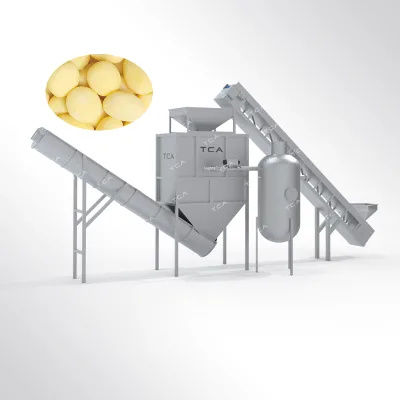
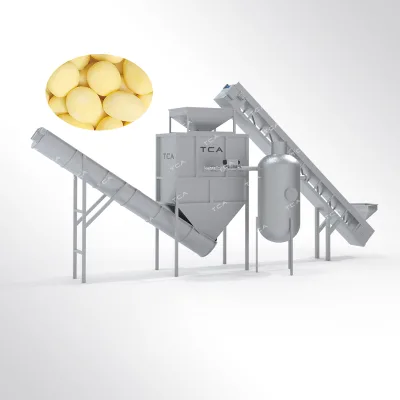
TCA High Quality Automatic Beet Steam Peeling Machine with High Efficiency and Productivity
$40000.00 - $150000.00
MOQ: 1 Pieces

TCA High Quality Automatic Carrot Steam Peeling Machine Steam Peeler Peeling Machine
$40000.00 - $150000.00
MOQ: 1 Pieces

TCA High Quality Automatic Apple Apricot Multifunctional Steam Peeling Machine
$40000.00 - $150000.00
MOQ: 1 Pieces

TCA High Quality Industrial Automatic Potato Skin High Pressure Batch Steam Peeling Machine
$40000.00 - $150000.00
MOQ: 1 Pieces

TCA High Quality Automatic Commercial Continuously Root Vegetable Steam Peeling Machine
$40000.00 - $150000.00
MOQ: 1 Pieces

TCA High Quality Industrial Potato Steam Peeling Machine Automatic Potato Peeler
$40000.00 - $150000.00
MOQ: 1 Pieces

Zhucheng Huazhu Machinery Co., Ltd
- Verified by SGS
- Combined
- China Shandong
- Lead time15 days
- Avg. response≤ 4h
Main productsFrozen French Fries Line, Potato Chips Production Line, French Fries Production Line, IQF Freezer, Fruit Washing Machine, Blast Freezer, French Fry Making Machine, Quick Freezing Line, French Fries Processing Line, Vegetable Washing Machine
Main marketsDomestic

High Quality Tomato Mango Steam Peeler Cassava Steam Peeling Machine
$12999.00 - $78000.00
MOQ: 1 Pieces


High Quality Mango Steam Peeler Cassava Potato Steam Peeling Machine
$12999.00 - $78000.00
MOQ: 1 Pieces

Automatic Machine Steam Peeler for Raw Material Peeling Production Line Matching
$12999.00 - $78000.00
MOQ: 1 Pieces

Steam Peeling Machine for Potato Apple Grape Fruit Steam Peeling Machine
$12999.00 - $78000.00
MOQ: 1 Pieces
Zhengzhou Hento Machinery Co., Ltd.
- Verified by SGS Group
- Trading Company
- Lead time5 days
- Avg. response≤ 2h
Main productsMeat Processing Machinery, Egg Processing Machinery, Dairy Processing Machinery, Fruit and Vegetable Processing Machinery, Grain Product Making Machines
Main marketsSoutheast Asia(14%), Western Europe(12%), North America(10%)
Henan Orange Machine Co., Ltd.
- Verified by SGS Group
- Trading Company
- Lead time0 days
- Avg. response≤ 2h
Main productsFood Machinery, Snack Machines, Packaging Machinery, Food processing lines
Main marketsNorth America(30%), South America(20%), Southeast Asia(20%)

Qingdao Zhuolian Zhisen Intelligent Equipment Co., Ltd.
- Verified by SGS
- Trading Company,Manufacturer/Factory
- China Shandong
- Lead time60 days
- Avg. response≤ 11h
Main productsMeat Processing Machine, Weight Sorting Machine, Flake Ice Machine, Ice Tube Machine, Food Metal Detector, Poultry Slaughter Equipment, Chicken Slaughtering Machine, Packing Machine, Vacuum Packaging Machine, Packaging Machine
Main marketsEastern Europe,Mid East,North America,Southeast Asia,Eastern Asia






Comprehensive Sourcing Guide
High Efficiency Steam Peeling Machine Supplier Concentration and Factory Types
Suppliers of steam peeling equipment for potatoes, tomatoes, beets, carrots and other produce are concentrated in China, with Shandong province appearing repeatedly in supplier location data and product origins. One listed machine is explicitly recorded as originating in Zhucheng, Shandong, a detail worth noting because city-level origin claims often point to established food machinery workshops. Jiangsu also appears as a place of origin for a tomato steam peeling line. When your own search results do not display regional data, you can still identify clusters by asking each candidate where the machine would be manufactured versus merely shipped from, then cross-checking the origin stated on quotations and commercial invoices against what the listing itself declares.
Factory types in this category split into manufacturers, trading companies, and hybrid entities labeled as both. A hybrid listing is common because many food machinery firms manufacture standard models but trade out customized lines. Location labels alone do not settle the question: a Shandong-registered trading company may still coordinate production at a nearby factory, while a manufacturer profile may subcontract pressure-vessel work. Review the main products field as a signal; suppliers whose catalogs center on fruit and vegetable processing machinery, steam generators, meat grinders and sterilization pots are more likely to understand thermal processing requirements than generalists. Ask each candidate directly which products they manufacture in-house and which they source from partner workshops, and request the manufacturing address so you can distinguish the production site from a registered office.
How to Verify High Efficiency Steam Peeling Machine Suppliers
Begin verification with the credentials displayed on the supplier profile. Some listings carry a CE system certification, which signals conformity claims for equipment sold into markets requiring it, and some are verified by third-party inspection groups such as SGS. Treat both as starting points rather than conclusions: a certificate logo on a profile should be backed by the certificate number and scope. Ask the supplier to send the actual CE documentation covering the specific peeling machine model, not just the company, and confirm the verification report names the same legal entity that signs your contract. Company type matters too, so confirm whether you are contracting with the manufacturer or an intermediary.
Beyond documents, request evidence tied to the specific machine. Several listings state that a machinery test report and a video outgoing inspection are provided; ask for both under your order terms, and ask whether you may witness or remotely view a factory test run at working pressure before shipment. Confirm the construction material in writing, since 304 stainless steel is the stated material on multiple machines and is a reasonable requirement for food-contact surfaces. Check consistency across the profile: the origin, warranty period, and core components listed should match what appears in the proforma invoice. Finally, verify that the supplier can state the intended application in concrete terms, such as a vegetable processing plant or canning line, because vendors who understand the process are easier to audit than those who only repeat product keywords.
What to Compare Across High Efficiency Steam Peeling Machine Suppliers
Compare suppliers on the attributes actually displayed, while remembering not every profile shows every field. Lead time is a primary dimension: one listing states delivery in 20 to 35 days, while another supplier profile shows a lead time around 30 days, so ask each candidate to confirm current production scheduling for your capacity class. MOQ is another; listings in this category state a minimum order of one set, which suits buyers piloting a line, but confirm whether the quoted set includes auxiliary components. Response speed varies as well, with recorded response times in the two-to-three-hour range for some suppliers; faster responders are easier to work with during commissioning disputes.
Compare technical scope in parallel with commercial fields. Stated capacities in this category run from roughly 1 to 5 tons per hour on vegetable machines and up to 3000 kilograms per hour on a tomato line, so align the quoted model with your throughput rather than assuming a single catalog covers both. Weigh company type, main products, and customization capability together: several profiles state OEM and ODM acceptance and customization on demand, which matters if your line integrates with existing washing or sterilization equipment. Price ranges disclosed across listings span from a few thousand dollars for smaller units to tens of thousands for high-capacity or line-integrated systems, so benchmark quotes against that spread and request itemized pricing for materials, pressure components and controls.
Common High Efficiency Steam Peeling Machine Sourcing Risks
The most frequent risk is conflating profile data with machine data. A supplier profile may show a 30-day lead time while the specific customized machine carries a 20-to-35-day delivery window, and neither figure covers shipping or commissioning. Another risk is capacity mismatch: a machine quoted for 1 ton per hour will not satisfy a 5 ton per hour line, and some suppliers list several capacity variants under similar product names. Confirm the exact model number and capacity in the contract. Pressure-related specifications are a further trap; a stated working pressure of 1.2 to 1.5 megapascals and a 250-degree tank temperature must be supported by the pressure vessel documentation for your destination market.
Verification risk follows close behind. A CE mark on a profile does not guarantee the certificate covers your model, and SGS-style verification confirms identity checks at a point in time, not ongoing quality. Buyers also over-read location labels: a Shandong or Jiangsu origin statement on a listing should be reconciled with the actual assembly plant, especially when the company type is trading or hybrid. Warranty terms are commonly skimmed; some machines state a one-year warranty, but the scope, exclusions and spare-parts policy need written confirmation. Finally, be cautious with packaging and standard fields described as "standard or customized," since undefined terms invite disputes over crating, manuals in your language, and conformity documentation at customs.
High Efficiency Steam Peeling Machine Regional Sourcing and Logistics
Where results supply location facts, use them to frame logistics. Shandong is a recurring origin for this equipment, including a machine explicitly recorded from Zhucheng, and Jiangsu appears as the origin of a tomato peeling line; both provinces host dense food machinery supply chains, which typically shortens the distance for sourcing pressure components, stainless steel fabrication and control systems. Proximity among component suppliers generally improves lead-time reliability for customized builds. When your own results do not identify regions, identify clusters indirectly: ask each supplier where fabrication occurs, request photos of the workshop with the machine under construction, and compare stated origins across quotations to spot intermediaries relaying from a distant factory.
Logistics planning should follow from the machine's physical profile. Published dimensions for equipment in this category range from compact units to lines measuring thousands of millimeters in length and machines weighing around 3500 kilograms, so confirm the single-package size and gross weight for your model before booking freight. Large peeling vessels and production lines usually ship break-bulk or in flat-rack containers rather than standard boxes, and the packing field on several listings allows customized packaging, which is worth specifying for sea freight. Clarify Incoterms, port of loading, and who arranges inland haulage from the Shandong or Jiangsu facility to port. Ask for the packing method in writing, including moisture protection for control cabinets and documentation of lift points for the pressure tank.
High Efficiency Steam Peeling Machine Commercial Terms and Order Planning
Plan orders around the commercial terms disclosed on listings and confirmed in writing. Minimum order quantities in this category are commonly one set, and prices disclosed range from roughly $2,500 for smaller peeling machines to the $40,000 to $85,000 range for high-capacity vegetable machines and tomato processing lines, so budget by capacity class rather than a single average. Confirm what the quoted set includes: some listings describe full production lines with key machines such as juicers, sterilizers and peelers, while others quote a standalone vessel. Payment milestones, warranty of one year where stated, and the machinery test report should all appear in the contract before the deposit.
Sequence your order around the confirmed delivery window of 20 to 35 days stated for one machine, plus the separate profile-level lead time around 30 days, and add shipping and commissioning time explicitly. Lock the specifications early, since customization is available on several listings but drives the timeline; agree on capacity, material grade, dimensions and controls before production begins. Require the video outgoing inspection and test report as delivery conditions, and align them with your acceptance criteria for peeling yield and skin-removal quality. For first orders, consider a single pilot set before committing to a multi-unit line, and schedule a spare-parts order, such as seals and valves, to arrive with the machine so commissioning is not delayed by a missing component.
FAQs
What is the price range for high efficiency steam peeling machines?
Prices for these machines typically range from $2,500 to $85,000 depending on capacity and configuration. Basic models start around $2,500, while high-capacity industrial units for canning processing can reach $85,000. Buyers should verify specific pricing based on their required throughput and customization needs.
What is the minimum order quantity for steam peeling machines?
The minimum order quantity is generally one set for most suppliers. This allows buyers to test equipment quality before committing to larger orders. Some manufacturers may offer customized packaging or standard specifications to meet specific operational requirements without requiring bulk purchases initially.
How long does delivery take for steam peeling machines?
Delivery times typically range from 20 to 35 days after order confirmation. Some suppliers indicate a lead time of approximately 30 days for production. Buyers should confirm exact schedules with manufacturers, as customized orders or specific material requirements may affect the final delivery date.
Are steam peeling machines made from stainless steel?
Yes, most high-efficiency steam peeling machines are constructed from 304 stainless steel. This material ensures durability, hygiene, and resistance to corrosion during food processing. The use of 304 stainless steel meets food-grade standards, making the equipment suitable for processing various fruits and vegetables safely.
What certifications do steam peeling machines have?
Many steam peeling machines carry CE certification, ensuring compliance with European safety and quality standards. Suppliers may also provide machinery test reports and video outgoing inspections. Buyers should verify specific certifications and documentation with the manufacturer to ensure the equipment meets local regulatory requirements.
Can steam peeling machines be customized for specific needs?
Yes, customization is available for size, capacity, and processing requirements. Manufacturers accept OEM and ODM custom orders to tailor machines to specific production lines. Buyers can request customized dimensions, power specifications, or automated features to match their unique operational needs and facility constraints effectively.