Source Portable Electric Dough Sheeter for Bread Pizza Cake
Find 30 Portable Electric Dough Sheeter units from Henan, China. Compare models with varying power, dimensions, and thickness settings for bread, pizza, and cake production needs. These machines feature semi-automatic operation, adjustable roller ranges, and options for different voltage requirements to suit various commercial baking environments effectively.
Updated
Key considerations
Products List
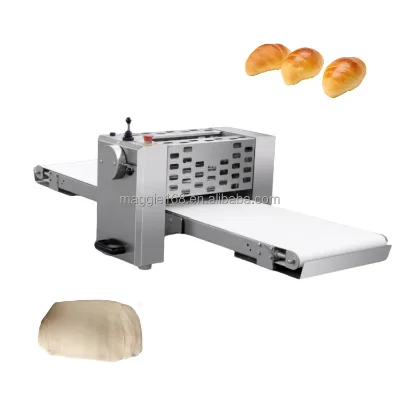
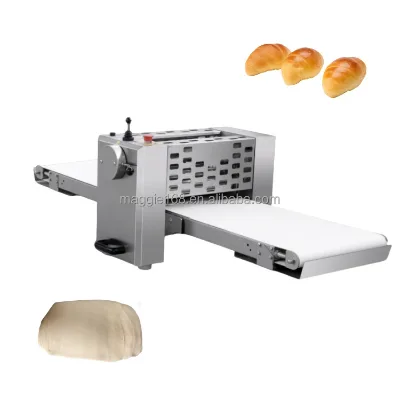
220v/50hz 120w Electric Table Top Compact Dough Shortening Machine Dough Sheeter
$950.00 - $980.00
MOQ: 1 sets
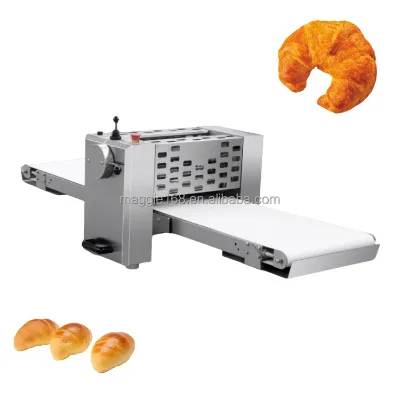
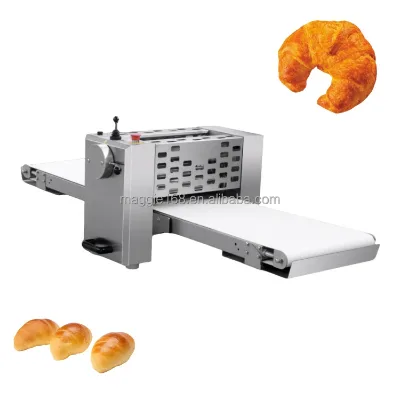

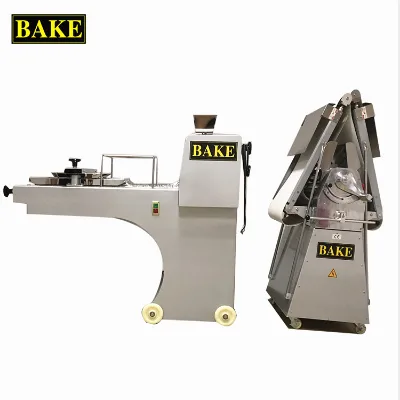
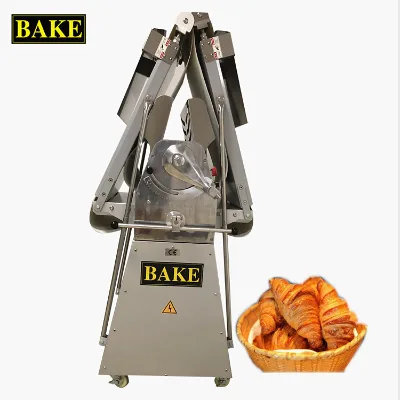


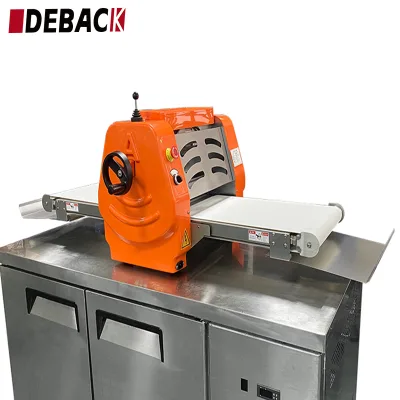
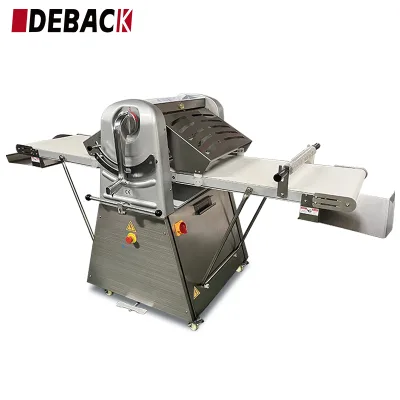
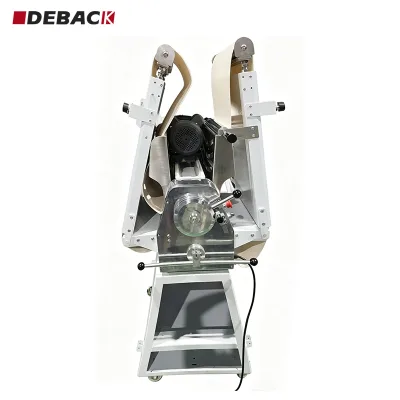


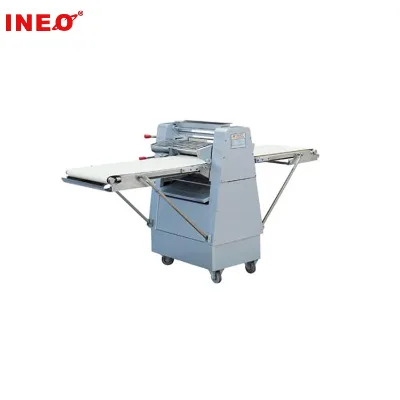
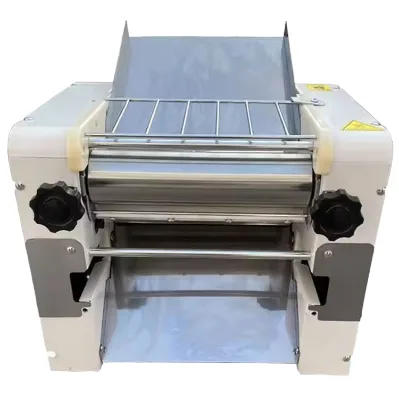
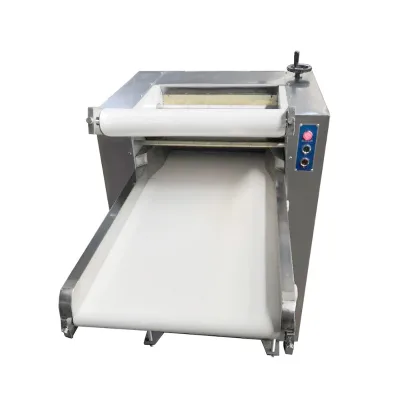

Electric Bread Making Machine Kitchen Equipment Table Type Dough Sheeter
$1307.69 - $1815.38
MOQ: 15 Pieces


Hot Selling Tabletop Pastry Sheeter Automatic Portable Dough Sheeter Machine
$1106.06 - $1393.93
MOQ: 15 Pieces

Bakery Kitchen Equipment Pastry Bread Machine Croissant Electric Dough Sheeter
$1290.32 - $1451.61
MOQ: 5 Pieces

Bakery Manual Electric Pizza Pastry Small Bread Machine Table Top Mini Dough Sheeter
$1230.77 - $1385.61
MOQ: 5 Pieces
Comprehensive Sourcing Guide
Portable Electric Dough Sheeter Sourcing Guide
Sourcing a Portable Electric Dough Sheeter requires careful evaluation of machine specifications, supplier reliability, and compliance with international safety standards. These machines are essential for bakeries, pizza shops, and confectionery manufacturers seeking consistent dough thickness and improved production efficiency. Buyers must prioritize equipment that balances portability with robust performance, ensuring the machinery can handle various dough types without compromising quality.
The procurement process involves verifying technical details such as voltage, power consumption, and roller dimensions to match specific production needs. Additionally, understanding the supplier’s after-sales service, warranty terms, and customization options is crucial for long-term operational success. This guide provides a structured approach to evaluating portable electric dough sheeters, helping buyers make informed decisions based on observed market data and industry best practices.
Product Scope and Observed Listing Signals
The market for portable electric dough sheeters features a diverse range of models, with observed prices ranging from $225.61 to $5,049 USD. This wide price spectrum reflects variations in build quality, power output, and additional features such as digital controls or specialized rollers. Buyers should note that the minimum order quantity (MOQ) typically ranges from 1 to 15 units, offering flexibility for both small-scale bakeries and larger industrial operations.
Key selling points often highlighted include portability, semi-automatic operation, and compatibility with various dough types like bread, pizza, cake, and biscuits. Observed attributes indicate that machines are powered by electric motors, with some models featuring Schneider electric parts for enhanced reliability. The core components usually include a motor, and while machinery test reports are often not available, warranty periods of one year are common, providing a baseline level of buyer protection.
Technical Specifications to Verify
When evaluating technical specifications, buyers should focus on critical parameters such as voltage, power, and dough thickness capabilities. Observed data shows voltage options of 220V/50Hz or 380V, with power ratings varying from 0.12kW to 3.29kW. The pressing thickness range is typically between 0.5mm and 38mm, allowing for versatile applications. It is essential to verify that the machine’s dimensions, such as 550720720mm or 118068055mm, fit within the available workspace.
Additionally, the roller diameter and working area width are important for throughput efficiency. Observed specifications include a roller diameter of 89mm and a working area width of 300mm. Buyers should also check the net weight, which can range from 80kg to 600kg, impacting portability and installation requirements. Confirming the production capacity, such as 10 pcs/min, helps align machine performance with production targets.
Compliance and Safety Documentation
Compliance with international safety standards is paramount when sourcing industrial machinery. Observed certifications include CE and ISO, indicating adherence to European and international quality and safety norms. Buyers should request valid certification documents to ensure the machine meets regulatory requirements in their target market. This verification process helps mitigate risks associated with non-compliant equipment, which could lead to operational disruptions or legal issues.
Furthermore, understanding the machinery test report status is crucial. While many listings indicate that test reports are not available, buyers should inquire about alternative quality assurance measures. Suppliers providing engineers for overseas service offer an added layer of support, ensuring that any technical issues can be addressed promptly. This service capability is a significant value-add, particularly for buyers in regions with limited local technical expertise.
Cost Drivers and Commercial Terms
Several factors influence the total cost of ownership for a Portable Electric Dough Sheeter. The primary cost drivers include the machine’s power rating, material quality, and brand reputation. Higher power models, such as those with 3.29kW motors, may command higher prices but offer greater durability and performance. Buyers should also consider the cost of customization, which is often available but may incur additional fees.
Commercial terms such as payment methods, shipping costs, and warranty coverage significantly impact the overall procurement budget. Observed packaging options include wooden boxes or fumigation-free wooden cases, which affect shipping logistics and costs. Buyers should negotiate clear warranty terms, typically one year, and clarify the scope of after-sales service. Understanding these commercial details helps in creating a realistic budget and avoiding unexpected expenses.
Supplier Qualification and Quality Control
Supplier qualification is a critical step in ensuring the reliability of the sourced equipment. Buyers should verify the supplier’s production capacity, with observed data indicating a capacity of 10 pcs/min. This information helps assess the supplier’s ability to meet order volumes and delivery timelines. Additionally, checking the supplier’s location, such as Henan, China, provides insight into the regional manufacturing ecosystem and potential logistical advantages.
Quality control measures should be rigorously evaluated, including the condition of the machinery (new vs. used) and the availability of customization options. Buyers should request detailed product specifications and performance data to verify that the machine meets their operational requirements. Engaging with suppliers who offer comprehensive after-sales support, including overseas engineering services, enhances the likelihood of a successful procurement outcome.
Long-Term Procurement Checks
Long-term procurement success depends on establishing strong relationships with reliable suppliers and implementing continuous quality monitoring. Buyers should conduct periodic audits of the machinery’s performance and maintenance records to identify potential issues early. This proactive approach helps extend the machine’s lifespan and reduces downtime, ensuring consistent production output.
Additionally, staying informed about industry trends and technological advancements is essential for making informed procurement decisions. Buyers should regularly review market data, such as price ranges and new model releases, to identify opportunities for cost savings or performance improvements. By maintaining a strategic approach to procurement, buyers can optimize their investment in portable electric dough sheeters and achieve sustained operational efficiency.
FAQs
What is the voltage and power of the Portable Electric Dough Sheeter?
The machine operates on 220V/50Hz or 380V power sources with a power rating of 3.29kw. It features a semi-automatic grade and includes a motor as the core component. This configuration ensures reliable performance for various dough processing tasks in commercial bakery environments.
How thick can the dough sheeter press dough sheets?
The device presses dough with a thickness range of 1-35mm or 0.5-38mm depending on the specific model configuration. The working area width is 300mm, allowing for consistent sheeting of bread, pizza, cake, and biscuit doughs efficiently during production cycles.
What is the production capacity of this dough sheeter machine?
The machine has a production capacity of 10 pieces per minute. It is designed for semi-automatic operation, making it suitable for small to medium-scale bakery operations. The compact design supports efficient workflow without requiring excessive floor space in busy kitchen environments.
Can the Portable Electric Dough Sheeter be customized for specific needs?
Yes, customization is available for this equipment. Buyers can request specific modifications to meet unique production requirements. The supplier offers engineers available to service machinery overseas, ensuring that customized units maintain optimal performance and reliability throughout their operational lifespan in various markets.
What certifications does the dough sheeter hold for safety compliance?
The equipment holds CE and ISO certifications, ensuring compliance with international safety and quality standards. These certifications verify that the machine meets rigorous manufacturing requirements. Buyers can rely on these documented standards when importing machinery for use in regulated commercial bakery settings across different regions.
What is the warranty period for the electric dough sheeter?
The machine comes with a one-year warranty covering core components and general functionality. This warranty provides buyers with assurance regarding the product's durability and performance. The supplier supports this coverage with overseas engineering services to address any technical issues that may arise during the warranty period.