Source Commercial Kitchen Non-Fingerprint Steamer for Bread, Pizza, and Cake
Compare 30 commercial kitchen non-fingerprint steamer options featuring electric and gas power sources with customizable sizes. Buyers can evaluate models for bread, pizza, and cake production with varying capacities and timing devices; compare the available evidence and request quotations based on your requirements.
Updated
Key considerations
Products List







Comprehensive Sourcing Guide
Commercial Kitchen Non-Fingerprint Steamer Sourcing Guide
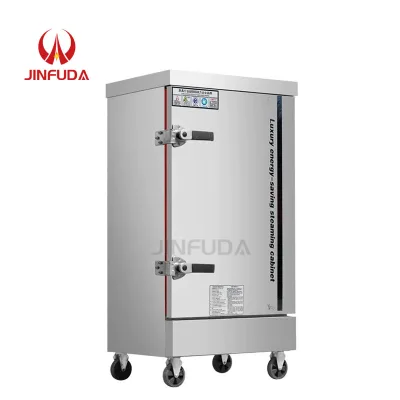
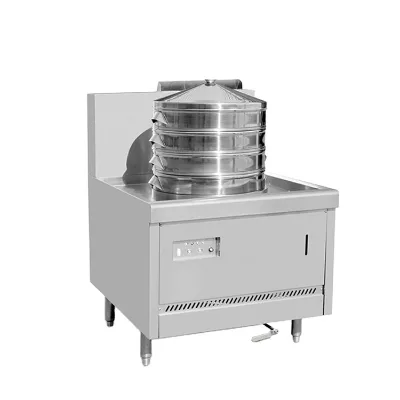
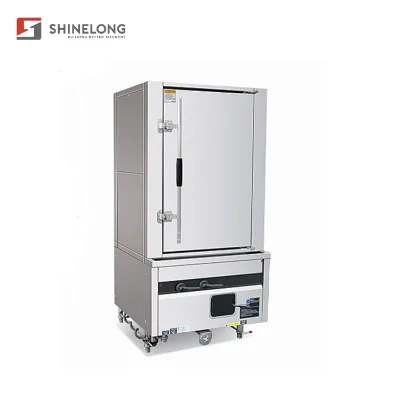
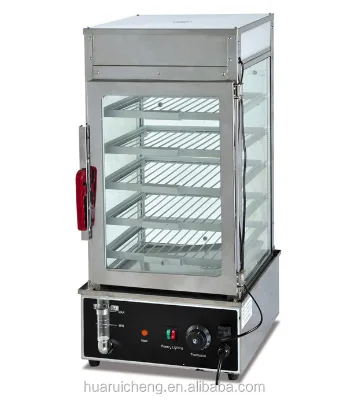
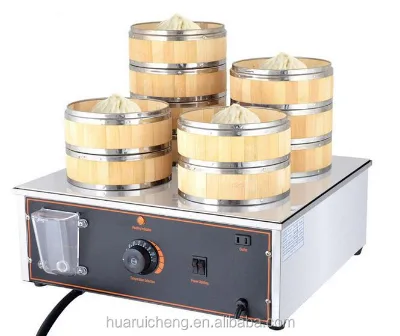
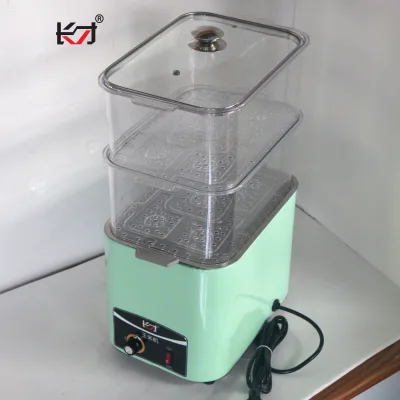
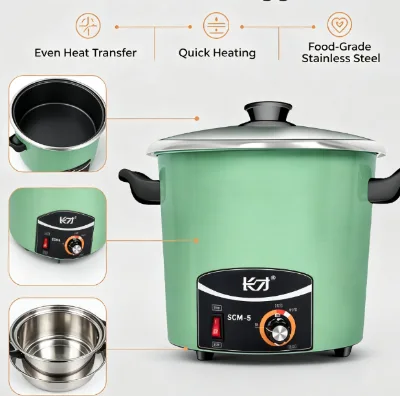
The commercial kitchen non-fingerprint steamer market presents a diverse array of industrial units designed for high-volume food preparation. Current listings indicate a product range that includes multifunctional steamers capable of processing bread, pizza, cake, and biscuits, alongside specialized electric rice steamers. Buyers must distinguish between single-door and three-door structures, as the physical configuration directly impacts workflow efficiency in busy professional environments.
Procurement decisions should prioritize units with customizable voltage and frequency options to match local infrastructure. The observed data shows models supporting 220V-380V/50Hz or customized 110V/60Hz configurations, ensuring compatibility across different regions. Additionally, the availability of timing devices and specific working circles ranging from 40 to 60 minutes allows operators to synchronize cooking cycles with service demands effectively.
Product Scope and Observed Listing Signals
Buyers should analyze the structural variations available, noting that units range from single-door rice steamers to complex three-door industrial models. The observed product names highlight specific capabilities, such as the "Wholesales Commercial 24 Tray Steamer" and "New Industrial Commercial Intelligent Food Steamer," which suggest varying levels of automation and capacity. Understanding these distinctions is critical for selecting a machine that fits the specific spatial and throughput requirements of the facility.
Material composition is another key signal, with stainless steel being the predominant material for durability and hygiene. Some listings specify "Stainless Less," which requires careful verification to ensure the finish meets non-fingerprint standards. The packaging methods, ranging from carton boxes to plywood frames, also indicate the robustness of the unit during transit, which is essential for preventing damage to sensitive electronic components and structural integrity.
Technical Specifications to Verify
Voltage and power consumption are primary technical parameters that must align with the facility's electrical capacity. The data reveals power ratings varying from 6kW to 15kW, with some models offering dual power options like 9/12kW or 6/12kW. Buyers must verify the exact power source, as while most units are electric, some listings indicate gas power sources, necessitating a clear distinction before finalizing the order to avoid installation conflicts.
Capacity and dimensions are equally critical for operational planning. Observed specifications include steaming capacities of 20-30kg, 40-50kg, and 50-60kg, with corresponding dimensions such as 840x640x1795mm or 710x665x1175mm. The number of plates or rounds, ranging from 6kg10 to 6kg12, directly influences the volume of food processed per cycle. Verifying these exact measurements ensures the equipment fits the designated kitchen footprint and meets production targets.
Compliance and Safety Documentation
Safety compliance is a non-negotiable aspect of sourcing industrial food equipment, particularly regarding electrical standards. While some background context mentions CE certification, buyers must explicitly request and verify current safety certificates for the specific model ordered. Relying on general market assumptions is insufficient; the documentation must confirm that the voltage, frequency, and power ratings of the delivered unit match the certified specifications provided by the manufacturer.
Hygiene and material safety standards are also vital for food processing equipment. The use of stainless steel is standard, but buyers should request material test reports to confirm the grade and finish quality. Ensuring that the "non-fingerprint" claim is backed by a specific surface treatment standard helps maintain a professional kitchen appearance and reduces cleaning time. Documentation should also cover the safety of the timing devices and electrical controls used in the steaming process.
Cost Drivers and Commercial Terms
Pricing in this sector is highly variable, with observed ranges spanning from $3.3 to $1434, driven by differences in capacity, power, and customization. The cost is significantly influenced by the number of trays, the complexity of the door structure, and the inclusion of intelligent control systems. Buyers should expect higher costs for units with larger steaming capacities, such as those handling 50-60kg, compared to smaller single-door rice steamers.
Commercial terms regarding minimum order quantities and lead times are essential for budgeting and inventory planning. The observed MOQ ranges from 1 to 10 units, offering flexibility for smaller operations, while available quantities for specific models range between 120 and 250 units. Buyers must clarify whether the listed price includes packaging, such as wooden frames or carton boxes, and confirm if customization fees apply for specific voltage or size requirements.
Supplier Qualification and Quality Control
Supplier reliability is paramount when sourcing industrial equipment that requires long-term maintenance. The availability of after-sales services, including free spare parts and technical video support, is a strong indicator of supplier commitment. Buyers should verify the supplier's ability to provide these services promptly, as downtime in a commercial kitchen can result in significant revenue loss and operational disruption.
Quality control processes should be scrutinized to ensure consistency across the production batch. Since product attributes are treated as observations rather than universal claims, buyers must request pre-shipment inspections to confirm that the delivered units match the specified dimensions and power ratings. Verifying the origin, which is listed as China, and understanding the specific manufacturing standards for the model number, such as WK-RS-011 or ADMD-ZG-3M, helps mitigate quality risks.
Long-Term Procurement Checks
Sustainability and maintenance requirements should be evaluated to ensure the equipment remains operational over time. The working circle of 40-60 minutes suggests a specific cycle time that impacts energy consumption and labor scheduling. Buyers should assess the energy efficiency of the unit relative to its output, considering that power ratings can vary significantly between models, affecting long-term utility costs.
Future-proofing the procurement involves checking the availability of replacement parts and the adaptability of the machine to changing menu needs. The customization options for size and voltage indicate that the equipment can be adapted, but buyers must confirm the lead time for these customizations. Regular checks on the structural integrity of the doors and the functionality of the timing devices will ensure the steamer continues to meet the high demands of a commercial kitchen environment.
FAQs
What is the power source for these commercial steamers?
The primary power source is electric, operating at 380V or customizable 220V-380V frequencies. Some models also support gas power sources. This versatility allows kitchens to select equipment based on existing utility infrastructure. Electric units typically feature timing devices for precise control, ensuring consistent cooking results for bread, pizza, and cakes in high-volume commercial environments.
Which models offer customized sizes and materials?
Customized sizes are available for various models, including the WK-RS-011 and ADMD series. Most units are constructed from stainless steel or stainless less materials for durability. Buyers can request specific dimensions and configurations to fit their kitchen layout. This customization ensures that the steamer integrates seamlessly into existing workflows while maintaining high hygiene standards for food preparation.
How much food can these steamers process per cycle?
Capacity varies by model, with some handling 20-30kg of steamed food and others processing up to 50-60kg. The working circle typically lasts 40-60 minutes per time. Specific models feature multiple trays or doors, such as three-door structures, to increase throughput. These capacities support high-volume production needs for rice, biscuits, and other baked goods in commercial settings.
What after-sale service is provided for these units?
Providers offer free spare parts and technical video support to ensure long-term operational reliability. This service helps minimize downtime by allowing kitchen staff to resolve minor issues quickly. The support structure is designed to maintain equipment performance over time. Buyers receive guidance on maintenance and troubleshooting, ensuring the steamer continues to function efficiently throughout its lifecycle.
Can these steamers be customized for specific voltage requirements?
Yes, voltage customization is available, including 110V/60Hz options for regions with different electrical standards. Standard models operate at 220V-380V/50Hz. This flexibility allows international buyers to source equipment that matches their local power grid. Customization ensures safe and efficient operation without the need for additional voltage conversion equipment in the kitchen.
What is the typical packaging for these commercial steamers?
Packaging typically includes carton boxes or plywood boxes for standard units. Larger or heavier models may use wooden frames for sea or freight shipping to ensure safe transit. This robust packaging protects the stainless steel construction from damage during logistics. Proper packing ensures that the equipment arrives in optimal condition, ready for immediate installation and use in commercial kitchens.