Source Wooden Serving Tray with Handles for Restaurants, Parties, and Homes
Compare 30 listings for a Wooden Serving Tray with Handles from suppliers in China. Options include custom sizes, eco-friendly materials like bamboo and wood, and styles suitable for restaurants, parties, and home use; compare the available evidence and request quotations based on your requirements.
Updated
Key considerations
Products List
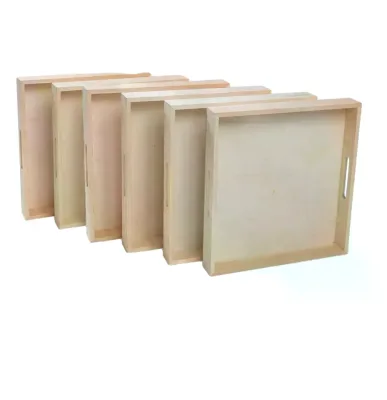
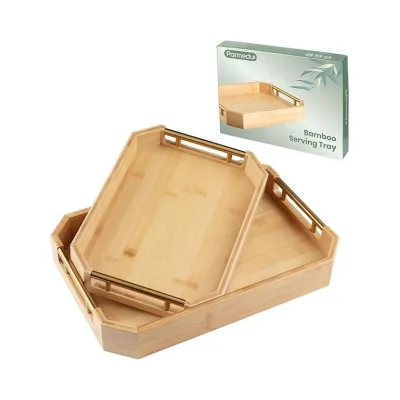
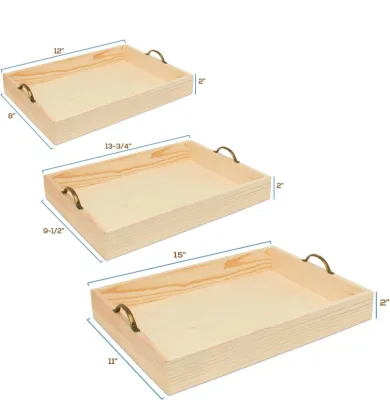
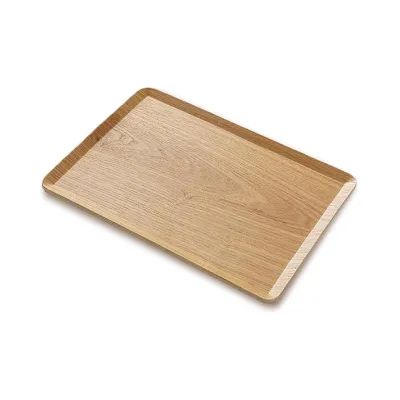
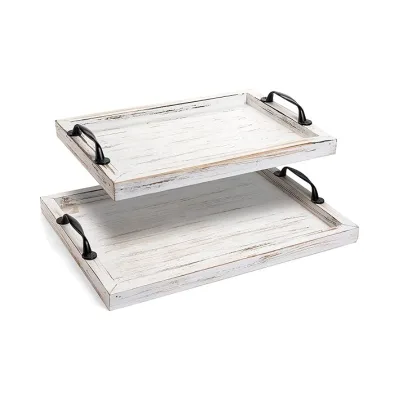
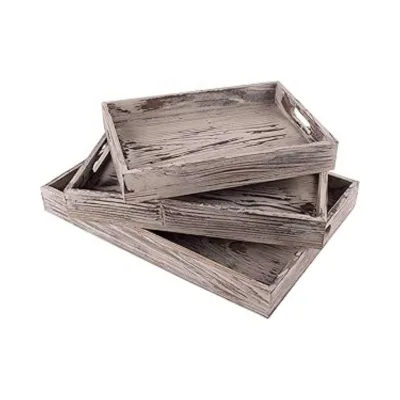


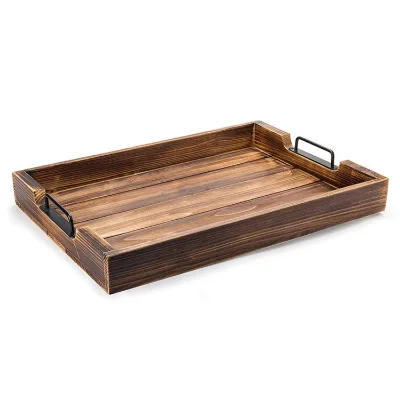
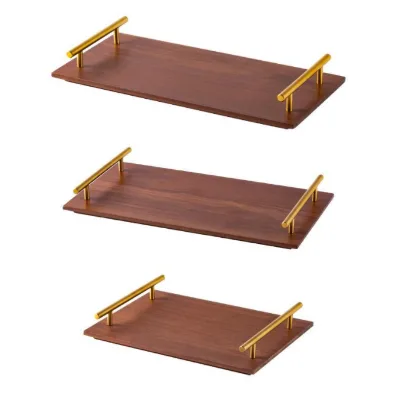
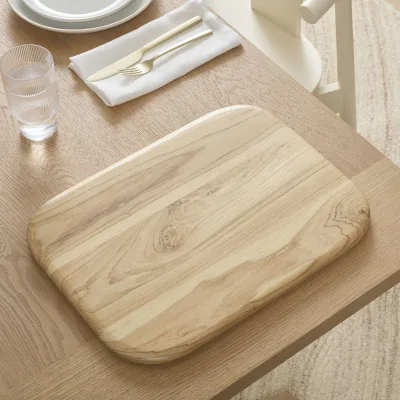


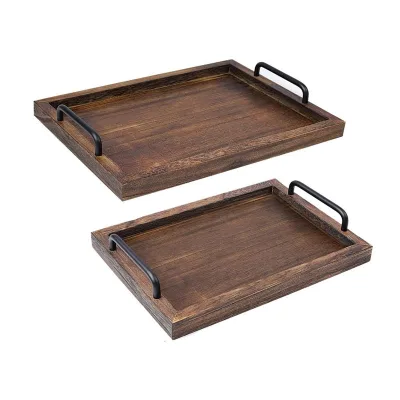
Wooden Antique Serving Tray Wooden Serving Tray Set Wooden Tray with Metal Handle
$4.1223 - $6.1894
MOQ: 200 sets

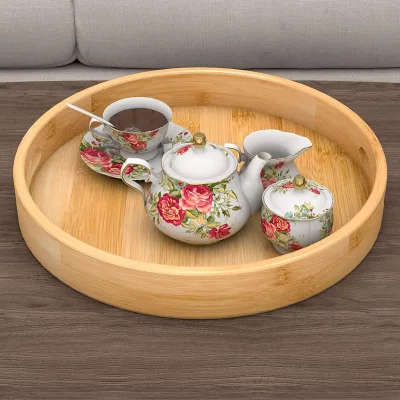
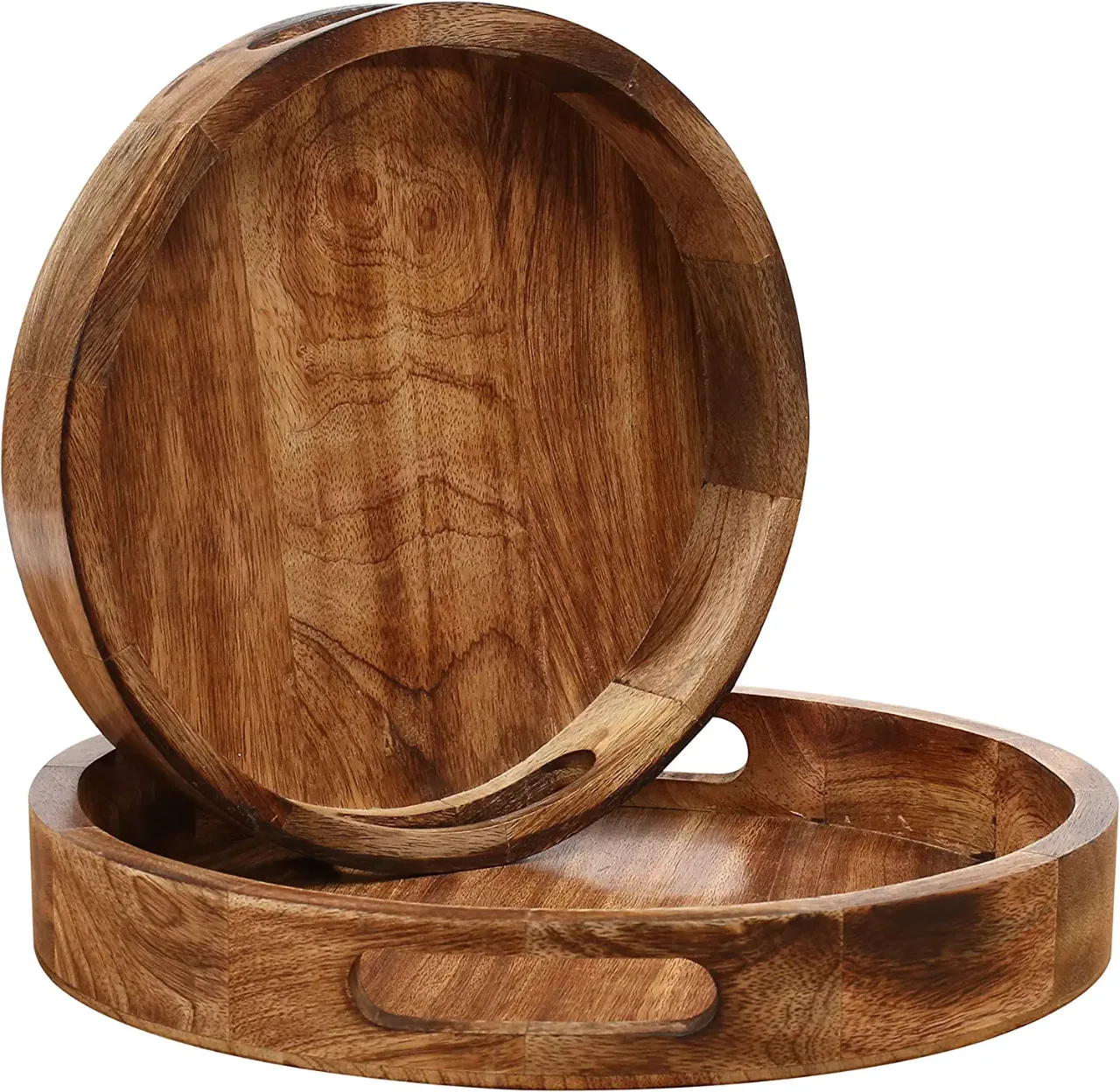
Comprehensive Sourcing Guide
Wooden Serving Tray with Handles Sourcing Guide
Sourcing wooden serving trays with handles requires a careful balance between aesthetic appeal and functional durability, particularly for B2B buyers targeting the hospitality and retail sectors. The market offers a diverse range of options, from rustic country-style designs to luxury polished finishes, allowing buyers to align product selection with their specific brand identity. Buyers must prioritize suppliers who demonstrate consistent quality in wood treatment and handle attachment, as these elements directly impact the product's longevity and user experience. Understanding the nuances of material sourcing and manufacturing techniques is essential for ensuring that the final product meets both visual and practical expectations.
This guide focuses on evidence-based procurement strategies for wooden serving trays, emphasizing the verification of technical specifications and supplier capabilities. By examining observed listing signals and key product attributes, buyers can make informed decisions that mitigate risk and enhance supply chain reliability. The following sections provide a structured approach to evaluating potential suppliers, ensuring that every aspect of the procurement process, from initial inquiry to final delivery, is grounded in verified data and industry best practices.
Product Scope and Observed Listing Signals
The observed product landscape for wooden serving trays includes a variety of styles, such as country, luxury, and classic designs, catering to different market segments. Key attributes often include customized patterns, natural wood colors, and specific shapes like rectangles or squares, which allow for versatile usage in restaurants, offices, and outdoor settings. Buyers should note that many listings highlight eco-friendly features and multifunctional capabilities, indicating a growing demand for sustainable and adaptable serving solutions. These signals suggest that suppliers are increasingly focusing on customization and environmental responsibility to meet evolving consumer preferences.
In addition to aesthetic variations, practical features such as the absence of lids and the availability of custom logos are common in current listings. The observed data indicates that products are often marketed as non-disposable, emphasizing their reusability and durability for commercial use. Buyers should pay attention to the stated usage, which typically involves holding food, and consider how the tray's design supports this function. The presence of handles, while implied by the core keyword, should be explicitly verified in product specifications to ensure ergonomic usability and ease of transport for both staff and customers.
Technical Specifications to Verify
When evaluating technical specifications, buyers must confirm the material composition, with bamboo and wood being common choices that offer distinct aesthetic and structural properties. It is crucial to verify the exact dimensions, such as the observed standard size of 40407cm, to ensure compatibility with existing tableware and storage systems. The weight of the product, often around 1.81kg, is another critical factor that influences shipping costs and handling ease. Buyers should request detailed specifications for each model, including single package sizes and packing methods, to accurately calculate logistics expenses and storage requirements.
Furthermore, the manufacturing technique, such as polished finishes or pulp molding processes, significantly impacts the product's surface quality and durability. Buyers should inquire about the customization options available, including logo placement and pattern types, to ensure that the final product aligns with their branding guidelines. It is also important to verify the origin of the materials, with suppliers often listing locations like Shandong or Fujian in China, as this can affect lead times and supply chain transparency. Confirming these technical details early in the sourcing process helps prevent discrepancies between samples and bulk orders.
Compliance and Safety Documentation
Ensuring compliance with food safety standards is paramount when sourcing wooden serving trays, as these products come into direct contact with food items. Buyers should request documentation that verifies the use of food-safe finishes and treatments, ensuring that no harmful chemicals are present on the product surface. Although specific certification statuses are not always listed, buyers must proactively ask for evidence of compliance with relevant international food safety regulations. This due diligence is essential to protect brand reputation and avoid potential legal issues associated with non-compliant products.
In addition to food safety, buyers should verify the supplier's adherence to quality standards, such as the observed "100% Exporter Standard" claims. This involves reviewing the supplier's quality control processes, including inspection protocols and testing procedures, to ensure consistent product quality. Buyers should also consider the environmental impact of the materials and manufacturing processes, seeking suppliers who demonstrate a commitment to sustainability. By prioritizing compliance and safety, buyers can build trust with their customers and ensure that their products meet the highest industry standards.
Cost Drivers and Commercial Terms
Several factors influence the cost of wooden serving trays, including material quality, customization complexity, and order volume. The observed minimum order quantity (MOQ) ranges from 17 to 1000 pieces, with some suppliers specifying an MOQ of 500pcs, which can impact pricing tiers and negotiation leverage. Buyers should analyze the cost implications of different customization options, such as laser logos or specific patterns, as these may incur additional fees. Understanding the relationship between order size and unit price is crucial for optimizing procurement budgets and achieving economies of scale.
Commercial terms, including delivery details and sample times, also play a significant role in the overall cost structure. The observed delivery detail of 45-60 days after order confirmation highlights the importance of planning and inventory management. Buyers should negotiate clear terms regarding payment schedules, shipping responsibilities, and return policies to mitigate financial risks. Additionally, the sample time of 10-15 days allows for quality assessment before committing to large orders, providing an opportunity to verify product specifications and supplier reliability.
Supplier Qualification and Quality Control
Supplier qualification is a critical step in the sourcing process, requiring a thorough assessment of manufacturing capabilities and quality control systems. Buyers should verify the supplier's production capacity, lead times, and past performance to ensure they can meet demand consistently. The observed product origin in China, particularly in regions like Shandong and Fujian, suggests a concentration of manufacturing expertise, but buyers must still conduct due diligence to identify reliable partners. Requesting references and reviewing past client feedback can provide valuable insights into the supplier's reputation and service quality.
Quality control measures should be explicitly defined and agreed upon before placing orders. Buyers should inquire about the supplier's inspection processes, including pre-production, during-production, and pre-shipment inspections, to ensure that products meet specified standards. The availability of customization options, such as custom logos and patterns, should be accompanied by clear guidelines on quality expectations. By establishing robust quality control protocols, buyers can minimize the risk of defects and ensure that the final products align with their brand standards.
Long-Term Procurement Checks
Long-term procurement success depends on continuous monitoring and evaluation of supplier performance and product quality. Buyers should establish key performance indicators (KPIs) to track metrics such as delivery accuracy, product defect rates, and responsiveness to issues. Regular audits and site visits, if feasible, can provide deeper insights into the supplier's operations and help identify areas for improvement. Maintaining open communication channels with suppliers fosters collaboration and enables proactive problem-solving, ensuring that any issues are addressed promptly and effectively.
Additionally, buyers should stay informed about market trends and regulatory changes that may impact the sourcing of wooden serving trays. This includes monitoring developments in sustainable materials and manufacturing practices, as well as updates to food safety regulations. By remaining agile and adaptable, buyers can adjust their sourcing strategies to meet evolving customer demands and maintain a competitive edge. Continuous improvement and strategic partnership development are essential for building a resilient and efficient supply chain that supports long-term business growth.
FAQs
What material is used for the wooden serving trays?
The trays are constructed from wood, with some options combining bamboo and wood materials. This natural composition ensures durability while maintaining an eco-friendly profile suitable for various serving applications in restaurants and homes.
Can I customize the logo on these wooden trays?
Yes, customization is available for logos on the wooden serving trays. Buyers can request a customized logo, often applied via laser engraving, allowing for personalized branding on the natural wood color surface of the product.
What is the minimum order quantity for these trays?
The minimum order quantity varies by supplier but typically starts at 500 pieces for standard orders. Some listings indicate a range from 17 to 1000 units, so buyers should verify specific MOQ requirements before placing an order.
How long does delivery take after order confirmation?
Delivery generally requires 45 to 60 days after the order is confirmed. Sample preparation takes approximately 10 to 15 days, ensuring that the final production timeline accounts for both customization and manufacturing processes.
Which shapes are available for the wooden serving trays?
The trays come in various shapes including rectangle, square, and custom-made dimensions. These shapes are designed to hold food effectively and fit different serving needs, ranging from party settings to restaurant service environments.
Where are these wooden serving trays manufactured?
Manufacturing locations include Shandong and Fujian provinces in China. These regions are known for producing high-quality wooden products that meet export standards, ensuring reliable sourcing for international buyers seeking specific material and style attributes.
Are these trays suitable for restaurant use?
Yes, the trays are explicitly designed for restaurant and home office applications. They feature a polished finish and solid patterns, making them ideal for holding food in professional dining settings or casual outdoor gatherings.