Source Nordic Style Long Strip Plate for Home Hotel Restaurant
Compare 30 listings for the Nordic Style Long Strip Plate from verified Chinese suppliers. Options include ceramic and wood materials with customizable designs, sizes ranging from 10.5 to 18.5 inches, and FDA certified options for home, hotel, and restaurant use.
Updated
Key considerations
Products List
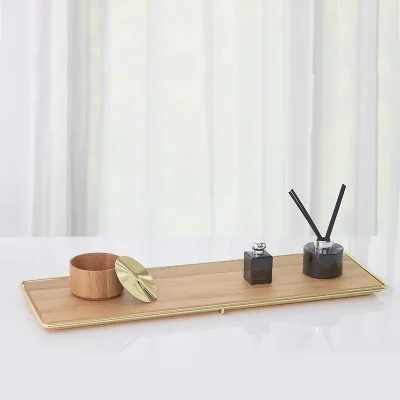

Hot Sale Western Style Dessert Plate Long Porcelain Plate Rectangular Plate
$1.60 - $1.74
MOQ: 100 Pieces





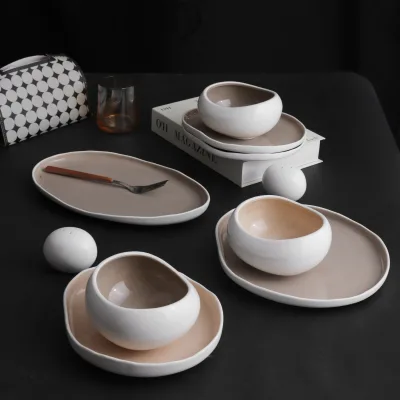
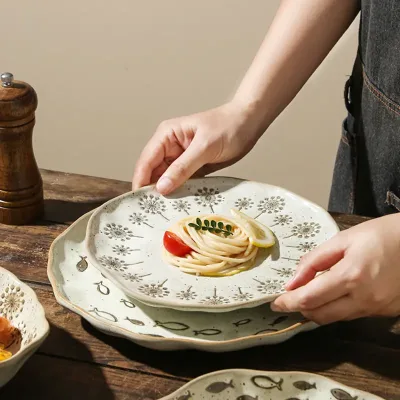
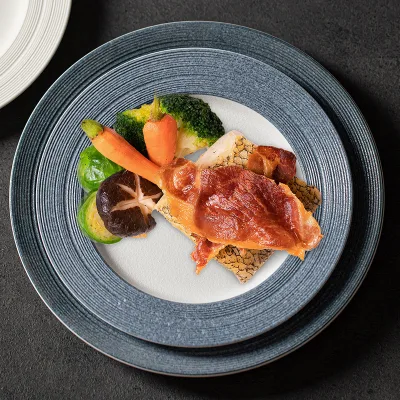
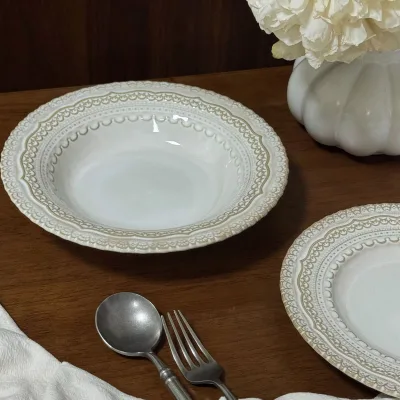
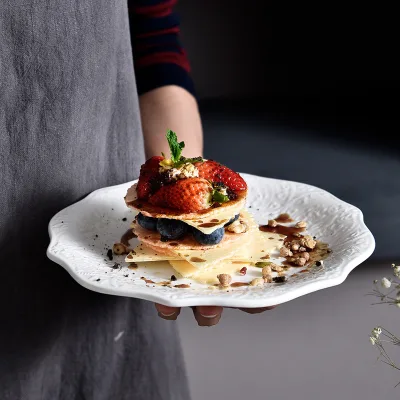
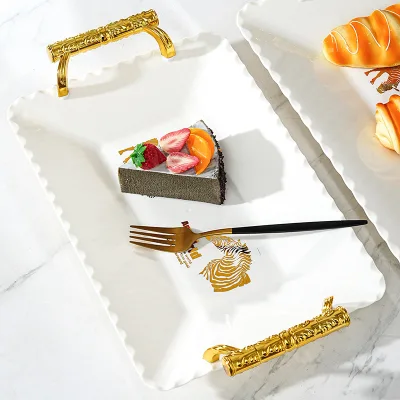


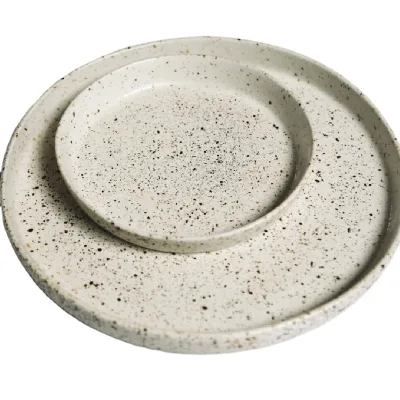
Nordic Speckled Customized Dinner Steak Plate Ceramic Plate for Restaurant
$2.00 - $3.29
MOQ: 1000 pieces
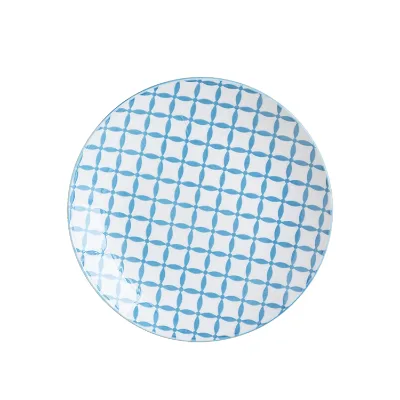
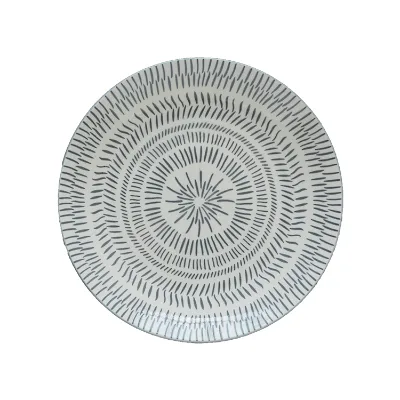
7.5 Inch Nordic Minimalist Line Style Salad Plates for Restaurant and Daily Life
$0.25 - $0.30
MOQ: 3000 pieces
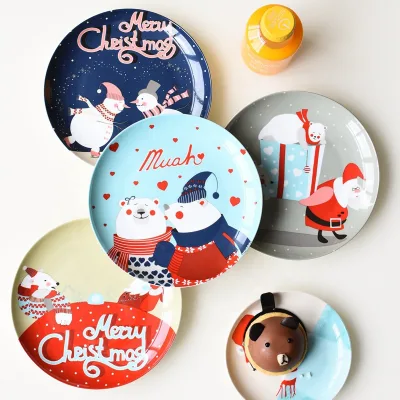
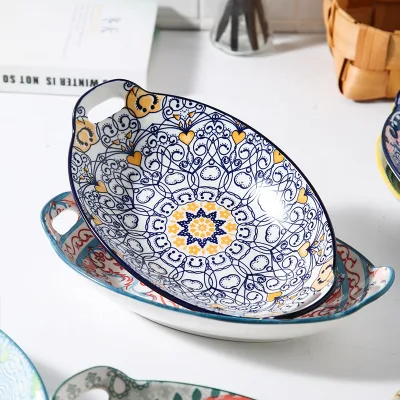
Large Fish Plate Creative Nordic Household Ceramic Tableware New Steamed Dish
$1.436 - $1.6549
MOQ: 48 pieces
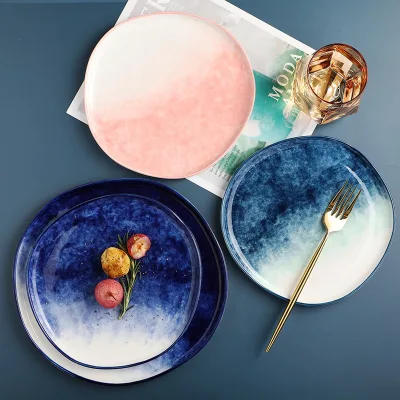
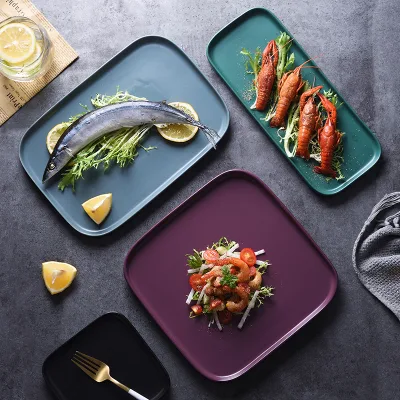

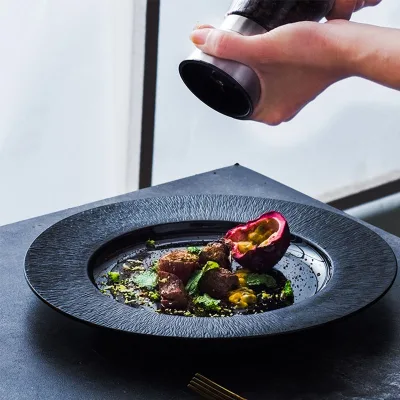
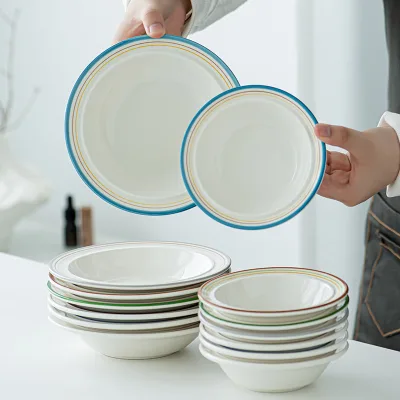
Comprehensive Sourcing Guide
Nordic Style Long Strip Plate Sourcing Guide
Sourcing Nordic style long strip plates requires a careful balance between aesthetic minimalism and functional durability, particularly for B2B buyers targeting modern hospitality or retail sectors. The observed market data indicates a diverse range of materials, with wood and ceramic/porcelain being the primary substrates identified in current listings. Buyers must distinguish between these material classes early in the sourcing process, as they dictate entirely different manufacturing techniques, care requirements, and end-user experiences. Wood options often emphasize natural grain and engraving techniques, while ceramic variants focus on glaze quality, shape precision, and printed patterns that align with contemporary interior design trends.
The visual language of Nordic design typically favors clean lines, neutral tones, and functional elegance, which is reflected in the observed product attributes such as "Solid" patterns and "Modern" styles. However, the term "Nordic" is not a regulated standard, so buyers should rely on specific visual cues and material specifications rather than marketing labels alone. It is crucial to verify whether the long strip format serves a decorative purpose or a practical dining function, as this distinction influences the required thickness, weight, and packaging standards. Understanding these nuances ensures that the selected products align with the brand’s identity and meet the practical demands of the target market.
Product Scope and Observed Listing Signals
The current product landscape for long strip plates reveals a significant variation in form factors and intended uses, ranging from decorative display items to functional dinnerware. Observed listings include products explicitly categorized as "decorative plates" with Roman styles and engraving techniques, alongside items described as "Ceramic Large Oval Printed Plate" with Nordic styling. This divergence highlights the importance of precise keyword filtering during supplier searches, as a broad search may yield irrelevant decorative artifacts rather than usable tableware. Buyers should prioritize suppliers who clearly define the product’s primary function, whether it is for serving food in hotels and restaurants or for aesthetic display in home settings.
Material composition is another critical signal that varies across the observed data, with some products listed as wood and others as ceramic or porcelain. This material split often correlates with different certification requirements and durability profiles; for instance, ceramic items may highlight FDA certification for food safety, while wooden items might emphasize eco-friendly attributes. Additionally, the observed presence of both "Disposable" and "Non-Disposable" attributes suggests that some listings may be misclassified or represent different product lines from the same supplier. Buyers must scrutinize product descriptions to ensure they are sourcing durable, reusable plates suitable for commercial use, rather than single-use items that do not meet long-term procurement goals.
Technical Specifications to Verify
Dimensional accuracy is paramount when sourcing long strip plates, as the observed standards include a wide array of sizes such as 12", 14", 16", and 18" for ceramic items, and specific metric dimensions like 40.86.84.8 cm for other variants. Buyers must verify that the plate’s length and width proportions match the intended serving style, whether for appetizers, main courses, or decorative plating. The observed single package sizes, such as 45X5X54 cm, provide insight into the bulk packaging efficiency, which directly impacts shipping costs and storage requirements. It is essential to request detailed technical drawings or physical samples to confirm that the plate’s curvature, edge finish, and overall geometry meet the specified tolerances.
Weight and structural integrity are also key technical parameters that vary significantly between materials. Observed gross weights range from 5.000 KG for single wooden items to 21.000 kg per batch for ceramic products, indicating substantial differences in density and robustness. Buyers should verify the plate’s resistance to chipping, cracking, and thermal shock, especially for ceramic items used in high-volume restaurant environments. Additionally, the observed customization options for design, color, logo, and package suggest that buyers can tailor products to their brand, but this requires clear communication of technical constraints to avoid production errors or quality compromises.
Compliance and Safety Documentation
Food safety certifications are a non-negotiable requirement for any plate intended for direct food contact, particularly for ceramic and porcelain items. The observed data explicitly mentions FDA certification for some products, which is a critical benchmark for buyers targeting the North American market. Buyers must request valid, up-to-date certification documents from suppliers to verify that the glazes, coatings, and materials used in production meet regulatory standards for lead and cadmium leaching. It is important to note that certification status can vary by product model, so buyers should not assume that all items from a supplier are certified without verifying each specific SKU.
Beyond food safety, environmental and sustainability claims require careful validation to avoid greenwashing. Some observed products highlight "Eco-Friendly" and "Non-Toxic" attributes, which may apply to wooden items or specific ceramic formulations. Buyers should inquire about the sourcing of raw materials, such as whether the wood is sustainably harvested or if the ceramic production process minimizes waste and emissions. Additionally, the observed "Customized" packaging options allow buyers to align product presentation with their sustainability goals, but they must ensure that the packaging materials themselves do not contradict the eco-friendly messaging of the product.
Cost Drivers and Commercial Terms
Pricing for Nordic style long strip plates is influenced by material choice, production complexity, and order volume, with observed price ranges spanning from $0.11 to $7.62 USD. This wide variance reflects the difference between basic, mass-produced items and premium, customized designs with intricate engraving or specialized glazes. Buyers should analyze the cost structure in relation to the Minimum Order Quantity (MOQ), which ranges from 2 to 3000 pieces, to determine the most cost-effective entry point for their business. Lower MOQs may offer flexibility for testing new designs but often come with higher per-unit costs, while larger orders can leverage economies of scale to reduce expenses.
Commercial terms such as payment methods, lead times, and shipping logistics also play a significant role in the total cost of ownership. The observed port of Xiamen and origin locations in Beijing and Fujian suggest that buyers should factor in freight costs and potential tariffs based on their destination. Additionally, the availability of customization services, including logo printing and custom packaging, may incur additional fees that should be negotiated upfront. Buyers should request detailed quotations that break down unit costs, tooling fees, and shipping estimates to ensure transparency and avoid hidden charges that could erode profit margins.
Supplier Qualification and Quality Control
Supplier qualification begins with verifying their manufacturing capabilities and quality management systems, particularly for products with specific technical requirements like FDA compliance or custom designs. Buyers should assess whether the supplier has in-house production facilities or relies on third-party manufacturers, as this impacts control over quality and lead times. The observed diversity in product models, such as RY2003, RYS0000074, and RY3142, indicates that some suppliers may offer a broad catalog, but buyers should focus on those with specialized expertise in Nordic style designs to ensure authenticity and quality.
Quality control protocols must be clearly defined before placing orders, including inspection criteria for surface defects, dimensional accuracy, and packaging integrity. Buyers should request pre-shipment inspections or third-party audit reports to verify that the products meet the agreed-upon standards. Additionally, the observed "Standard Export Carton" packing suggests a baseline level of protection, but buyers may need to specify additional packaging requirements for fragile ceramic items to prevent damage during transit. Establishing a clear communication channel for addressing quality issues and defining return or replacement policies is essential for maintaining a reliable supply chain.
Long-Term Procurement Checks
Long-term procurement success depends on the supplier’s ability to maintain consistent quality and availability over time, especially for customized or seasonal products. Buyers should establish regular review cycles to assess supplier performance, including on-time delivery rates, defect rates, and responsiveness to issues. The observed customization options allow for product evolution, but buyers must ensure that any changes in design or material do not compromise the core aesthetic or functional attributes that define the Nordic style. Continuous feedback loops with end-users can help identify emerging trends or quality concerns that need to be addressed in future orders.
Sustainability and regulatory compliance are also evolving areas that require ongoing attention. Buyers should monitor changes in international trade regulations, environmental standards, and consumer preferences to ensure that their product offerings remain relevant and compliant. The observed emphasis on eco-friendly and non-toxic attributes suggests a growing market demand for sustainable products, which suppliers may need to adapt to through improved sourcing or production practices. By staying informed and proactive, buyers can mitigate risks and capitalize on opportunities for growth in the competitive Nordic style tableware market.
FAQs
What materials are used for Nordic style long strip plates?
These plates are crafted from wood and ceramic or porcelain materials. The wooden options feature engraving techniques with a solid pattern, while ceramic versions offer durability and colorful designs. Both material types ensure the product is non-toxic and eco-friendly for safe dining use.
Can I customize the design and packaging for these plates?
Yes, customization is available for design, color, logo, and packaging. Buyers can request specific modifications to suit their brand identity. The supplier supports customized orders, allowing for tailored solutions that meet unique aesthetic or functional requirements for home, hotel, or restaurant settings.
What certifications do these dinnerware products hold?
The products hold FDA certification, ensuring they meet safety standards for food contact. This certification confirms that the materials used, whether wood or ceramic, are safe for everyday dining. Buyers can rely on this compliance for international trade and consumer safety requirements.
What are the standard sizes available for these plates?
Standard sizes include 12, 14, 16, and 18 inches for round variants. Specific models offer dimensions like 11.25, 13.25, and 15.25 inches. Some rectangular or oval designs measure approximately 40.8 cm in length. These sizes cater to various serving needs and table settings.
Where are these Nordic style plates manufactured?
These plates are manufactured in China, specifically in Beijing and Fujian regions. The products originate from these locations and are shipped via ports like Xiamen. Buyers can expect standard export carton packaging for bulk orders, ensuring safe transit and protection during shipping.
What is the minimum order quantity for these items?
The minimum order quantity varies by product, ranging from 2 to 3000 pieces. Specific items may require a minimum of 40 pieces. Buyers should check individual product listings for exact MOQ requirements to ensure their order meets the supplier's production and shipping thresholds.