Source Electric Hand Push Street Sweeper for Station Warehouse
Compare 30 Electric Hand Push Street Sweeper models from verified Chinese suppliers. Buyers can evaluate specifications like cleaning width, battery capacity, and automation levels to find the right equipment for station, warehouse, and street applications; compare the available evidence and request quotations based on your requirements.
Updated
Key considerations
Products List


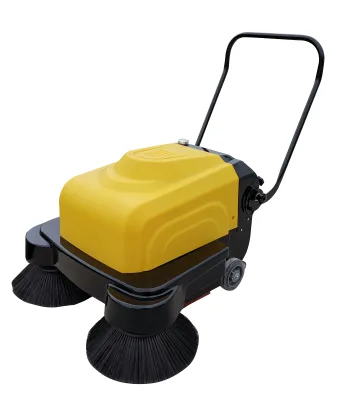


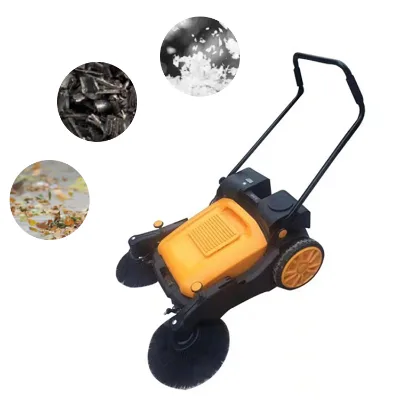
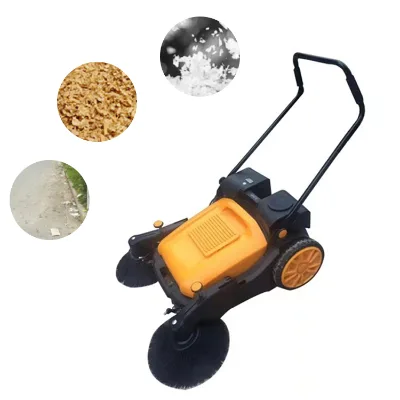
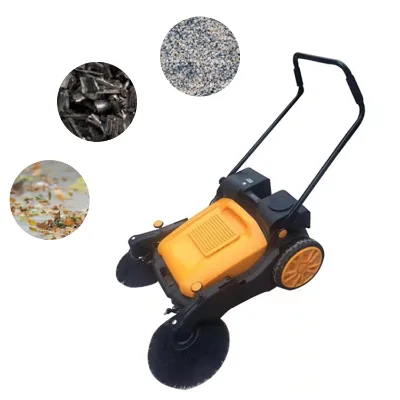
Commercial Manual Hand Push Floor Sweeper / Mini Road Sweeper Manual Sweeper
$650.00 - $1500.00
MOQ: 1 Pieces


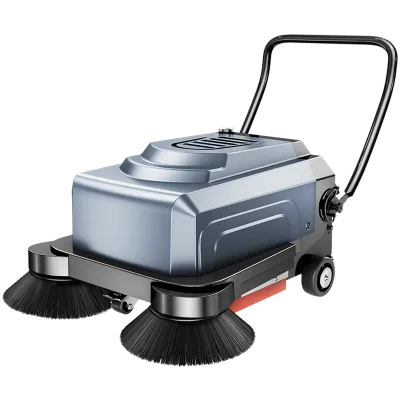
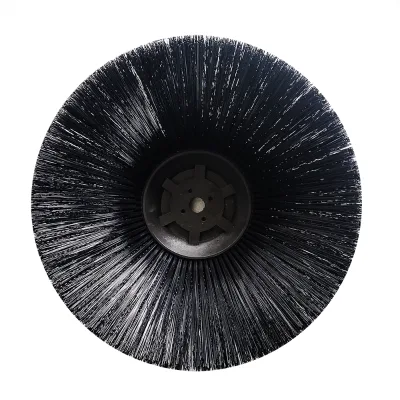

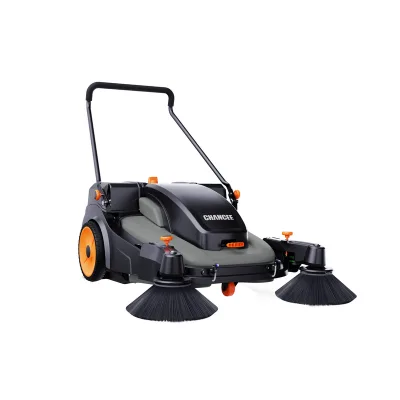
Comprehensive Sourcing Guide
Electric Hand Push Street Sweeper Sourcing Guide
Procuring an Electric Hand Push Street Sweeper requires a clear understanding of the operational environment and the specific mechanical attributes that define performance in that setting. Buyers must distinguish between semi-automatic and fully automatic systems, as the level of automation directly impacts labor efficiency and operator fatigue. The observed market includes models ranging from basic hand-push units to more advanced ride-on or semi-automatic variants, each serving distinct logistical needs. Understanding these distinctions is the first step in aligning equipment capabilities with facility requirements, ensuring that the chosen machine integrates seamlessly into existing cleaning workflows without causing operational bottlenecks.
The decision-making process also hinges on the physical dimensions and power sources available at the site. Equipment such as the 1050mm cleaning width models offers a balance between maneuverability in tight spaces and coverage efficiency, while battery capacity dictates the continuous working hours achievable per charge. Buyers should evaluate whether the site infrastructure supports the specific voltage and charging requirements of the selected unit. Furthermore, the distinction between disc-type and drum-type brush structures influences the type of debris the machine can effectively handle, making it crucial to match the brush hardness and structure to the specific floor conditions and waste types encountered in the target application area.
Product Scope and Observed Listing Signals
The current market landscape for electric street sweepers reveals a diverse range of configurations, primarily centered around semi-automatic and automatic operation types. Listings indicate a strong presence of hand-push models designed for station applications, featuring disc-type brushes with medium hardness, which are suitable for general debris collection on hard surfaces. In contrast, other segments of the market offer ride-on or automatic units tailored for warehouse environments, utilizing drum-type brushes and wafer brush structures for more intensive cleaning tasks. This divergence highlights the importance of selecting a machine whose automation level and brush configuration align precisely with the intensity and nature of the cleaning duties required.
Physical specifications observed in listings provide critical insights into the machine's capacity and footprint. For instance, certain models feature a cleaning width of 1050mm with a main brush length of 445mm, housed within an equipment size of approximately 1080x1050x1080mm. These dimensions are vital for assessing storage requirements and maneuverability in confined areas like stations or narrow aisles. Additionally, water tank capacities ranging from 30L to 80L and dustbin volumes up to 160L indicate varying levels of autonomous operation capability. Buyers must carefully review these volumetric and dimensional data points to ensure the selected sweeper can handle the expected debris load without frequent emptying or refilling, thereby maximizing operational uptime.
Technical Specifications to Verify
When evaluating technical specifications, the power supply and battery capacity are paramount for determining operational endurance. Many observed models utilize a 12V70ah battery system, which supports continuous working hours typically ranging from 2 to 4 hours depending on the load and terrain. Buyers should verify the actual runtime under full load conditions rather than relying solely on nominal capacity figures. Additionally, the distinction between single suction types and other suction mechanisms affects the efficiency of debris pickup, particularly for fine dust or larger particulates. Ensuring that the suction power matches the debris profile is essential for maintaining consistent cleaning quality across different sections of the facility.
Brush and sweeping width specifications directly influence the machine's productivity and coverage area. Models with a sweeping width of 1400mm and a work efficiency of 9000-15000 square meters per hour represent high-throughput options suitable for large open areas like warehouses. In contrast, narrower units with a 1050mm cleaning width are better suited for precision cleaning in stations or retail environments. Buyers must also consider the side brush diameter, such as the observed 420mm option, which aids in sweeping debris from edges and corners into the main suction path. Verifying these mechanical parameters ensures that the selected equipment meets the specific throughput and coverage requirements of the intended application.
Compliance and Safety Documentation
Certification requirements are a critical component of the procurement process, particularly for equipment intended for use in regulated environments or international markets. The observed listings frequently mention CE and RoHS certifications, indicating compliance with European safety and environmental standards. Some models also carry CB certification, which facilitates global market access by recognizing safety test results. Buyers must verify the validity and scope of these certifications, ensuring that the specific model purchased holds the necessary approvals for the region of operation. This verification process mitigates legal risks and ensures that the equipment meets the baseline safety and electromagnetic compatibility standards required for commercial use.
Safety documentation should also include detailed operational manuals and maintenance guidelines that align with the machine's automation level. For semi-automatic or hand-push units, clear instructions on brush replacement, battery handling, and suction system maintenance are essential for prolonging equipment life. Buyers should request comprehensive safety data sheets that outline proper procedures for handling the water tank, dustbin, and electrical components. Additionally, verifying that the equipment meets local occupational health and safety regulations regarding noise levels and operator ergonomics is crucial. Ensuring that all safety documentation is complete and accessible helps prevent accidents and ensures that operators can use the machine effectively and safely.
Cost Drivers and Commercial Terms
The price range for electric street sweepers varies significantly based on automation level, brush configuration, and included features. Observed listings show prices ranging from approximately $140 to $25,000, reflecting the diversity from basic components to fully integrated automatic systems. Key cost drivers include the battery capacity, brush type, and the overall build quality of the chassis. Buyers should analyze the total cost of ownership, considering not just the initial purchase price but also the long-term costs associated with battery replacement, brush wear, and maintenance. Understanding these cost drivers allows for more accurate budgeting and helps in comparing the value proposition of different models within the same category.
Commercial terms such as minimum order quantity (MOQ) and packaging options also impact the procurement strategy. Many suppliers offer an MOQ of 1, providing flexibility for small-scale purchases or trial orders. Packaging methods vary from paper box packaging to wooden box packaging or nude container loading, which affects shipping costs and protection during transit. Buyers should negotiate clear terms regarding delivery lead times, warranty coverage, and after-sales support. Additionally, the availability of customization options, such as color or specific branding, may incur additional costs. Clarifying these commercial terms upfront ensures a transparent transaction and helps avoid unexpected expenses related to logistics or customization.
Supplier Qualification and Quality Control
Supplier qualification is essential for ensuring the reliability and consistency of the equipment supplied. Buyers should verify the supplier's origin, with many observed models originating from regions like Henan Province in China, which is a known hub for manufacturing such equipment. Assessing the supplier's production capabilities, quality control processes, and history of fulfilling orders is crucial. Buyers should request evidence of their manufacturing standards and inquire about their ability to provide OEM or ODM services if customization is required. A qualified supplier will have a robust quality assurance system in place to ensure that each unit meets the specified technical and safety standards before shipment.
Quality control measures should extend to the pre-shipment inspection and testing of the equipment. Buyers should inquire about the specific tests conducted on each unit, such as battery performance tests, brush rotation checks, and suction efficiency evaluations. Requesting a certificate of conformity or a test report from an independent laboratory can provide additional assurance of the product's quality. Additionally, establishing a clear communication channel with the supplier for addressing any post-delivery issues is vital. A supplier that prioritizes quality control and customer support will be better equipped to handle any technical challenges that may arise during the initial deployment of the electric street sweeper.
Long-Term Procurement Checks
Long-term procurement success depends on the availability of spare parts and the supplier's commitment to after-sales support. Buyers should verify the lead times for critical components such as brushes, batteries, and suction motors, as downtime due to part shortages can significantly impact cleaning operations. Establishing a relationship with a supplier that maintains a stock of common spare parts ensures that maintenance can be performed promptly. Additionally, understanding the warranty terms and the process for claiming repairs or replacements is essential for managing long-term operational costs. A supplier with a strong after-sales network will provide timely assistance, minimizing the disruption caused by equipment failures.
Regular performance monitoring and feedback loops are also important for optimizing the use of the electric street sweeper. Buyers should track key performance indicators such as cleaning efficiency, battery longevity, and maintenance frequency to assess the machine's value over time. Providing feedback to the supplier regarding any operational issues or desired improvements can help in refining future purchases. Furthermore, staying informed about technological advancements in the industry, such as new battery technologies or more efficient brush designs, can inform future procurement decisions. By maintaining a proactive approach to equipment management and supplier engagement, buyers can ensure that their electric street sweeper fleet remains efficient, reliable, and cost-effective over the long term.
FAQs
What certifications do electric hand push street sweepers have?
These sweepers typically hold CE and RoHS certifications to ensure compliance with international safety and environmental standards. Some models may also include CB certification for broader market acceptance. Buyers should verify specific documentation with suppliers to confirm that the equipment meets local regulatory requirements for industrial cleaning operations.
How wide is the cleaning path on these machines?
The cleaning width varies by model, with common specifications including 1050mm and 1400mm sweeping widths. The 1050mm width is often associated with hand-push or semi-automatic units, while wider paths are found in ride-on or automatic variants. Selecting the correct width depends on the available space and required coverage efficiency for your facility.
Can these sweepers be customized for specific applications?
Yes, customization is available for many electric street sweepers to suit different operational needs. Options include custom colors, OEM/ODM services, and tailored brush structures such as disc or drum types. Buyers can specify requirements for warehouse or station applications to ensure the machine integrates effectively with their existing cleaning workflows and infrastructure.
What is the typical battery capacity for these units?
Battery capacity depends on the specific model, with some units featuring 12V70ah batteries for sustained operation. Other models may have different power configurations to support continuous working hours ranging from 2 to 4 hours. The battery system is designed to support the motor and brush functions efficiently during standard cleaning shifts.
What is the minimum order quantity for these sweepers?
The minimum order quantity is typically 1 unit, allowing buyers to purchase single machines for immediate deployment. This low MOQ facilitates testing and evaluation before committing to larger orders. Suppliers often welcome small initial purchases to demonstrate product performance and reliability in real-world cleaning environments.
How much does an Electric Hand Push Street Sweeper cost?
Prices for these sweepers range from approximately 140 to 25000 USD, depending on specifications and features. Lower-priced models may be basic hand-push units, while higher costs reflect advanced automation, larger capacities, or specialized brush systems. Buyers should request detailed quotes to understand the value provided by specific configurations and included accessories.