Source Indoor Kids Gymnastics Bar for Home, School, and Training
Find 30 verified listings for Indoor Kids Gymnastics Bar options suitable for home use, school programs, and professional training. Compare adjustable heights, steel materials, and customization features from verified Chinese manufacturers; compare the available evidence and request quotations based on your requirements.
Updated
Key considerations
Products List
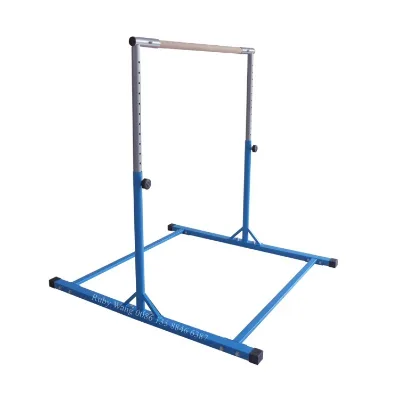
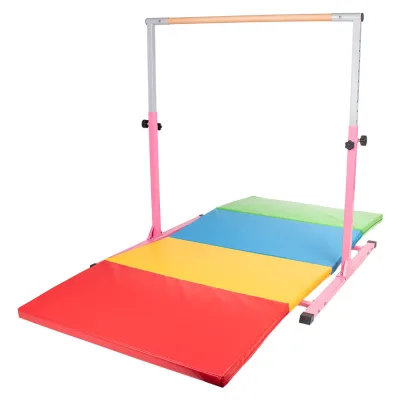
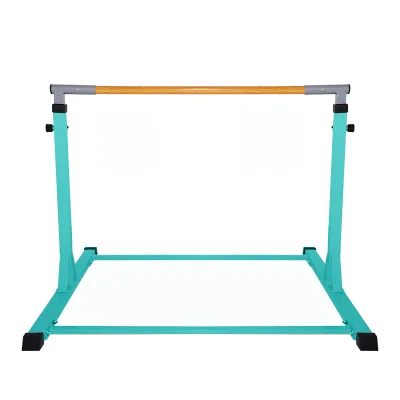
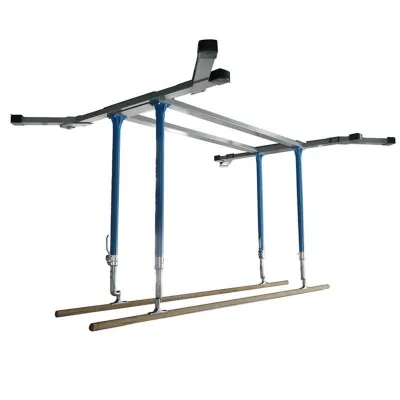
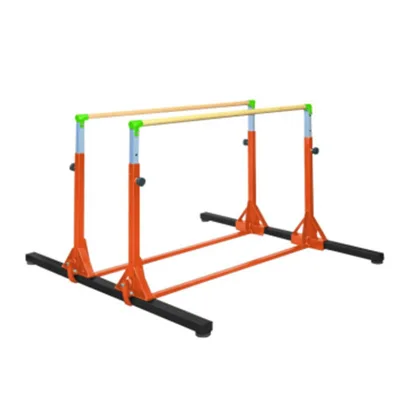
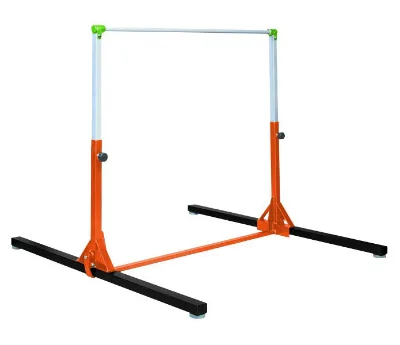
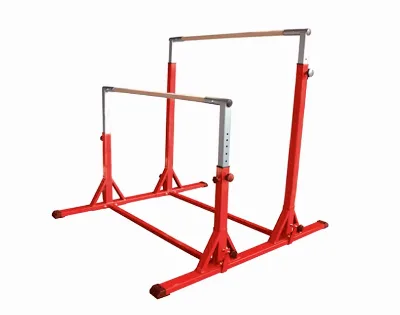
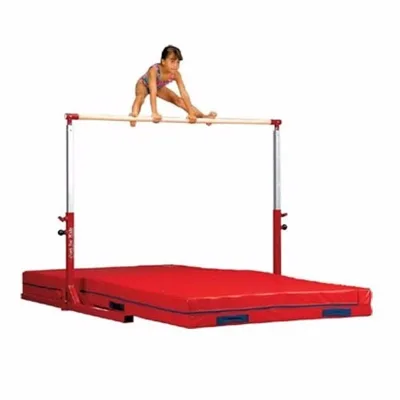
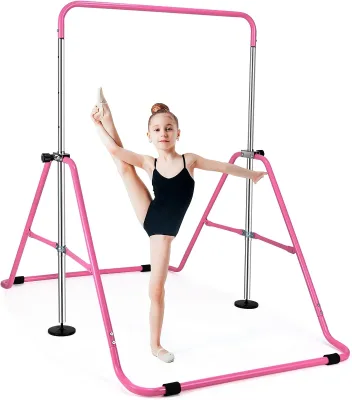
Factory Indoor Gymnastics Equipment Kids Gymnastics Bar Horizontal Bar
$66.737 - $69.8174
MOQ: 280 pieces
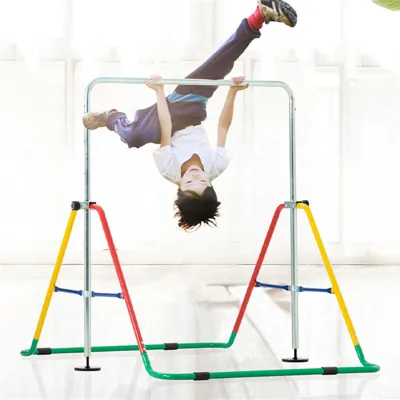
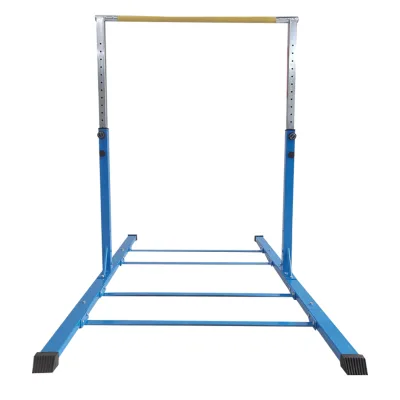
Indoor Junior Kids Professional Gymnastic Bar Heavy Duty Height Adjustable
$94.9332 - $98.1185
MOQ: 200 sets
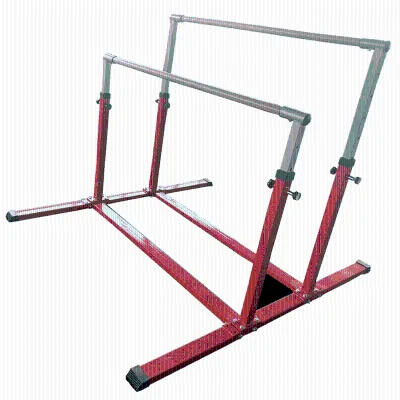
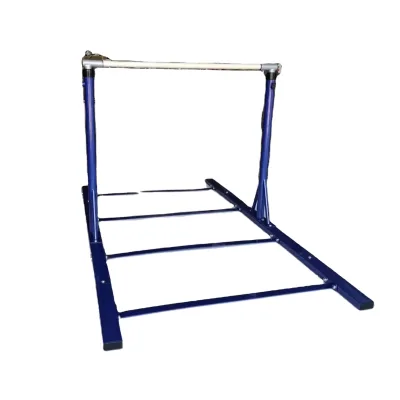
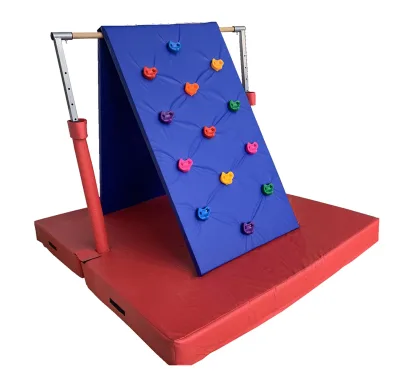
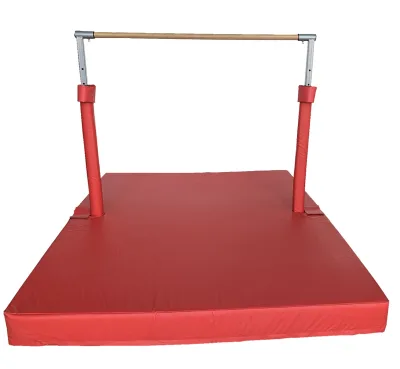
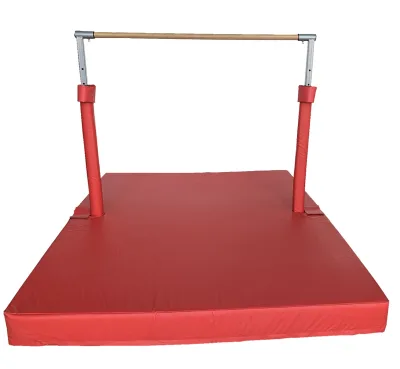
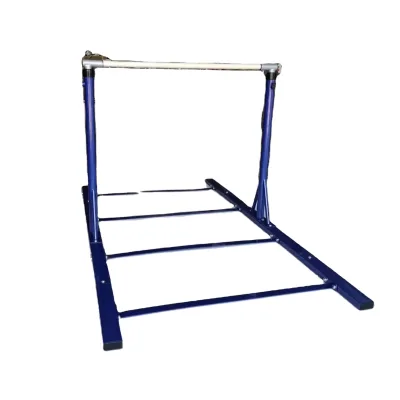

Horizontal Bar Gymnastics Ballet Bar Adjustable Height Kids Gymnastics Bar
$41.90 - $48.50
MOQ: 2 Pieces


Popular Adjustable Height Kids Indoor Gymnastic Horizontal Bar for Sale
$99.00 - $165.00
MOQ: 10 Pieces


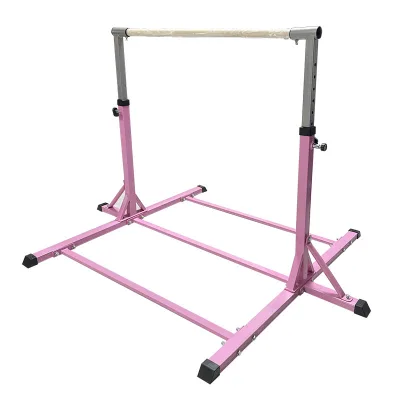
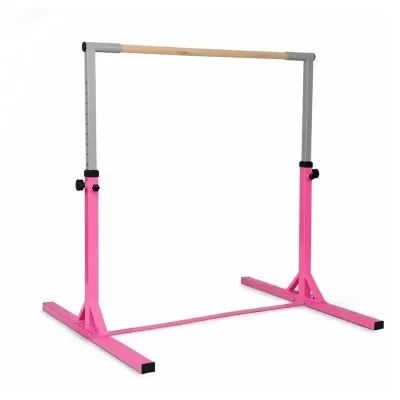
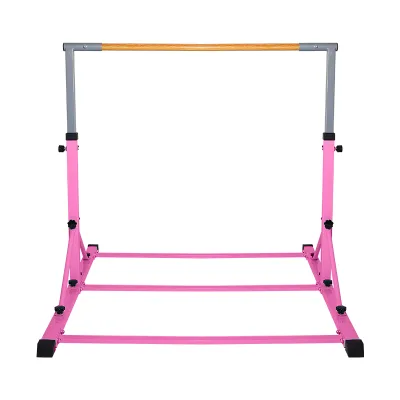
Comprehensive Sourcing Guide
Indoor Kids Gymnastics Bar Sourcing Guide
Procuring indoor gymnastics equipment for children requires a careful balance of structural integrity, safety compliance, and age-appropriate design. The market offers a variety of parallel bars, horizontal bars, and ballet barres, often constructed from high-grade steel or stainless steel to ensure durability under repeated use. Buyers must distinguish between fixed-height units and adjustable models, as the latter provide greater versatility for growing children and different skill levels. Understanding the specific functional requirements, such as pull-ups, rolling, or balance training, is essential before engaging with suppliers.
This guide focuses on the key decision points for sourcing these products, drawing from observed market data and product specifications. It covers technical verification, compliance documentation, cost structures, and supplier qualification. By adhering to these evidence-based recommendations, procurement teams can mitigate risks associated with product failure, safety hazards, and commercial disputes. The following sections provide a structured approach to evaluating listings, verifying technical claims, and establishing robust quality control measures for indoor gymnastics bars.
Product Scope and Observed Listing Signals
The current market landscape for indoor kids gymnastics bars includes diverse product types, ranging from parallel bars for strength training to adjustable ballet barres for dance and flexibility exercises. Observed listings indicate a strong presence of steel-based constructions, with specific models like the XK-023 and CW-044 highlighting features such as height adjustability and customizable colors. These products are often marketed for home use, emphasizing their suitability for indoor environments where space and safety are paramount. The variety in design, including single-item packaging and specific dimensions, suggests that buyers should carefully match product specifications to their intended user demographics and facility constraints.
Price and minimum order quantity (MOQ) signals vary significantly across suppliers, reflecting differences in material quality, customization options, and production capabilities. Observed price ranges span from approximately $20.1 to $2000, while MOQs can range from as low as 1 piece to 280 pieces. This disparity underscores the importance of aligning procurement volume with supplier capabilities and budget constraints. Buyers should note that lower MOQs may come with higher unit costs, while larger orders might offer economies of scale but require greater upfront investment. Understanding these commercial signals helps in negotiating favorable terms and managing inventory levels effectively.
Technical Specifications to Verify
When evaluating technical specifications, buyers must prioritize structural dimensions and material composition to ensure the equipment meets safety and functional standards. Key parameters to verify include overall size, such as the 150(L)x138(W)x(91-151)(H) CM dimensions observed in some listings, and weight capacity, which directly impacts stability during use. Material quality is critical, with options ranging from standard steel to stainless steel, each offering different levels of corrosion resistance and durability. Additionally, features like height adjustability, often ranging from 2FT to 4FT for ballet barres, should be confirmed to ensure the equipment can accommodate users of varying ages and heights.
Packaging and logistical details also play a crucial role in the procurement process, affecting shipping costs and product integrity upon arrival. Single package sizes, such as 170X39X18 cm, and gross weights, like 24.000 kg, provide essential data for calculating freight expenses and storage requirements. Buyers should verify whether products are supplied in protective packaging, such as OPP bags and cardboard boxes, to prevent damage during transit. Furthermore, confirming the model number and brand name, such as Taikonghu or cw, helps in tracking product history and accessing specific technical support or replacement parts if needed.
Compliance and Safety Documentation
Safety compliance is non-negotiable when sourcing equipment for children, requiring thorough verification of relevant certifications and testing standards. Buyers should request documentation that confirms the product meets international safety standards for gymnastics and fitness equipment, such as EN 74 or ASTM F1487, depending on the target market. These standards typically cover aspects like structural stability, edge protection, and load-bearing capacity. Without explicit certification evidence, buyers risk exposing their organization to liability in the event of an accident, making it essential to validate all safety claims through independent testing or recognized third-party audits.
In addition to safety certifications, buyers should inquire about material safety and environmental compliance, particularly regarding coatings and finishes used on steel components. Non-toxic, child-safe paints and powder coatings are essential to prevent exposure to harmful chemicals, especially in home environments where children may have direct contact with the equipment. Suppliers should provide material safety data sheets (MSDS) or similar documentation to confirm the absence of hazardous substances. Verifying these details ensures that the purchased gymnastics bars not only meet structural safety requirements but also adhere to health and environmental regulations, protecting both users and the brand reputation.
Cost Drivers and Commercial Terms
Several factors influence the final cost of indoor kids gymnastics bars, including material selection, customization options, and order volume. High-grade steel pipes and stainless steel components typically command higher prices due to their superior durability and corrosion resistance. Customization features, such as logo printing, color variations, and specific dimensional adjustments, can also increase production costs. Buyers should carefully evaluate whether these customizations are necessary for their brand or if standard models suffice, as they can significantly impact the overall budget. Understanding these cost drivers allows for more accurate financial planning and negotiation with suppliers.
Commercial terms, including payment methods, lead times, and warranty policies, are critical components of the procurement agreement. Buyers should negotiate clear terms regarding payment schedules, such as deposits and balance payments upon shipment, to manage cash flow effectively. Lead times can vary based on order size and customization requirements, so it is essential to confirm production schedules upfront to avoid delays. Additionally, warranty coverage for structural defects and material failures should be explicitly stated in the contract, providing recourse in case of product issues. Clear commercial terms help mitigate financial risks and ensure a smooth transaction process.
Supplier Qualification and Quality Control
Supplier qualification is a vital step in ensuring the reliability and consistency of indoor kids gymnastics bars. Buyers should assess suppliers based on their manufacturing capabilities, quality management systems, and track record in the industry. Factories with established quality control processes, such as ISO certifications, are more likely to produce consistent and safe products. It is also important to verify the supplier’s ability to handle OEM and ODM requests, as this indicates flexibility and expertise in customizing products to meet specific buyer requirements. Due diligence in supplier selection helps minimize the risk of receiving substandard or non-compliant goods.
Quality control measures should be implemented throughout the production process, from raw material inspection to final product testing. Buyers should consider hiring third-party inspection services to conduct pre-shipment inspections, verifying that products meet agreed-upon specifications and quality standards. Key inspection points include structural integrity, surface finish, packaging quality, and labeling accuracy. Establishing clear quality acceptance criteria and communication channels with suppliers ensures that any issues are identified and resolved promptly. Effective quality control not only protects the buyer’s investment but also enhances customer satisfaction and brand reputation.
Long-Term Procurement Checks
Long-term procurement success depends on continuous monitoring of supplier performance and product quality. Buyers should establish key performance indicators (KPIs) to track metrics such as on-time delivery, defect rates, and responsiveness to issues. Regular audits and feedback sessions with suppliers help identify areas for improvement and foster a collaborative relationship. Additionally, staying informed about industry trends and regulatory changes ensures that procurement strategies remain aligned with current safety standards and market demands. Proactive management of supplier relationships contributes to sustained quality and reliability in the supply chain.
Product lifecycle management is also crucial for long-term procurement, involving regular reviews of product performance and customer feedback. Buyers should monitor for any recurring issues or safety concerns reported by end-users, which may indicate underlying design or manufacturing flaws. Implementing a system for tracking product recalls or modifications ensures that any necessary updates are communicated and implemented promptly. By maintaining a proactive approach to product management, buyers can mitigate risks, enhance product safety, and ensure that their offerings remain competitive and compliant in the evolving market landscape.
FAQs
What is the main function of this indoor gymnastics bar?
The main function is to perform pull-ups, rolling, and other gymnastics movements. This steel bar is designed for home use and supports various activities for children. It features height adjustment to accommodate different user needs and growth stages effectively.
Can the height of the parallel bars be adjusted?
Yes, the height is adjustable to suit different users. The size ranges from 91 to 151 centimeters in height. This feature allows the equipment to grow with children and ensures safe usage for various age groups within the home environment.
Which materials are used to construct these bars?
The bars are constructed from high-grade steel for durability. Some models utilize stainless steel for enhanced resistance. This material choice ensures the equipment remains sturdy and safe for repeated use by children during indoor gymnastics and physical activities.
What is the minimum order quantity for these products?
The minimum order quantity is 280 pieces for specific models. This value applies to the standard bulk purchasing requirements for this item. Buyers should verify the exact MOQ for their selected model number before placing an order with the supplier.
Where are these indoor gymnastics bars manufactured?
These bars are manufactured in Zhejiang and Hebei, China. The production facilities are located in these specific regions of China. Buyers can expect the goods to originate from these locations when sourcing directly from the listed suppliers.
Is customization available for the brand and logo?
Yes, customization is available for the brand name and logo. The supplier accepts OEM orders and allows for customized logos. This option enables buyers to brand the equipment according to their specific business requirements or corporate identity needs.
What colors are available for this gymnastics equipment?
Available colors include blue, black, green, yellow, and red. Some options allow for custom color requests to match specific preferences. The product listing confirms multiple color choices to ensure the equipment fits various aesthetic requirements for home or gym settings.