Source Iso-Lateral Row Machine for Gyms, Commercial Centers, and Fitness Studios
Compare 19 iso-lateral row machine options from verified Chinese suppliers. Buyers can evaluate specifications like steel construction, CE certification, and custom branding for commercial gym and fitness center applications; compare the available evidence and request quotations based on your requirements.
Updated
Key considerations
Products List
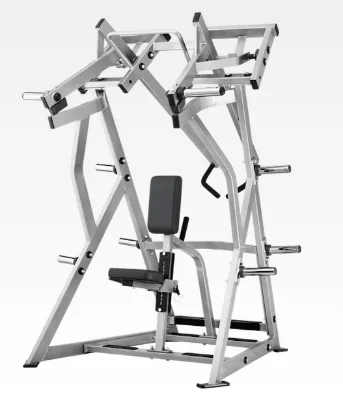
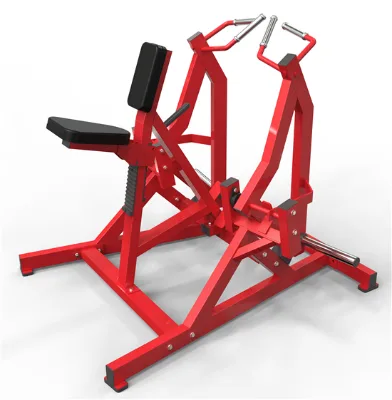

High Quality Commercial Professional Strength ISO-Lateral D. Y. Row Machine
$565.00 - $675.00
MOQ: 5 Pieces


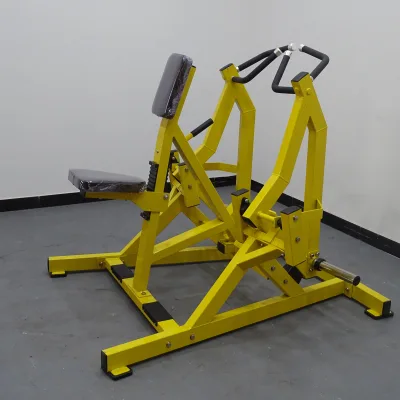
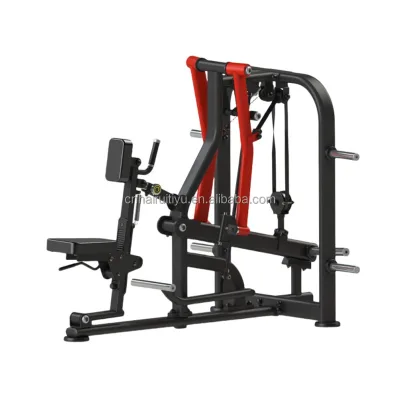
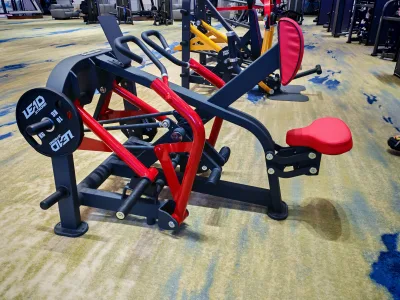
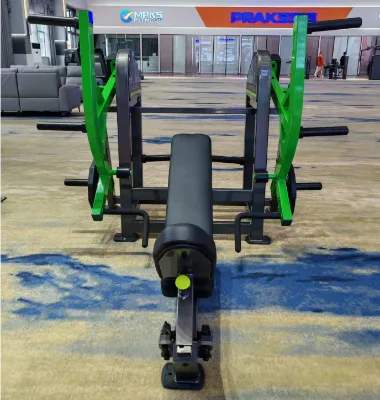

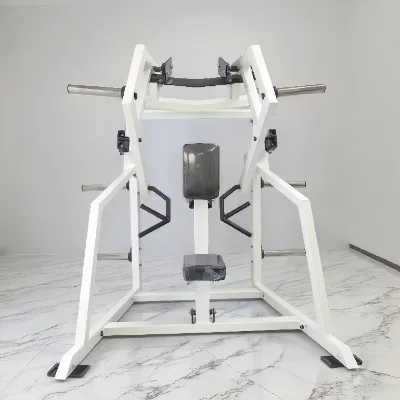
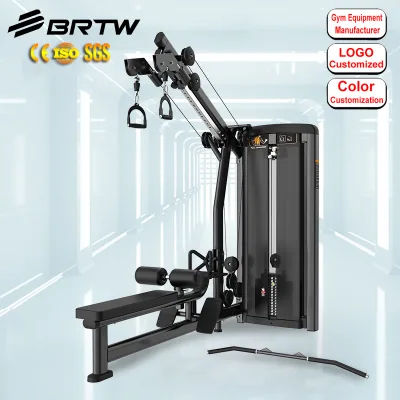
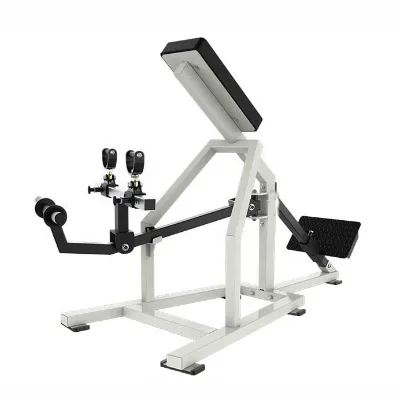
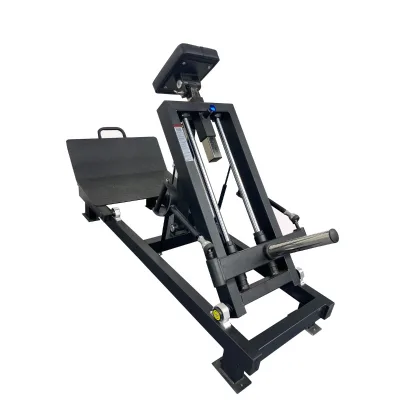
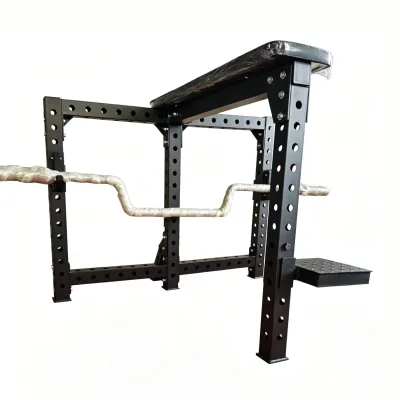

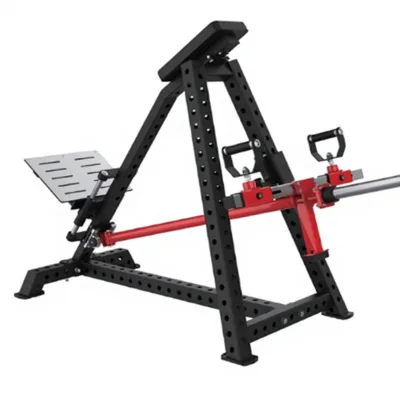
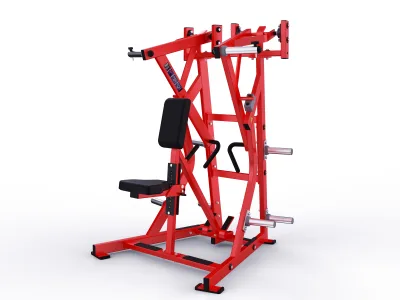

Hot Sale Back Muscles High Performance Professional Seated Row Machine
$707.00 - $775.00
MOQ: 1 pieces
Comprehensive Sourcing Guide
Iso-Lateral Row Machine Sourcing Guide
Procuring iso-lateral row machines requires a strategic approach that balances mechanical precision with commercial durability. These machines are designed to allow independent arm movement, which helps correct muscle imbalances and reduces strain on the lower back compared to traditional seated rows. Buyers must evaluate the structural integrity of the frame, as the isolation mechanism places unique stresses on the pivot points and weight stacks. Understanding the specific engineering behind the iso-lateral design is crucial for ensuring long-term performance in high-traffic gym environments.
The sourcing landscape for these fitness units is dominated by manufacturers in specific industrial hubs, with Shandong, China, being a notable origin point for many commercial-grade options. Buyers should expect a variety of configurations, including custom color options for frames and seats, which allows for brand alignment with facility aesthetics. The market offers models ranging from basic steel tube constructions to more complex hammer strength-style mechanisms. Evaluating the available product count and observed listing signals helps buyers gauge market saturation and identify reliable suppliers who maintain consistent inventory levels for bulk orders.
Product Scope and Observed Listing Signals
The current market for iso-lateral row machines presents a diverse array of options, with observed product counts indicating a robust supply chain. Buyers will encounter listings with price ranges typically spanning from 173 to 850 USD, reflecting variations in material quality, brand reputation, and included features. The minimum order quantities (MOQ) generally range from 1 to 10 units, offering flexibility for both small boutique gyms and large commercial chains. This variability allows procurement teams to scale their orders based on immediate facility needs without committing to excessive inventory that ties up capital.
Listing signals also reveal important details about packaging and logistics, which significantly impact total landed costs. Many suppliers offer wooden case or plywood box packaging, often without timber, to ensure safe transit while complying with international shipping regulations. Single gross weights can vary substantially, with some units weighing up to 170 kg, necessitating careful planning for freight and handling. Buyers should scrutinize these logistical details early in the sourcing process to avoid unexpected expenses related to heavy freight charges or specialized unloading equipment at the destination facility.
Technical Specifications to Verify
Verifying technical specifications is paramount when selecting an iso-lateral row machine, as these details dictate the machine's durability and user experience. Key attributes to confirm include the frame material, which is often steel tube SPHC or similar high-grade steel, and the tube thickness, typically around 3mm for commercial applications. The model numbers, such as SH13 or DH06, serve as unique identifiers for specific configurations, allowing buyers to cross-reference dimensions and weight capacities. Ensuring that the machine size aligns with the available floor space is critical, as dimensions can exceed 1.5 meters in length and width.
Additional technical considerations include the power source, which for these machines is predominantly manual, relying on user effort rather than electrical components. Buyers should verify the seat and frame color options, as many suppliers offer black, silver, or custom colors to match interior design schemes. The single package size and volume are also important for warehouse storage and installation planning. Confirming these specifications ensures that the purchased equipment meets the physical requirements of the facility and provides the intended biomechanical benefits for users.
Compliance and Safety Documentation
Compliance and safety documentation are non-negotiable elements in the procurement of commercial fitness equipment. Buyers must ensure that all iso-lateral row machines carry relevant certifications, such as CE, which indicates conformity with health, safety, and environmental protection standards for products sold within the European Economic Area. These certifications provide assurance that the manufacturing processes and final products have undergone rigorous testing and meet established regulatory requirements. Without proper certification, facilities may face legal liabilities and insurance complications in the event of equipment failure or user injury.
Beyond certifications, buyers should request detailed safety features and operational guidelines from suppliers. Many listings highlight safety as a key feature, indicating design elements that prevent accidental injury during use. It is essential to verify that the machines are suitable for the intended age group, typically adults, and are designed for unisex use in community or gymnasium settings. Documentation should also include clear instructions for assembly and maintenance, ensuring that facility staff can properly install and service the equipment to maintain optimal safety standards over time.
Cost Drivers and Commercial Terms
Understanding the cost drivers behind iso-lateral row machines helps buyers negotiate better commercial terms and avoid hidden expenses. The primary cost factors include the material quality, such as the use of SPHC steel tubes, and the complexity of the iso-lateral mechanism. Customization options, such as branded logos or specific color schemes, can also influence the final price. Buyers should be aware that while base prices may appear competitive, additional costs for customization, packaging, and freight can significantly impact the total investment.
Commercial terms also encompass payment structures, lead times, and warranty provisions, which vary among suppliers. Buyers should clarify whether the quoted price includes shipping and handling or if these are separate line items. Understanding the MOQ requirements is crucial for budgeting, as ordering in bulk may offer per-unit discounts but requires adequate storage space. Additionally, buyers should inquire about the availability of spare parts and the duration of the warranty coverage to ensure long-term value and minimize downtime due to mechanical failures.
Supplier Qualification and Quality Control
Supplier qualification is a critical step in mitigating procurement risks and ensuring the delivery of high-quality iso-lateral row machines. Buyers should verify the supplier's production capabilities, including their factory location and capacity, to ensure they can meet order volumes and deadlines. Suppliers originating from established industrial regions like Shandong, China, often have mature supply chains and experienced manufacturing teams. Requesting references or case studies from previous clients can provide insights into the supplier's reliability and customer service quality.
Quality control measures should be explicitly defined in the procurement agreement to protect the buyer's interests. This includes specifying inspection criteria for materials, welds, and finishing, as well as protocols for pre-shipment testing. Buyers may consider hiring third-party inspection services to verify that the delivered goods match the agreed-upon specifications and quality standards. Establishing clear communication channels and regular updates during the production process helps identify and resolve potential issues before they escalate, ensuring a smooth procurement experience.
Long-Term Procurement Checks
Long-term procurement checks focus on the sustainability and supportability of the iso-lateral row machines post-purchase. Buyers should assess the availability of replacement parts and the supplier's responsiveness to service requests, as these factors directly impact the machine's operational lifespan. A robust after-sales support system ensures that any mechanical issues can be addressed promptly, minimizing downtime and maintaining user satisfaction. Additionally, buyers should monitor the supplier's product updates and improvements to stay informed about potential upgrades or newer models that may offer enhanced features.
Regular maintenance and user training are also essential components of long-term procurement success. Facilities should establish a routine maintenance schedule to inspect bolts, cables, and padding, ensuring that the machines remain safe and functional. Providing users with proper instruction on how to operate the iso-lateral row machine can prevent misuse and extend the equipment's life. By prioritizing these long-term checks, buyers can maximize the return on investment and maintain a high-quality fitness environment for their members or employees.
FAQs
What certifications does the iso-lateral row machine have?
The iso-lateral row machine carries CE certification as a standard compliance feature. This ensures the equipment meets essential safety and performance requirements for commercial gym environments. Buyers should verify specific certification documents with the supplier before finalizing any bulk purchase order for their facility.
Where is the iso-lateral row machine manufactured?
This iso-lateral row machine originates from Shandong, China, where the manufacturing facilities are located. The product is designed for commercial use and features a steel tube SPHC frame. Buyers seeking specific regional sourcing options should confirm the exact factory location during the supplier negotiation phase.
Can the iso-lateral row machine frame color be customized?
Yes, the iso-lateral row machine frame color is available in Black, Silver, or custom options. The seat color also offers similar customization flexibility to match gym aesthetics. Buyers must specify their preferred color scheme early in the ordering process to ensure the manufacturer produces the correct finish.
What is the minimum order quantity for this machine?
The minimum order quantity for the iso-lateral row machine ranges from one to ten units depending on the supplier. This flexibility allows small gyms to purchase single items while larger facilities can order in bulk. Buyers should confirm the specific MOQ with the vendor before proceeding with payment.
How is the iso-lateral row machine packaged for shipping?
The iso-lateral row machine is typically packed in a wooden case or plywood box without timber to ensure safe transit. The single package size measures approximately 130 by 143 by 209 centimeters. This robust packaging protects the heavy steel components during international shipping to commercial gym locations.
What material is used to construct the iso-lateral row machine?
The iso-lateral row machine is constructed using steel tube SPHC material with a tube thickness of 3mm. This durable steel construction supports heavy usage in commercial gym settings. The robust frame ensures stability during intense core muscle and bodybuilding exercises for adult users.