Source Inclined Bench Chest Press Machine for Home Gymnasium Park
Compare 30 Inclined Bench Chest Press Machine options from verified suppliers. These units feature adjustable settings, durable steel construction, and capacities up to 2t, suitable for home, gymnasium, and park applications; compare the available evidence and request quotations based on your requirements.
Updated
Key considerations
Products List


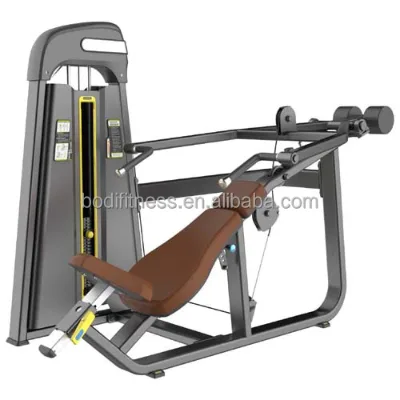


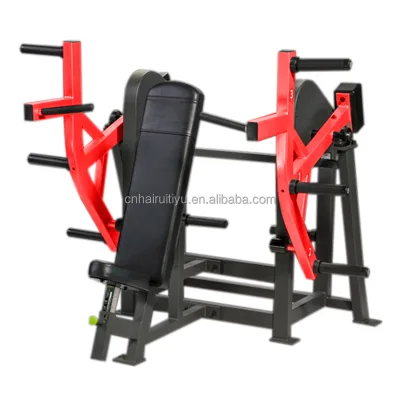

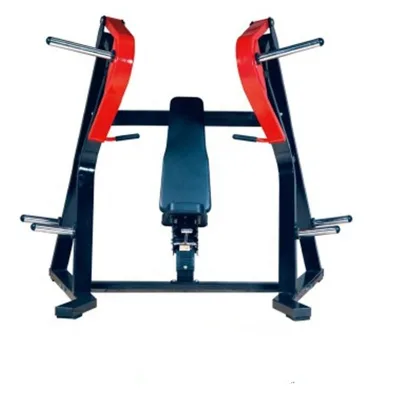
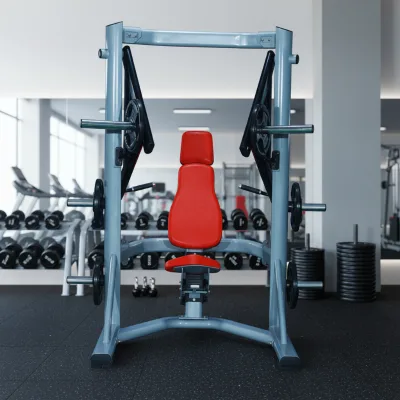
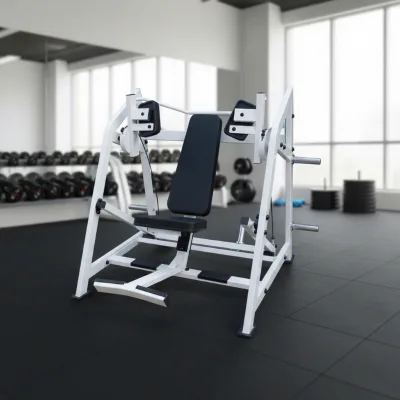
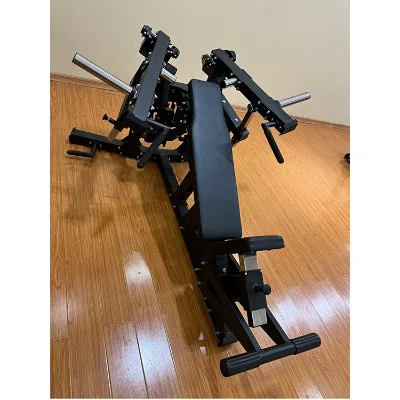


Factory Price Gym Fitness Equipment Seated Incline Chest Press Machine
$365.00 - $395.00
MOQ: 1 Pieces


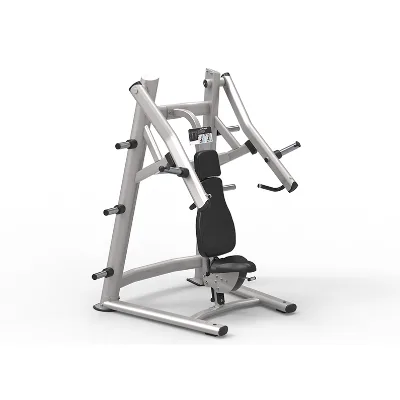
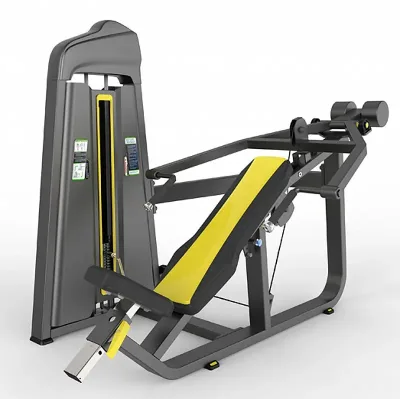
Chest Press Gym Equipment Stations Incline Training Fitness Machines
$2012.00 - $2515.00
MOQ: 1 Pieces


Comprehensive Sourcing Guide
Inclined Bench Chest Press Machine Sourcing Guide
Procuring inclined bench chest press machines requires a disciplined approach to aligning equipment specifications with the specific needs of your facility. These machines are designed primarily for upper body strength training, focusing on the chest, shoulders, and back muscles through controlled resistance. Buyers must carefully evaluate the mechanical design, material composition, and user capacity to ensure the equipment meets the demands of both commercial gym environments and community fitness centers. The selection process involves balancing durability, adjustability, and safety features to maximize user engagement and minimize maintenance costs over the long term.
The market offers a variety of configurations, ranging from manual resistance systems to more complex commercial-grade units. Key attributes such as weight capacity, folding mechanisms, and customization options play a critical role in the final decision. Sourcing teams should prioritize machines that offer robust construction, typically utilizing steel or metal frames, to withstand high-frequency usage. Additionally, verifying the origin of manufacture and the availability of OEM services can significantly impact the branding and logistical efficiency of the procurement process, ensuring that the equipment integrates seamlessly into the existing facility infrastructure.
Product Scope and Observed Listing Signals
The current market landscape for inclined bench chest press machines reveals a diverse range of product types, including medium and large loaders, which cater to different space and usage requirements. Listings indicate that these machines are suitable for a wide array of applications, including home gyms, commercial gymnasiums, parks, and community centers. The observed product attributes highlight a strong emphasis on versatility, with many units designed to be adjustable and foldable, allowing for efficient storage and multi-functional use. This flexibility is particularly valuable for facilities with limited floor space or those seeking to offer varied workout experiences.
Material composition is a critical differentiator, with most observed products constructed from steel or metal to ensure structural integrity and longevity. The maximum user weight capacity typically observed is around 200 kg, which accommodates a broad demographic of users. Furthermore, customization options are widely available, including logo placement and color choices, enabling buyers to brand the equipment to match their facility’s aesthetic. The packaging is often specified as wooden boxes or plywood cases, indicating a focus on protecting the equipment during transit, which is essential for maintaining product quality upon arrival.
Technical Specifications to Verify
When evaluating technical specifications, buyers must closely examine the dimensional standards and model numbers to ensure compatibility with their facility’s layout. Observed models such as SA1625, SA1607, and BD-3008 come with specific dimensions, such as 125016401660 mm or 186012201320 mm, which directly impact space planning. It is crucial to verify these measurements against the available floor space to avoid installation issues. Additionally, the weight of the machine, which can range from approximately 61 kg to heavier commercial units, affects both installation logistics and the stability of the equipment during use.
Capacity and power source are also key technical factors to consider. Some units are designed with a capacity of 1.6t or 2t, suggesting robust load-bearing capabilities suitable for heavy-duty training. The power source is predominantly manual, relying on user effort rather than electricity, which simplifies installation and reduces energy consumption. Buyers should verify the functional aspects, such as whether the machine targets the chest, arms, or back, and ensure that the adjustable features allow for proper ergonomic alignment. Confirming these details helps in selecting equipment that meets the specific training goals of the target user base.
Compliance and Safety Documentation
Safety and compliance are paramount when sourcing fitness equipment, particularly for commercial use. Buyers should verify that the machines meet relevant safety standards, such as CE certification, which indicates conformity with health, safety, and environmental protection standards for products sold within the European Economic Area. Although some listings mention CE, it is essential to request official documentation to confirm the validity of these certifications. Additionally, features like safety locks and durable construction are critical to preventing injuries during intense workouts, ensuring that the equipment can withstand rigorous daily use without compromising user safety.
Warranty and after-sales support are integral components of the compliance and safety framework. A standard warranty period, such as one year, provides a baseline for manufacturer accountability and support. Buyers should inquire about the scope of the warranty, including coverage for parts and labor, to understand the long-term risk management strategy. Furthermore, verifying the origin of the product, often from regions like Shandong, China, can provide insights into the manufacturing quality and regulatory environment. Ensuring that all safety documentation is complete and up-to-date is crucial for maintaining a safe training environment and protecting the facility from potential liabilities.
Cost Drivers and Commercial Terms
The cost of inclined bench chest press machines is influenced by several factors, including material quality, customization options, and packaging requirements. Observed price ranges vary significantly, reflecting differences in build quality and feature sets. Buyers should consider the total cost of ownership, which includes not only the purchase price but also shipping, installation, and maintenance costs. The availability of OEM services and customized logos can add to the initial cost but may provide long-term branding benefits. Understanding these cost drivers helps in making informed budgeting decisions and negotiating favorable terms with suppliers.
Minimum order quantities (MOQ) and lead times are critical commercial terms that impact procurement planning. While some suppliers offer an MOQ of just one piece, others may require larger orders, affecting inventory management and cash flow. Lead times can vary based on customization needs and production schedules, so it is essential to establish clear timelines with suppliers. Additionally, the packaging method, such as wooden boxes, can influence shipping costs and handling requirements. Buyers should negotiate clear terms regarding payment, delivery, and returns to mitigate financial risks and ensure a smooth procurement process.
Supplier Qualification and Quality Control
Supplier qualification is a vital step in ensuring the reliability and quality of the sourced equipment. Buyers should assess suppliers based on their manufacturing capabilities, quality control processes, and track record in the industry. Verifying the supplier’s ability to provide customized solutions, such as logo printing and color options, indicates their flexibility and customer-centric approach. Additionally, checking for certifications and compliance with international standards can provide confidence in the supplier’s commitment to quality and safety. Establishing a strong relationship with a qualified supplier can lead to better pricing, improved service, and consistent product quality.
Quality control measures should be implemented throughout the procurement process to ensure that the delivered equipment meets the specified standards. This includes conducting pre-shipment inspections to verify dimensions, materials, and functional features. Buyers should also request sample units or detailed product specifications to evaluate the build quality before placing large orders. Furthermore, establishing clear communication channels with the supplier can facilitate quick resolution of any issues that arise during production or delivery. Implementing robust quality control practices helps in minimizing defects and ensuring that the equipment performs as expected in the facility.
Long-Term Procurement Checks
Long-term procurement success depends on regular maintenance and periodic reviews of the equipment’s performance and condition. Buyers should establish a maintenance schedule that includes routine inspections of mechanical parts, lubrication of moving components, and checks for wear and tear. This proactive approach helps in extending the lifespan of the equipment and preventing costly repairs or replacements. Additionally, gathering feedback from users can provide insights into the usability and comfort of the machines, allowing for adjustments or upgrades as needed. Regular maintenance ensures that the equipment remains in optimal condition, enhancing the overall user experience.
Continuous evaluation of supplier performance and market trends is also essential for long-term procurement strategy. Buyers should monitor changes in technology, materials, and design trends to stay competitive and offer the latest fitness solutions. Periodic reviews of supplier contracts and pricing can help in identifying opportunities for cost savings or improved service levels. Furthermore, staying informed about regulatory changes and safety standards ensures that the equipment remains compliant and safe for use. By maintaining a strategic approach to procurement, buyers can ensure that their facility is equipped with high-quality, reliable, and up-to-date fitness equipment.
FAQs
What certifications do these machines have?
These machines hold CE and ISO RoHS certifications. This ensures they meet international safety and environmental standards for gym equipment. Buyers can verify these credentials to ensure compliance with local regulations before placing bulk orders for commercial or home use facilities.
Can I customize the logo on the equipment?
Yes, customized logos are available for these machines. This OEM service allows brands to apply their specific branding to the equipment. It is ideal for commercial gyms or distributors looking to maintain brand visibility while sourcing durable strength training apparatus for their clients.
What is the maximum user weight capacity?
The maximum user weight capacity is 200 kg. This robust limit supports heavy-duty usage in commercial settings. The sturdy steel construction ensures stability and safety for users of various sizes, making it suitable for high-traffic gymnasium environments and community fitness centers.
How is the equipment packaged for shipping?
The equipment is packaged in wooden boxes or plywood cases. This secure packaging protects the machine during transit. It ensures the product arrives in perfect condition, minimizing damage risks. This method is standard for heavy fitness equipment to maintain structural integrity upon delivery.
What is the warranty period for this machine?
The warranty period is one year. This coverage provides buyers with assurance regarding product quality and durability. It covers manufacturing defects and ensures support for the initial year of operation, offering peace of mind for commercial gym owners investing in long-term fitness solutions.
Where are these machines manufactured?
These machines are manufactured in Shandong, China. This region is known for its industrial manufacturing capabilities. Buyers can expect consistent production quality and efficient logistics from this origin, facilitating reliable supply chains for international distributors and commercial fitness equipment purchasers worldwide.