Source Large Capacity Fruit Peeler Machine for Orange Lemon Apple
Compare 30 large capacity fruit peeler machines with varying capacities from 120 to 3600 pieces per hour. These units feature stainless steel construction and are suitable for processing oranges, lemons, and other fruits efficiently; compare the available evidence and request quotations based on your requirements.
Updated
Key considerations
Products List


High Automation Fruit Apple Peeling Machine / Apple Peeler Corer Slicer
$11805.00 - $14165.00
MOQ: 1 Sets


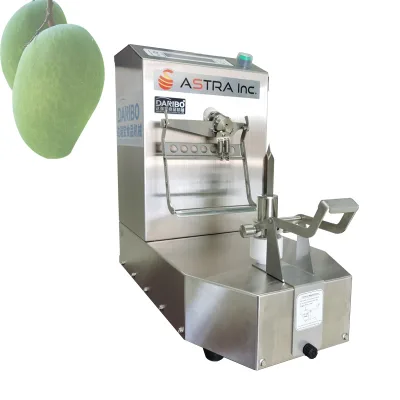
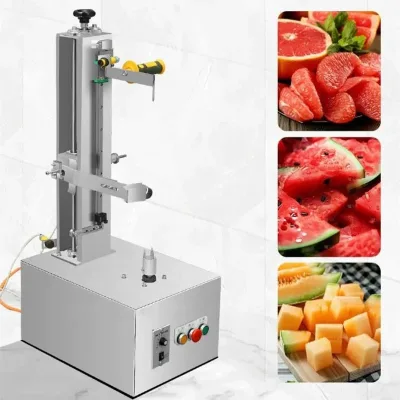
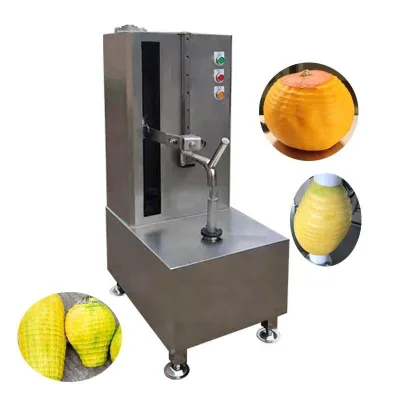
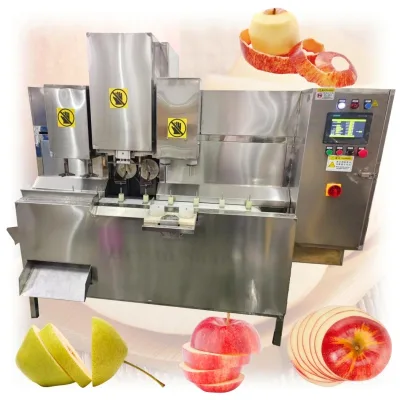
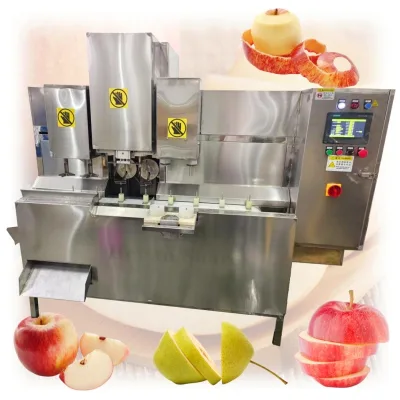
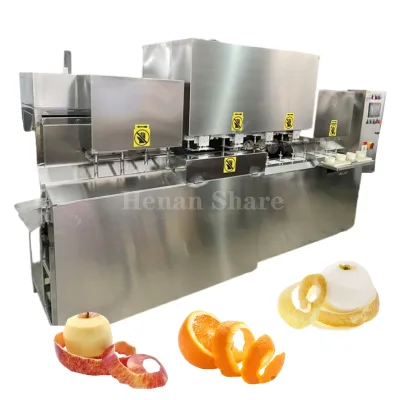
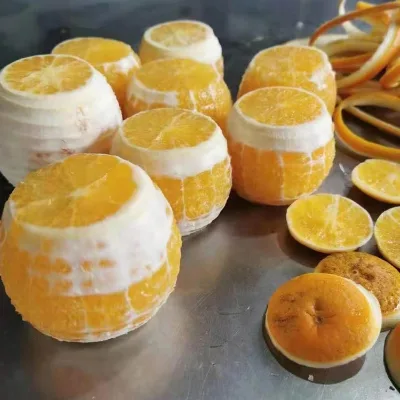
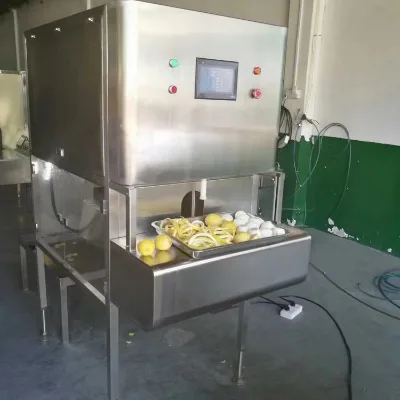
High Efficiency Orange Peeler Machine Automatic Industrial apple Peeler
$22176.9375 - $25873.0938
MOQ: 1 sets
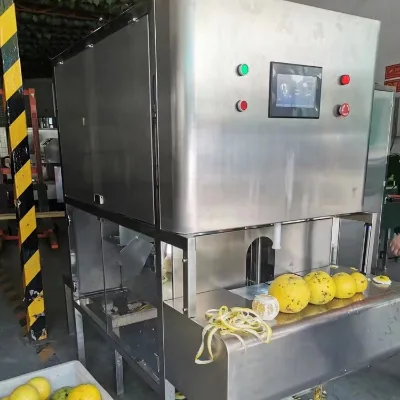
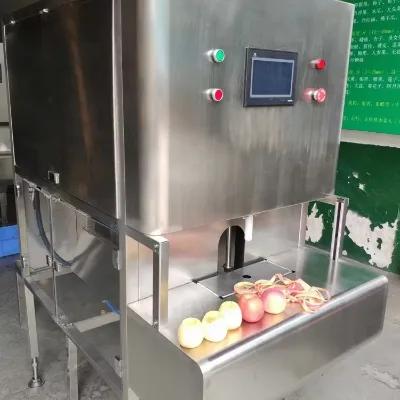
Good Quality Peeling Machine Peaches Automatic Peach Pitter and Peeler Machine
$22176.9375 - $25873.0938
MOQ: 1 sets
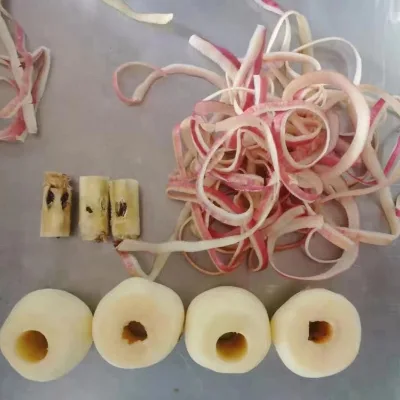
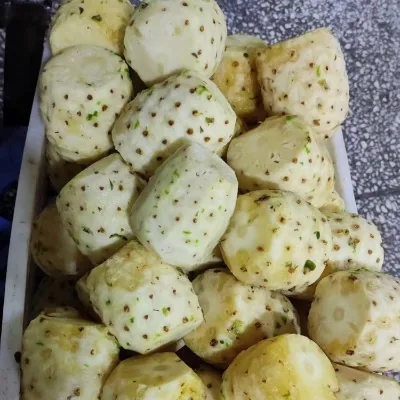


High-Efficiency Cantaloupe Peeler Fruit and Vegetable Peeling Machine
$1750.00 - $1800.00
MOQ: 1 Pieces


Comprehensive Sourcing Guide
Large Capacity Fruit Peeler Machine Sourcing Guide
Procuring a Large Capacity Fruit Peeler Machine requires a strategic approach to align high-volume processing needs with reliable mechanical performance. Buyers must prioritize equipment that balances throughput speed with consistent peel quality, ensuring that the machinery integrates seamlessly into existing production lines. The decision-making process involves evaluating technical specifications, operational efficiency, and long-term maintenance requirements to minimize downtime and maximize output.
This guide provides evidence-based insights for sourcing these machines, focusing on verified product attributes and observable market signals. By understanding the core technical parameters and commercial terms, procurement teams can make informed decisions that reduce risk and enhance operational reliability. The following sections detail the critical factors to consider when selecting a supplier and specifying machine requirements for large-scale fruit processing operations.
Product Scope and Observed Listing Signals
The market for large capacity fruit peelers features a diverse range of models, with observed prices spanning from $35 to $26,900 USD. This wide variance reflects differences in automation levels, material construction, and processing capacity. Buyers should note that the minimum order quantity (MOQ) typically ranges from 1 to 2 units, indicating that suppliers often accommodate single-unit purchases for pilot testing or small-scale deployment. Understanding this price spectrum helps in budgeting for both entry-level and high-end industrial solutions.
Product listings frequently highlight key attributes such as high efficiency, simple operation, and customization availability. Common materials include 304 stainless steel and food-grade stainless steel, which are essential for hygiene and durability in food processing environments. Observed capacities vary significantly, from 100-120 pieces per hour to over 3,600 pieces per hour, allowing buyers to select machines that match their specific throughput requirements. These signals provide a baseline for evaluating the suitability of different models for large-scale operations.
Technical Specifications to Verify
When evaluating technical specifications, buyers must verify voltage and power requirements to ensure compatibility with their facility’s electrical infrastructure. Observed data indicates voltages of 220V and 380V, with power ratings ranging from 0.75KW to 1.1KW. Additionally, frequency specifications of 50Hz are common, which is critical for regions with specific grid standards. Confirming these electrical parameters prevents installation issues and ensures optimal machine performance during continuous operation.
Capacity and physical dimensions are also critical verification points. Listings show capacities ranging from 300kg/h to 3,600pcs/h, with machine dimensions varying from 7505001260mm to 31009001400mm. Buyers should also check air consumption and pressure requirements, such as 2.0m³/min at 0.8Mpa, for pneumatic models. Verifying these specifications against actual production needs ensures that the selected machine can handle the desired volume without bottlenecks or excessive resource consumption.
Compliance and Safety Documentation
Compliance and safety documentation are paramount for ensuring that the fruit peeler machine meets international and local regulatory standards. Buyers should request certificates of conformity, such as CE certification, to verify that the equipment adheres to European safety and environmental directives. This documentation is essential for importing machinery into regulated markets and ensures that the machine has undergone rigorous testing for electrical safety and mechanical integrity.
In addition to certifications, buyers must verify that the machine’s construction materials meet food safety standards. The use of food-grade stainless steel is a key indicator of compliance with hygiene regulations. Suppliers should provide material certificates and test reports to confirm that the stainless steel used is free from harmful contaminants and suitable for direct contact with food products. This verification process helps mitigate health risks and ensures that the final processed fruit meets quality and safety expectations.
Cost Drivers and Commercial Terms
Several factors drive the cost of large capacity fruit peeler machines, including material quality, automation level, and processing capacity. Machines constructed with high-grade stainless steel and featuring advanced automation typically command higher prices due to their durability and efficiency. Buyers should also consider the cost of customization, as many suppliers offer tailored solutions to meet specific production requirements. Understanding these cost drivers helps in negotiating fair prices and avoiding hidden expenses.
Commercial terms such as packaging, shipping, and lead times also impact the total cost of ownership. Observed packaging options include standard export wooden boxes and fumigation-free wooden cases, which protect the machine during transit. Buyers should clarify shipping responsibilities and insurance coverage to avoid unexpected logistics costs. Additionally, verifying lead times and payment terms ensures that the procurement process aligns with production schedules and financial planning, reducing the risk of delays or cash flow issues.
Supplier Qualification and Quality Control
Supplier qualification is a critical step in ensuring the reliability and quality of the fruit peeler machine. Buyers should verify the supplier’s manufacturing capabilities, including their production facilities and quality control processes. Suppliers located in regions like Henan, China, often have established supply chains and expertise in machinery manufacturing. Requesting factory audits or third-party inspection reports can provide valuable insights into the supplier’s operational standards and commitment to quality.
Quality control measures should include pre-shipment inspections and performance testing to ensure that the machine meets specified technical parameters. Buyers should request detailed inspection reports that cover electrical safety, mechanical functionality, and peel quality consistency. Establishing clear quality acceptance criteria in the purchase agreement helps in resolving disputes and ensures that the delivered machine performs as expected. This proactive approach to quality control minimizes the risk of receiving defective or substandard equipment.
Long-Term Procurement Checks
Long-term procurement checks involve monitoring the machine’s performance and maintenance requirements to ensure sustained operational efficiency. Buyers should establish a preventive maintenance schedule based on the manufacturer’s recommendations to minimize downtime and extend the machine’s lifespan. Regular inspections of critical components, such as motors, blades, and pneumatic systems, help in identifying potential issues before they lead to costly repairs or production halts.
Additionally, buyers should maintain open communication with the supplier for ongoing technical support and spare parts availability. Ensuring a steady supply of replacement parts is crucial for maintaining continuous operation, especially for high-capacity machines. Evaluating the supplier’s responsiveness and service quality over time helps in building a reliable partnership that supports long-term procurement goals. This strategic approach to supplier management enhances operational resilience and reduces total cost of ownership.
FAQs
What is the capacity range for large capacity fruit peeler machines?
Large capacity fruit peeler machines typically offer capacities ranging from 100 to 3600 pieces per hour. Specific models provide outputs such as 500 pieces per hour or 300 kilograms per hour. Higher-end units can achieve up to 3600 pieces per hour, allowing buyers to select equipment that matches their specific production volume requirements efficiently.
Can large capacity fruit peeler machines be customized for specific needs?
Yes, customization is available for these machines to suit various operational requirements. Buyers can request specific peel thicknesses ranging from 1.5 to 10 millimeters. Additionally, cutting thickness can be adjusted to be greater than 5 millimeters according to user specifications, ensuring the equipment aligns precisely with the desired fruit processing standards.
What materials are used in constructing large capacity fruit peeler machines?
These machines are primarily constructed using food-grade stainless steel, specifically 304 stainless steel. This material ensures durability and compliance with food safety standards. The use of high-quality stainless steel components helps maintain hygiene during the peeling process and extends the overall lifespan of the machinery in industrial environments.
What are the power and voltage specifications for these machines?
Power consumption varies by model, with options including 0.75KW and 1.1KW motors. Voltage specifications support both 220V and 380V electrical systems, accommodating different industrial power infrastructures. The frequency is typically 50Hz. These specifications ensure compatibility with various global power standards while maintaining efficient operation during continuous fruit peeling tasks.
How are large capacity fruit peeler machines packaged for shipping?
Machines are packaged in standard export wooden boxes or fumigation-free wooden cases. This packaging method protects the equipment during international transit. The dimensions vary by model, with some units measuring approximately 1500 by 750 by 750 millimeters. Secure wooden packaging ensures the machinery arrives in optimal condition, ready for immediate installation and operation.
Which fruits are suitable for processing with these peeling machines?
These machines are suitable for processing various citrus fruits, including oranges and lemons. The design accommodates specific fruit sizes and shapes to ensure effective peeling. Operators can adjust settings to handle different fruit types efficiently. This versatility makes the equipment ideal for processing facilities that handle multiple varieties of citrus produce in their daily operations.