Source Mini Electric Convection Oven for Bakery, Catering, and Commercial Kitchens
Explore 30 listings for the Mini Electric Convection Oven suitable for bakery, commercial catering, and small-scale production. Compare specifications like power, dimensions, and capacity to find the right equipment for your needs; compare the available evidence and request quotations based on your requirements.
Updated
Key considerations
Products List


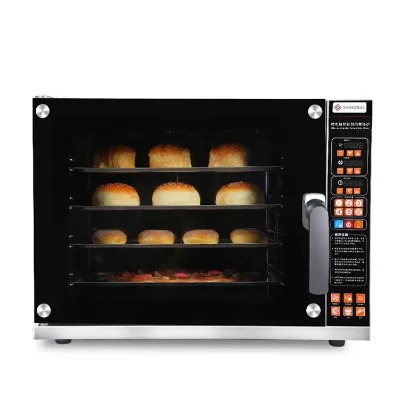
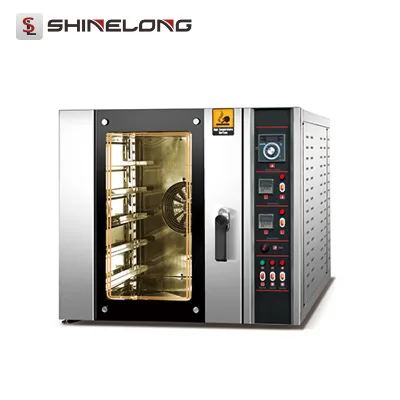
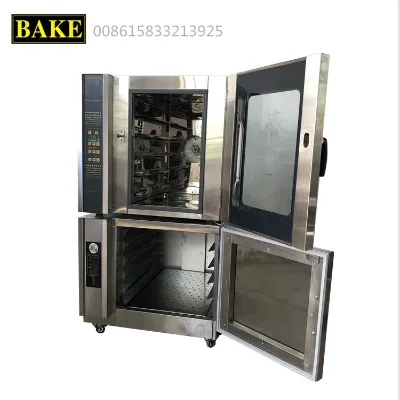
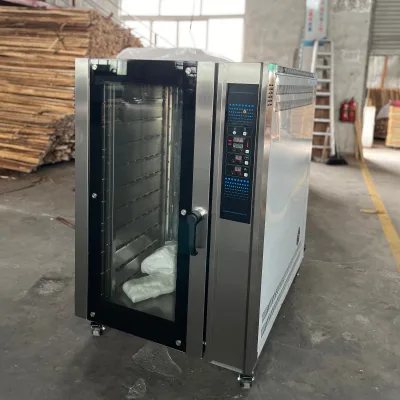
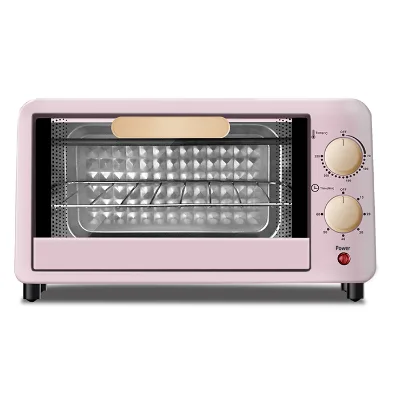
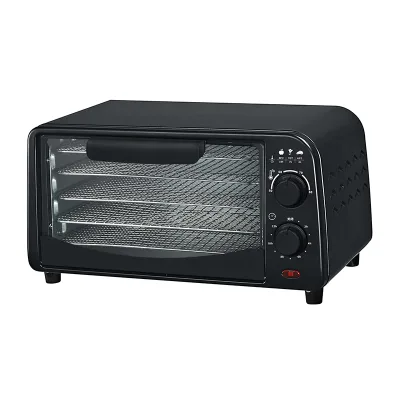
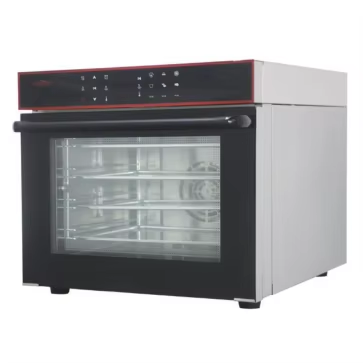
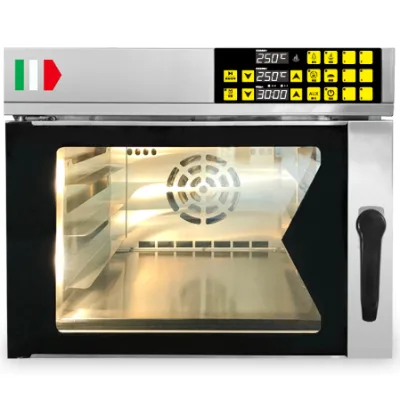
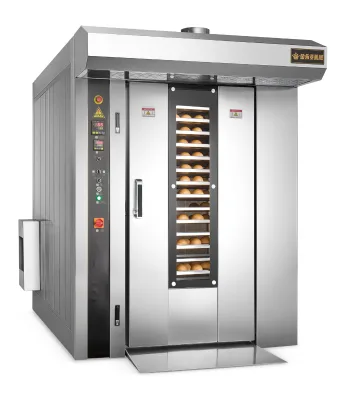


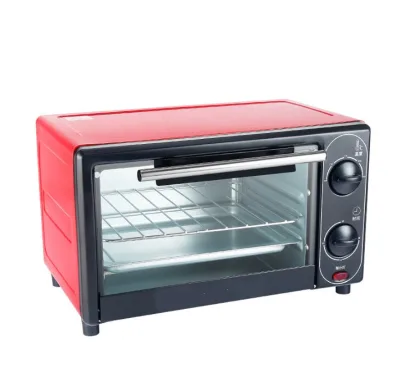
Countertop Energy-Saving Built-in Intelligent and Small Fast Convection Oven
$3900.00 - $8500.00
MOQ: 1 Pieces
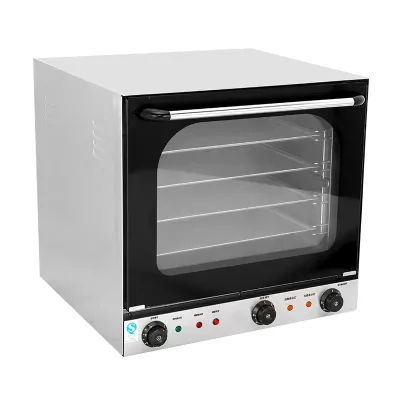
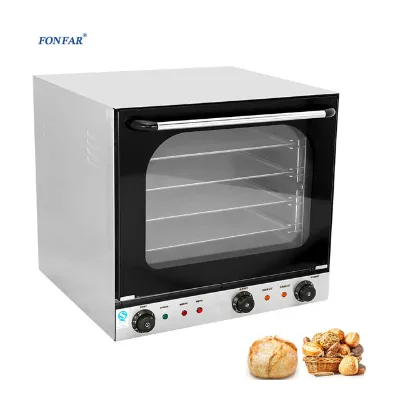


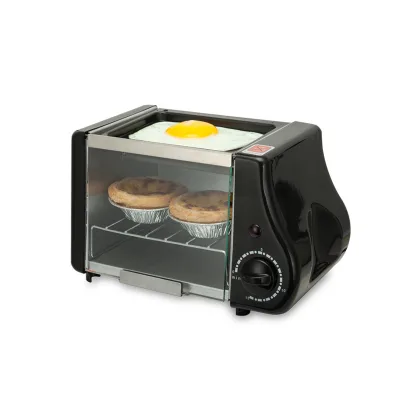

Comprehensive Sourcing Guide
Mini Electric Convection Oven Sourcing Guide
Procuring a Mini Electric Convection Oven requires careful attention to electrical compatibility and physical footprint, as these units are often deployed in compact commercial environments or specialized retail settings. Buyers must first confirm that the supplied voltage aligns with local infrastructure, noting that observed listings frequently specify 220V or 220-240V/50Hz configurations. This electrical variance is critical for preventing equipment damage and ensuring operational safety upon installation in regions with differing power standards.
The power consumption profiles vary significantly across available models, ranging from lower-wattage units around 2.85kW to higher-capacity options reaching 16kW or 4.5kW. Sourcing teams should match the power rating to the intended throughput requirements, as higher wattage directly correlates with faster heat-up times and greater baking capacity. Understanding these electrical demands helps in planning kitchen infrastructure, including circuit breaker sizing and energy cost projections, ensuring the selected oven integrates seamlessly into existing utility systems without overloading the grid.
Product Scope and Observed Listing Signals
The current market for mini electric convection ovens presents a diverse array of specifications, with observed prices ranging from approximately $7.3 to $8,500 USD. This wide variance reflects differences in build quality, brand reputation, and technical capabilities, such as the presence of timing devices or advanced convection systems. Buyers should interpret this range as an indicator of the broad spectrum of options available, from basic entry-level units to robust, multi-functional commercial appliances designed for high-volume production environments.
Minimum order quantities (MOQ) also fluctuate, typically spanning from single units to batches of 1,000 pieces, allowing flexibility for both small businesses and large distributors. Many suppliers offer customization options, enabling buyers to tailor specific features to their operational needs, while others provide non-customized standard models. The observed supply ability of around 500 pieces per month for convection ovens suggests that lead times may vary, requiring early engagement with suppliers to secure inventory for time-sensitive projects or seasonal demand spikes.
Technical Specifications to Verify
Dimensional accuracy is paramount when sourcing mini ovens, as space constraints in commercial kitchens are often tight. Observed standard dimensions vary widely, with some units measuring 535430333mm and others reaching 1300x1620x2170mm, while working sizes like 460370350mm define the actual baking area. Buyers must verify these measurements against their available floor space and ensure that the single package dimensions, such as 50X40X40 cm, fit within delivery access points and elevator constraints to avoid logistical complications during installation.
Weight and capacity metrics are equally critical for structural planning and operational efficiency. Net weights observed range from 38kg to 200kg, influencing the need for specialized handling equipment or reinforced shelving. Capacity indicators, such as a 68L volume or support for four pans, help buyers estimate production output. Additionally, temperature ranges, typically spanning 50-350℃, must be verified to ensure the oven can handle the specific baking profiles required for the intended products, whether for delicate pastries or robust breads.
Compliance and Safety Documentation
Safety certifications are essential for ensuring that the electrical components and heating elements meet regional regulatory standards. Buyers should request documentation confirming compliance with local electrical safety codes, particularly given the variance in voltage specifications like 220V versus 220-240V/50Hz. Verifying that the machinery function aligns with commercial baking requirements ensures that the unit is designed for continuous use, reducing the risk of overheating or electrical faults during peak operational hours.
Warranty and after-sales support structures provide a safety net for long-term operational reliability. Most observed listings include a one-year warranty, with after-sales services such as online support and free spare parts availability. Buyers should clarify the scope of these services, including whether technical assistance is available in local languages or regions like Vietnam, Philippines, Thailand, and UAE. Understanding the warranty terms helps in assessing the total cost of ownership and ensures that maintenance issues can be resolved promptly without significant downtime.
Cost Drivers and Commercial Terms
Material composition significantly influences the price and durability of mini electric convection ovens. Stainless steel construction is a common feature, offering resistance to corrosion and ease of cleaning, which is vital for commercial hygiene standards. Buyers should verify the grade of stainless steel used, as higher grades provide better longevity and resistance to wear in high-traffic kitchen environments. The raw material inputs, such as flour processing compatibility, do not affect the oven itself but indicate the intended application scope for the equipment.
Packaging and logistics costs are additional factors that impact the final landed price. Products are typically shipped in carton boxes, with gross weights ranging from 60.0 kg to heavier industrial units. Buyers should consider the port of dispatch, often Guangzhou, and factor in shipping costs to their local service location. The selling unit structure, usually as a single item, simplifies procurement but requires careful calculation of freight volumes to optimize shipping efficiency and reduce per-unit transportation expenses.
Supplier Qualification and Quality Control
Supplier reliability is assessed through their stated supply ability and production capacity. With observed capabilities of 500 pieces per month for convection ovens, buyers should evaluate whether this volume meets their procurement timelines. It is advisable to request recent production records or client references to verify the supplier’s consistency in meeting delivery schedules. The condition of the products, listed as new, should be confirmed through pre-shipment inspections to ensure no manufacturing defects or shipping damage has occurred.
Quality control processes should include verification of key selling points, such as multifunctional capabilities, which add value by allowing diverse baking tasks. Buyers should request detailed product data sheets that confirm the accuracy of specifications like power output and temperature range. Engaging with suppliers who provide comprehensive technical documentation demonstrates a commitment to transparency and quality, reducing the risk of receiving equipment that does not perform as advertised in real-world commercial applications.
Long-Term Procurement Checks
After-sales service infrastructure is crucial for maintaining operational continuity in commercial baking environments. Buyers should verify the availability of spare parts and the responsiveness of online support channels, especially for units dispatched to regions like the UAE or Southeast Asia. Establishing a clear protocol for warranty claims ensures that any technical issues can be resolved quickly, minimizing production losses. Regular maintenance schedules should be developed in consultation with the supplier to extend the lifespan of the equipment and maintain optimal performance.
Strategic supplier relationships can be strengthened by monitoring supply chain stability and potential for future customization. As the market evolves, suppliers may introduce new models with improved energy efficiency or smart features. Buyers should stay informed about product updates and maintain open communication with suppliers to leverage new technologies. By focusing on long-term partnership rather than one-off transactions, organizations can secure better pricing, priority support, and access to innovative solutions that enhance their baking operations.
FAQs
How is the Mini Electric Convection Oven powered and connected?
The Mini Electric Convection Oven runs on electric power at 220V, with some models rated 220-240V/50Hz. Before ordering, confirm that your site's electrical supply matches the voltage and frequency on the specification sheet. A dedicated circuit is recommended for higher-wattage units, and installation should be handled by a qualified electrician to ensure safe, stable operation in a commercial kitchen or bakery.
What temperature range does the Mini Electric Convection Oven support?
The temperature range is 50-350℃, which covers proofing, baking, roasting, and browning tasks in one chamber. The lower end suits gentle drying or proofing work, while the upper end handles bread crusts and pastries. A built-in timing device lets you set baking durations, so batches can be managed consistently during busy commercial catering or bakery service periods.
Which materials are used in the Mini Electric Convection Oven construction?
The oven body is made of stainless steel, a common choice for commercial kitchen equipment because it resists corrosion and is easy to wipe clean. Stainless surfaces handle frequent daily use in bakeries and catering operations. When comparing models, check the stated material on the specification sheet, since finish quality and panel thickness can vary between listed units.
Can the Mini Electric Convection Oven handle commercial bakery production?
Yes, listed models are positioned for commercial catering and bakery applications, with pan sizes such as 318*440mm across 4 pans and capacities around 68L. Output products include baked goods made from flour-based raw material. Assess your daily batch volume against the stated pan count and chamber size, and request the full specification before committing to a supplier order.
What warranty and after-sales support are available for the oven?
Listed products carry a 1-year warranty, with after-warranty service described as online support and free spare parts. This means troubleshooting guidance continues after the warranty period, and replacement parts may be supplied at no charge under the stated terms. Confirm the exact spare-parts scope and response process with the vendor before purchase, since service details can differ between listings.
How are the ovens packed and shipped from China?
Products originate from China, with some listings specifying Guangdong as the place of origin and Guangzhou as the port of dispatch. Packing is in carton boxes, and single gross weight can reach around 60 kg depending on the model. Local service locations listed include Viet Nam, Philippines, Thailand, and UAE, so buyers in those regions should ask about nearby support options when ordering.