Source Portable Shoe Shaped Waffle Maker for Home, Cafe, and Events
Compare 30 Portable Shoe Shaped Waffle Maker options from verified suppliers. Buyers can evaluate features like adjustable thermostats, non-stick surfaces, and power ratings to find the best unit for household or commercial baking needs; compare the available evidence and request quotations based on your requirements.
Updated
Key considerations
Products List
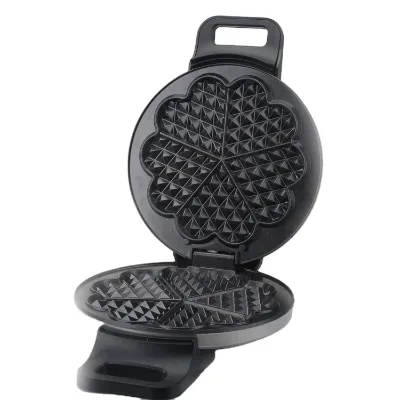
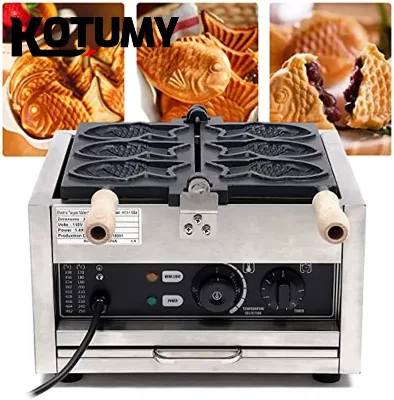
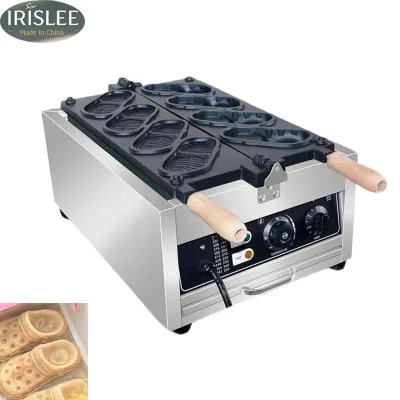
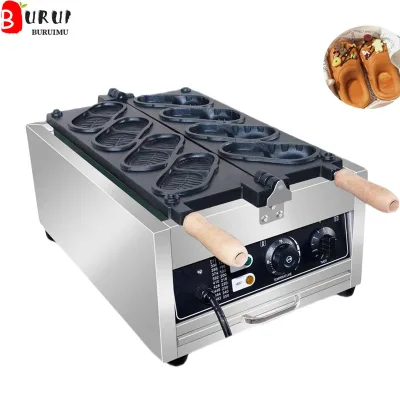


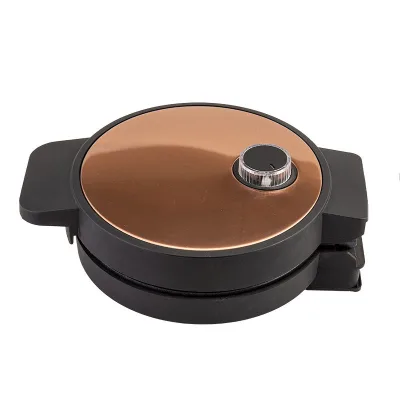
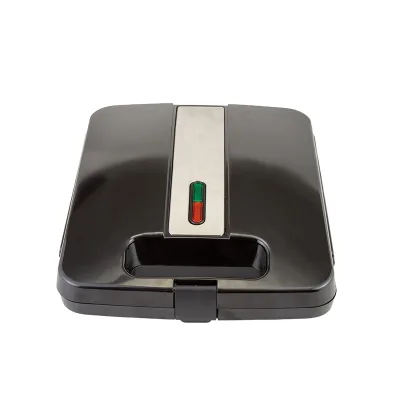


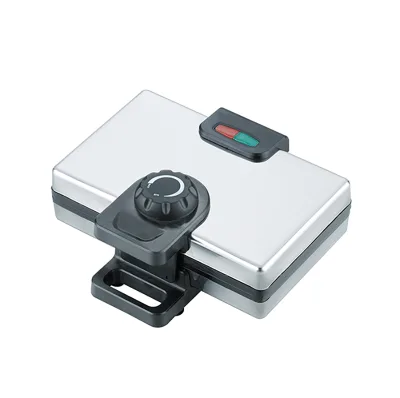
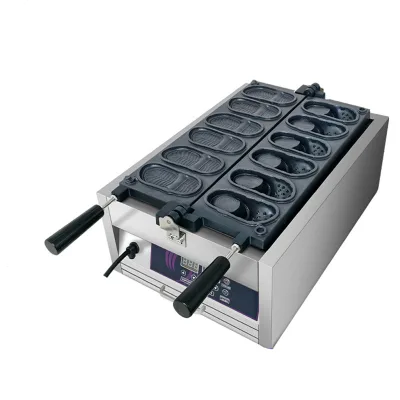
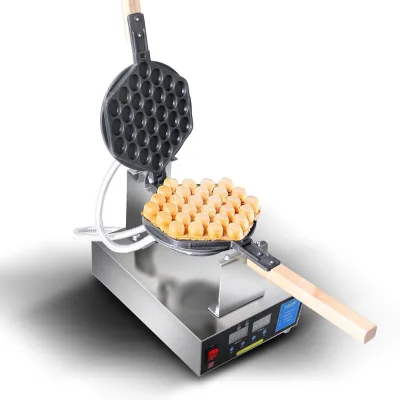
Custom Mold Shape Waffle Maker Nonstick Electric Stuffed Waffle Pancake Shoe Shape Waffle Maker
$284.2599 - $314.9354
MOQ: 1 sets
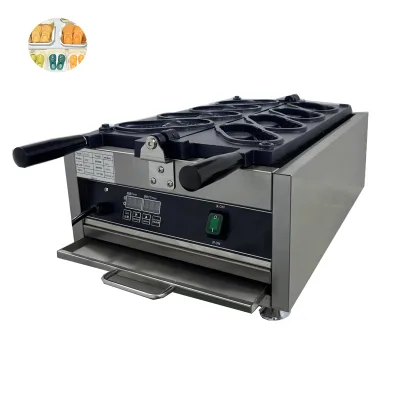
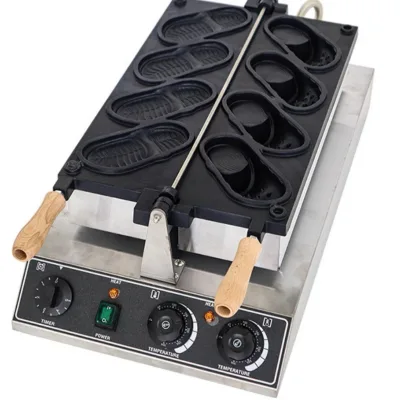
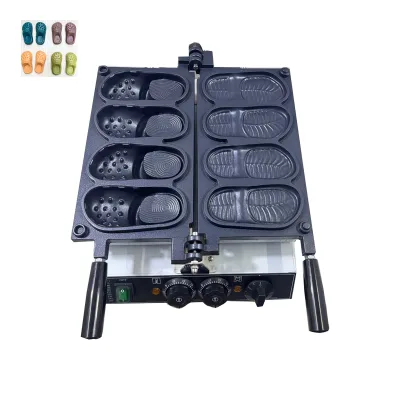
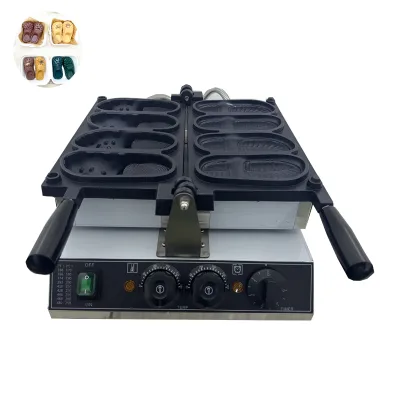
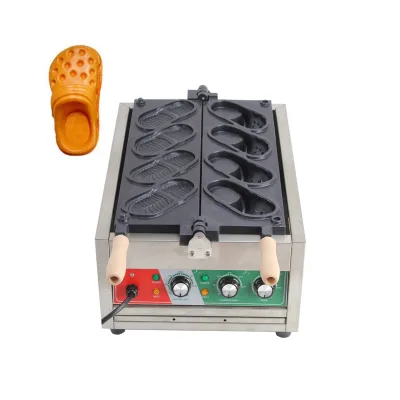
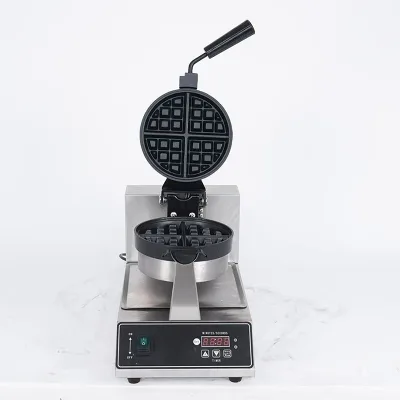


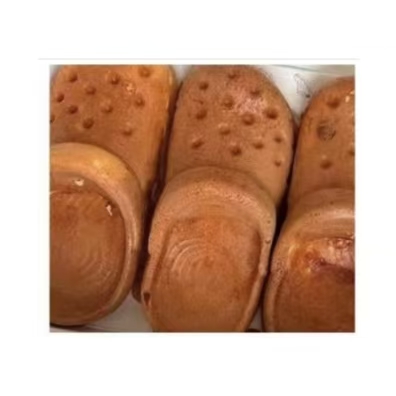
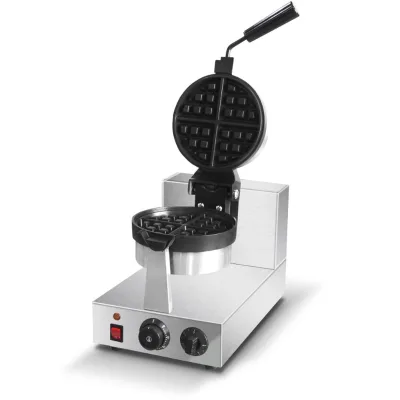
Comprehensive Sourcing Guide
Portable Shoe Shaped Waffle Maker Sourcing Guide
Sourcing specialized novelty kitchen appliances requires a careful balance between aesthetic appeal and functional reliability. Buyers must distinguish between standard household units and commercial-grade equipment, as the latter often demands higher durability and stricter safety certifications. The market offers a wide variety of designs, from traditional round shapes to unique novelty forms, necessitating a clear definition of product requirements before engaging with suppliers. Understanding the specific manufacturing capabilities of potential partners is essential to ensure that the final product meets both brand expectations and regulatory standards in the target market.
Procurement teams should prioritize suppliers who demonstrate transparency in their production processes and quality control measures. It is crucial to verify that the manufacturer has experience with custom molds and unique shapes, as these require specialized tooling and precise engineering. Buyers should also consider the after-sales support structure, including warranty terms and the availability of spare parts, to mitigate long-term operational risks. Establishing a clear communication channel with the supplier early in the negotiation process helps align expectations regarding design iterations, material selections, and delivery schedules, ensuring a smoother procurement journey.
Product Scope and Observed Listing Signals
The current market landscape for portable waffle makers includes a diverse range of products, from basic household units to more complex commercial appliances. Observed listings indicate a price range between $7.15 and $314.94 USD, reflecting significant variations in material quality, power output, and feature sets. Minimum order quantities (MOQs) vary widely, starting from just one unit for sample orders up to 2,000 units for bulk production, allowing buyers to scale their procurement strategy according to demand forecasts. This flexibility is particularly useful for testing market response before committing to large-scale inventory investments.
Product attributes observed in the market include mechanical and touch control types, with power ratings typically ranging from 800W to 1000W, and some commercial models reaching up to 2kW. Materials commonly cited include ceramic and stainless steel, with non-stick cooking surfaces being a standard feature for ease of cleaning and food release. Many suppliers offer customizable options, such as private molds and customer-designed logos, which are critical for branding purposes. Additionally, features like adjustable thermostats, cool-touch exteriors, and built-in cord wraps enhance user safety and convenience, making these products more attractive to end consumers.
Technical Specifications to Verify
When evaluating technical specifications, buyers must confirm the voltage compatibility of the waffle maker to ensure it matches the electrical standards of the target market. Common voltages observed include 220V and 230V, with EU plug types being prevalent in European markets. It is essential to verify the power source, which is typically electric, and to check for automatic functions that may simplify operation. The control type, whether mechanical or touch, should align with user preferences and ease of use requirements. Additionally, the presence of interchangeable plates, such as sandwich plates, can add versatility to the product, appealing to a broader customer base.
Dimensional specifications and weight are critical for logistics planning and storage efficiency. Observed single package sizes range from approximately 32x16x33 cm to larger dimensions like 375x535x255 mm, with single gross weights varying from 6.6 kg to 15 kg. Buyers should also verify the energy efficiency rating, with Class A being a notable standard for energy-saving models. The material composition, such as stainless steel or ceramic, impacts durability and heat distribution, so it is important to request material certificates or test reports to confirm quality. Ensuring that the product meets specific dimensional and weight constraints helps optimize shipping costs and storage space.
Compliance and Safety Documentation
Compliance with regional safety standards is non-negotiable for kitchen appliances sold in international markets. Buyers must ensure that the waffle maker holds relevant certifications, such as CE marking, which indicates conformity with health, safety, and environmental protection standards for products sold within the European Economic Area. It is advisable to request copies of these certificates and verify their validity with the issuing bodies. Additionally, suppliers may claim adherence to ISO9001 standards for quality management systems, which can provide assurance regarding the consistency and reliability of the manufacturing process.
Beyond certifications, buyers should inquire about specific safety features incorporated into the design, such as cool-touch exteriors and non-stick surfaces that prevent burns and facilitate easy cleaning. The warranty terms, typically ranging from one year, should be clearly defined in the purchase agreement, outlining the scope of coverage and the process for claiming repairs or replacements. Suppliers offering free spare parts can significantly reduce long-term maintenance costs and enhance customer satisfaction. It is also important to verify that the product meets any local electrical safety regulations, including grounding requirements and insulation standards, to prevent potential hazards.
Cost Drivers and Commercial Terms
Several factors influence the final cost of portable waffle makers, including the choice of materials, power output, and the complexity of the design. Models with stainless steel construction and higher power ratings, such as those exceeding 1000W, tend to be more expensive due to increased material and energy costs. Customization options, such as private molds and custom logos, also add to the production cost, as they require additional tooling and setup time. Buyers should negotiate these costs carefully, considering the volume of the order and the potential for long-term partnerships to secure better pricing.
Commercial terms, including payment methods, shipping arrangements, and lead times, play a crucial role in the overall procurement strategy. Suppliers may offer various payment terms, such as deposits and balance payments upon shipment, which should be aligned with the buyer’s cash flow requirements. Lead times can vary based on the complexity of the order and the supplier’s production capacity, so it is important to establish clear delivery schedules and penalties for delays. Additionally, buyers should consider the total landed cost, including shipping, insurance, and customs duties, to accurately assess the profitability of the product in the target market.
Supplier Qualification and Quality Control
Selecting a reliable supplier involves a thorough evaluation of their manufacturing capabilities, quality control processes, and track record. Buyers should request information about the supplier’s production facilities, including the types of machinery used and the experience of the workforce. It is beneficial to visit the factory or hire a third-party inspection service to verify the supplier’s claims and assess their operational efficiency. Suppliers with a history of producing high-quality products and meeting delivery deadlines are more likely to provide a satisfactory procurement experience.
Quality control measures should be clearly defined and agreed upon before production begins. This includes specifying inspection points, such as raw material checks, in-process inspections, and final product testing. Buyers should also establish acceptance criteria for defects and determine the process for handling non-conforming products. Suppliers who offer comprehensive quality assurance documentation, including test reports and inspection certificates, provide an additional layer of security. Regular communication and feedback loops with the supplier can help identify and resolve issues early, ensuring that the final product meets the buyer’s expectations.
Long-Term Procurement Checks
Establishing a long-term procurement strategy requires ongoing monitoring of supplier performance and market trends. Buyers should regularly review supplier metrics, such as on-time delivery rates, product quality, and responsiveness to issues, to ensure continued satisfaction. It is also important to stay informed about changes in regulatory requirements and market demands, which may necessitate adjustments to product specifications or sourcing strategies. Building a strong relationship with the supplier can lead to better pricing, priority production, and collaborative innovation, providing a competitive advantage in the market.
Continuous improvement initiatives should be encouraged, with both parties working together to enhance product quality and efficiency. Buyers can provide feedback on customer experiences and market trends to help the supplier refine their offerings. Additionally, exploring opportunities for product diversification, such as introducing new shapes or features, can help maintain customer interest and drive sales. Regular audits and performance reviews can help identify areas for improvement and ensure that the procurement process remains aligned with the buyer’s strategic goals. By maintaining a proactive approach, buyers can mitigate risks and capitalize on emerging opportunities in the waffle maker market.
FAQs
What power rating do these waffle makers have?
The devices typically operate at 800W or within the 800-1000W range. This power level ensures efficient heating for baking waffles and cakes. The electric power source supports consistent performance for both household and commercial applications. Users can rely on this energy consumption for standard kitchen electrical circuits without overloading.
Can I get custom branding on the unit?
Yes, private mold customization is available for these units. Buyers can request customer-designed logos to be applied to the appliance. This service allows businesses to brand the waffle maker for retail distribution. The option supports distinct visual identity requirements for different market segments and promotional campaigns.
What certifications ensure product safety?
The products hold CE certification, indicating compliance with European health, safety, and environmental protection standards. This certification is crucial for selling in regulated markets. Buyers should verify specific documentation for their target region. The certification confirms the electrical components meet essential safety requirements for consumer use.
What is the typical warranty period?
A one-year warranty is provided for these waffle makers. This coverage protects against manufacturing defects and ensures product reliability. The warranty period offers peace of mind for both retailers and end-users. Buyers should retain purchase records to validate warranty claims during the specified twelve-month duration.
Are spare parts available for maintenance?
Free spare parts are provided as part of the after-sales service. This support helps maintain the appliance over its lifespan. Buyers can request necessary components to repair or replace worn parts. The availability of spare parts reduces long-term ownership costs and extends the functional life of the equipment.
What voltage compatibility do these units support?
The appliances are designed for 220V or 230V electrical systems. This voltage range is standard in many international markets. Buyers must ensure their local power supply matches these specifications. Using the correct voltage prevents damage to the internal heating elements and ensures safe operation.