Source Small Animal Mouse Trap for homes, warehouses, and farms
Compare 30 Small Animal Mouse Trap options including snap and live catch models for homes, warehouses, and farms. View specifications, materials, and pricing to find the right solution for your pest control needs; compare the available evidence and request quotations based on your requirements.
Updated
Key considerations
Products List


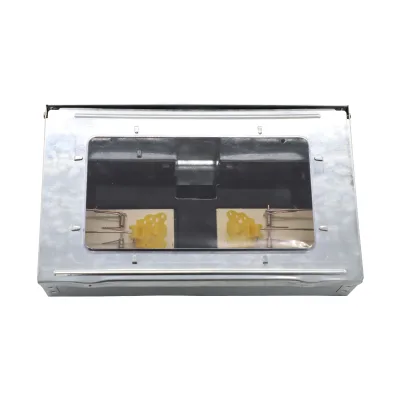
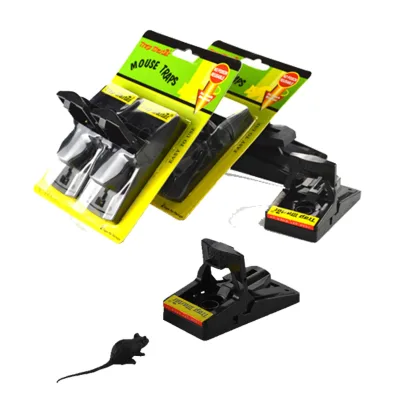
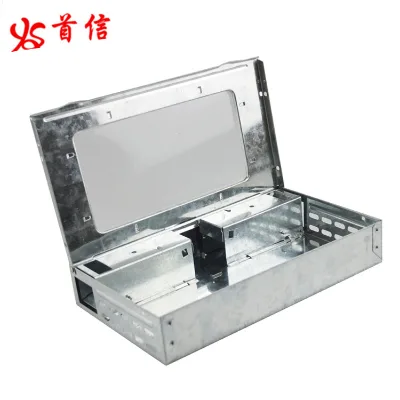
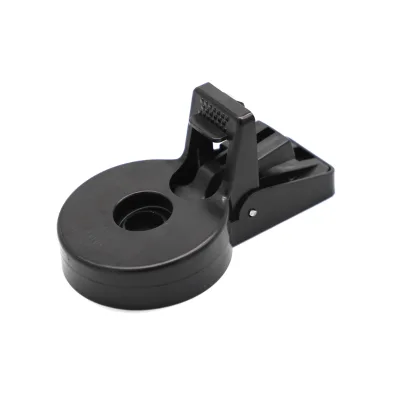
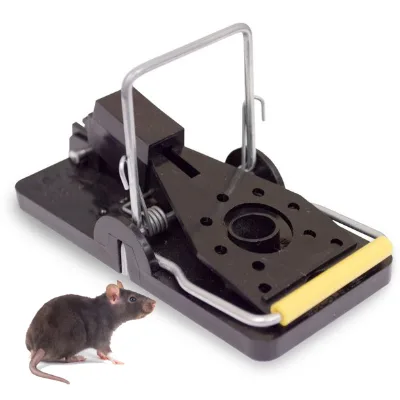
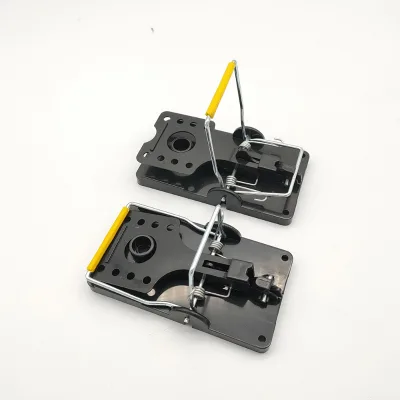
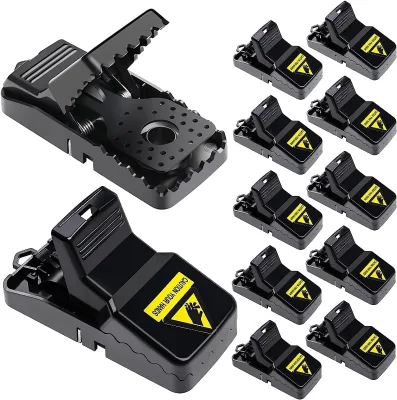
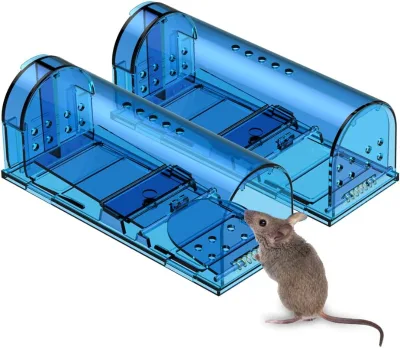

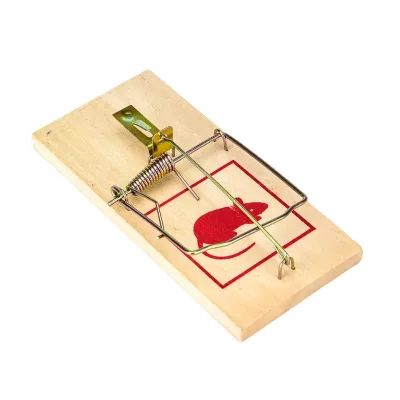
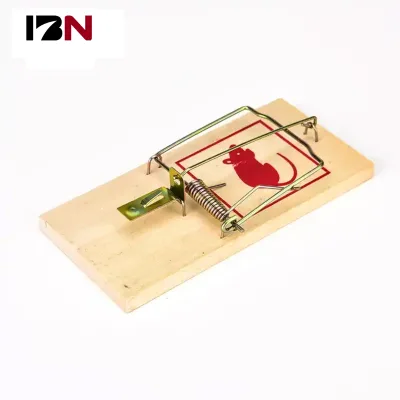
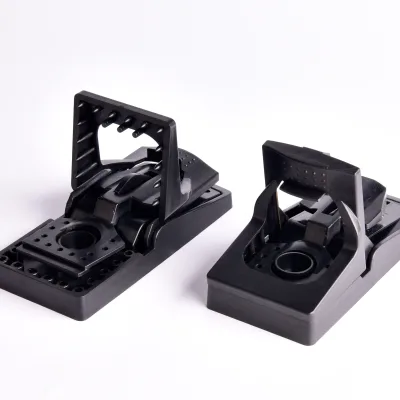
Quick Catch Wooden Mouse Killer Rat Trap Solid ABS Pest Control Rodent Trap
$0.32 - $1.05
MOQ: 500 pieces
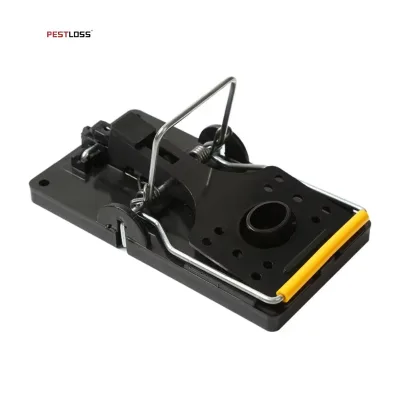
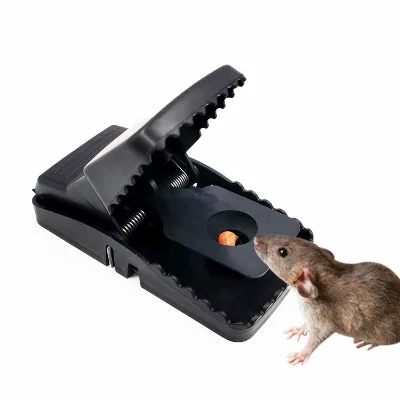
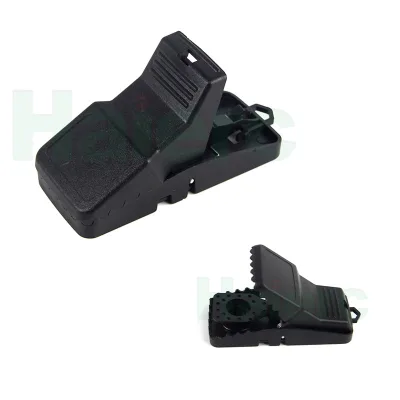
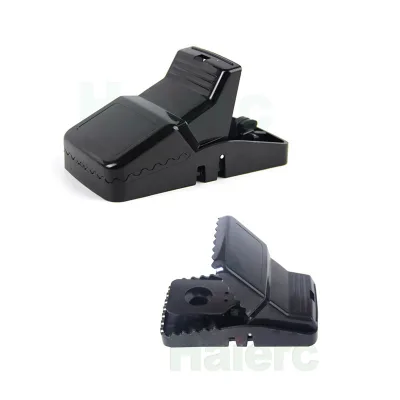
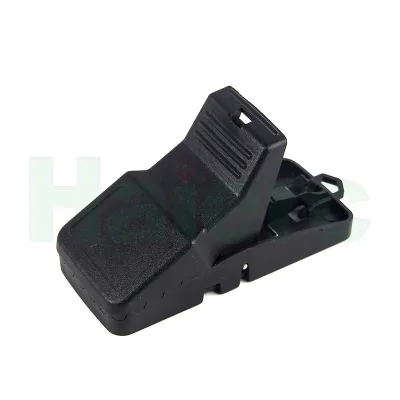
Strong Spring Snap Trap Pest Control Mouse Rat Rodent Trap for Indoor and Outdoor
$0.4632 - $0.8125
MOQ: 100 pieces


Comprehensive Sourcing Guide
Small Animal Mouse Trap Sourcing Guide
Procuring small animal mouse traps requires a clear understanding of the diverse mechanisms available in the global market, ranging from traditional snap traps to modern live catch solutions. Buyers must first define their specific operational needs, such as whether the target is indoor residential use or outdoor industrial rodent control. The supplied data indicates that products are designed for both indoor and outdoor environments, ensuring versatility across different pest management scenarios. This dual-location capability is a critical factor for distributors supplying hardware stores, agricultural suppliers, and facility management companies that require a unified inventory solution.
The product landscape includes various trap types, primarily snap traps and live catch traps, each serving distinct customer preferences and ethical considerations. Snap traps are often favored for their immediate effectiveness and lower cost, while live catch traps appeal to users seeking humane disposal methods. Understanding these distinctions allows procurement teams to curate a balanced product mix that meets varied end-user demands. Additionally, the physical form of these traps is typically solid, constructed from durable materials like ABS plastic and metal, which ensures longevity and reliability during repeated use in high-traffic pest control areas.
Product Scope and Observed Listing Signals
The observed market signals reveal a wide range of product models, including M611, M701, R802, M610, and SX-5003CLPRO, each with specific dimensional standards. For instance, the M611 model measures 11.45.25.5CM, while the R802 live catch trap is larger at 16.5x4.2x4.2cm, indicating that size varies significantly based on the target pest, such as mice versus rats. Buyers should verify these exact dimensions against their storage and display requirements, as packaging formats differ, with some products packed in cartons and others in individual boxes. This variation impacts logistics planning and shelf-space optimization for retail partners.
Pricing and minimum order quantities (MOQ) present another layer of complexity in sourcing decisions. The observed price range spans from $0.1 to $7.5 USD, reflecting differences in material quality, mechanism complexity, and branding. MOQs vary widely, from as low as 10 units for trial orders to 10,000 units for bulk industrial contracts, with some specific listings citing an MOQ of 2004 pieces. Procurement specialists must align their order volumes with these thresholds to secure favorable pricing tiers while avoiding excess inventory. The presence of customization options further allows buyers to tailor products for specific regional markets or private label requirements, enhancing brand differentiation.
Technical Specifications to Verify
Material composition is a primary technical specification that directly influences trap durability and safety. Common materials include ABS plastic combined with metal components, as well as galvanized steel, which offers enhanced resistance to corrosion and rust, particularly for outdoor applications. Buyers should verify the thickness and quality of the metal springs and triggers, as these are the most stress-prone parts of the mechanism. The rechargeable status of these traps is consistently non-rechargeable, relying on mechanical tension rather than electronic power sources, which simplifies maintenance and reduces the risk of battery-related failures in the field.
Dimensional accuracy and packaging specifications are equally critical for quality assurance. Single package sizes, such as 26X15.5X4.5 cm for certain models, must be cross-referenced with shipping container capacities to optimize freight costs. The gross weight of individual units, observed at approximately 0.565 kg, affects handling logistics and shipping calculations. Additionally, the specification of 11-19 pieces per batch or carton requires precise verification to ensure that the received goods match the ordered quantity. Buyers should request detailed technical drawings or physical samples to confirm that the physical form and structural integrity meet their operational standards before finalizing large orders.
Compliance and Safety Documentation
Safety documentation is paramount when sourcing traps designed for animal control, as improper design can lead to injury to non-target animals or humans. Buyers must ensure that suppliers provide evidence of compliance with relevant mechanical safety standards, particularly regarding the triggering mechanism and the enclosure of sharp components. While specific certification names are not provided in the current data, it is essential to verify that the traps meet local regulations for humane treatment of pests, especially for live catch models. This includes checking for smooth edges and reliable closure mechanisms that prevent escape or undue stress to the captured animal.
Environmental compliance is another key area requiring attention, given the eco-friendly features highlighted in many product listings. Buyers should request documentation confirming that materials like ABS and galvanized steel are free from hazardous substances such as lead or mercury, ensuring safe disposal or recycling. The disposable nature of some traps necessitates clear instructions on proper waste management to prevent environmental contamination. Additionally, verifying that the manufacturing process adheres to environmental management standards can enhance the product’s marketability in regions with strict sustainability regulations, providing a competitive advantage in green procurement initiatives.
Cost Drivers and Commercial Terms
Several factors drive the cost structure of small animal mouse traps, including material selection, manufacturing complexity, and packaging requirements. The use of galvanized steel and high-grade ABS plastic increases material costs but enhances product lifespan, offering better value over time. Customization options, such as private labeling or unique packaging designs, add to the unit price but can significantly boost brand recognition and retail appeal. Buyers should analyze the total cost of ownership, considering not just the unit price but also the durability and effectiveness of the trap, which can reduce repeat purchases and customer complaints.
Commercial terms, including payment conditions and lead times, play a crucial role in the procurement strategy. While specific lead times are not detailed, the wide range of MOQs suggests that suppliers may offer flexible production schedules for smaller orders. Buyers should negotiate clear terms regarding quality guarantees and return policies for defective units, ensuring that any manufacturing flaws are addressed promptly. Additionally, understanding the packing configuration, such as 12 pieces per carton, helps in calculating the landed cost accurately, including freight and handling fees. Establishing a strong relationship with suppliers can lead to better pricing and more favorable payment terms over time.
Supplier Qualification and Quality Control
Supplier qualification begins with verifying the place of origin and manufacturing capabilities, with Guangdong and Wenzhou identified as key production hubs in China. Buyers should conduct on-site audits or request third-party inspection reports to assess the factory’s quality control processes, particularly for mechanical assembly and material testing. The brand name ShouXin appears in the data, indicating that established manufacturers may offer consistent quality and reliable supply chains. Evaluating the supplier’s track record in producing similar pest control products can provide insights into their expertise and reliability in meeting industry standards.
Quality control measures should include rigorous testing of trap mechanisms to ensure consistent performance and reliability. Buyers should request sample batches for testing under various conditions, such as different humidity levels and temperature ranges, to verify durability. The feature of being eco-friendly and stocked suggests that suppliers maintain adequate inventory levels, reducing lead times for urgent orders. Implementing a robust incoming quality control process, including random sampling and functional testing of received goods, helps maintain product standards and protects the buyer’s reputation in the market.
Long-Term Procurement Checks
Long-term procurement success depends on continuous monitoring of product performance and market feedback. Buyers should establish a system for collecting end-user feedback on trap effectiveness, ease of use, and durability to identify areas for improvement. Regularly reviewing product specifications and comparing them with emerging market trends ensures that the sourced traps remain competitive. The ability to customize products allows for adaptation to changing consumer preferences, such as increased demand for humane or eco-friendly solutions. Maintaining open communication with suppliers facilitates timely updates on new models or technological advancements in trap design.
Sustainability and regulatory changes also require ongoing attention in long-term sourcing strategies. Buyers should stay informed about evolving environmental regulations and animal welfare standards that may impact product design and disposal requirements. Periodic re-evaluation of supplier performance, including delivery reliability and quality consistency, helps maintain a resilient supply chain. By focusing on these long-term checks, procurement teams can ensure that their Small Animal Mouse Trap offerings remain relevant, compliant, and competitive in the dynamic pest control market, securing sustained business growth and customer satisfaction.
FAQs
How do I choose between snap traps and live catch mouse traps?
Snap traps kill mice quickly and are typically disposable, while live catch traps allow release without harming the animal. Your choice depends on whether humane capture is required in your market. Listings here include both snap trap models such as M611 and live catch options like M701, so buyers can select the mechanism matching local regulations and customer preferences.
What materials are commonly used for small animal mouse traps?
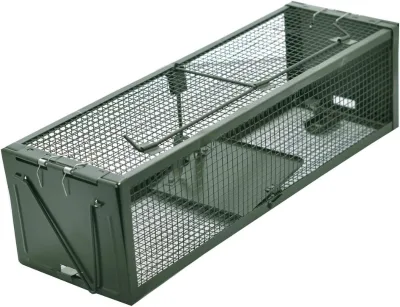
The most common materials are ABS plastic combined with metal, which provides a durable, easy-to-clean body, and galvanized steel, which resists corrosion for repeated outdoor use. ABS and metal snap traps are usually lightweight and disposable, while galvanized steel constructions suit reusable cages and multi-catch designs. Material choice affects pricing, durability, and whether the trap is classified as eco-friendly or disposable.
Can these mouse traps be customized with my brand and packaging?
Yes, customization is available on many listed products, including branding and packaging adjustments. Suppliers typically accept carton or box packing configurations, and minimum order quantities vary by model. Buyers should confirm logo printing options, packaging format such as carton versus box, and any additional tooling cost directly with suppliers before ordering, since customization terms are negotiated per order rather than standardized.
What are typical sizes and models of mouse snap traps available?
Listed models include M611 at 11.4 by 5.2 by 5.5 centimeters, M701 at 10 by 4.5 by 2.6 centimeters, R802 at 16.5 by 4.2 by 4.2 centimeters, and M610 at 11.2 by 4.8 by 5.6 centimeters. Larger galvanized steel options measure around 26 by 15.7 by 6.3 centimeters. Size selection depends on whether the trap targets mice or larger rats.
Where are these mouse traps mainly manufactured and shipped from?
Listed products originate from Wenzhou in Zhejiang province and from Guangdong, China. Both regions are established pest control product manufacturing areas with export experience. Buyers comparing suppliers should consider location alongside packaging, minimum order quantity, and shipping terms, since origin can influence freight cost and lead time. Confirm the exact origin with each supplier during quotation.
How much should I expect to pay per unit when ordering in bulk?
Listed prices on the product page range from roughly 0.1 to 7.5 US dollars per unit, with lower prices generally applying to simple disposable snap traps and higher prices to larger galvanized steel or multi-catch designs. Minimum order quantities range from 10 to 10,000 pieces, so request tiered quotations based on your target volume to identify the best unit cost.