Source Reusable Silicone Food Covers for Bowls, Plates, and Pans
Compare 30 listings for Reusable Silicone Food Covers designed for home kitchens. Options include FDA-certified, BPA-free lids with heat resistance up to 230°C, available in various sizes and customizable logos for wholesale sourcing; compare the available evidence and request quotations based on your requirements.
Updated
Key considerations
Products List
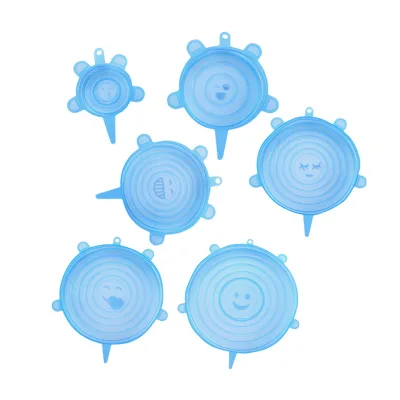
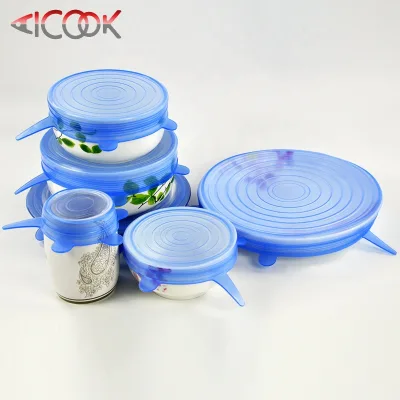
Reusable Expandable Silicone Stretch Cover Silicone Food Cover Cup Covers
$1.3255 - $1.3868
MOQ: 20 pieces

Reusable Silicone Food Covers for Eco-Friendly Kitchen Storage Solutions
$0.50 - $1.50
MOQ: 1000 Pieces


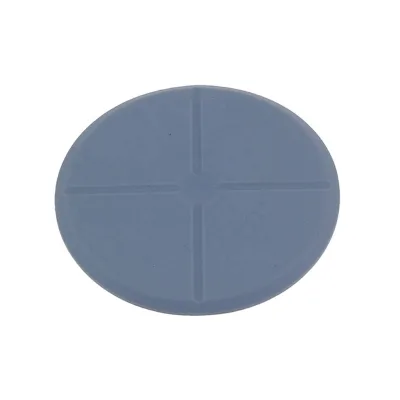
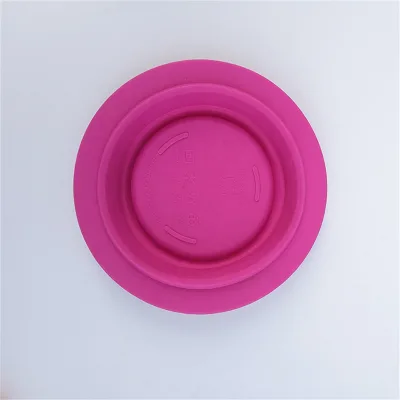

Kitchenware Reusable Silicone Food Covers Lids Silicone Stretch Lids Cover
$0.90 - $1.21
MOQ: 500 Pieces






Comprehensive Sourcing Guide
Reusable Silicone Food Covers Sourcing Guide
Procurement teams evaluating Reusable Silicone Food Covers must first distinguish between general kitchenware sets and specialized sealing lids, as product attributes vary significantly across listings. The observed market data indicates a primary focus on food protection, with specific items identified as stockable inventory from manufacturers in Zhejiang and Xiamen, China. Buyers should verify whether the supplier offers single-item units or bulk kitchenware sets, as this distinction impacts packaging requirements and logistics planning.
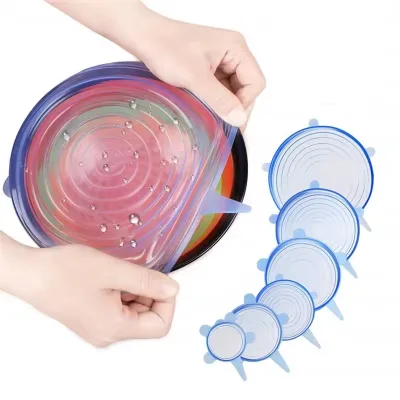
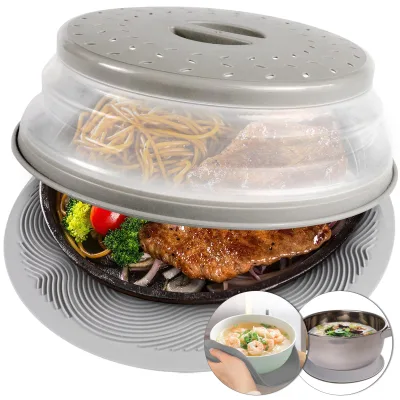
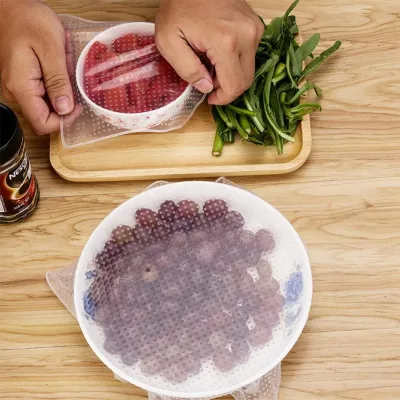
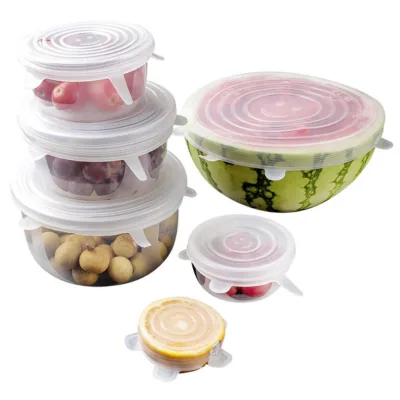
The functional scope extends to covering plates, bowls, pans, and various containers, with a clear emphasis on eco-friendly and non-disposable solutions. While some listings highlight specific models like the PK-BU052 or PK-HS-067, the core utility remains consistent across the category: providing a flexible, heat-resistant barrier for food storage. Sourcing decisions should prioritize suppliers who explicitly define their product as specialty tools designed for home kitchen use, ensuring the selected items meet the specific sealing and durability needs of the target market.
Product Scope and Observed Listing Signals
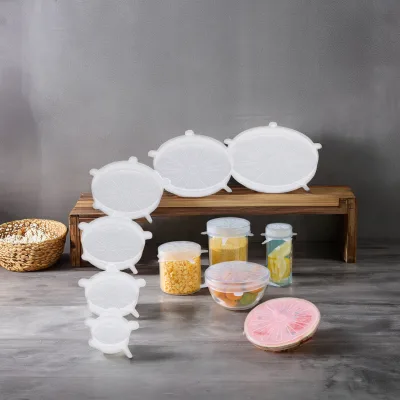
Buyers must carefully analyze the size specifications provided in listings, as the observed range spans from 6.3 cm to 20.7 cm, with some custom standards reaching 36 cm in length. The physical dimensions of the single package are typically around 15x15x5 cm, but the actual product size varies by model, such as the 8 cm standard for cup covers or the customizable sizes for bowl covers. Procurement teams should confirm that the supplier can accommodate the specific diameter requirements of their customers, as the standard sizes may not fit all container types.
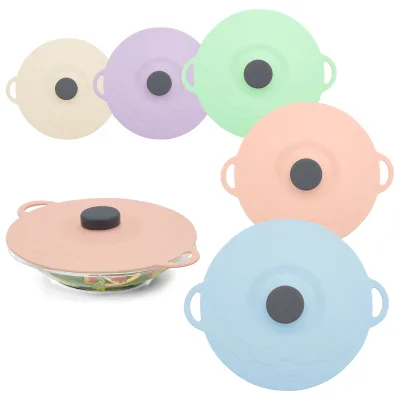
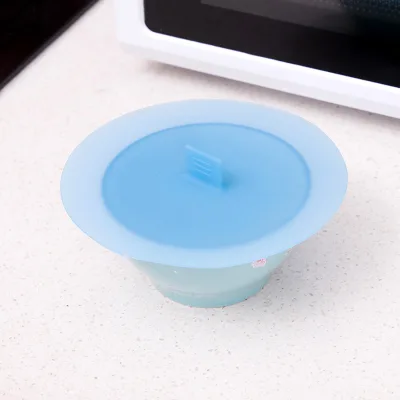
Color and customization options represent another critical signal in the product scope, with available hues including blue, white, green, yellow, and red, alongside fully customizable color requests. The ability to accept customized logos and sizes is a key differentiator for brands seeking private label opportunities, though some listings explicitly state non-customized options for standard SKUs. Buyers should verify the flexibility of the supplier regarding logo printing and color matching to ensure the final product aligns with their brand identity and marketing strategy.
Technical Specifications to Verify
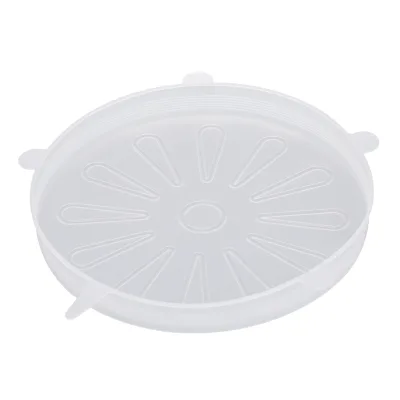
Technical verification must begin with the material composition, specifically confirming the use of food-grade silicone that is explicitly BPA-free and non-disposable. The observed data highlights a heat resistance range of -40°C to 230°C for some models, while others specify a range of -40°C to 200°C, requiring buyers to validate the exact thermal limits for their intended applications. It is essential to confirm that the material hardness is soft enough to create a tight seal while remaining durable enough for repeated use in dishwashers and microwaves.
Weight and packaging specifications also require strict verification, as observed weights range from approximately 55 grams to 150 grams per unit, with single gross weights noted at 0.200 kg. The packaging method, whether PE bags with cartons or individual carton boxes, directly influences shipping costs and product protection during transit. Buyers should request detailed weight and dimension data for the specific model they intend to purchase to ensure accurate freight calculations and to verify that the product meets the expected durability standards for commercial use.
Compliance and Safety Documentation
Safety compliance is paramount when sourcing silicone food covers, and buyers must demand evidence of FDA certification for all products intended for food contact. Some listings indicate additional LFGB certification, which is particularly relevant for European markets, but this status must be verified through current documentation rather than assumed from general product descriptions. Procurement teams should ensure that the supplier provides valid test reports confirming the material meets the specific regulatory requirements of the destination country before placing any orders.
Beyond material safety, the documentation must address the product's suitability for high-temperature environments, given the claimed heat resistance up to 230°C. Buyers should verify that the supplier has conducted or can provide results for thermal stability tests to confirm the silicone does not degrade or release harmful substances under extreme conditions. It is critical to cross-reference the stated temperature ranges with the actual usage scenarios of the end-user to ensure the product remains safe and functional throughout its lifecycle in both microwave and dishwasher environments.
Cost Drivers and Commercial Terms
Cost structures for Reusable Silicone Food Covers are heavily influenced by the degree of customization required, including logo printing, color selection, and non-standard sizing. The observed MOQ range spans from 1 to 6000 units, suggesting that smaller buyers may face higher per-unit costs while larger volume orders benefit from economies of scale. Buyers should negotiate based on the specific customization level, as fully customized orders with unique molds or colors will inherently carry a higher price point than standard stock items.
Commercial terms must also account for the variability in single package sizes and gross weights, which affect shipping logistics and final landed costs. The selling units are typically listed as single items, but bulk packaging in cartons is standard for larger orders, requiring clear agreement on packing configurations to avoid damage during transit. Procurement teams should clarify whether the quoted price includes all customization fees and packaging materials, ensuring there are no hidden costs related to the specific model numbers or origin locations like Zhejiang or Xiamen.
Supplier Qualification and Quality Control
Supplier qualification should focus on verifying the origin of production, as the observed data points to manufacturers in Zhejiang and Xiamen, China, with varying levels of customization capabilities. Buyers must assess whether the supplier offers both customized and non-customized options, as this flexibility often indicates a mature production line capable of handling diverse order requirements. It is essential to confirm that the supplier maintains consistent quality control measures to ensure every batch meets the specified material and safety standards.
Quality control protocols must include rigorous checks on the physical attributes of the product, such as the softness of the silicone and the integrity of the seal. Buyers should request samples to test the non-slip features and ease of cleaning, which are listed as key product advantages. Additionally, verifying the supplier's ability to maintain the specified temperature resistance and durability over time is crucial, as these factors directly impact customer satisfaction and the long-term viability of the product in the market.
Long-Term Procurement Checks
Long-term procurement strategies require regular re-verification of certification status and material safety to ensure ongoing compliance with evolving global regulations. Buyers should establish a schedule for auditing supplier documentation, particularly regarding FDA and LFGB certifications, to confirm that the materials remain safe for food contact over time. This proactive approach helps mitigate risks associated with regulatory changes and ensures that the supply chain remains robust against potential compliance issues.
Sustainability and product lifecycle management are also critical for long-term success, given the eco-friendly style and non-disposable nature of the silicone covers. Procurement teams should monitor the durability of the product through field testing to ensure it withstands repeated use in dishwashers and microwaves without degrading. By maintaining a close relationship with the supplier and tracking performance metrics, buyers can ensure a consistent supply of high-quality, safe, and durable food covers that meet the expectations of their customers.
FAQs
What certifications do these silicone food covers have?
These Reusable Silicone Food Covers hold FDA and LFGB certifications, ensuring they meet strict safety standards for food contact. The material is food-grade silicone, which is BPA-free and safe for daily kitchen use. This compliance guarantees that the products are suitable for storing various types of food without leaching harmful chemicals into your meals.
Can these covers withstand high and low temperatures?
Yes, the silicone covers are heat resistant within a wide temperature range of -40°C to 230°C. This makes them safe for use in microwaves and dishwashers. You can also place them in the freezer or refrigerator without worrying about cracking or losing their elasticity, providing versatile storage solutions for hot and cold foods alike.
What sizes are available for the silicone lids?
The product line includes multiple sizes such as 6.3, 9, 11.3, 14.5, 16.2, and 20.7 cm. Some models offer customized sizes to fit specific bowls or pans. This variety ensures you can find the perfect seal for different kitchen containers, from small cups to large serving dishes, enhancing your food storage efficiency.
Are these silicone covers customizable for branding?
Customization is available for these silicone food covers, including logo printing and specific color options like blue, white, green, yellow, and red. Buyers can request customized logos and packaging, making these products ideal for corporate gifts or private label branding. This flexibility allows businesses to tailor the product to their specific marketing and branding requirements effectively.
How are the silicone food covers packaged for shipping?
The covers are typically packed in PE bags and cartons, with some models using carton boxes for protection. The single package size is approximately 15x15x5 cm, and the gross weight is around 0.200 kg. This packaging ensures the products remain clean and undamaged during transit, facilitating efficient logistics and storage for both suppliers and buyers.