Source OEM Engine Cover for Land Rover, BMW, and Skoda
Find 27 verified listings for OEM Engine Cover compatible with Land Rover, BMW, and Skoda vehicles. Compare specifications, prices, and supplier details to identify the best fit for your repair or replacement needs; compare the available evidence and request quotations based on your requirements.
Updated
Key considerations
Products List
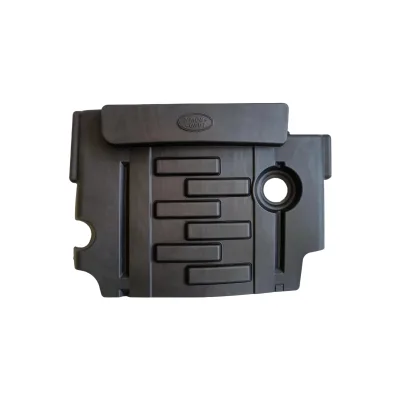
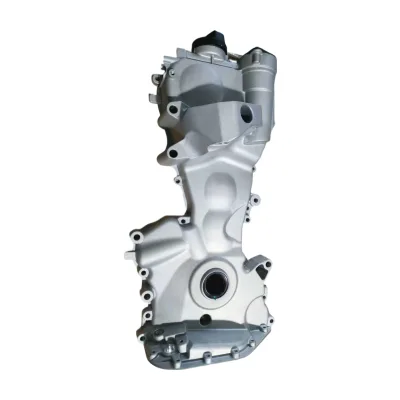
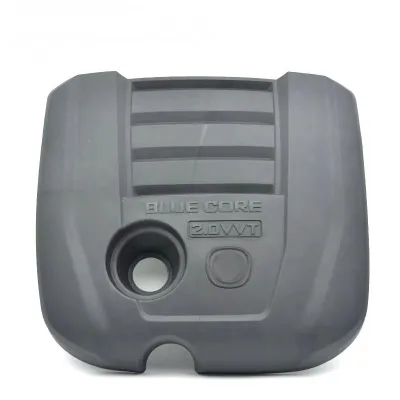

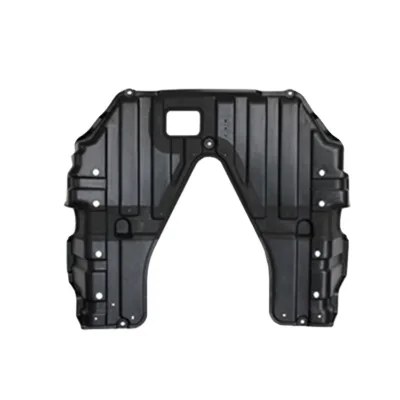
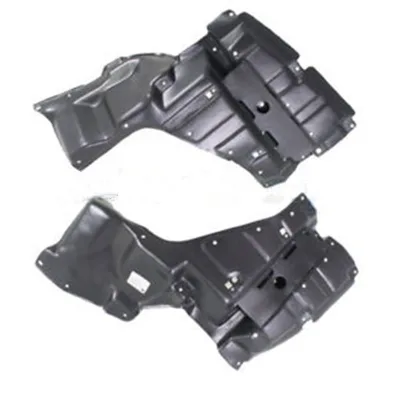

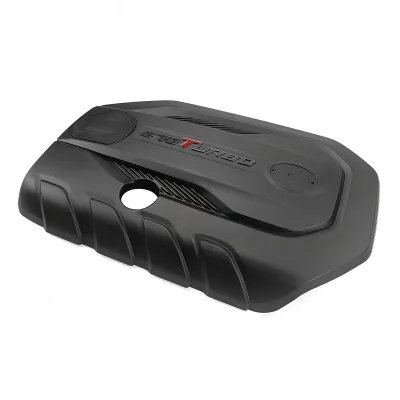
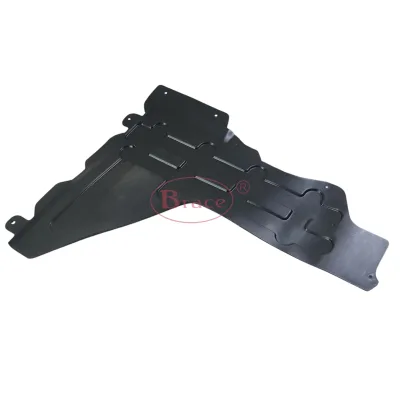
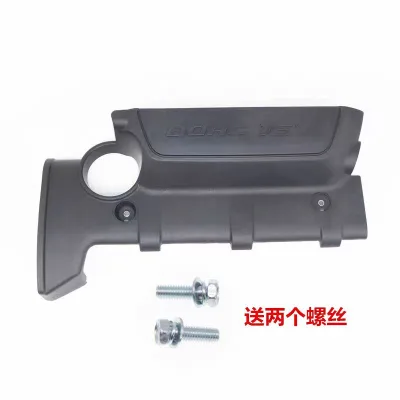


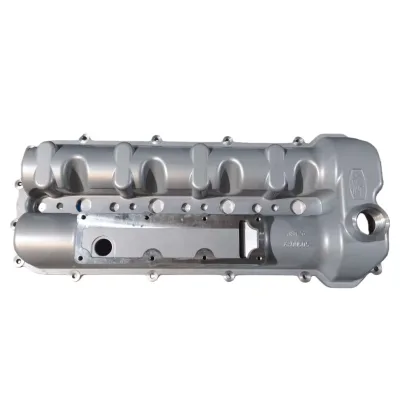
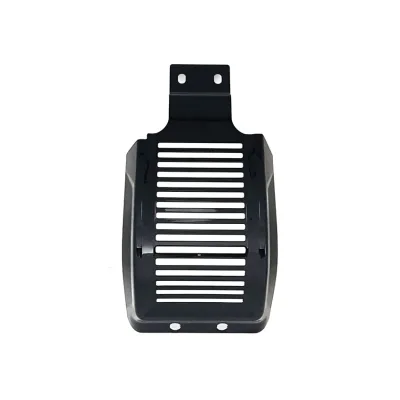

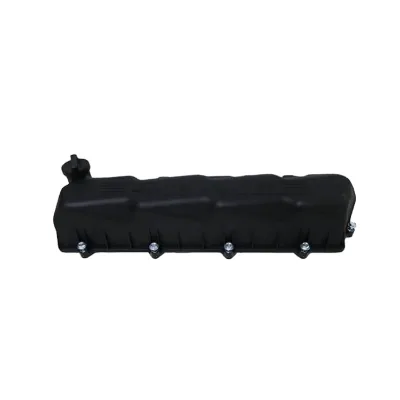
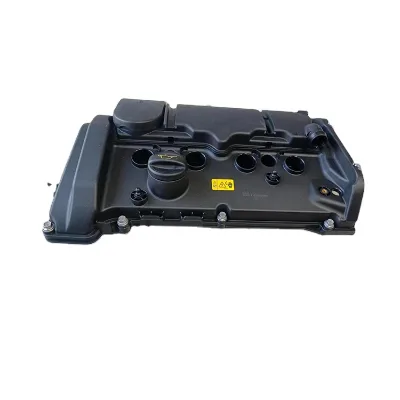
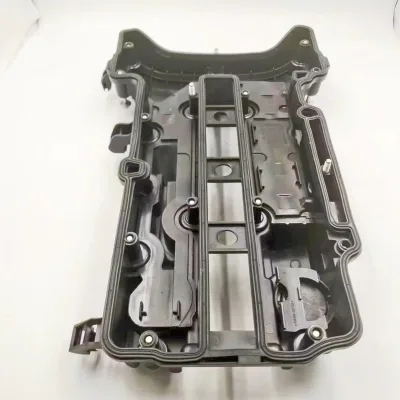

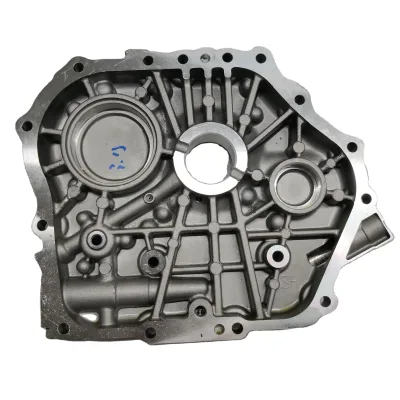
Comprehensive Sourcing Guide
OEM Engine Cover Sourcing Guide
Procuring an OEM Engine Cover requires careful alignment with vehicle-specific engineering tolerances and material durability standards. Buyers must distinguish between generic aftermarket replacements and precise original equipment manufacturer components to ensure proper fitment and aesthetic integration. The market offers a variety of options, ranging from simple plastic housings to complex insulator hoods, each serving distinct functional roles in engine bay management. Understanding these distinctions is critical for maintaining vehicle integrity and preventing operational failures due to mismatched parts.
Sourcing decisions should be driven by verified compatibility data rather than broad categorical assumptions. Many suppliers list universal fitment claims, but these often lack the precision required for modern engine architectures. Buyers should prioritize suppliers who provide explicit OE number cross-references and detailed dimensional specifications. This approach minimizes the risk of receiving non-conforming inventory and ensures that the procured covers meet the original design intent for heat dissipation, noise reduction, and component protection.
Product Scope and Observed Listing Signals
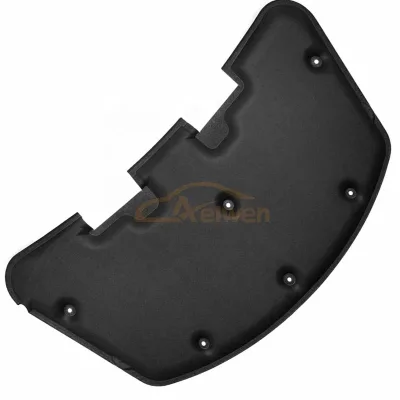
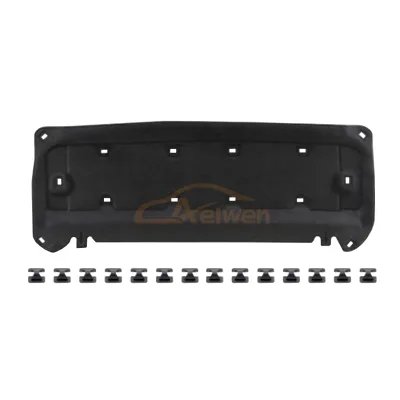
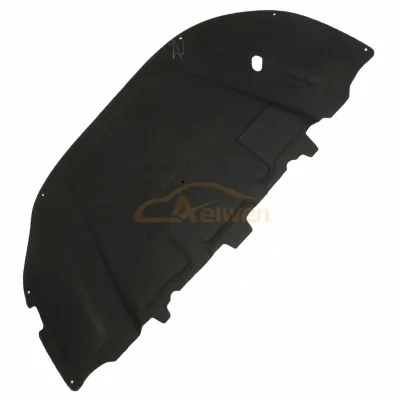
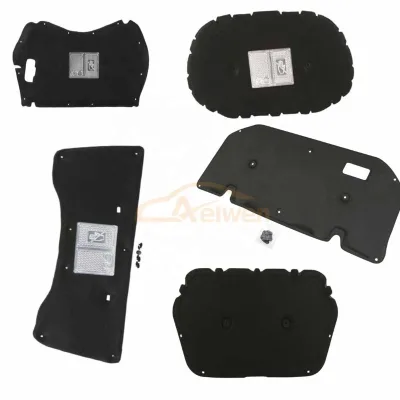
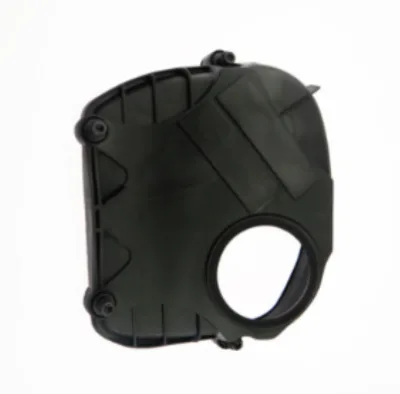
The current market landscape for engine covers includes diverse product types, such as standard engine coves, insulator hoods, and protective shells. Listings frequently indicate materials like steel or plastic, with color options typically matching the original vehicle aesthetics, such as black finishes. Some products are explicitly designed for specific brands, including Land Rover, BMW, Opel, and Skoda, while others claim universal applicability. These variations highlight the need for buyers to scrutinize the specific application notes provided by each supplier to avoid compatibility errors.
Observed listing signals reveal significant variability in packaging and logistical details. Products are often shipped in neutral boxes or standard cartons, with single package sizes ranging from compact dimensions to larger cubic measurements. Weight observations vary widely, with some items weighing around ten kilograms while others report negligible weight, suggesting differences in material density or packaging methods. Buyers must verify these logistical parameters to accurately calculate freight costs and storage requirements, ensuring that the total landed cost remains within budget constraints.
Technical Specifications to Verify
Verifying technical specifications is paramount when sourcing engine covers, particularly regarding model numbers and OE references. Buyers should cross-check part numbers such as LR059778 or various BMW and Skoda codes against their vehicle’s service manual. Dimensions must match OEM standards precisely, as even minor deviations can lead to installation difficulties or improper sealing. Suppliers often provide single package sizes and gross weights, which serve as proxies for the physical footprint and material mass, helping buyers assess whether the component aligns with their assembly line or repair shop requirements.
Material composition and construction quality are equally critical factors that influence long-term performance. Steel covers offer durability but may require specific corrosion treatments, while plastic variants provide lightweight solutions with good insulation properties. Buyers should request detailed material certifications and confirm whether the product undergoes rigorous testing processes. Observations of high-quality claims and 100% tested assertions should be validated through independent inspection or sample testing to ensure that the covers can withstand thermal cycling, vibration, and chemical exposure without degrading over time.
Compliance and Safety Documentation
Compliance with international quality management standards is a key indicator of supplier reliability. Many manufacturers hold ISO9001 certification, which demonstrates a commitment to consistent production processes and quality control. Buyers should request valid certification documents and verify their authenticity through the issuing body. This step ensures that the supplier adheres to recognized best practices in manufacturing, reducing the risk of defects and ensuring that each engine cover meets predefined quality benchmarks before shipment.
Safety and warranty terms provide additional layers of protection for procurement teams. A standard one-year warranty is commonly offered, covering defects in material and workmanship. Buyers must clearly understand the warranty scope, including exclusions for improper installation or misuse. Additionally, suppliers should provide documentation confirming that the products do not contain hazardous substances prohibited in automotive components. This due diligence helps mitigate legal liabilities and ensures that the procured parts comply with environmental regulations in the destination market.
Cost Drivers and Commercial Terms
Cost structures for engine covers are influenced by material prices, manufacturing complexity, and order volume. Minimum order quantities (MOQ) vary significantly, with some suppliers requiring as few as one unit while others mandate orders of fifty or more pieces. Buyers should negotiate flexible MOQ terms to accommodate varying demand patterns, especially for low-volume repair operations. Understanding the supply ability, such as weekly production capacities, helps in planning inventory levels and avoiding stockouts during peak demand periods.
Commercial terms also include packaging details and port of dispatch, which impact overall logistics costs. Neutral packing is common, offering flexibility for private labeling or direct installation. Buyers should clarify whether packaging includes protective materials to prevent damage during transit. Additionally, the port of dispatch, often Shanghai or Ningbo, affects shipping timelines and freight rates. Negotiating clear Incoterms and payment conditions ensures transparency and reduces financial risk, allowing for accurate total cost of ownership calculations.
Supplier Qualification and Quality Control
Supplier qualification involves assessing production capabilities, historical performance, and customer feedback. Buyers should evaluate the supplier’s place of origin, with many manufacturers located in Zhejiang, Jiangsu, or Guangdong provinces in China. These regions are known for robust automotive parts manufacturing ecosystems. Verifying the supplier’s experience with specific vehicle brands and their ability to handle customization requests is essential for ensuring that the procured parts meet exact specifications.
Quality control processes must be rigorous to maintain consistency across batches. Buyers should inquire about in-process inspections, final quality checks, and testing protocols. Suppliers claiming high-quality standards should provide evidence of their quality management systems, including defect rate metrics and corrective action procedures. Engaging third-party inspection services for pre-shipment audits can further mitigate risks, ensuring that the delivered engine covers conform to agreed-upon specifications and quality expectations before they leave the factory.
Long-Term Procurement Checks
Long-term procurement success depends on establishing strong supplier relationships and continuous performance monitoring. Buyers should conduct regular audits and request periodic quality reports to ensure ongoing compliance with agreed standards. Tracking key performance indicators, such as on-time delivery rates and defect frequencies, helps identify potential issues early. Maintaining open communication channels with suppliers facilitates quick resolution of any discrepancies and fosters a collaborative environment focused on continuous improvement.
Adapting to market changes and technological advancements is crucial for staying competitive. Buyers should stay informed about new materials, design innovations, and regulatory updates that may impact engine cover specifications. Regularly reviewing supplier portfolios and exploring alternative sources can provide leverage in negotiations and ensure supply chain resilience. By maintaining a proactive approach to supplier management, buyers can secure a reliable supply of high-quality engine covers that support their operational goals and customer satisfaction.
FAQs
What is the warranty period for the OEM Engine Cover?
The warranty period is 12 months or 1 year depending on the specific supplier listing. This coverage applies to new condition items sourced from China. Buyers should verify the exact terms with the vendor before purchase to ensure the protection matches their operational needs.
Can I find oem engine covers with ISO9001 certification?
Yes, some listings explicitly state ISO9001 certification for the OEM Engine Cover. This standard indicates quality management systems are in place for the manufacturing process. Buyers seeking certified components should filter for this attribute when evaluating potential suppliers in the market.
Which locations supply the OEM Engine Cover components?
Suppliers are located in Ningbo, Zhejiang, Guangzhou, and Jiangsu in China. These regions serve as the primary places of origin for the listed products. Buyers can expect shipments to originate from these specific mainland Chinese locations when sourcing these engine parts.
How is the OEM Engine Cover packaged for shipment?
The product is typically packed in neutral boxes or cartons for protection. Some listings specify a single package size of 100x20x20 cm or 60x60x60 cm. This packaging ensures the engine cover arrives safely while maintaining a standard shipping profile for international logistics.
What is the minimum order quantity for the OEM Engine Cover?
The minimum order quantity ranges from 1 to 200 pieces depending on the supplier. Specific listings may require a minimum of 50 pieces for certain models. Buyers should check individual product pages to confirm the exact MOQ before initiating a bulk purchase order.
Can the OEM Engine Cover be customized for specific needs?
Yes, customization is available for the OEM Engine Cover according to supplier capabilities. This allows buyers to request specific modifications or branding on the product. Buyers should discuss their requirements directly with the manufacturer to confirm feasibility and any associated costs.
What is the supply ability for the OEM Engine Cover?
The supply ability is listed as 1000 pieces per week for some vendors. This capacity indicates the manufacturer can handle moderate to large volume orders. Buyers requiring urgent restocking should verify current stock levels and production schedules with the specific supplier.