Source Loader Parking Electromagnet for scrap lifting, mining, and recycling
Compare 30 Loader Parking Electromagnet options from verified Chinese suppliers. These magnetic lifting devices support capacities from 490kg to 9000kg with DC 220V power and ISO CE certification for industrial scrap handling; compare the available evidence and request quotations based on your requirements.
Updated
Key considerations
Products List

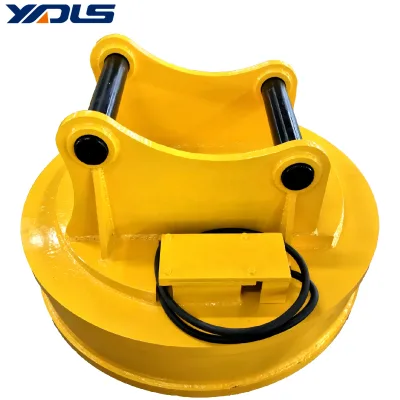
$2045.0257
MOQ: 1 Minimum


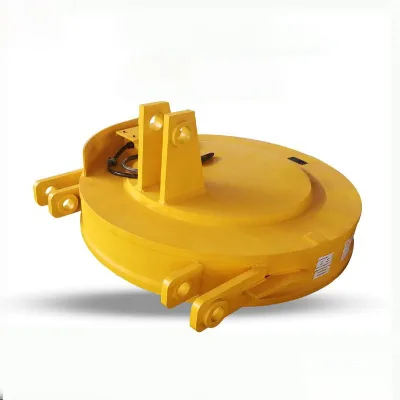
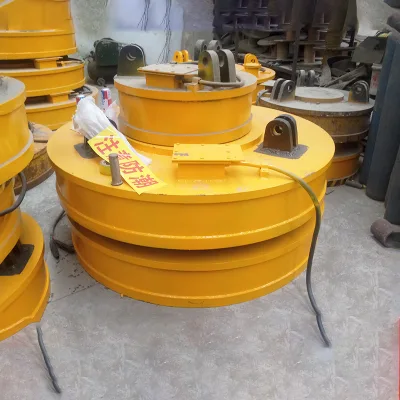




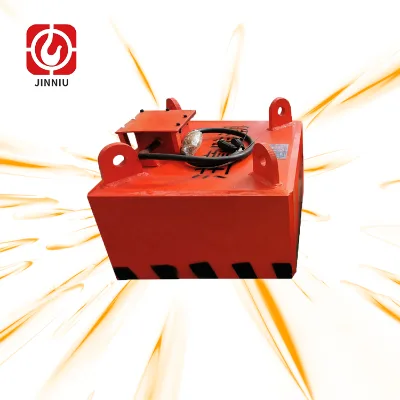
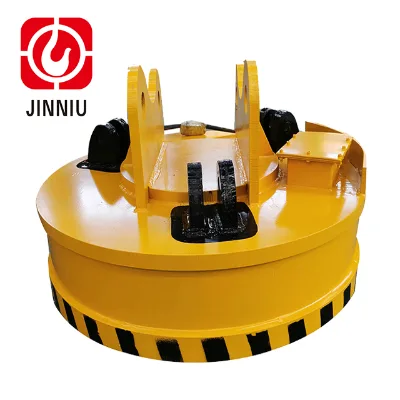


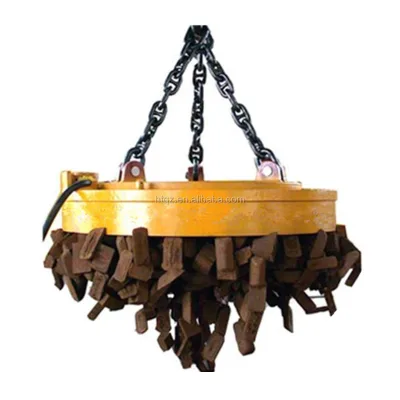
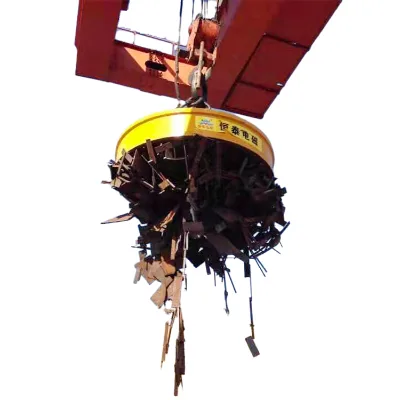
Electromagnet for Forklif 500kg 750kg Industry Electromagnet for Excavator
$2500.00 - $3000.00
MOQ: 1 sets
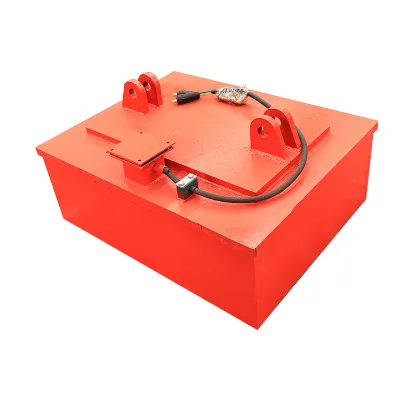
Dc 220v Electromagnet Small High Power Electromagnet for Steel Ball Lifting
$1243.1327 - $1616.0734
MOQ: 1 sets
Comprehensive Sourcing Guide
Loader Parking Electromagnet Sourcing Guide
Procuring electromagnetic lifting devices for loader applications requires a precise understanding of the distinction between standard industrial magnets and specialized parking or holding units. The core keyword "Loader Parking Electromagnet" often intersects with broader categories of electromagnetic suction cups and scrap lifting magnets. Buyers must clarify whether the requirement is for a temporary parking brake mechanism or a heavy-duty lifting attachment. The supplied data indicates a strong focus on lifting metal, with capacities ranging from 490kg to 9000kg, suggesting that many listed "parking" solutions are actually high-capacity lifting tools used in material handling.
Understanding the specific operational context is critical before initiating supplier inquiries. The observed product attributes highlight a variety of shapes, including square and round designs, with dimensions varying significantly from 700mm to 2400mm in diameter. This variance implies that a single "parking" specification may not exist; instead, buyers must select from a spectrum of lifting capacities and physical footprints. The distinction between a simple holding magnet and a complex lifting system affects voltage requirements, release mechanisms, and structural integrity, making clear definition of the end-use scenario the first step in the sourcing process.
Product Scope and Observed Listing Signals
The market for electromagnetic devices in this sector is diverse, with listings showcasing a wide range of specifications that buyers must navigate carefully. Observed product names frequently include "Electromagnetic Suction Cup," which may be marketed for various lifting tasks rather than just parking functions. The color yellow is a common visual identifier, likely for safety visibility in industrial environments, while the condition is consistently listed as new. Buyers should note that the term "parking" might be used loosely in some listings to describe a magnet that holds a load securely when powered, rather than a mechanical parking brake for the loader itself.
Customization is a prevalent feature, with many suppliers offering tailored solutions to meet specific load requirements or dimensional constraints. The supply ability varies, with some manufacturers offering up to 100 sets per month, indicating a mix of small-batch customizers and larger production facilities. The application is broadly defined as "lifting metal," which encompasses scrap handling, manufacturing plant operations, and construction works. This broad categorization means that buyers must scrutinize individual product pages to ensure the magnet’s lifting capacity and mounting interface are compatible with their specific loader models and operational workflows.
Technical Specifications to Verify
Voltage and power requirements are fundamental technical parameters that must be verified to ensure compatibility with the loader’s electrical system. The observed data indicates a rated voltage of DC 220V for many units, which is a standard industrial supply but may require specific transformers or rectifiers if the loader operates on a different voltage profile. Buyers must confirm whether the magnet is designed for continuous duty or intermittent use, as this affects thermal management and coil longevity. The conductor material, listed as aluminum or copper, also plays a role in efficiency and heat dissipation, with copper generally offering superior conductivity and durability in high-cycle applications.
Lifting capacity and physical dimensions are equally critical for safe operation. The observed capacity range spans from 500kg to 9000kg, with specific models like MW5, MW73, and MW16 offering different performance tiers. The magnet diameter varies from 800mm to 2400mm, directly influencing the surface area and magnetic flux distribution. Buyers must verify the machine weight, which ranges from 490kg to 9000kg, to ensure the loader’s hydraulic system and structural frame can support the additional mass. Additionally, the release mechanism, often an on/off handle, must be evaluated for ease of use and reliability in harsh industrial conditions.
Compliance and Safety Documentation
Certification status is a primary indicator of a manufacturer’s adherence to international quality and safety standards. The observed listings frequently cite ISO and CE certifications, which are essential for ensuring that the electromagnetic devices meet European and global safety requirements. Buyers should request valid certification documents to verify that the specific model being purchased has undergone the necessary testing for electrical safety, mechanical strength, and electromagnetic compatibility. The absence of these certifications may indicate a lower-quality product that poses significant risks in industrial environments.
Safety features and operational guidelines must also be thoroughly reviewed. The normal temperature of the material is specified as below 150°C, with high-temperature variants available up to 600°C and super-high-temperature options above 600°C. This thermal classification is crucial for applications involving hot scrap or processed metals, as exceeding the temperature limit can demagnetize the unit or damage the coil. Buyers must ensure that the selected magnet’s thermal rating aligns with the operating environment of their loader. Furthermore, the warranty period, typically listed as two years, provides a baseline for manufacturer confidence in product durability.
Cost Drivers and Commercial Terms
Pricing in this market is highly variable, influenced by lifting capacity, material quality, and customization levels. The observed price range spans from $71 to $50,000, reflecting the vast difference between small, low-capacity units and large, heavy-duty industrial magnets. Buyers should expect higher costs for models with greater lifting capacities, such as those exceeding 2000kg, or those featuring specialized materials like low carbon steel for enhanced durability. The minimum order quantity (MOQ) is often listed as one unit, allowing for flexible purchasing, but bulk orders may offer better pricing leverage.
Commercial terms and after-sales support are significant factors in the total cost of ownership. Many suppliers offer video technical support and field installation services, which can reduce downtime and ensure proper setup. The packing method, whether carton or export wooden case, affects shipping costs and protection during transit. Buyers should also consider the supply ability, with some manufacturers offering 100 sets per month, which may impact lead times for larger orders. Clear communication regarding payment terms, shipping responsibilities, and warranty claims processes is essential to avoid unexpected costs and delays.
Supplier Qualification and Quality Control
Supplier location and manufacturing capability are key indicators of reliability and quality control. The observed data shows origins in Hebei and Hunan, China, regions known for their industrial manufacturing bases. Buyers should verify the supplier’s production capacity and quality assurance processes to ensure consistent product quality. The brand name YYDLS is one example of a manufacturer in this space, but buyers should not rely solely on brand recognition. Instead, they should request detailed information about the supplier’s factory audits, production lines, and testing procedures.
Quality control measures should include rigorous testing of magnetic performance, electrical insulation, and mechanical integrity. Buyers should inquire about the specific tests conducted on each unit, such as lifting capacity verification and voltage stability checks. The customization option allows for tailored solutions, but it also requires close collaboration with the supplier to ensure that the final product meets all specifications. Buyers should establish clear communication channels and request regular updates during the manufacturing process to monitor progress and address any issues promptly.
Long-Term Procurement Checks
Long-term procurement success depends on establishing a robust relationship with suppliers who can provide consistent quality and support. Buyers should prioritize suppliers with a proven track record of delivering reliable electromagnetic devices and offering comprehensive after-sales service. The availability of field installation, commissioning, and training services is a valuable asset, ensuring that the equipment is used correctly and maintained properly. Buyers should also consider the supplier’s ability to provide spare parts and technical assistance over the lifespan of the equipment.
Regular performance monitoring and feedback loops are essential for continuous improvement. Buyers should track the performance of the electromagnetic devices in their operations, noting any issues related to lifting capacity, thermal performance, or electrical stability. This data can be used to negotiate better terms with suppliers or to identify areas for product improvement. By maintaining a focus on long-term value rather than just initial cost, buyers can ensure that their Loader Parking Electromagnet solutions remain effective and reliable over time.
FAQs
What is the lifting capacity range for these electromagnets?
The lifting capacity ranges from 490kg to 9000kg for lifting scrap materials. Specific models support capacities of 500kg, 1000kg, and 2000kg. This variation allows selection based on the weight of the metal objects being handled in industrial environments.
Can the product dimensions be customized for specific needs?
Yes, customization is available for these electromagnetic suction cups. While standard dimensions like 700*800*160mm exist, the product attributes indicate that custom dimensions can be arranged. This ensures the equipment fits specific machinery or operational requirements effectively.
What certifications do these electromagnets hold for safety?
These electromagnets hold ISO and CE certifications. These standards verify compliance with international safety and quality requirements. Buyers can rely on these documented certifications to ensure the equipment meets regulatory standards for industrial use in various global markets.
How is the magnetic field released or controlled?
The release mechanism is controlled via an On/Off Handle. This manual control allows operators to easily engage or disengage the magnetic field. The system operates on DC 220V, providing a straightforward and reliable method for handling metal loads.
What after-sales support is provided for these units?
Support includes video technical assistance, field installation, commissioning, and training. The warranty period is two years. This comprehensive service package ensures that buyers receive necessary guidance for setup and maintenance, minimizing downtime and operational issues during the product lifecycle.
Which materials can these electromagnets handle effectively?
These devices are designed for lifting metal, specifically ferrous materials. They operate effectively at normal temperatures below 150°C. Specialized versions handle high temperatures up to 600°C or super-high temperatures above 600°C, depending on the specific model selected.