Source Racing Drone for Industrial Inspection, FPV Racing, and Surveillance
Compare 30 Racing Drone options featuring carbon fiber frames, brushless motors, and varying flight times from 10 to 40 minutes. Buyers can evaluate specifications for industrial inspection, FPV racing, and surveillance applications with customizable control types and transmission distances; compare the available evidence and request quotations based on your requirements.
Updated
Key considerations
Products List


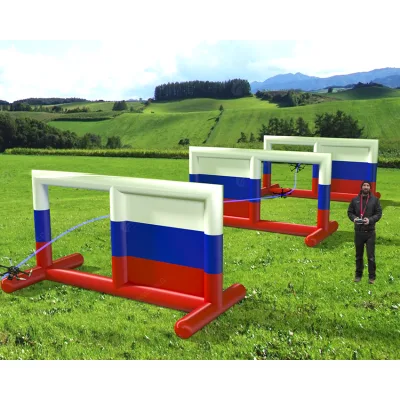
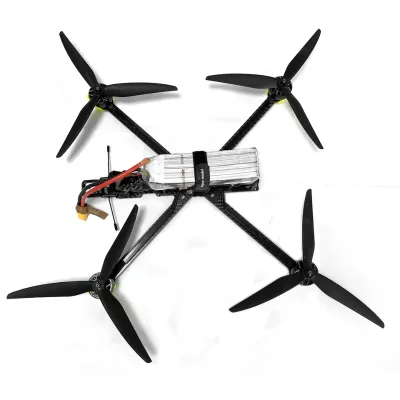
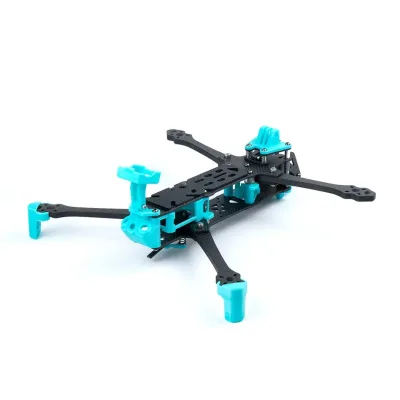

Factory Customized Training Drone Remote Control Racing Drone Uav for Teaching
$449.00 - $599.00
MOQ: 1 Pieces


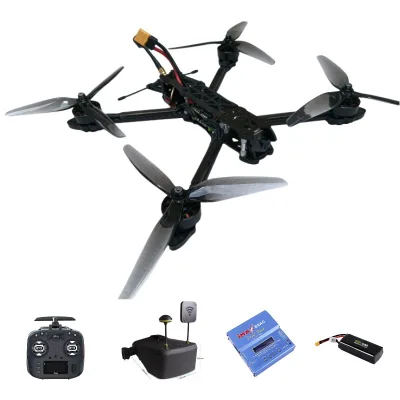
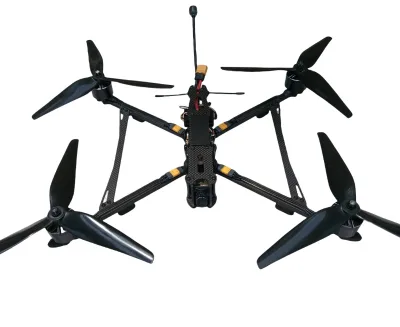
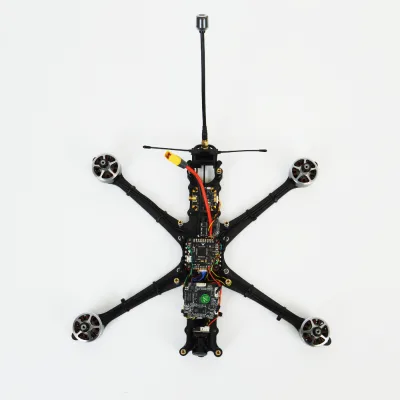
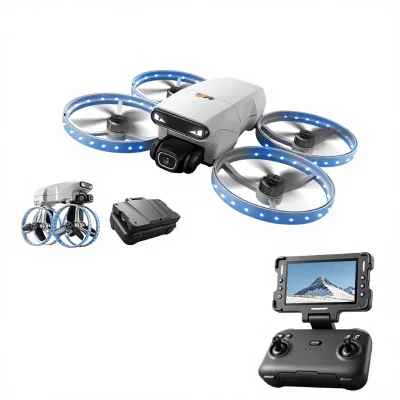
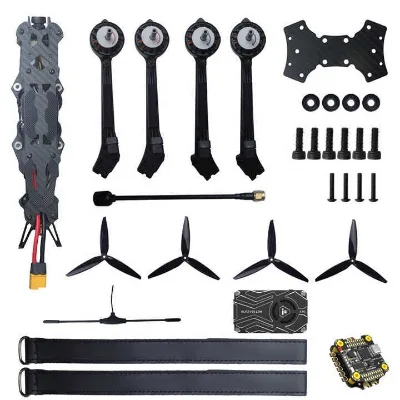
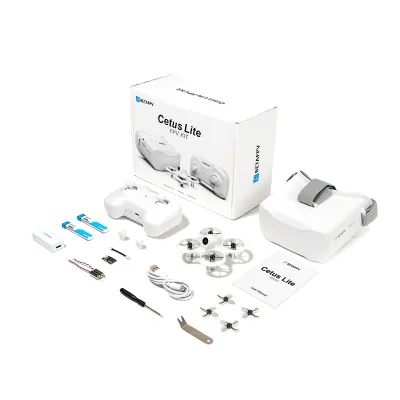
Comprehensive Sourcing Guide
Racing Drone Sourcing Guide
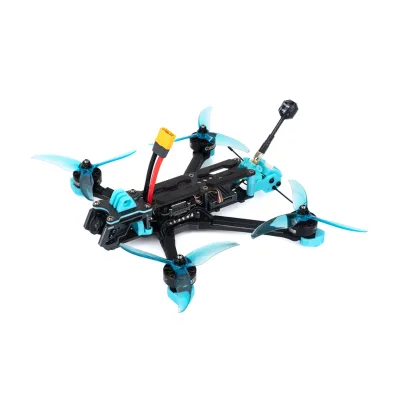
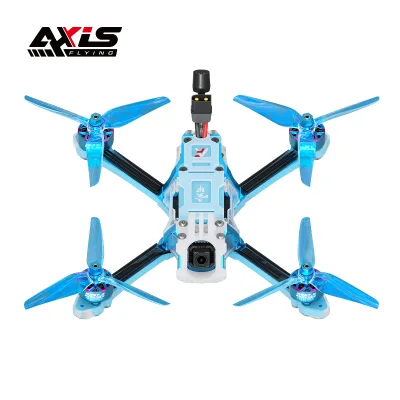
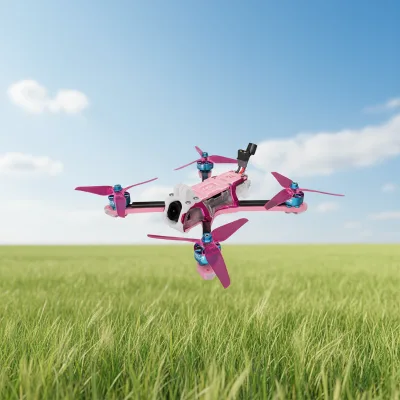
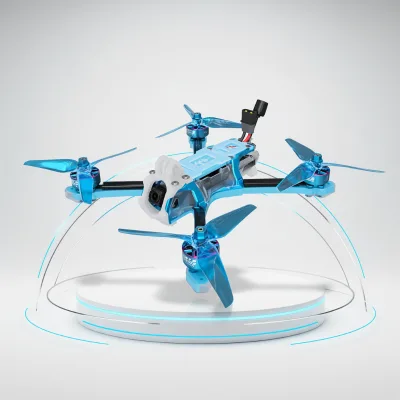
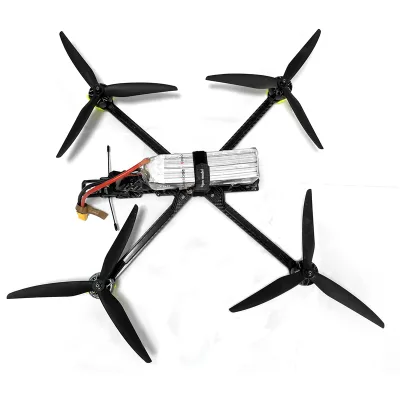
The Racing Drone market presents a diverse array of configurations, ranging from compact 5-inch frames designed for agility to larger 7-inch and 10-inch models built for endurance and payload capacity. Buyers must distinguish between these structural variations, as the 5-inch frame typically supports high-speed maneuvering with brushless motors like the 2207 1960kv, while larger units often feature carbon fiber construction to withstand high-altitude operations. Understanding these physical distinctions is critical for aligning procurement with specific operational needs, whether for industrial surveillance or competitive racing environments.
Procurement decisions should also account for the specific electronic accessories and control systems integrated into each unit. Listings indicate a prevalence of Wi-Fi remote controls and 915MHz or 2.4GHz wireless options, alongside specialized video transmission systems operating at 5.8g frequencies. Buyers need to verify if the included flight controllers, such as the F405 V3, match the required processing power for their intended flight profiles. This ensures that the selected drone can handle the specific data transmission distances, which vary from 8km to 10km depending on the antenna and VTX configuration.
Product Scope and Observed Listing Signals
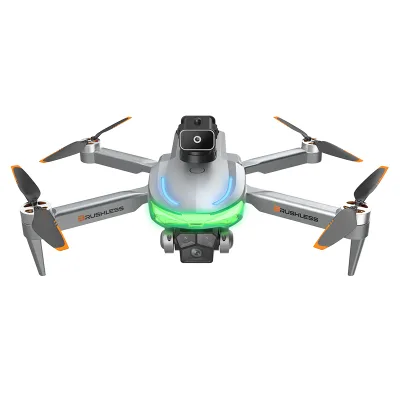
The observed product listings reveal a wide spectrum of Racing Drone specifications, with models ranging from small 5-inch frames to substantial 10-inch variants. These units are frequently categorized by their structural design, such as the Wing UAV or Unmanned Rotorcraft configurations, and are often marketed for industrial usage or as beginner drones. The presence of specific model identifiers like S7, ZTK-7inch, and generic size descriptors helps buyers navigate the catalog, though the exact performance capabilities must be validated against the specific component lists provided in each listing.
Price points and minimum order quantities observed in the market fluctuate significantly, with listed prices ranging from approximately 18.55 USD to 599 USD and MOQs varying between 1 and 6 units. This variance suggests that buyers can source single units for prototyping or small batches for initial deployment, but larger commercial orders may require negotiation on packaging and shipping terms. The diversity in battery capacities, such as 1550mAh or 2200mAh options, and motor types further complicates the scope, requiring careful selection based on the desired flight time and load-bearing requirements.
Technical Specifications to Verify
Buyers must rigorously verify the flight control systems and motor specifications to ensure compatibility with their operational environment. The listings highlight specific components like the FC 175 8s motor and FC 80 L32 ESC, which are critical for maintaining stability during high-speed maneuvers. It is essential to confirm that the brushless motors, whether rated at 1960kv or other specifications, align with the recommended battery voltages, such as 6s 1500mAh or 33.6V systems, to prevent power delivery issues that could compromise flight safety.
Video transmission and camera capabilities are equally vital for applications requiring real-time visual feedback. Specifications often include 5.8g VTX units with optional 3W power and cameras offering 1500tvl resolution with wide-angle or night vision capabilities. Buyers should confirm the actual image transmission distance, which is listed as 8km or 10km in various models, and ensure the video resolution meets the clarity standards required for their specific tasks. Additionally, the maximum flight time, ranging from 10 to 40 minutes depending on the configuration, must be validated against the mission duration requirements.
Compliance and Safety Documentation
Certification status is a primary concern for buyers importing racing drones, as the listings indicate a mix of compliance standards including CE, RoHS, FCC, and ISOHeight classifications. These certifications are crucial for ensuring that the electronic components meet international safety and electromagnetic compatibility requirements, particularly for devices operating at 5.8g frequencies. Buyers must request valid certification documents for each specific model to verify that the product has undergone the necessary testing for the target market, as the presence of these marks does not guarantee universal compliance without supporting documentation.
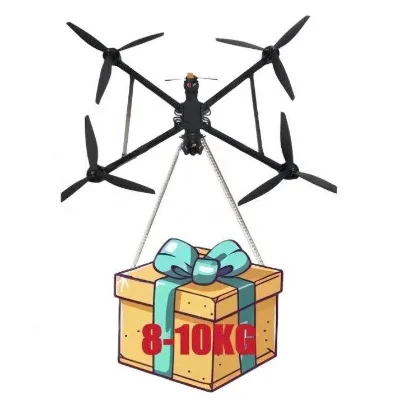
Safety documentation should also address the operational limits and structural integrity of the drone frames. The listings mention standards related to weight, such as 8kg or 2-10 kg capacity, and altitude classifications like High Altitude or Low Attitude. It is imperative to review the manufacturer's guidelines regarding maximum load, which is specified as 1kg in some models, and ensure that the carbon fiber or metal construction meets the durability expectations for the intended use. Proper safety data sheets and operational manuals are necessary to mitigate risks associated with high-speed flight and heavy payloads.
Cost Drivers and Commercial Terms
The cost of racing drones is heavily influenced by the complexity of the electronic components and the materials used in construction. Units featuring carbon fiber frames, advanced flight controllers like the F405 V3, and high-performance brushless motors command higher price points compared to basic models with standard metal frames. Buyers should analyze the bill of materials to understand the value proposition, noting that optional features such as 3W VTX units or 4K still image resolution cameras can significantly increase the unit cost.
Commercial terms, including minimum order quantities and packaging requirements, play a significant role in the total cost of ownership. The observed MOQ range of 1 to 6 units allows for flexible purchasing, but bulk orders may benefit from optimized electrostatic packaging or box packaging to reduce shipping damage. Buyers should negotiate lead times and shipping costs, as the origin is listed as China, and consider the impact of volume discounts on the final price per unit. Clear agreements on payment terms and delivery schedules are essential to manage cash flow and inventory levels effectively.
Supplier Qualification and Quality Control
Supplier qualification requires a thorough assessment of the manufacturer's ability to consistently produce drones that meet the specified technical and safety standards. Buyers should verify the supplier's track record in delivering products with the claimed certifications, such as CE and FCC, and ensure that their quality control processes include rigorous testing of flight controllers and motor assemblies. The presence of customization options suggests that the supplier has the flexibility to adapt products to specific buyer requirements, but this capability must be backed by a robust engineering team and quality assurance protocols.
Quality control measures should extend to the final inspection of each unit before shipment, focusing on critical components like the battery, ESC, and camera systems. Buyers must ensure that the supplier conducts functional tests to verify flight times, transmission distances, and motor performance against the listed specifications. Documentation of these tests, including video records or data logs, can provide additional assurance of product reliability. Establishing a clear communication channel for reporting defects and resolving quality issues is also vital for maintaining a successful long-term procurement relationship.
Long-Term Procurement Checks
Sustaining a successful procurement strategy for racing drones involves regular audits of supplier performance and product consistency over time. Buyers should monitor the supplier's ability to maintain the quality of components like the 2207 1960kv brushless motors and F405 V3 flight controllers across multiple production batches. Consistency in certification status and adherence to safety standards are critical, as any deviation could lead to regulatory non-compliance or operational failures in the field. Regular reviews of the supply chain help identify potential risks and ensure that the product quality remains aligned with the buyer's expectations.
Long-term checks should also include an evaluation of the supplier's support for maintenance, spare parts availability, and software updates. As the technology evolves, the ability to upgrade flight controllers or replace worn components like antennas and batteries becomes increasingly important for extending the lifespan of the fleet. Buyers should establish a partnership with suppliers who offer comprehensive after-sales support and are responsive to technical inquiries. This proactive approach ensures that the Racing Drone fleet remains operational and competitive, minimizing downtime and maximizing the return on investment.
FAQs
What certifications do racing drones typically have?
Racing drones typically hold CE, RoHS, FCC, and ISO certifications. These standards ensure compliance with international safety and electromagnetic regulations. Buyers should verify specific certification documents from suppliers to confirm that the electronic accessories and flight controllers meet the required legal frameworks for industrial and recreational use in their target markets.
Can racing drones be customized for specific needs?
Yes, customization is available for many Racing Drone models. Buyers can request specific modifications to the frame, motor, or flight control systems. This flexibility allows for tailored solutions for industrial applications or specific racing configurations. Suppliers often offer bespoke options to meet unique operational requirements or branding preferences.
What is the maximum flight time for these drones?
Maximum flight times generally range from 10 to 40 minutes depending on the model and battery configuration. Some units offer 21-30 minutes of operation, while others may reach 30-40 minutes. Flight duration is influenced by battery capacity, such as 1550mAh or 2200mAh options, and motor efficiency.
Which materials are used in Racing Drone frames?
Racing Drone frames are commonly constructed from carbon fiber and metal. Carbon fiber provides a lightweight yet durable structure essential for high-speed maneuverability. Metal components may be used for specific structural reinforcements. These materials ensure the drone can withstand the stresses of competitive racing and industrial operations.
How far can the image transmission distance reach?
Image transmission distances can reach up to 10 kilometers for certain models. Other variants may support 8 kilometers of range. This capability relies on advanced video transmission systems, such as 5.8g Vtx units, ensuring reliable real-time video feed for pilots during long-range industrial inspections or competitive racing events.
What is the minimum order quantity for these drones?
The minimum order quantity typically ranges from 1 to 6 units. This low MOQ allows buyers to test samples or order small batches for specific projects. Suppliers often accommodate small initial orders to facilitate easier procurement and evaluation of product quality before committing to larger industrial-scale purchases.