Source Red Drone Props Guard for DJI Spark, Neo, and Custom Builds
Compare 30 listings for Red Drone Props Guard compatible with DJI Spark, Neo, and custom applications. Buyers can evaluate materials like composite or metal, check certifications, and review supplier capabilities for quick release or fixed holder designs; compare the available evidence and request quotations based on your requirements.
Updated
Key considerations
Products List





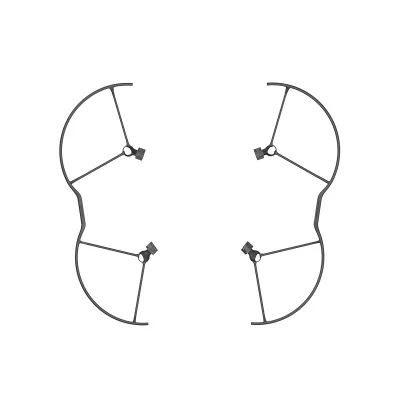

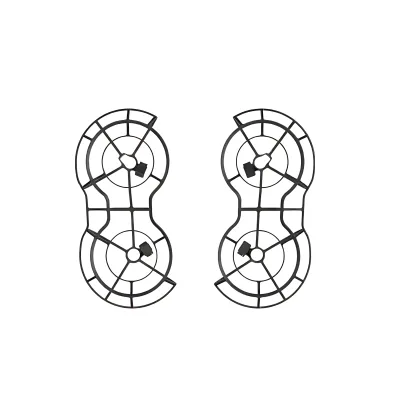
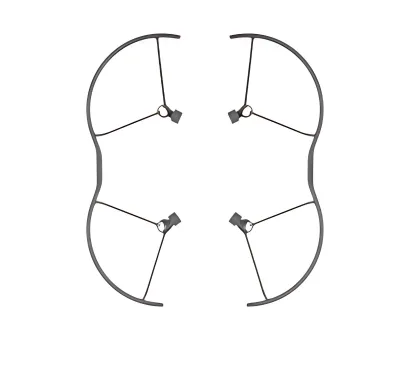
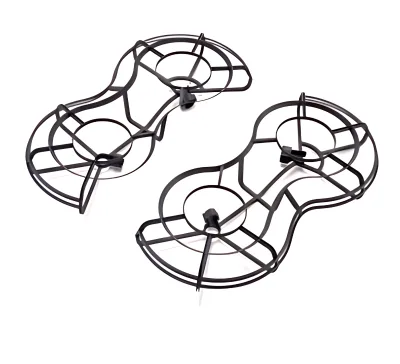
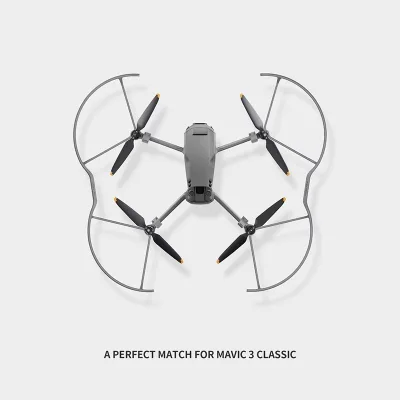
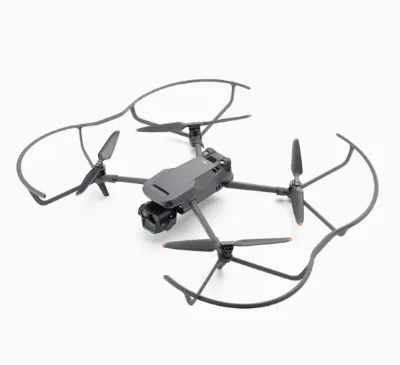
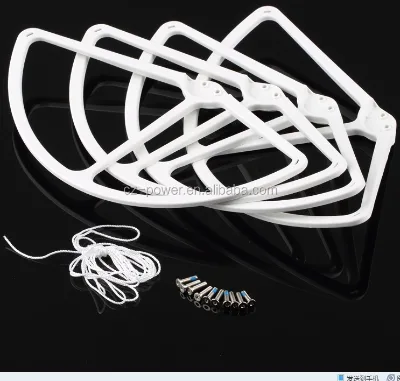
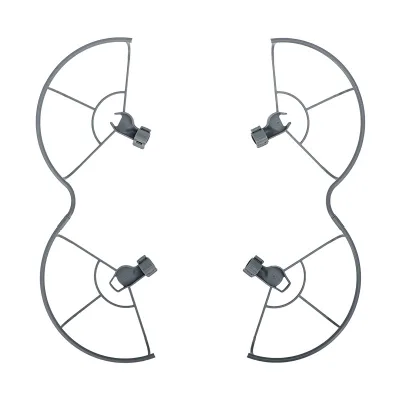
Comprehensive Sourcing Guide
Red Drone Props Guard Sourcing Guide
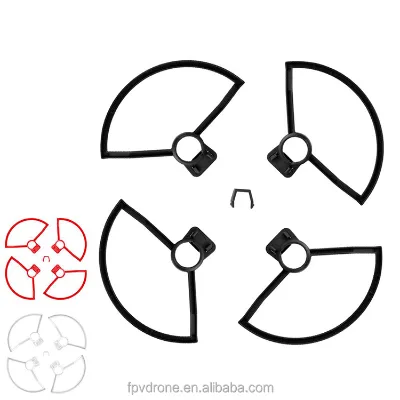
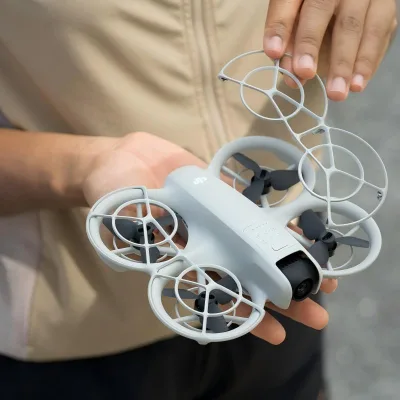
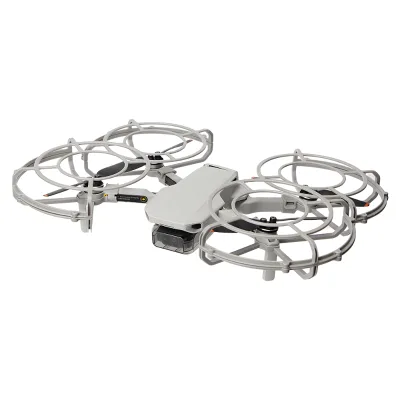
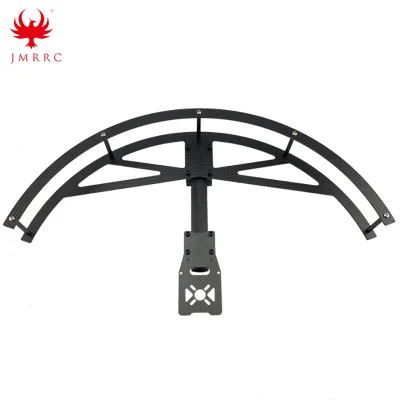
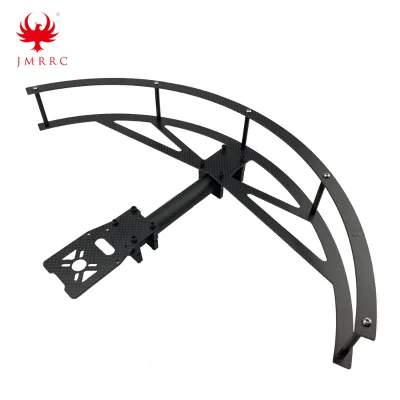
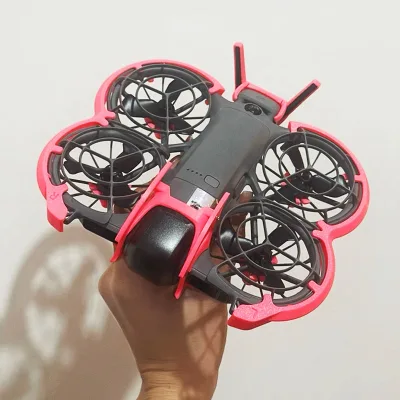
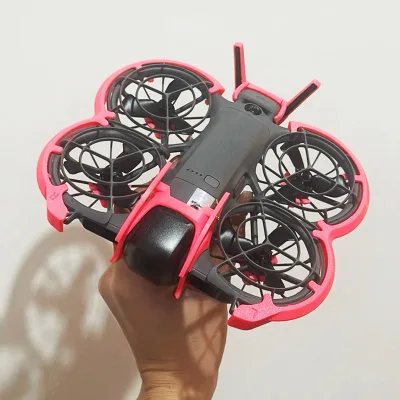
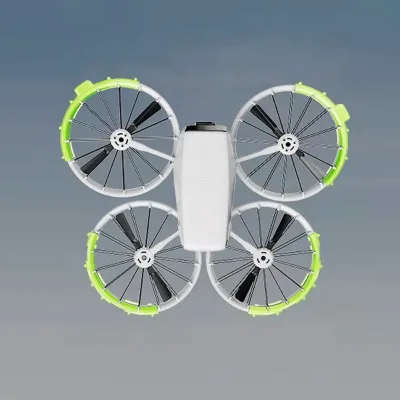
Procurement teams seeking red drone props guards must first distinguish between specialized protective accessories and general metal casting components often listed under similar keywords. The available market data indicates a specific focus on composite and flexible plastic materials designed for DJI Spark and Neo models, rather than generic industrial metal parts. Buyers should verify that the "red" color option is explicitly listed for the specific drone model, as some listings offer black or white variants alongside the requested red finish.
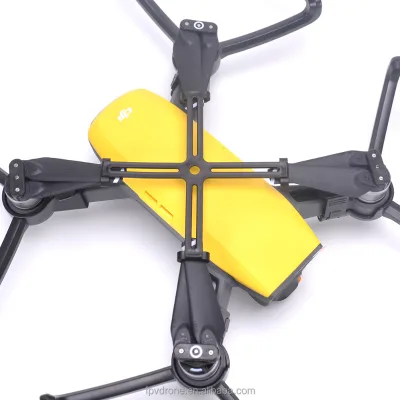
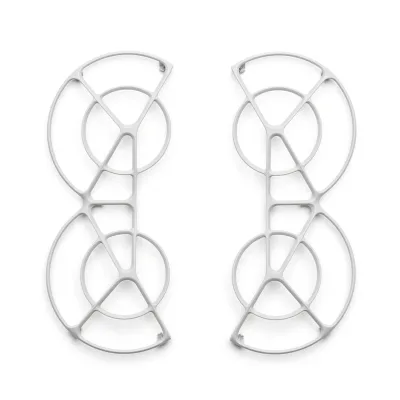
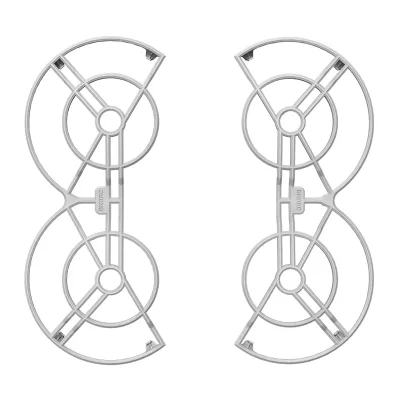
When evaluating product listings, it is critical to confirm the exact model number compatibility, such as the DJI Spark Propeller Protective Guard Generation 2 or the KAW-077 for the Neo. The observed supply chain data highlights a clear distinction between flexible plastic guards and rigid metal components, which serve different operational needs. Sourcing decisions should prioritize the material composition to ensure the guard provides the intended quick-release functionality without compromising the drone's flight dynamics or weight balance.
Product Scope and Observed Listing Signals
The current market for red drone props guards reveals a diverse range of product attributes, including specific packaging details like anti-static bags and strong cartons for bulk shipments. Listings frequently specify a supply ability of 100,000 sets or pieces per week, indicating that suppliers are capable of handling high-volume orders for commercial or industrial drone fleets. Buyers must carefully review the "Selling Units" field, as some products are listed as single items while others are packaged in sets of fifty per carton, which directly impacts logistics planning and inventory management.
Observations of the product scope also show variations in dimensions and weight, with some guards measuring approximately 7.2x7.2x0.6cm and weighing around 2.4 grams per unit. These physical specifications are vital for ensuring the guards fit the specific drone frame without interfering with sensor arrays or motor clearance. Procurement teams should note that while some products are described as "composite material," others are explicitly defined as "flexible plastic" or "metal," requiring a clear definition of the desired material properties before placing an order.
Technical Specifications to Verify
Technical verification begins with confirming the precise model number and compatible drone brand, as the data shows specific listings for DJI Spark and DJI Neo models. Buyers must ensure the product dimensions, such as 129.36813.5 mm or 7.2x7.2x0.6cm, align with the physical requirements of their specific drone fleet. The "Function 1" and "Function 2" attributes, which describe quick-release capabilities and perfect propeller guarding, should be validated against the actual product design to ensure the mechanism operates smoothly during rapid deployment or removal.
Material properties are another critical technical specification, with observed listings ranging from composite materials and flexible plastics to metal components. The tolerance levels for metal parts are noted as +/-0.01mm to +/-0.05mm, which is essential for precision-engineered components used in metal casting or machining applications. For plastic guards, the surface roughness and flexibility must be assessed to guarantee durability against impact while maintaining the lightweight profile required for aerial operations.
Compliance and Safety Documentation
Compliance verification requires checking for recognized certifications such as ISOGS, RoHS, and CE, which are explicitly mentioned in the provided product data. These certifications indicate that the manufacturing process adheres to specific environmental and safety standards, which is particularly important for electronic accessories that may come into contact with drone batteries or sensitive flight controllers. Buyers should request current certification documents to ensure the products meet the regulatory requirements of their target markets, especially if the drones are being deployed in regions with strict aviation safety laws.
In addition to product certifications, the manufacturing standards listed, including BS, ANSI, JIS, GB, GOST, ASTM, and DIN, provide a framework for quality assurance. Procurement teams should verify that the supplier's production processes align with these international standards to minimize the risk of defects or safety hazards. The "Condition" of the products is listed as "New," but buyers must also confirm that the packaging details, such as anti-static bags, are sufficient to protect the components during transit and storage.
Cost Drivers and Commercial Terms
Cost drivers for red drone props guards include the material composition, with metal components generally commanding different price points than flexible plastic or composite alternatives. The observed price range in the market spans from 0.1 to 42 USD, reflecting the significant variation in manufacturing complexity and material costs. Buyers should analyze the unit price in the context of the Minimum Order Quantity (MOQ), which ranges from 1 to 200 units, to determine the most economical purchasing strategy for their specific volume requirements.
Commercial terms are heavily influenced by the supplier's supply ability, which is reported as 100,000 sets or pieces per week, suggesting a high-capacity production environment. The packaging details, such as 50 sets per carton, affect shipping costs and storage efficiency, making it essential to negotiate terms that optimize these logistical factors. Additionally, the availability of customization services and OEM support can impact the final cost, as bespoke designs or specific branding may require additional tooling or setup fees.
Supplier Qualification and Quality Control
Supplier qualification should focus on verifying the business type, with many listings identifying themselves as factories or manufacturers capable of providing CNC machining, turning, and milling services. The presence of OEM support and customized drawing formats, such as Step, STP, and CAD files, indicates a supplier's ability to adapt to specific design requirements. Buyers must assess the supplier's technical capabilities, including their tolerance levels and surface roughness standards, to ensure they can consistently produce high-quality components that meet strict engineering specifications.
Quality control processes are further evidenced by the detailed packaging and shipping information, including the use of anti-static bags and strong cartons to prevent damage. The "Customized" attribute suggests that suppliers are willing to tailor products to specific needs, but this requires rigorous quality checks to ensure the customization does not compromise the product's integrity. Procurement teams should establish clear quality acceptance criteria based on the observed specifications, such as weight and dimensions, to maintain consistency across large orders.
Long-Term Procurement Checks
Long-term procurement strategies should include regular audits of the supplier's supply ability and production capacity to ensure they can meet ongoing demand without delays. The observed supply ability of 100,000 sets per week is a strong indicator of capacity, but buyers must verify that this level of output can be sustained over time, especially during peak seasons or when facing supply chain disruptions. Establishing a reliable relationship with a supplier who can consistently deliver high-quality red drone props guards is essential for maintaining operational efficiency.
Continuous monitoring of product specifications and compliance status is also critical for long-term success. Buyers should periodically review the certifications and standards, such as RoHS and CE, to ensure they remain valid and up-to-date with changing regulations. Additionally, tracking the performance of the guards in real-world applications will provide valuable feedback on durability and functionality, allowing for informed decisions regarding future procurement and potential product improvements.
FAQs
What materials are used for red drone props guards?
Red drone props guards are typically made from composite materials or flexible plastic to ensure durability and impact resistance. Some variants utilize metal for heavy-duty applications. These materials provide the necessary protection for drone propellers during flight while maintaining a lightweight profile suitable for various drone models.
Which drone models are compatible with these guards?
These guards are primarily compatible with DJI Spark and DJI Neo models. Specific models like the DJI Spark Propeller Protective Guard Generation 2 are designed for precise fitment. Buyers should verify the compatible drone brand and model number before purchase to ensure proper installation and functionality on their specific drone unit.
Can these guards be customized for specific requirements?
Yes, customization is available for red drone props guards. Manufacturers support OEM services and accept various drawing formats such as Step, STP, and CAD files. Buyers can request specific tolerances, surface roughness, and material choices. This flexibility allows for tailored solutions that meet unique operational needs and branding requirements for professional drone applications.
What certifications do these products hold?
These products hold certifications including ISOGS, RoHS, and CE. These standards ensure compliance with international safety and environmental regulations. Buyers relying on certified components can be confident in the product quality and regulatory adherence. Always verify specific certification documents with the supplier to ensure they meet your local market requirements and operational safety standards.
How are these guards packaged for shipping?
The guards are packaged in anti-static bags with one set per bag. Fifty sets are packed into a strong carton for bulk shipping. This packaging ensures protection against static damage and physical impact during transit. The robust carton design helps maintain product integrity, making it suitable for international shipping and bulk orders from manufacturers in China.
What is the typical supply capacity for these items?
The typical supply ability is 100,000 sets or pieces per week. This high capacity ensures that bulk orders can be fulfilled promptly without significant delays. Manufacturers in Guangdong and Ningbo, China, maintain this production level to meet global demand. Buyers requiring large quantities can rely on this consistent supply rate for their procurement planning and inventory management.