Source Rechargeable Handheld Facial Care Head for Skin Care, Salon, Home
Explore 30 options for the Rechargeable Handheld Facial Care Head designed for skin care, salon, and home use. Buyers can compare models like C812 and B007, noting features such as USB charging, waterproof heads, and varying weights to find the right fit.
Updated
Key considerations
Products List
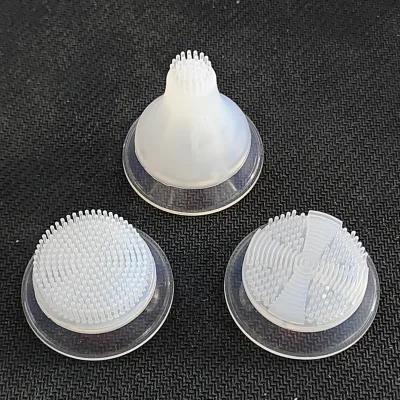


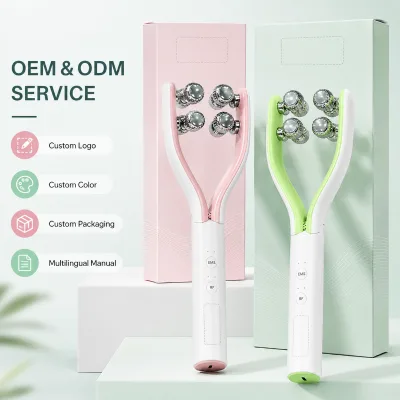

Handheld Jade Roller Mini Electronic Face Skin Care Beauty Bar Hand Facial Head Massager
$1.66 - $2.56
MOQ: 100 Pieces

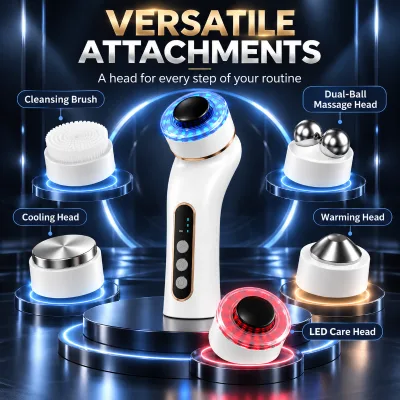


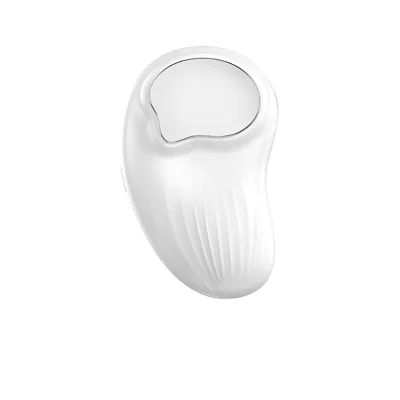
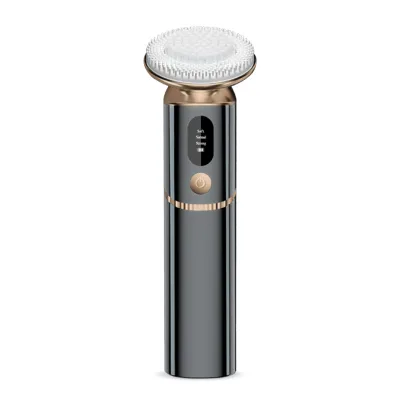

Premium Rechargeable Portable Heated Handheld Facial Cleansing Device
$4.3815 - $4.8572
MOQ: 1000 Pieces

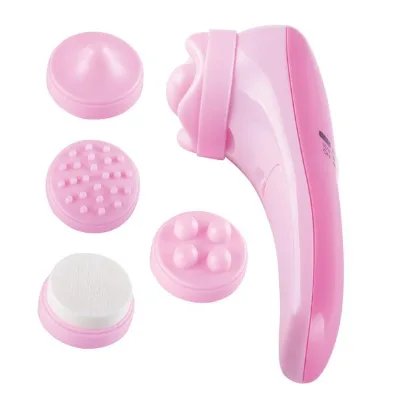


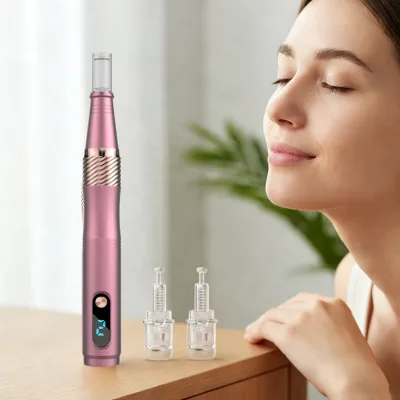
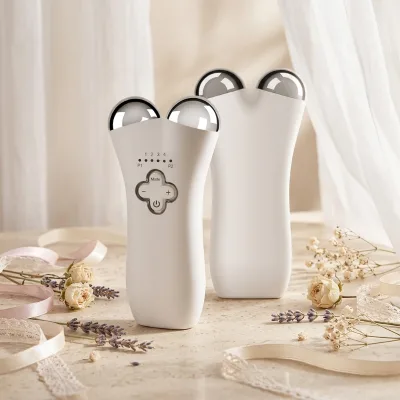
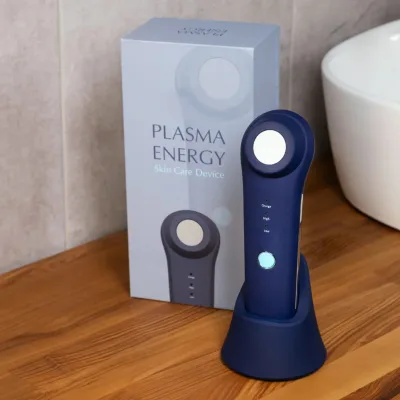
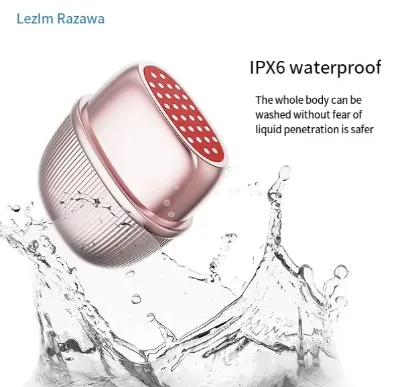


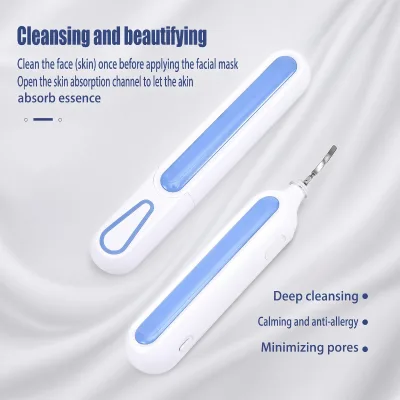
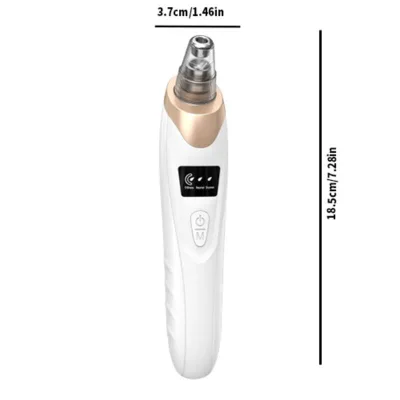
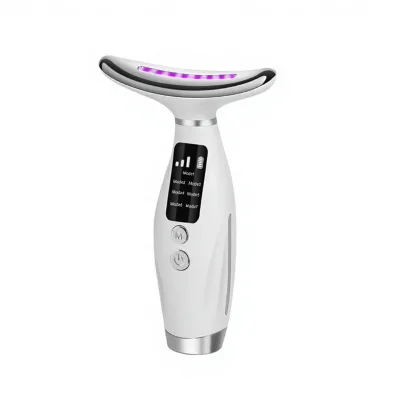
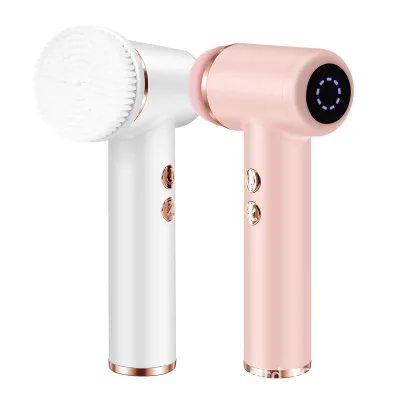
Comprehensive Sourcing Guide
Rechargeable Handheld Facial Care Head Sourcing Guide
Procuring rechargeable handheld facial care heads requires a nuanced understanding of component compatibility and device integration. Buyers must distinguish between standalone units and replaceable heads designed for specific oxygen or ultrasonic devices. The market offers varied configurations, including silicone massage heads for oxygen devices and complete handheld systems with EMS and roller features. Understanding whether the requirement is for a replacement part or a primary device is the first critical step in defining the technical scope.
The observed product landscape includes items ranging from simple silicone attachments to complex handheld devices with multiple massage levels and colored lights. Specifications vary significantly, with some products focusing on skin tightening technology while others emphasize portable, waterproof designs. Buyers should carefully review the single package size and gross weight to determine logistics implications, as these factors directly impact shipping costs and storage requirements for bulk orders.
Product Scope and Observed Listing Signals
The current market signals indicate a diverse range of product types under this keyword, including silicone massage heads and complete handheld devices. Observed listings feature products with specific model numbers such as C812, B007, and B015, each with distinct packaging dimensions and weights. For instance, some items are packaged in gift boxes with a single gross weight of 0.010 kg, while others are heavier handheld units weighing up to 0.5 kg. This variance suggests that buyers must clearly specify whether they need a consumable accessory or a durable electronic device.
Color options and material compositions also vary across listings, with silicone and ABS being common materials. Some products offer multiple color choices like number 1, number 2, and number 3, while others are available in specific colors like pink. The application scope extends to both salon and home use, with features ranging from basic massage to advanced skin tightening. Buyers should verify the exact application and material to ensure the product meets their specific aesthetic and functional requirements.
Technical Specifications to Verify
Technical verification must focus on power requirements and operational parameters, which vary significantly across different models. Some devices operate on a service power of 30W with a charge voltage of 5V/1A, while others require a DC 12V 3A input. Working time is another critical variable, with some units offering only 10 minutes of operation and others providing up to 1.5 hours. Buyers must match these electrical specifications to their target market’s power standards and usage expectations to avoid compatibility issues.
Additional technical features include ultrasonic frequency, waterproof levels, and charging modes. Observed specifications mention an ultrasonic frequency of 24kHz and an IPX5 waterproof rating for the head only. Charging modes range from USB chargers to Type-C interfaces, and some devices feature six kinds of colored lights or eight-roller designs. Verifying these details ensures that the product delivers the intended performance and meets the durability expectations of professional or home users.
Compliance and Safety Documentation
Compliance verification is essential for electronic beauty devices, particularly regarding electrical safety and material standards. While specific certification statuses like CE and RoHS are mentioned in background contexts, buyers must request current, valid certificates from suppliers for each model. These documents confirm that the product meets international safety standards for low-voltage equipment and restricts hazardous substances. Without verified documentation, importing these devices into regulated markets can lead to customs delays or product recalls.
Material safety is equally important, especially for products that come into direct contact with skin. Silicone and ABS materials should be verified for biocompatibility and durability. Buyers should also check for any specific standards related to electromagnetic compatibility, such as IEC 55014, if applicable to the device’s electronic components. Ensuring that all safety documentation is up-to-date and model-specific protects the buyer from liability and ensures consumer safety.
Cost Drivers and Commercial Terms
Cost structures are influenced by material complexity, electronic components, and packaging requirements. Products with advanced features like EMS levels, multiple massage modes, and colored lights typically command higher prices than simple silicone heads. The observed price range of 0.37 to 58.38 USD reflects this disparity, with basic accessories at the lower end and complex handheld devices at the higher end. Buyers should align their budget with the feature set required for their target market segment.
Minimum order quantities (MOQ) and packaging units also affect total procurement costs. MOQs range from 1 to 3000 units, with carton packing quantities varying from 20 to 40 pieces. Larger orders may benefit from economies of scale, but buyers must consider storage capacity and cash flow implications. Additionally, customization availability can impact pricing, as custom branding or packaging often requires higher MOQs and setup fees.
Supplier Qualification and Quality Control
Supplier qualification should prioritize manufacturers with proven experience in beauty device production and export compliance. Buyers must verify the supplier’s ability to provide consistent quality across batches, especially for electronic components like batteries and charging circuits. Requesting samples is crucial to test the actual working time, charging efficiency, and build quality. Suppliers offering a one-year warranty, as seen in some listings, may indicate greater confidence in their product durability.
Quality control processes should include pre-shipment inspections focusing on functional testing and packaging integrity. Buyers should specify acceptance criteria for defects, such as battery performance degradation or cosmetic flaws. For products with waterproof ratings, verifying the seal integrity is essential. Establishing a clear quality agreement with the supplier ensures that any deviations from the agreed specifications are addressed before shipment, reducing the risk of receiving non-conforming goods.
Long-Term Procurement Checks
Long-term procurement success depends on monitoring product performance and supplier reliability over time. Buyers should track return rates and customer feedback to identify any recurring issues with battery life or component failure. Regularly reviewing the supplier’s ability to meet lead times and maintain consistent quality is vital for maintaining supply chain stability. Suppliers who offer customization and responsive after-sales support are better positioned to handle evolving market demands.
Additionally, buyers should stay informed about changes in regulatory requirements and technology trends. As devices become more advanced, ensuring ongoing compliance with updated safety standards is necessary. Building a strong relationship with the supplier can facilitate better pricing and priority support during peak seasons. Continuous evaluation of the product portfolio helps buyers adapt to market shifts and maintain a competitive edge in the beauty device sector.
FAQs
What materials are used for the Rechargeable Handheld Facial Care Head?
The product is constructed from silicone and ABS materials to ensure durability and skin safety. Some models feature a silicone massage head specifically designed for oxygen devices, while others utilize ABS for the main body structure to provide a lightweight yet sturdy handheld experience for home or salon use.
How long does the battery last on a single charge?
Working time varies by model, with some units offering ten minutes of continuous operation while others provide up to one and a half hours. The charging mode typically utilizes a USB charger or Type-C connection, ensuring convenient power replenishment for portable skincare routines in various settings.
Can the device be customized for specific branding needs?
Yes, customization is available for this Rechargeable Handheld Facial Care Head to meet specific branding requirements. Buyers can request tailored solutions, and the product supports various packaging options including gift boxes, allowing for distinct presentation while maintaining the core functionality of skin tightening and massage features.
Which certifications apply to the Rechargeable Handheld Facial Care Head?
High-confidence facts do not list specific certifications for every listed product, though background data mentions CE and RoHS standards. Buyers should verify individual product compliance as attributes vary, with some models featuring specific waterproof levels like IPX5 for the head only, ensuring safety during use.
What is the minimum order quantity for these devices?
The minimum order quantity ranges from one to three thousand units depending on the specific model and supplier terms. Packaging quantities vary significantly, with some cartons holding twenty pieces while others contain thirty, influencing the total volume required for a complete order based on the selected product configuration.
Where are these rechargeable handheld facial care heads manufactured?
Products originate from manufacturing locations in Guangdong and Shenzhen, China. These regions serve as the primary places of origin for the various models, ensuring that the supply chain is grounded in established production hubs known for electronics and skincare device manufacturing capabilities.
How many massage levels does the device offer?
Specific models feature an eight-roller design with three distinct massage levels and three EMS levels for varied treatment. This configuration allows users to adjust intensity according to their skin needs, providing a comprehensive skincare experience that includes ultrasonic frequency treatments at twenty-four kilohertz for effective skin tightening.