Source RGBW High Power SMD LED for Smart Home, Lighting, Display
Find 30 verified RGBW High Power SMD LED options with varying power ratings, lifespans, and certifications. Compare specifications from suppliers in China to select the right components for smart home, general lighting, and display applications; compare the available evidence and request quotations based on your requirements.
Updated
Key considerations
Products List


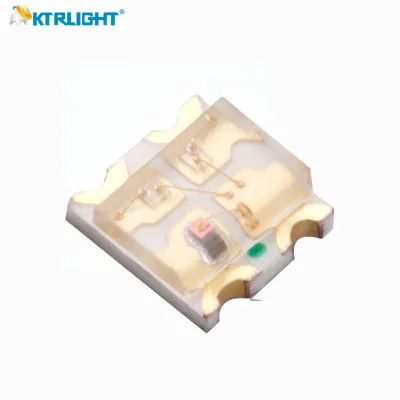
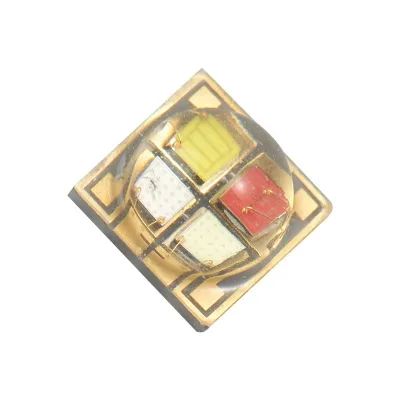
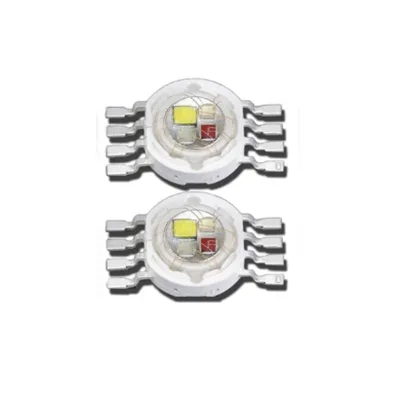
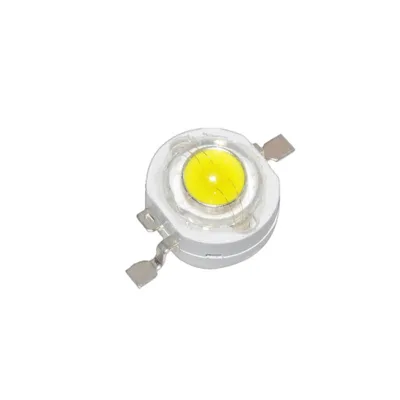
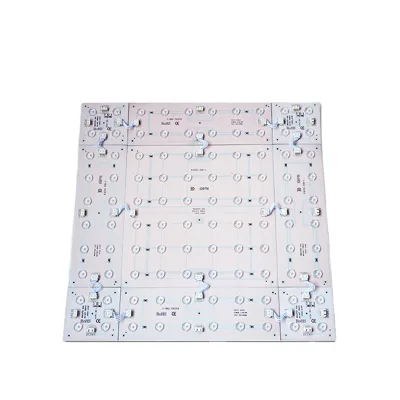
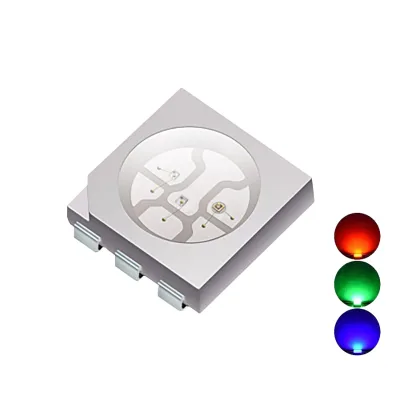
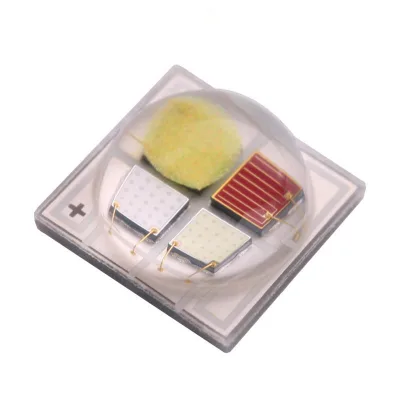
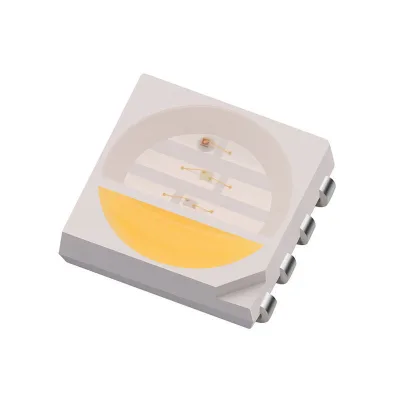
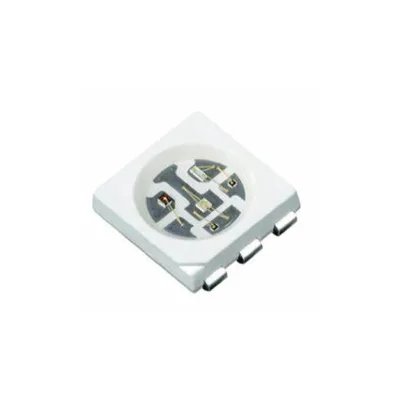
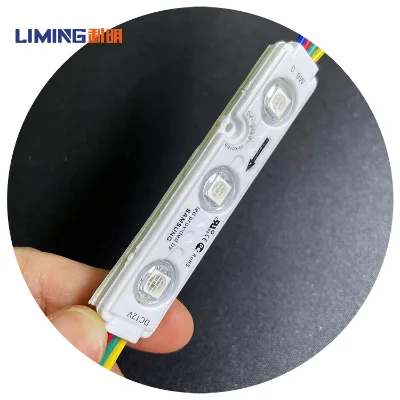

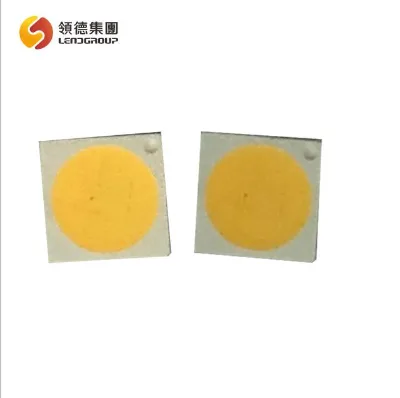
Comprehensive Sourcing Guide
RGBW High Power SMD LED Sourcing Guide
Sourcing high-power RGBW surface-mount device (SMD) LEDs requires a disciplined approach to technical verification and supplier qualification. These components are critical for smart home lighting and display applications, where color accuracy and thermal management determine final product performance. Buyers must navigate a market with significant variation in chip brands, packaging types, and certification levels to ensure reliable integration into their designs.
The procurement process involves balancing cost efficiency with long-term reliability. Observed market data indicates a wide price range and minimum order quantity (MOQ) flexibility, allowing for both prototyping and mass production. However, the diversity in specifications, such as luminous flux and input voltage, necessitates rigorous due diligence. This guide outlines the essential steps for evaluating products, verifying compliance, and establishing sustainable supply chain relationships for RGBW SMD LEDs.
Product Scope and Observed Listing Signals
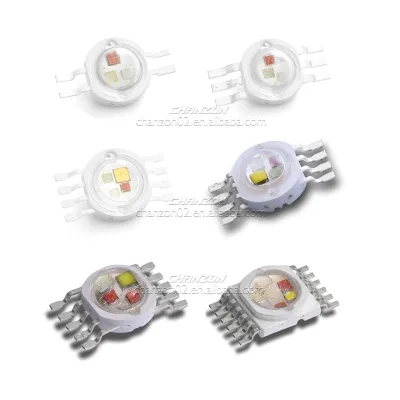
The current market for RGBW high-power SMD LEDs features a diverse array of models, including specific part numbers like GT-3535RGBW-4BC0 and GP-4WRGBW-G30T. Listings frequently highlight key attributes such as a 120-degree beam angle, 3535 package dimensions, and a nominal power rating of 3W to 4W. Buyers should observe that chip materials often include AlGaInP, while packaging types vary between chip and top configurations, directly impacting optical performance and thermal dissipation capabilities.
Observed listing signals reveal significant variation in brand origins and component quality. Chip brands such as Epileds, Epistar, and OSRAM are commonly cited, indicating a tiered market structure. Luminous flux ranges differ by color channel, with red values typically lower than green or white outputs. Additionally, life expectancy claims vary between 50,000 and 80,000 hours, suggesting that buyers must verify these metrics against independent test data rather than relying solely on supplier assertions for critical applications.
Technical Specifications to Verify
Technical verification must begin with electrical parameters, particularly input voltage and current ratings. Listings show input voltages ranging from 2.0V to 3.8V depending on the color channel, with a standard current of 350mA. Buyers should confirm that the driver circuitry matches these specific forward voltage ranges to prevent overdriving or underperforming LEDs. Wavelength specifications are equally critical, with red light typically spanning 620-630nm and blue light around 455-470nm, ensuring accurate color reproduction in final assemblies.
Thermal and physical specifications require equal attention during the verification phase. The base material is predominantly aluminum, which aids in heat dissipation, but buyers must verify the thermal resistance values for their specific mounting conditions. Package dimensions, such as 20x20x1.5mm, must align with PCB footprints to avoid assembly issues. Furthermore, the formation type, often gold thread, impacts solderability and long-term electrical stability, making it a key factor in quality control checks before mass production begins.
Compliance and Safety Documentation
Compliance documentation is a non-negotiable aspect of sourcing electronic components, particularly for global markets. Listings frequently cite certifications such as CE, RoHS, and FCC, which are essential for market access in Europe and North America. Buyers must request valid certificates from accredited bodies to verify that the supplier’s claims are legitimate. The presence of additional certifications like UL, GS, or KEMA indicates a higher level of safety scrutiny, which may be required for commercial or industrial lighting projects.
Energy efficiency and environmental standards also play a crucial role in procurement decisions. Certifications such as Energy Star and CSA suggest adherence to strict energy consumption guidelines, which can influence the overall efficiency of the end product. Buyers should ensure that the supplier provides up-to-date compliance reports, as regulations evolve frequently. Verifying that the product meets specific regional standards prevents costly recalls and ensures that the final assembly can be legally sold in target markets without regulatory hurdles.
Cost Drivers and Commercial Terms
Cost structures for RGBW SMD LEDs are influenced by several factors, including chip brand, packaging type, and certification level. Observed price ranges vary significantly, reflecting differences in quality and volume discounts. Buyers should analyze the total cost of ownership, which includes not only the unit price but also shipping, tariffs, and potential quality-related costs. Minimum order quantities (MOQs) typically range from 2 to 40,000 pieces, offering flexibility for both small batches and large-scale production runs.
Commercial terms such as payment methods, lead times, and warranty periods are critical for supply chain stability. Listings often mention warranty periods of four years, which provides a baseline for expected product longevity. However, buyers should negotiate specific terms that align with their production schedules and risk tolerance. Understanding the supplier’s packing methods, such as reels or boxes, is also important for handling efficiency. Clear communication regarding these commercial terms helps avoid unexpected costs and ensures a smoother procurement process.
Supplier Qualification and Quality Control
Supplier qualification involves assessing the manufacturer’s production capabilities and quality management systems. Buyers should verify the supplier’s origin, with many listings indicating production in Shenzhen, China, a major hub for electronics manufacturing. It is essential to confirm that the supplier has robust quality control processes in place, including incoming material inspection and final product testing. Requesting samples for independent evaluation allows buyers to assess the actual performance and consistency of the LEDs before committing to large orders.
Quality control checks should include visual inspection for defects, electrical testing for forward voltage and luminous flux, and thermal cycling tests to ensure durability. Buyers should inquire about the supplier’s defect rate and their process for handling non-conforming products. Establishing a clear communication channel for technical support and issue resolution is also vital. A qualified supplier will provide detailed technical datasheets and be transparent about their manufacturing processes, ensuring that the buyer can trust the consistency and reliability of the supplied components.
Long-Term Procurement Checks
Long-term procurement success depends on continuous monitoring of supplier performance and product reliability. Buyers should establish key performance indicators (KPIs) such as on-time delivery rate, defect rate, and responsiveness to technical queries. Regular audits of the supplier’s quality management system can help identify potential issues before they impact production. Maintaining a diversified supplier base reduces risk and provides leverage in negotiations, ensuring that the supply chain remains resilient against market fluctuations or disruptions.
Product lifecycle management is another critical aspect of long-term procurement. As technology evolves, buyers must stay informed about new developments in RGBW LED technology, such as improved efficiency or new packaging formats. Regularly reviewing the supplier’s product portfolio can help identify opportunities for cost savings or performance improvements. Additionally, maintaining open communication with the supplier regarding future needs and market trends fosters a collaborative relationship, ensuring that the supplier remains committed to meeting the buyer’s evolving requirements.
FAQs
What certifications are available for RGBW High Power SMD LED products?
Certifications include CE, RoHS, FCC, GS, UL, KEMA, IMQ, LVD, EMC, Energy Star, CSA, and CCC. These vary by manufacturer and specific product model. Buyers should verify the exact certification list for the selected item to ensure compliance with regional safety and environmental standards before placing orders.
What is the typical lifespan of RGBW High Power SMD LED components?
The lifespan ranges from 50,000 to 80,000 hours depending on the specific model and operating conditions. This longevity supports long-term reliability in smart home and display applications. Users should consider thermal management and current limits to maintain the rated life and ensure consistent performance over time.
Can RGBW High Power SMD LED be customized for specific projects?
Yes, customization is available for many RGBW High Power SMD LED products. Buyers can often request specific packaging, binning, or electrical parameters. This flexibility allows integration into diverse smart home and lighting systems. Contact suppliers directly to discuss custom requirements and minimum order quantities for tailored solutions.
What is the input voltage range for RGBW High Power SMD LED?
Input voltage varies by color channel. Red typically requires 2.0-2.8V, while green, blue, and white channels often require 3.0-3.8V. Some models specify a general 3V input. Drivers must match these forward voltage ranges to ensure proper operation and prevent damage to the sensitive semiconductor junctions.
What packaging options are used for RGBW High Power SMD LED?
Common packaging includes 1000PCS/Reel for surface mount technology and Box or Carton for bulk handling. The standard package size is often 20x20x1.5mm. Reel packaging facilitates automated assembly, while carton options support manual handling. Verify the specific packing method with the supplier to align with your production line requirements.
Where are RGBW High Power SMD LED products typically manufactured?
Products are typically manufactured in China, with specific origins noted as Shenzhen. This region is a major hub for electronic component production. Buyers should confirm the exact factory location and origin details for each supplier to assess logistics, tariffs, and supply chain resilience for their specific sourcing needs.