Source SS316L Chemical Crystallizer for Distillation, Evaporation, and Concentration
Find 30 verified SS316L Chemical Crystallizer units from Chinese manufacturers. Compare specifications including vacuum distillation, PLC control, and 500L/Hour productivity for industrial chemical processing needs. These units feature stainless steel 304 or 316L construction, electric auto control, and continuous operating capabilities suitable for various chemical applications requiring high efficiency and low consumption.
Updated
Key considerations
Products List

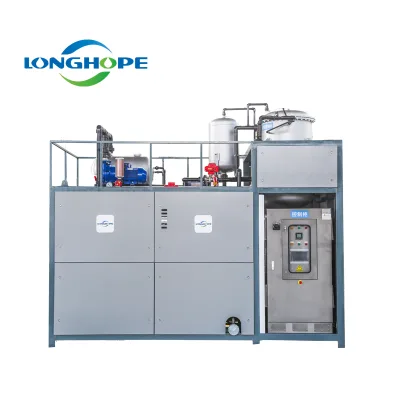
Energy-Saving SS316 Low Temperature Crystallizer for Amino Acid Crystal Purification
$51335.5035 - $71869.7049
MOQ: 1 sets
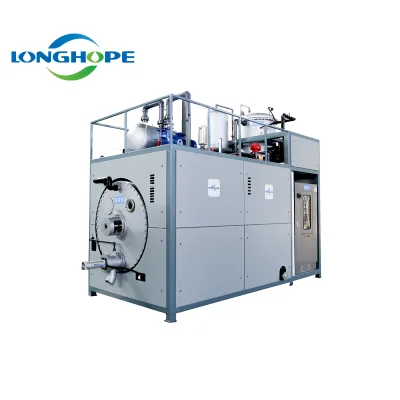
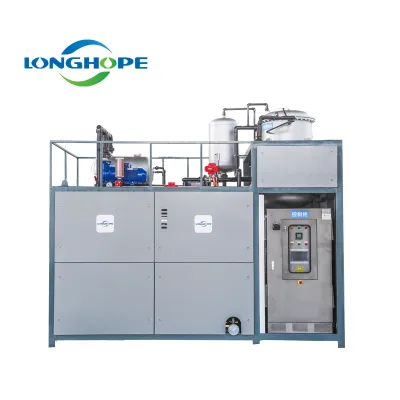
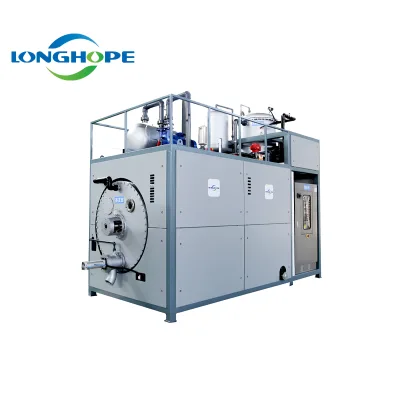
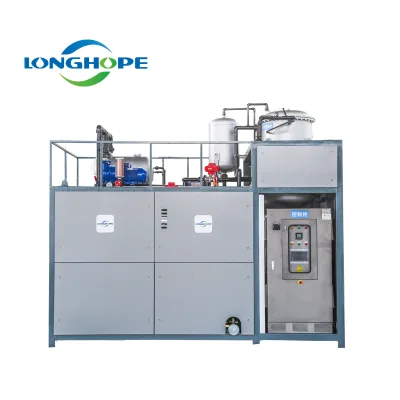
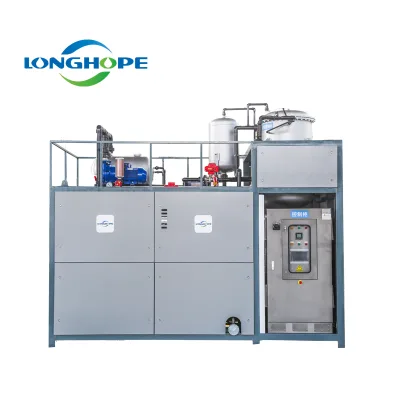


Heavy-Duty Multi Effect Evaporation Crystallizer for Reliable Processing
$52600.00 - $325000.00
MOQ: 1 Pieces

Reliable Multi Effect Evaporation Crystallizer with Stainless Steel Construction
$52600.00 - $325000.00
MOQ: 1 Pieces

Efficient Multi Effect Evaporation Crystallizer for Sustainable Industrial Use
$52600.00 - $325000.00
MOQ: 1 Pieces


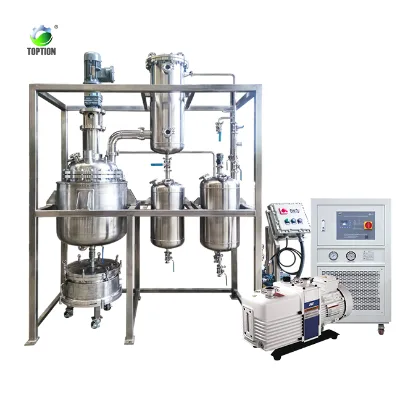

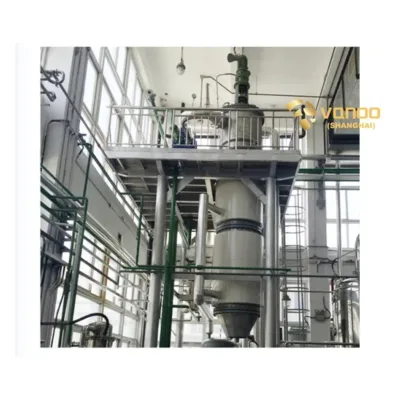
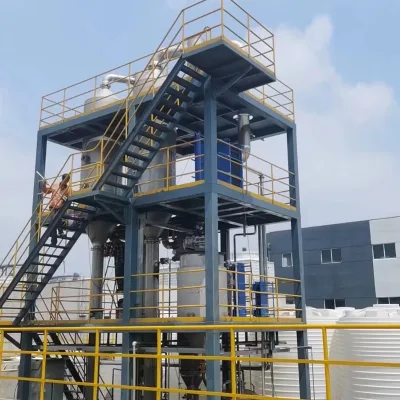
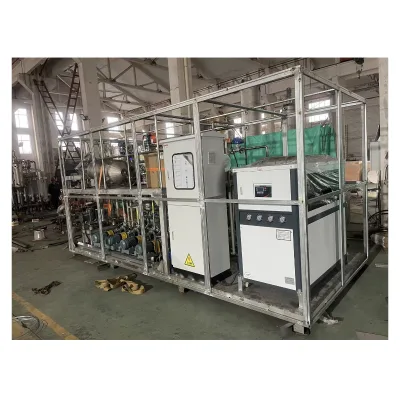
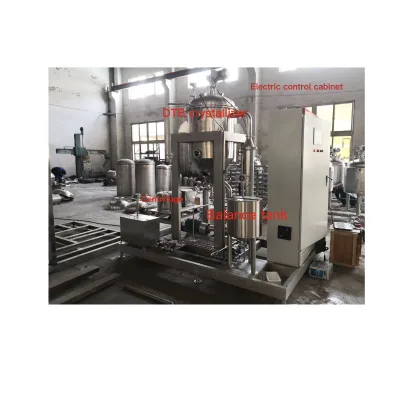
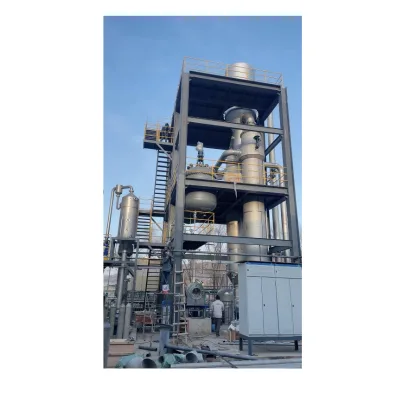
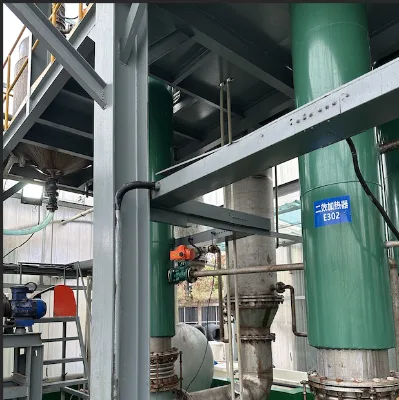


Industrial Multi Effect Evaporation Crystallizer for Chemical Processing
$8000.00 - $30000.00
MOQ: 1 Pieces


Crystallizer Evaporation Crystallizer Cooling Crystallizer Pressure Vessel
$1500.00 - $5500.00
MOQ: 1 Pieces


Stainless Steel SS304 SS316L Sugar Forced Circulation Crystallizer Reaction Tank Reactor
$7700.00 - $9900.00
MOQ: 1 Pieces

Comprehensive Sourcing Guide
SS316L Chemical Crystallizer Sourcing Guide
Procuring an SS316L Chemical Crystallizer requires a disciplined approach to verifying material integrity and operational efficiency. Buyers must prioritize equipment constructed from Stainless Steel 304, 316L, titanium, or 2205 duplex steel to ensure resistance against corrosive chemical environments. The observed market data indicates that suppliers offer customization options, allowing for tailored configurations that meet specific industrial distillation needs. This flexibility is critical for facilities handling diverse chemical compositions, where standard models may fail to provide adequate corrosion protection or processing capacity.
The core keyword search reveals a strong emphasis on vacuum distillation processes, with operating temperatures maintained between 35-37 degrees Celsius. This low-temperature operation is a significant advantage for heat-sensitive materials, preserving product quality while reducing energy consumption. Buyers should verify that the selected unit supports continuous operating types, which are essential for high-throughput industrial applications. Understanding these operational parameters helps in selecting a machine that aligns with both production volume requirements and thermal sensitivity constraints of the chemical being processed.
Product Scope and Observed Listing Signals
The current market listings for SS316L chemical crystallizers highlight a wide range of capacities, typically spanning from 22 to 440 liters per hour. Some larger units offer volumes of 500L or 1000L, catering to substantial industrial demands. The observed price range is broad, extending from $1,500 to $557,000, reflecting variations in material grade, automation level, and processing capacity. This disparity underscores the importance of defining precise technical requirements before engaging with suppliers, as lower-priced options may lack the robust SS316L construction or advanced PLC controls necessary for rigorous chemical applications.
Listings frequently emphasize key selling points such as energy saving, eco-friendly operations, and remote monitoring capabilities. These features suggest a trend toward smart manufacturing integration, where real-time data acquisition enhances process control. Buyers should note that while many products claim high productivity and easy operation, the actual performance metrics, such as the 98-99% processing capacity mentioned in some contexts, require validation through machinery test reports. The presence of online support and video technical assistance indicates that suppliers are increasingly focusing on post-sale service, which is vital for maintaining operational continuity in complex chemical processing environments.
Technical Specifications to Verify
When evaluating technical specifications, the vacuum degree is a critical parameter, with observed ranges between 0.095 and 0.097 MPa. This level of vacuum is essential for achieving efficient evaporation at low temperatures, which is particularly beneficial for preventing thermal degradation of sensitive chemicals. Buyers must verify that the pump and pressure vessel components are compatible with this vacuum level and constructed from appropriate materials like SS316L or titanium. The power consumption, often listed around 55kW, should be cross-referenced with the expected throughput to ensure energy efficiency aligns with operational cost targets.
Dimensional constraints are another vital consideration, with observed package sizes varying significantly, such as 300x90x280 cm or 270x180x280 cm. These dimensions impact installation logistics and facility layout planning. The weight of the equipment, ranging from 1,500 kg to 9,000 kg depending on the model, necessitates careful assessment of floor loading capacity and lifting requirements. Additionally, the control system, often featuring electric auto-control with PLCs like Siemens, should be verified for compatibility with existing plant infrastructure. Ensuring that the voltage supply, typically 220V or customizable, matches the site’s electrical standards is crucial to avoid integration issues.
Compliance and Safety Documentation
Compliance with international standards is non-negotiable for chemical processing equipment. Buyers should insist on certifications such as CE and ISO9001, which indicate adherence to quality management and safety directives. The presence of a machinery test report is a strong indicator of supplier transparency and product reliability. These documents provide evidence that the crystallizer has undergone rigorous testing for performance and safety, reducing the risk of operational failures in the field. Verifying these certifications ensures that the equipment meets the regulatory requirements of the destination country, facilitating smoother customs clearance and installation.
Safety documentation should also include detailed operational manuals and maintenance guidelines, particularly for high-pressure and vacuum systems. The use of SS316L and other corrosion-resistant materials implies specific handling and cleaning protocols to maintain material integrity. Buyers must ensure that the supplier provides comprehensive documentation on material certificates, confirming the grade of stainless steel used in critical components. This verification is essential for industries where material traceability is mandated by regulatory bodies. Additionally, understanding the warranty terms, typically one year, and the scope of after-sales support, including online and video technical assistance, is vital for long-term risk mitigation.
Cost Drivers and Commercial Terms
The cost of an SS316L Chemical Crystallizer is influenced by several factors, including the grade of stainless steel, the complexity of the PLC control system, and the processing capacity. Higher grades of steel, such as titanium or 2205 duplex, significantly increase the base cost but offer superior corrosion resistance. The inclusion of advanced features like remote monitoring and energy-saving technologies also contributes to the price premium. Buyers should analyze the total cost of ownership, considering not just the initial purchase price but also energy consumption and maintenance costs over the equipment’s lifespan.
Commercial terms such as MOQ and lead times are typically standardized, with an observed MOQ of 1 unit. However, lead times can vary based on customization requirements and production schedules. Buyers should negotiate clear terms regarding payment milestones, shipping responsibilities, and installation support. The availability of customization options allows for tailored solutions but may extend lead times. It is crucial to establish a detailed timeline for design approval, manufacturing, and delivery to align with production schedules. Understanding these commercial dynamics helps in budgeting accurately and avoiding unexpected delays or cost overruns during the procurement process.
Supplier Qualification and Quality Control
Supplier qualification is a critical step in ensuring the reliability of the SS316L Chemical Crystallizer. Buyers should prioritize suppliers who provide machinery test reports and have a proven track record in the chemical processing industry. The origin of the equipment, often from regions like Jiangsu, China, should be verified for manufacturing quality and consistency. Engaging with suppliers who offer video technical support and online assistance indicates a commitment to customer service and problem resolution. This support is invaluable during the commissioning phase and for troubleshooting operational issues.
Quality control measures should include rigorous inspection of materials and components before shipment. Buyers should request detailed specifications of the core components, such as the pump, engine, and PLC, to ensure they meet the required performance standards. The use of SS316L and other high-grade materials must be verified through material certificates. Additionally, assessing the supplier’s ability to provide customization services is important for meeting specific process requirements. Establishing a clear communication channel with the supplier’s technical team can facilitate smoother integration and ensure that the equipment is tailored to the buyer’s unique operational needs.
Long-Term Procurement Checks
Long-term procurement success depends on establishing robust maintenance and support protocols. Buyers should verify the availability of spare parts and the supplier’s response time for technical support. The one-year warranty period is a standard offering, but extending this coverage through service contracts can provide additional peace of mind. Regular maintenance schedules should be developed in collaboration with the supplier to ensure optimal performance and longevity of the equipment. Monitoring the efficiency of the vacuum system and the integrity of the SS316L components is essential for preventing costly downtime.
Data-driven performance monitoring is another key aspect of long-term procurement. Utilizing the remote monitoring capabilities of modern crystallizers allows for proactive maintenance and process optimization. Buyers should establish key performance indicators (KPIs) to track energy consumption, processing capacity, and product quality over time. Regular reviews of these metrics can identify trends and potential issues before they escalate. Engaging with the supplier for periodic performance audits can also help in refining operational parameters and ensuring that the equipment continues to meet evolving production demands.
FAQs
What is the main material used for the SS316L Chemical Crystallizer?
The main material is stainless steel, specifically grades 304, 316L, titanium, or 2205. These materials ensure durability and corrosion resistance in chemical environments. The choice depends on the specific chemical properties being processed. This construction supports long-term reliability and maintains product purity during continuous industrial distillation operations.
Can the SS316L Chemical Crystallizer be customized for specific needs?
Yes, customization is available for this equipment. Buyers can tailor specifications to match unique production requirements. The system supports electric auto control via PLC Siemens. This flexibility allows for precise adjustments in volume and capacity, ensuring the machine integrates seamlessly into existing industrial workflows and meets specific operational standards.
What is the operating voltage and power consumption of the unit?
The unit operates on 220V electrical equipment with a power consumption of 55kw. It features a power supply of 220-240V at 50/60Hz, which can be customized. This efficient power profile supports continuous operating modes. The design prioritizes energy saving and eco-friendly performance while maintaining high productivity in industrial distillation applications.
What certifications does the SS316L Chemical Crystallizer hold?
The equipment holds CE certification and ISO9001 standards. These certifications verify compliance with international safety and quality management systems. The CE mark ensures the product meets European health, safety, and environmental protection requirements. This documentation provides buyers with confidence in the manufacturing quality and regulatory adherence of the industrial distillation machinery.
What is the productivity and capacity range of the crystallizer?
The productivity is 500L per hour, with a capacity range of 22 to 440L per hour. Available volumes include 1000L and 500L options. The processing capacity reaches 99% efficiency. This scalable performance allows for flexible deployment in various industrial settings, ensuring consistent output for salt crystallization and other chemical concentration processes.
What after-sales service is provided for the SS316L Chemical Crystallizer?
Online support and video technical support are provided. This ensures buyers receive assistance for installation and troubleshooting. The warranty covers one year for core components like the pump, engine, and PLC. This service structure helps minimize downtime and maintains operational efficiency throughout the equipment's lifecycle in demanding chemical processing environments.