Source Sus304 Jacket Mixing Tank for Milk, Yogurt, and Cheese
Compare 30 Sus304 Jacket Mixing Tank options from Shanghai suppliers. These stainless steel units support milk pasteurization, yogurt fermentation, and ice cream production with customizable capacities from 200L to 10000L; compare the available evidence and request quotations based on your requirements.
Updated
Key considerations
Products List


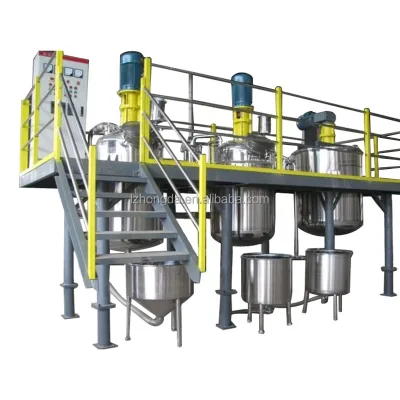
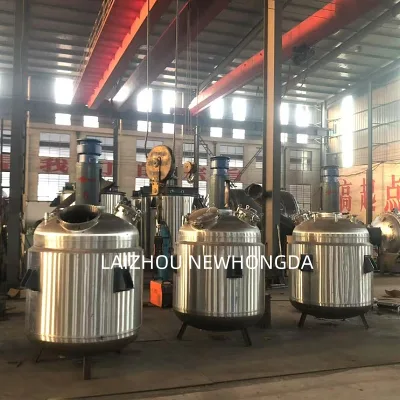
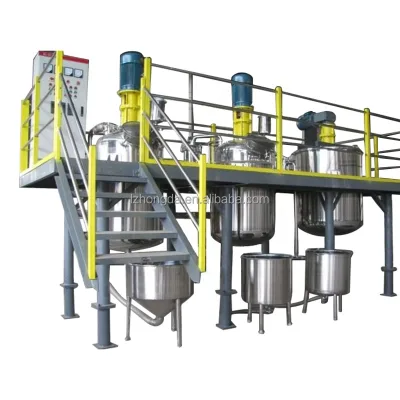
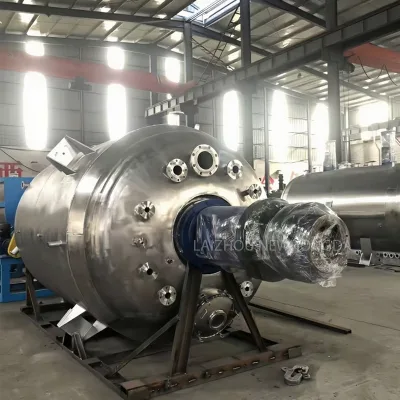
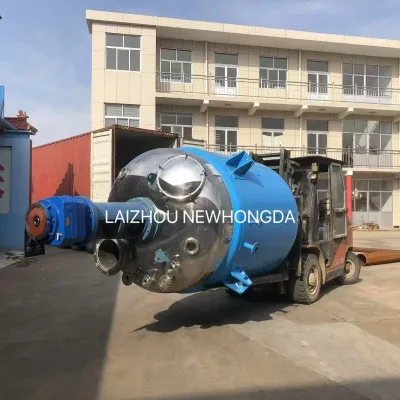
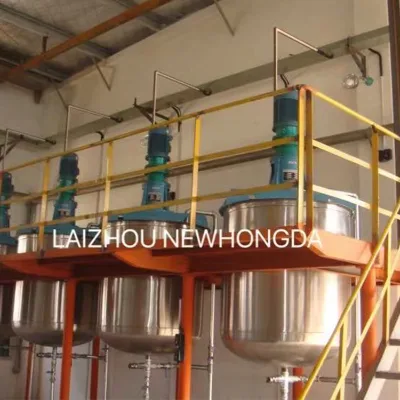


SS304 or 306 Liquid Mixing Tank Chemical Blending Tank Agitator Tank Jacketed Mixer Tank
$1000.00 - $3000.00
MOQ: 1 Sets


Comprehensive Sourcing Guide
Sus304 Jacket Mixing Tank Sourcing Guide
Procuring a Sus304 Jacket Mixing Tank requires careful evaluation of material integrity and thermal performance capabilities. These vessels are primarily designed for food-grade applications, including the processing of milk, yogurt, cheese, and ice cream. The double-jacket construction allows for precise heating and cooling cycles, which is critical for pasteurization and fermentation processes. Buyers must ensure that the stainless steel grade meets sanitary standards to prevent contamination and ensure easy cleaning.
The customization options available in the market allow for tailored solutions based on specific production volumes. Capacities typically range from 200 liters to 10,000 liters, accommodating both small-scale artisanal operations and large industrial facilities. The electric power source ensures consistent operation, while the mirror polish or sub-light finish on the tank interior facilitates hygiene maintenance. Understanding these core attributes helps buyers align equipment specifications with their operational throughput and quality control requirements.
Product Scope and Observed Listing Signals
Market listings for these tanks frequently highlight their versatility in handling various fluid viscosities. The equipment is suitable for liquid, viscous fluids, and liquids with suspended solids, making it a flexible asset for diverse food processing lines. Observations indicate that models often feature spiral stirring types and adjustable agitator speeds, such as 36rpm, 48rpm, or 960rpm. These mechanical details are crucial for achieving uniform mixing without damaging delicate ingredients during the blending process.
Additional capabilities observed in product descriptions include milling, granulating, drying, and coating functions, suggesting a multi-purpose utility. The tanks are often described as new condition items with standard export wooden box packing, ensuring safe transit. Some listings specify conical mixing drum shapes, which can aid in complete product discharge. Buyers should verify these specific design features against their unique processing needs, as not all listed products may satisfy every claimed attribute.
Technical Specifications to Verify
The material composition is a primary technical consideration, with most tanks constructed from Stainless Steel 304 or 316. This grade selection directly impacts corrosion resistance and suitability for acidic or salty food products. The tank construction typically involves an inside wall, jacket wall, and outside wall, providing structural integrity and thermal efficiency. Insulation materials like rock wool or polyurethane foam are often used to maintain temperature stability and reduce energy consumption during heating and cooling cycles.
Electrical and operational parameters must be confirmed to match facility infrastructure. Voltage options generally include 220V/380V at 50Hz, requiring verification against local power standards. Motor brands such as Siemens, ABB, or Chinese brands are commonly cited, influencing long-term reliability and maintenance costs. The heating temperature can reach up to 100°C and is often controllable, which is essential for pasteurization protocols. Buyers should also check for integrated level meters, thermometers, and pressure gauges to ensure comprehensive process monitoring.
Compliance and Safety Documentation
Certification status is a critical factor in supplier evaluation, with ISO and CE marks frequently appearing in product data. These certifications indicate adherence to international quality management and European safety directives, respectively. Buyers must request valid certificates to verify that the manufacturing process meets regulatory requirements for food processing equipment. The presence of these marks provides assurance regarding the structural safety and electrical compliance of the jacketed mixing tanks.
Safety features such as CIP (Clean-in-Place) spray balls are essential for maintaining hygiene without disassembly. This automated cleaning system reduces labor costs and minimizes the risk of cross-contamination between production batches. The automatic grade of the equipment suggests a high level of process control, which is vital for consistent product quality. Documentation should also confirm that the cooling method, typically water cooling, is integrated safely to prevent leaks or pressure issues during operation.
Cost Drivers and Commercial Terms
Pricing for sus304 jacket mixing tanks varies significantly based on capacity, material grade, and customization level. Observed price ranges in the market extend from low-cost basic models to high-end specialized units, reflecting differences in component quality and engineering complexity. The minimum order quantity is often one unit, allowing for flexible procurement strategies. Buyers should analyze the total cost of ownership, including energy efficiency and maintenance requirements, rather than focusing solely on the initial purchase price.
Commercial terms such as delivery time and packing standards also influence the overall procurement cost. A typical delivery lead time of ten days is observed for standard configurations, but customized models may require longer production periods. The use of standard export wooden boxes ensures protection during shipping, reducing the risk of damage. Buyers should negotiate clear terms regarding installation support and warranty coverage to mitigate potential post-purchase risks and ensure operational readiness.
Supplier Qualification and Quality Control
Supplier location and origin play a role in logistics and communication efficiency. Many manufacturers are based in Shanghai, China, a hub for industrial equipment production. Verifying the supplier’s production capabilities and quality control processes is essential to ensure consistent product quality. Buyers should inquire about the sourcing of raw materials, particularly the authenticity of the SS304/SS316 steel, to avoid substandard replacements.
Quality control checks should include visual inspection of welds, surface finish, and component alignment. The mixer speed and stirring type must be tested to ensure they meet the specified operational parameters. Buyers should also verify the brand and origin of critical components like motors and control panels. Establishing a clear communication channel with the supplier allows for real-time updates on production progress and facilitates the resolution of any technical discrepancies before shipment.
Long-Term Procurement Checks
After installation, regular maintenance is crucial for extending the lifespan of the jacket mixing tank. The CIP system and internal polish should be inspected periodically to ensure effective cleaning and prevent residue buildup. Monitoring the performance of the agitator and motor helps identify wear and tear early, allowing for timely repairs. Buyers should maintain a log of operational parameters to detect any deviations that might indicate mechanical issues or process inefficiencies.
Supply chain resilience is another long-term consideration. Ensuring the availability of spare parts, such as seals, gaskets, and motor components, is vital for minimizing downtime. Buyers should establish a relationship with the supplier for ongoing technical support and troubleshooting assistance. Regular audits of the equipment’s compliance with safety and hygiene standards will help maintain product quality and regulatory adherence throughout the operational lifecycle.
FAQs
What materials are used for the jacket mixing tank?
The tank is constructed from Stainless Steel 304 or 316. This material ensures durability and hygiene for food applications. The double jacket design supports efficient heating and cooling. Mirror polish or sub-light finishes are available. These materials resist corrosion and meet sanitary standards for processing liquids and viscous fluids safely.
Can the tank capacity be customized for specific needs?
Yes, customization is available for tank capacities. Models range from 200 liters up to 10,000 liters. This flexibility allows adaptation to various production scales. The design supports liquid, viscous fluid, and suspended solid applications. Buyers can select the exact volume required for their specific processing workflow and facility constraints.
What certifications do these mixing tanks hold?
The equipment holds ISO and CE certifications. These confirm compliance with international quality and safety standards. The manufacturing process follows strict guidelines. This ensures reliable performance in food processing environments. Buyers can verify these credentials to meet regulatory requirements for dairy, juice, and other sanitary processing applications.
How is the tank cleaned and maintained?
The tank features a CIP spray ball for cleaning. This system allows efficient cleaning without disassembly. The spiral stirring type aids in thorough mixing. Adjustable agitator speeds support various processing needs. This design minimizes downtime and ensures hygiene standards are met consistently during production cycles for milk or yogurt.
What is the typical delivery time for these tanks?
The standard delivery time is approximately 10 days. This lead time applies to new condition units. The product originates from Shanghai, China. Packaging is provided in standard export wooden boxes. Buyers should confirm specific timelines with suppliers as customization or volume may affect the final schedule for production and shipping.