Source Tempered Curve Side Glass for Building, Furniture, Auto
Compare 30 verified listings for Tempered Curve Side Glass suitable for building, furniture, and auto manufacturing. Buyers can evaluate customization options, thickness, and packing details from suppliers in Guangdong and Jiangmen; compare the available evidence and request quotations based on your requirements.
Updated
Key considerations
Products List


Hot Bending Glass Vs Tempered Curved Glass
$15.00 - $30.00
MOQ: 3 Square Meters
Jiangmen Jianghai District Yuan Qiang Safety Glass Co., Ltd.

High Quality Modern Style Curved Tempered Glass
$15.00 - $25.00
MOQ: 3 Pieces
Jiangmen Jianghai District Yuan Qiang Safety Glass Co., Ltd.

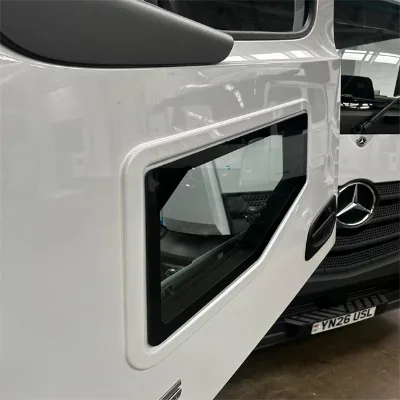


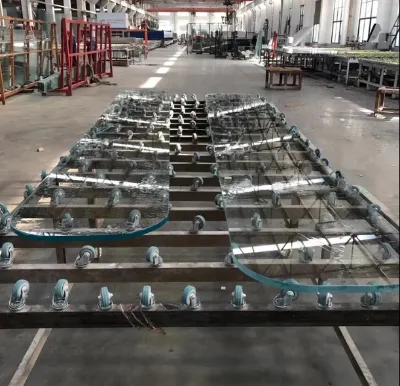
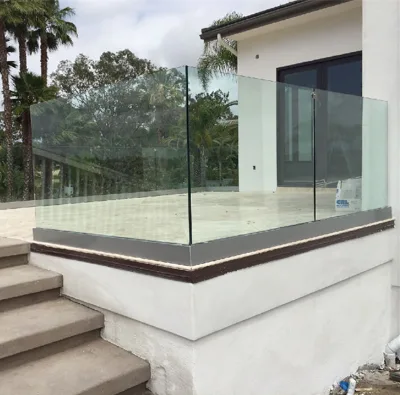
Flat and Curved Bending Tempered Glass for Balcony Glass and Fence Glass
$9.3373 - $25.9342
MOQ: 100 Minimum
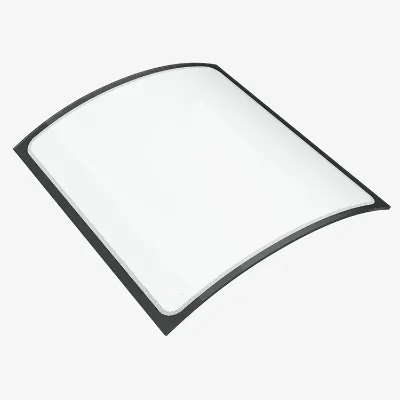




Comprehensive Sourcing Guide
Tempered Curve Side Glass Sourcing Guide
Procuring Tempered Curve Side Glass requires a nuanced understanding of both the material’s structural integrity and its aesthetic versatility. This specialized glazing solution combines the safety benefits of tempered glass with the architectural elegance of curved forms, making it suitable for high-visibility applications where both durability and design are paramount. Buyers must recognize that the curvature introduces unique manufacturing complexities that directly impact lead times, pricing, and quality control protocols.
The sourcing process begins with defining the precise geometric requirements, as curvature radius and segment length significantly influence production feasibility. Unlike flat glass, curved variants often require custom tooling or specialized tempering ovens, which can limit the pool of qualified suppliers. Understanding these technical constraints early in the RFQ process helps buyers avoid costly redesigns and ensures that the selected manufacturer possesses the necessary equipment to deliver consistent, high-quality curved products that meet specific project specifications.
Product Scope and Observed Listing Signals
Market listings for Tempered Curve Side Glass reveal a diverse range of product configurations, including bent tempered, curved, and flat options, with thicknesses typically spanning from 3mm to 19mm. The observed maximum specifications often reach dimensions like 2140mm by 3300mm or even 3000mm by 6000mm, indicating that large-format curved panels are feasible but require careful logistical planning. Buyers should note that customization is widely available, allowing for tailored solutions that fit unique architectural designs, though this flexibility often comes with higher minimum order quantities and longer production cycles.
Appearance and structural attributes vary across suppliers, with some offering clear, reflective, or heat-resistant finishes, while others focus on solid, laminated structures for enhanced safety. The fragment state is a critical indicator of quality, with many suppliers adhering to strict standards such as Fragment State I, ensuring that broken glass shatters into small, relatively harmless pieces rather than sharp shards. Additionally, the inclusion of PVB interlayers in some laminated curved options provides UV protection and additional security, making these products ideal for balustrades, shower enclosures, and decorative facades where safety and aesthetics intersect.
Technical Specifications to Verify
When evaluating technical specifications, buyers must prioritize the tempering method, as it determines the glass’s strength and thermal resistance. Options include chemical tempering, which offers higher surface compression and better edge quality, and physical tempering, which is more common for thicker panels and provides robust impact resistance. The choice between tempered glass and float glass substrates also matters, with tempered variants being the standard for safety applications due to their enhanced durability and compliance with rigorous safety standards.
Thickness and curvature radius are interdependent variables that require precise verification to ensure structural stability. Buyers should confirm the maximum allowable curvature for a given thickness, as tighter radii may necessitate thinner glass or specialized processing techniques to prevent cracking during tempering. Additionally, the presence of surface treatments, such as silk screen printing or specific PVB colors like green, blue, or grey, should be validated against project requirements to ensure that aesthetic preferences do not compromise the glass’s functional performance or safety ratings.
Compliance and Safety Documentation
Compliance with national and international standards is non-negotiable for Tempered Curve Side Glass, particularly in building and construction applications. Suppliers should provide documentation confirming adherence to standards such as GB/T 9963 or GB15763.2, which govern the safety performance of tempered glass, including its fragment state and impact resistance. These standards ensure that the glass meets minimum safety thresholds, reducing liability risks for architects, contractors, and end-users in high-traffic or high-risk environments.
Beyond product-specific standards, buyers should verify the supplier’s broader quality management certifications, such as ISO 9001 or CCC, which indicate a systematic approach to quality control and manufacturing consistency. These certifications suggest that the supplier has established processes for monitoring production variables, from raw material selection to final inspection, ensuring that each batch of curved glass meets consistent quality benchmarks. Requesting test reports or third-party certifications can provide additional assurance that the product performs as expected under stress and environmental conditions.
Cost Drivers and Commercial Terms
Costs for Tempered Curve Side Glass are influenced by several factors, including thickness, curvature complexity, surface treatments, and order volume. Thicker glass and tighter curvature radii generally increase production costs due to the additional energy and precision required during tempering and bending processes. Buyers should also consider the impact of customization, as non-standard sizes or unique aesthetic features often incur setup fees or higher per-unit prices, making it essential to balance design aspirations with budget constraints.
Minimum order quantities (MOQs) and lead times are critical commercial terms that vary significantly among suppliers. While some manufacturers may accept small MOQs for standard sizes, custom curved glass often requires larger orders to justify the setup costs and machine time. Lead times can extend from a few weeks to several months, depending on the complexity of the order and the supplier’s production schedule. Buyers should negotiate clear terms regarding payment schedules, shipping responsibilities, and penalties for delays to mitigate financial risks associated with long production cycles.
Supplier Qualification and Quality Control
Supplier qualification begins with assessing their manufacturing capabilities, particularly their experience with curved glass production. Buyers should inquire about the specific equipment used for bending and tempering, as well as the supplier’s track record in delivering similar projects. A supplier’s ability to handle large-format panels or complex geometries is a strong indicator of their technical proficiency and operational maturity, reducing the risk of defects or delivery failures.
Quality control protocols are equally important, with buyers seeking suppliers who implement rigorous inspection processes at every stage of production. This includes checking for surface defects, verifying curvature accuracy, and ensuring that tempering is uniform across the entire panel. Suppliers who offer detailed quality reports or allow for third-party inspections demonstrate a commitment to transparency and accountability, providing buyers with greater confidence in the product’s reliability and performance over time.
Long-Term Procurement Checks
Long-term procurement success depends on establishing a reliable supply chain that can adapt to changing project requirements and market conditions. Buyers should prioritize suppliers who offer consistent quality, responsive customer service, and flexible production capabilities. Regular communication and periodic audits of the supplier’s facilities can help maintain high standards and identify potential issues before they impact project timelines or budgets.
Additionally, buyers should monitor industry trends and technological advancements in glass manufacturing to stay informed about new materials, processes, or standards that may affect their sourcing strategy. Building a relationship with a trusted supplier can provide access to early insights and innovative solutions, enhancing the overall value of the procurement process. By focusing on long-term partnerships rather than transactional relationships, buyers can secure better pricing, improved service levels, and greater assurance of product quality for future projects.
FAQs
What customization options are available for Tempered Curve Side Glass?
Customization is available for this glass product, allowing buyers to specify unique requirements. The thickness ranges from 3 to 19mm, and the maximum specification reaches 2140 by 3300mm. Buyers can also choose from various PVB layer thicknesses or request custom colors for the interlayer.
Which standards does the Tempered Curve Side Glass meet?
The product meets specific standards including GB/T 9963 and GB15763.2 for tempered glass. Some variants also comply with ISO9001 and CCC certifications. These standards ensure the glass maintains high flatness and structural integrity for applications in building and furniture sectors.
How is the Tempered Curve Side Glass packed for shipping?
Packaging options include wooden boxes, interleaved paper with wooden boxes, plywood crates, or wooden frame packing. The specific method depends on the product model and order requirements. This ensures the curved tempered glass arrives safely without damage during international transport to various destinations.
Can I find suppliers with specific MOQ values for this glass?
Yes, suppliers offer minimum order quantities ranging from 1 to 500 units. This flexibility allows buyers to source small batches or larger volumes efficiently. The specific MOQ depends on the manufacturer and the customization level required for the Tempered Curve Side Glass order.
What are the main usage scenarios for this Tempered Curve Side Glass?
This glass is used in building, furniture, home appliances, electronics, and daily products. It also serves in auto manufacturing and window applications. Its functions include UV protection, heat resistance, and decorative purposes, making it versatile for both commercial and residential projects.
Which production techniques are used for this curved glass?
The glass is produced using chemical tempered or physically tempered techniques. Some variants are dry laminated glass with common laminated glass layers. These methods ensure the glass achieves high temperature resistance and the required curved shape for architectural and design applications.
Where are the manufacturers of this glass located?
Manufacturers are located in Guangdong, Jiangmen, and Shandong in China. These regions host factories that produce tempered glass with various specifications. Buyers can source directly from these locations to access competitive pricing and reliable supply chains for their specific project needs.