Source 12V 24V Door Lock Actuator for Cars, Trucks, and SUVs
Compare 30 listings for 12V 24V Door Lock Actuator units from verified suppliers. Review specifications like voltage, pull force, and control distance to find the right central locking system for your vehicle needs; compare the available evidence and request quotations based on your requirements.
Updated
Key considerations
Products List
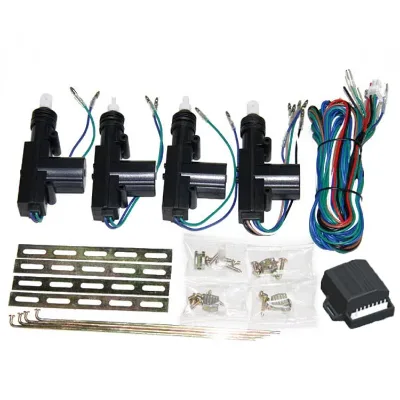
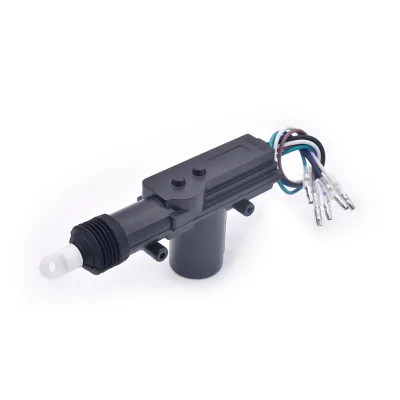
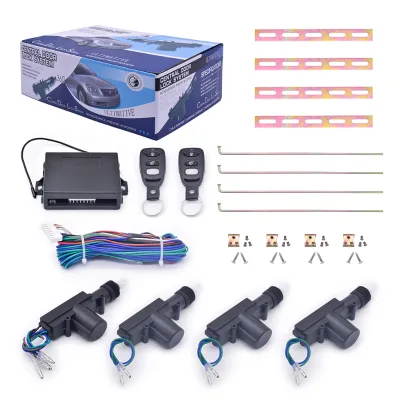
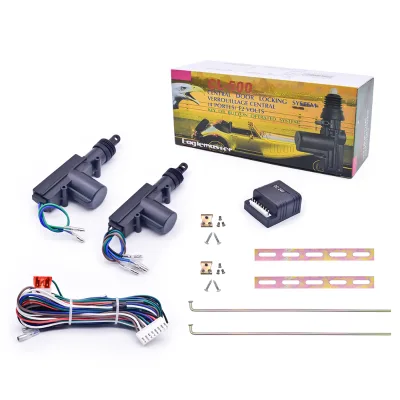
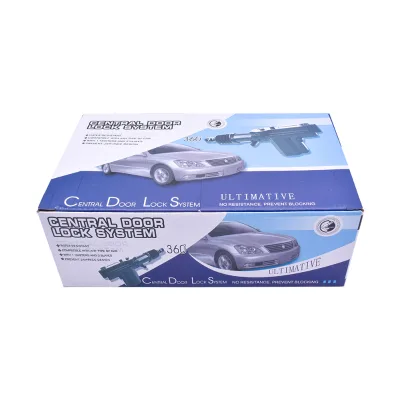
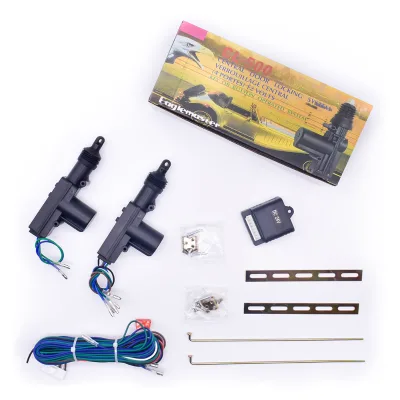
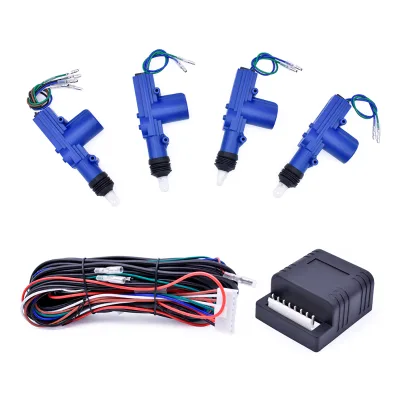
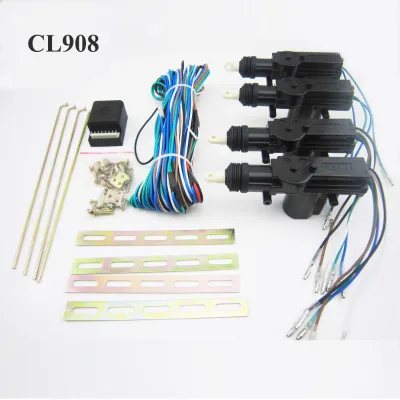
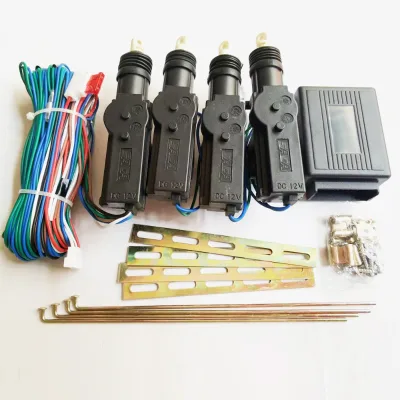
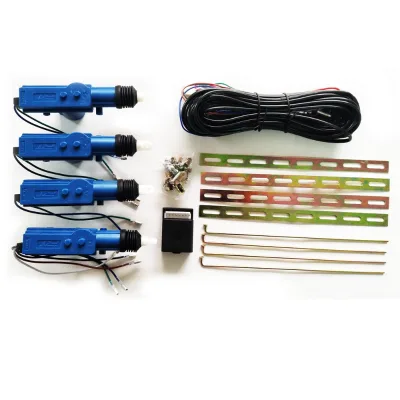
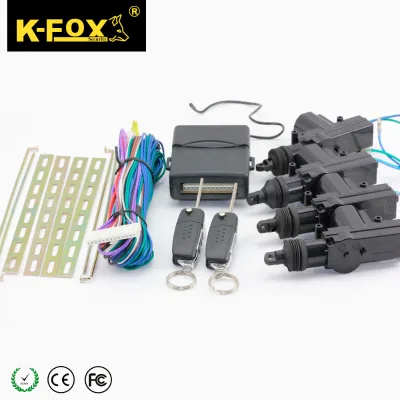

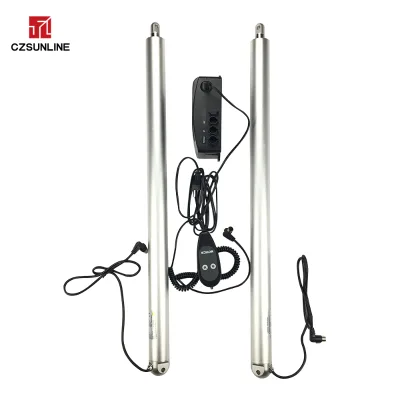


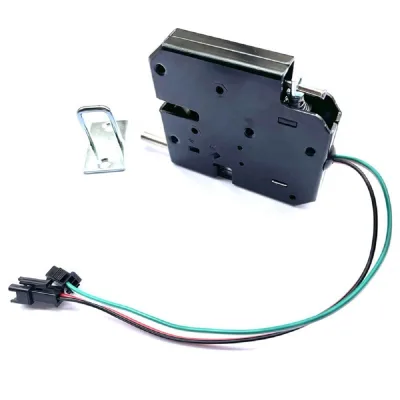
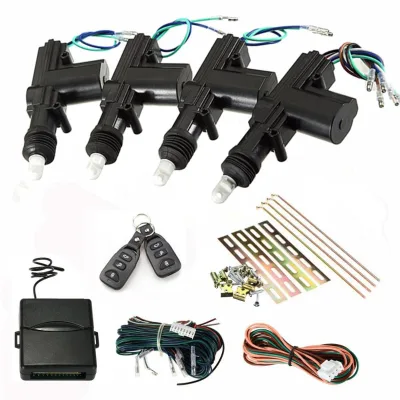
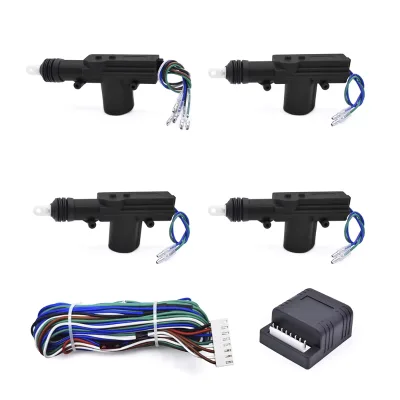
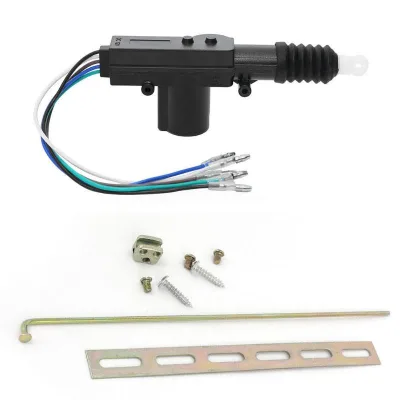
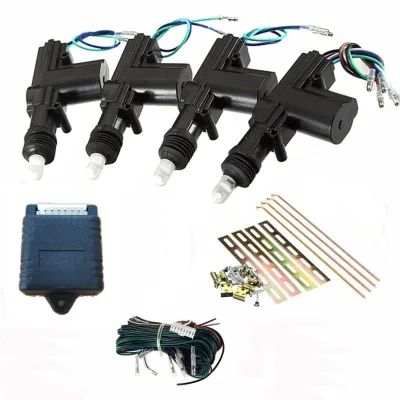
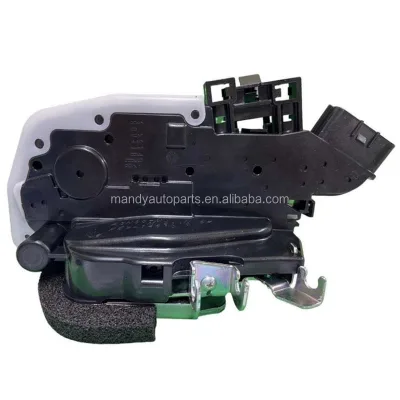
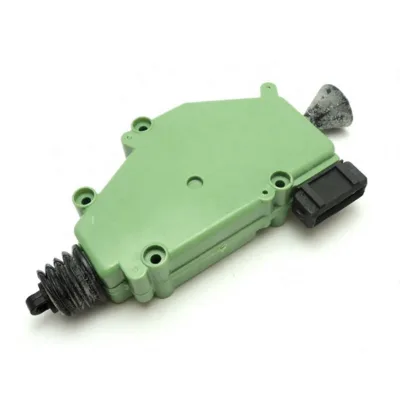
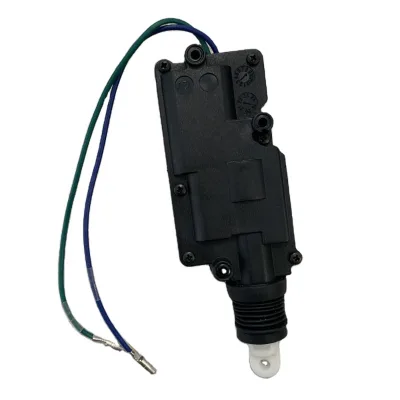
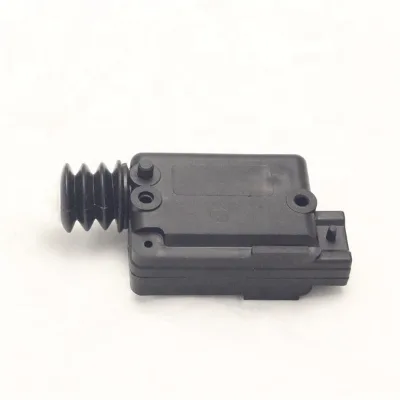


Comprehensive Sourcing Guide
12V 24V Door Lock Actuator Sourcing Guide
Procuring reliable central locking actuators requires careful attention to voltage compatibility and mechanical force specifications. The market offers distinct variants for 12V and 24V systems, with observed listings indicating a price range from $0.92 to $294.10 USD. Buyers must distinguish between universal fitment components and specialized automotive security systems to ensure proper integration.
Verification of control distance and wiring configuration is critical for successful installation. Some units advertise control distances up to 200 meters, while others operate with zero remote range, functioning purely as local actuators. Understanding whether the system utilizes a master-slave architecture or standalone 5-wire connections determines the complexity of the wiring harness required for your specific vehicle platform.
Product Scope and Observed Listing Signals
The current catalog includes products labeled as spy car power door lock actuators and standard automotive central locking systems. These items typically feature ABS or plastic housings and are designed for universal car applications. Observed attributes highlight a focus on waterproof central locking features, with black being the predominant color option across most supplier listings.
Listing signals reveal significant variation in packaging and weight, ranging from single items to bulk cartons. Single gross weights vary from 0.5 kg to 1.5 kg, reflecting differences in internal motor construction and housing material. Buyers should note that some products are marketed with specific OEM compatibility, while others are positioned as generic replacement parts for various vehicle makes.
Technical Specifications to Verify
Voltage compatibility is the primary technical constraint, with clear divisions between DC 12V and DC 24V operating systems. The 12V variants often include features like speed control and anti-theft alarms, whereas 24V models may specify higher output currents, such as 4A. Confirming the exact working voltage prevents motor burnout and ensures the actuator synchronizes correctly with the vehicle’s electrical architecture.
Mechanical performance metrics, including pull/push force and max pull range, must align with the door latch mechanism. Observed specifications cite forces between 5kg and 6.5kg, with a maximum pull range of 22mm. Additionally, verify the motor type, as some actuators use 2-wire configurations while others require 5-wire setups, impacting the complexity of the control circuit and relay requirements.
Compliance and Safety Documentation
Certification requirements vary by destination market, with some suppliers providing CE, RoHS, and FCC documentation. These certifications indicate adherence to specific electromagnetic compatibility and hazardous substance restrictions, which are essential for legal importation into regulated regions. Buyers must request valid certificates for each batch to ensure ongoing compliance with local safety standards.
Quality assurance processes should include evidence of functional testing before shipment. Several listings claim 100% tested quality and a working life exceeding 100,000 cycles, suggesting robust durability for high-frequency use. Procurement teams should verify these claims through sample testing or third-party inspection reports to validate the stated operational lifespan and reliability under real-world conditions.
Cost Drivers and Commercial Terms
Pricing is influenced by material composition, motor complexity, and included features such as remote control integration. The observed MOQ range spans from 1 set to 100 sets, offering flexibility for both small-scale repairs and large fleet installations. Higher-priced items often include advanced packaging, such as color boxes, and may offer longer warranty periods, such as 12 months, compared to basic bulk units.
Commercial terms should clearly define packaging details and shipping weights to calculate accurate logistics costs. Packaging varies from single-item boxes to master cartons containing 100 sets, with specific dimensions and gross weights provided. Understanding these logistical parameters helps in optimizing container loading and reducing per-unit shipping expenses, especially for high-volume orders.
Supplier Qualification and Quality Control
Supplier verification should focus on their ability to provide consistent product specifications and reliable after-sales support. Look for suppliers who explicitly state their place of origin and provide detailed product names and model numbers, such as DLS-109 or generic actuator codes. Clear identification aids in tracking parts and ensures that replacements match the original equipment specifications.
Quality control protocols must include rigorous inspection of mechanical components and electrical connections. Buyers should request samples to test the pull/push force and verify the waterproofing capabilities of the housing. Establishing a clear communication channel for warranty claims is essential, as defects in actuators can lead to significant vehicle security vulnerabilities if not addressed promptly.
Long-Term Procurement Checks
Continuous monitoring of product performance is necessary to ensure long-term reliability in automotive applications. Track failure rates and customer feedback regarding the durability of the ABS or plastic housings under varying environmental conditions. Regularly review supplier performance metrics, including lead times and consistency in meeting the specified working life expectations.
Adapt procurement strategies to accommodate evolving vehicle technologies and security requirements. As automotive systems become more integrated, ensure that the chosen actuators remain compatible with modern central locking architectures. Maintain a diversified supplier base to mitigate risks associated with supply chain disruptions and to leverage competitive pricing for future orders.
FAQs
What voltage options are available for these door lock actuators?
These door lock actuators are available in DC 12V and DC 24V voltage options to suit different vehicle electrical systems. The 12V models are common for standard passenger cars, while 24V versions are designed for heavier commercial vehicles. Both types function as central locking systems with waterproof features for reliable operation in various weather conditions.
Can I find universal fitment actuators for my car?
Yes, universal fitment actuators are available for a wide range of vehicles including cars and trucks. These units are designed with a universal car make specification to ensure compatibility without needing specific model adjustments. They function as central locking systems that can be installed in most standard automotive door configurations.
What certifications do these locking systems hold?
The locking systems hold CE, RoSh, and FCC certifications ensuring compliance with international safety and electromagnetic standards. These certifications verify that the products meet specific regulatory requirements for electronic components used in automotive applications. Buyers can rely on these documented standards for quality assurance when sourcing these central locking components.
How long is the warranty period for these products?
The warranty period for these products is 12 months from the date of purchase. This coverage applies to the actuator motor and central locking system components under normal operating conditions. Buyers should retain proof of purchase to validate the warranty claim if any manufacturing defects arise during this one-year period.
What is the minimum order quantity for these actuators?
The minimum order quantity for these actuators is one set, allowing buyers to purchase single items for testing or small projects. This low MOQ facilitates easier entry for new buyers or those needing replacement parts without committing to large bulk orders. The packaging details indicate that sets are typically boxed individually for convenient handling.
Where are these door lock actuators manufactured?
These door lock actuators are manufactured in Guangdong, China, a major hub for automotive parts production. The location ensures access to established supply chains and manufacturing capabilities for high-volume production. Buyers sourcing from this region can expect competitive pricing and efficient logistics for international shipping of these central locking components.
What is the working life of the actuator motor?
The working life of the actuator motor is greater than 100,000 cycles, ensuring long-term durability for frequent use. This high cycle count indicates the component can withstand repeated opening and closing operations without significant wear. Such performance makes these actuators suitable for both daily commuter vehicles and high-traffic commercial transport applications.