CE Plastic Welding Gun Suppliers and Manufacturers
Compare 23 verified suppliers of CE Plastic Welding Gun based on location, lead time, response time, and certifications. Review product specs like motor power and welding efficiency before contacting factories in China Shandong and Guangdong; review the available evidence before requesting comparable quotations from suitable candidates.
Updated
Suppliers List

Qingdao Julian Plastic Co., Ltd.
- Verified by TUVRHEINLAND
- Combined
- China Shandong
- Lead time15 days
- Avg. response≤ 2h
Main productsHeat Shrink Sleeve, Heat Shrink Tape, Electrofusion Welding Tape, PE Plate, PE Welding Rod, Portable Plastic Extrusion Welding Torch, Electric Fusion Welding Machine, Plastic Welding Gun
Main marketsOthers(foreignTradeCapacity.exportBusinessCapacityMarketOther)


Heat Welding Gun Extrusion Welding Gun Plastic Welding Gun Welding Gun
$1000.00 - $1500.00
MOQ: 1 Pieces


- Verified by TUVRHEINLAND
- Combined
- China Guangdong
- Lead time15 days
- Avg. response≤ 9h
Main productsWaste Gas Treatment, Environmental Protection Equipment, Ventilation Equipment
Main marketsSouth America,Africa,Southeast Asia/ Mideast
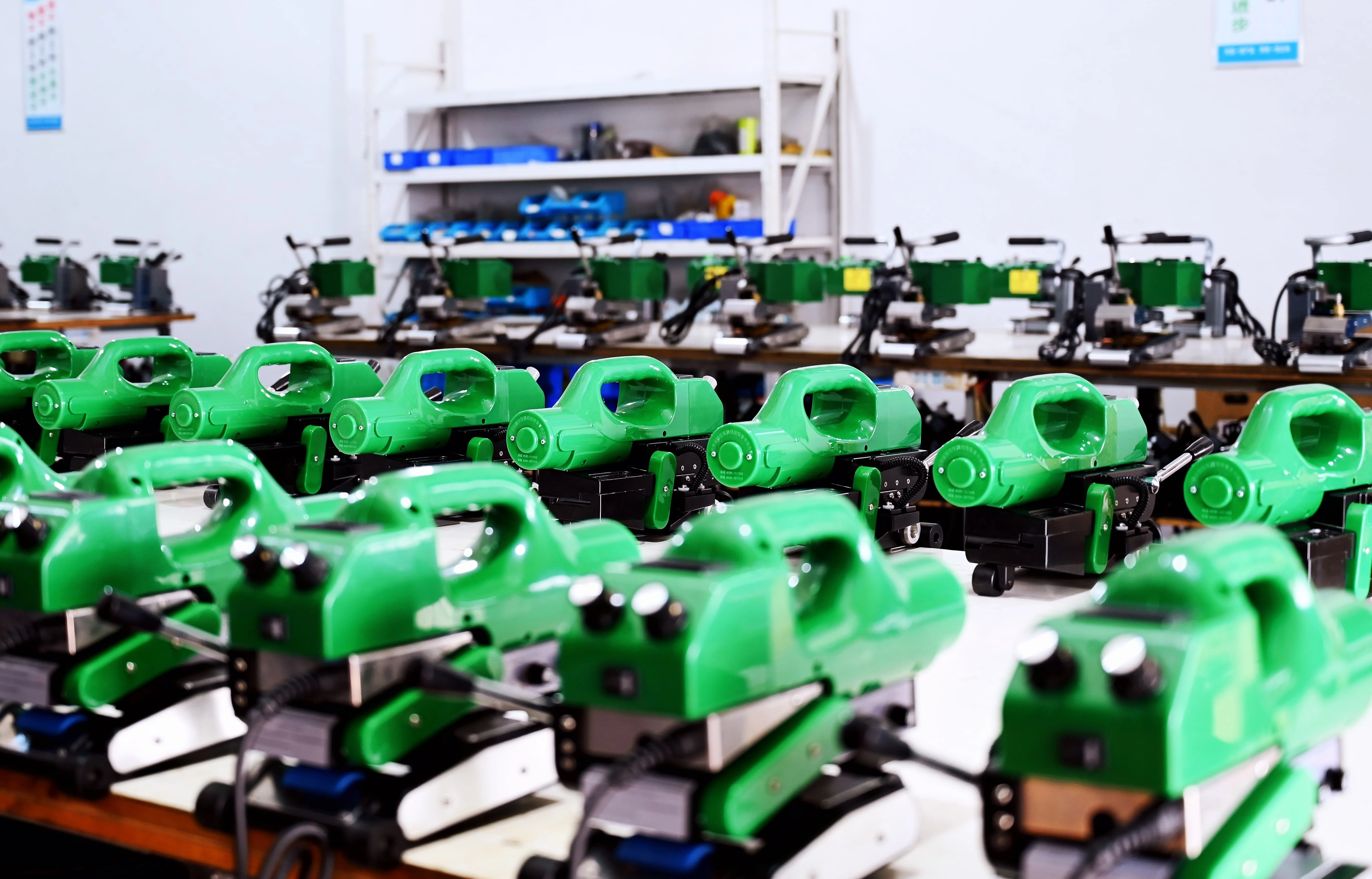
Fuzhou Bortte Welding Equipment Co., Ltd.
- Manufacturer, Trading Company
- Fujian, China
- Lead time0 days
- Avg. response≤ 6h
Main productsGeomembrane Welding Machine,Hot Air Welding Machine,hot air plastic welding gun,Hot Air Welding Gun,Automatic Geomembrane Welding Machine
Main marketsMid East(25.00%), North America(25.00%), Southeast Asia(15.00%), Eastern Europe(15.00%), South America(10.00%), Central America(5.00%), Eastern Asia(5.00%)
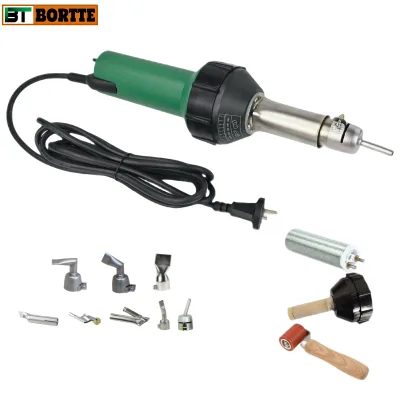
Hot Air Gun Geo Textile Plastic Welders Plastic Welding Gun
$79.78 - $119.65
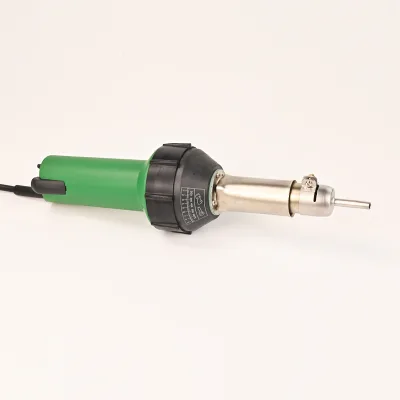
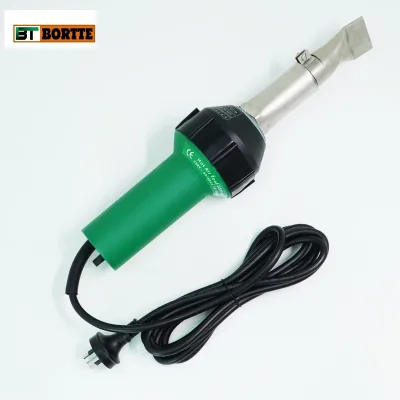
Hot Air Heat Welding Gun for Roofing 1600W Heat Gun Torch Plastic Small Vinyl Welding Gun
$115.00 - $125.00
MOQ: 1 sets
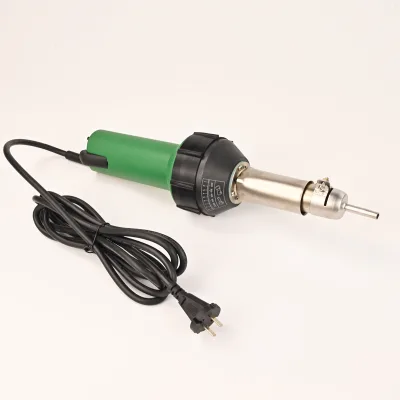
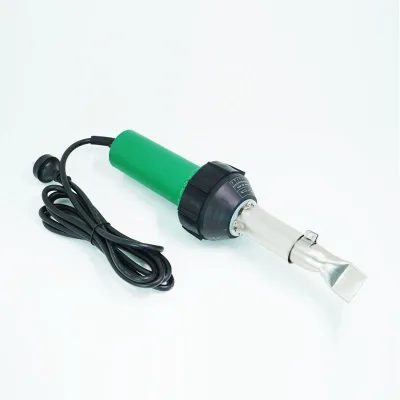
Pistola Para Soldar Plastico Plastic Welding Gun Pistola Para Soldar Plastico
$111.9123 - $122.179
MOQ: 1 sets
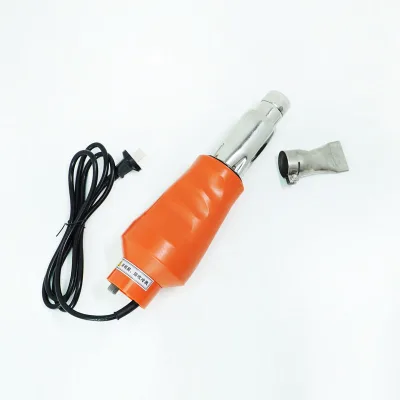
Shandong Hanbang Tools Co., Ltd.
- Verified by SGS Group
- Trading Company
- Lead time15 days
- Avg. response≤ 2h
Main productsHand Tools, Power Tools, Welding Tools, Water Pump
Main marketsDomestic Market(45%), Southeast Asia(12%), Mid East(6%)
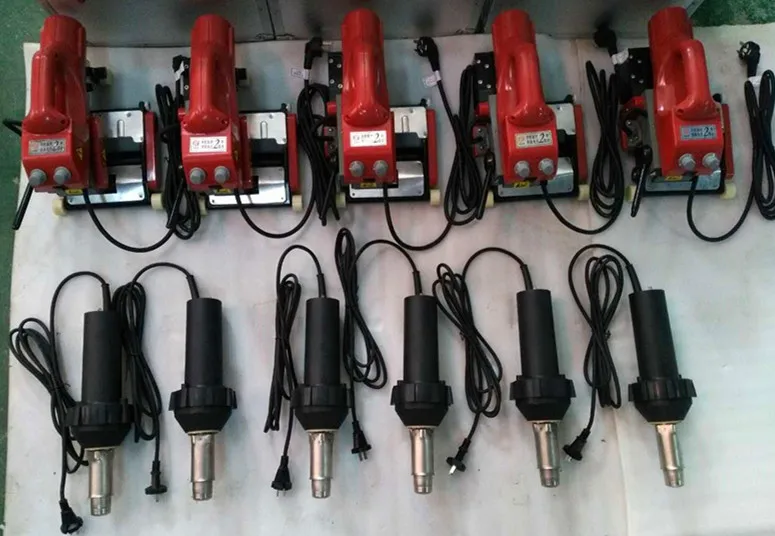
Fuzhou Jointer Plastic Welding Machine Co., Ltd.
- Manufacturer, Trading Company
- Fujian, China
- Lead time7 days
- Avg. response≤ 4h
Main productsPlastic Welding Machine,hot air gun,extrusion welder,HDPE geomembrane hot wedge welder,PVC hot air welder
Main marketsDomestic Market(80.00%), North America(5.00%), Southeast Asia(4.00%), South America(1.00%), South Asia(1.00%), Southern Europe(1.00%), Northern Europe(1.00%), Central America(1.00%), Western Europe(1.00%), Eastern Asia(1.00%), Mid East(1.00%), Oceania(1.00%), Africa(1.00%), Eastern Europe(1.00%)
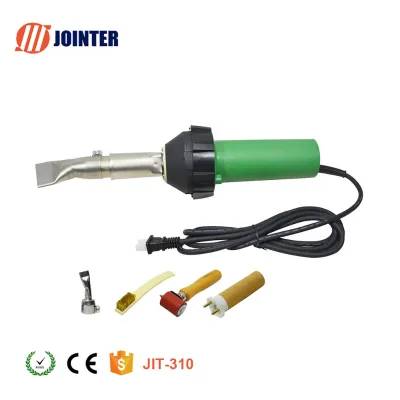
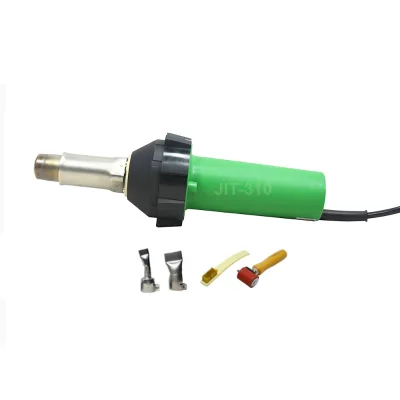
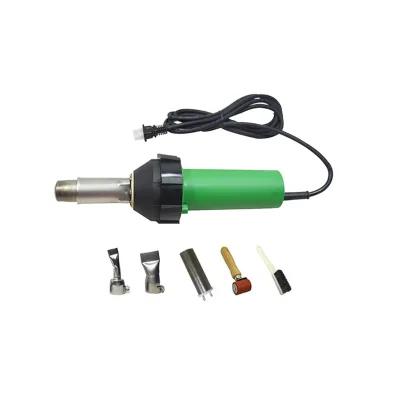
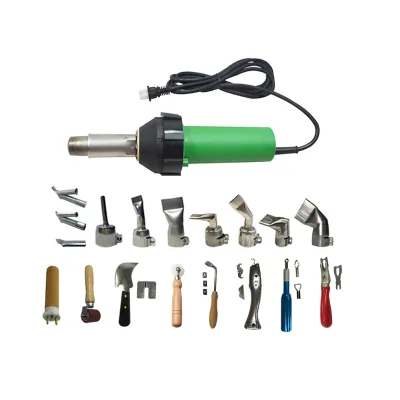
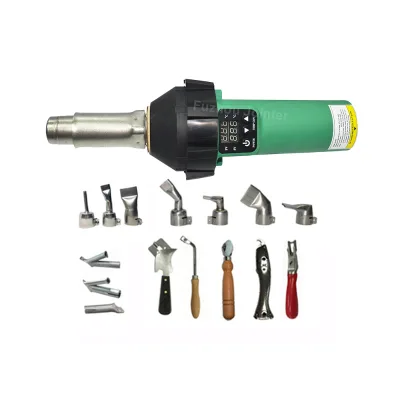
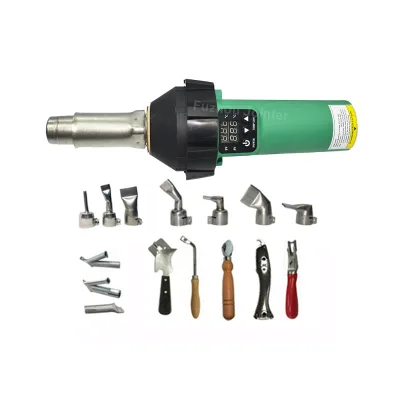
Factory Wholesale 110V Plastic Vinyl Wrap Heat Gun for PVC Shrinking Welding
$436.3529 - $446.6196
MOQ: 1 pieces
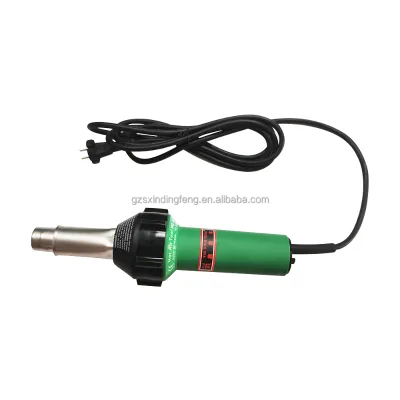
Guangzhou Xindinfeng Electrical Equipment Co., Ltd.
- Manufacturer, Trading Company, Distributor/Wholesaler
- Guangdong, China
- Lead time0 days
- Avg. response≤ 3h
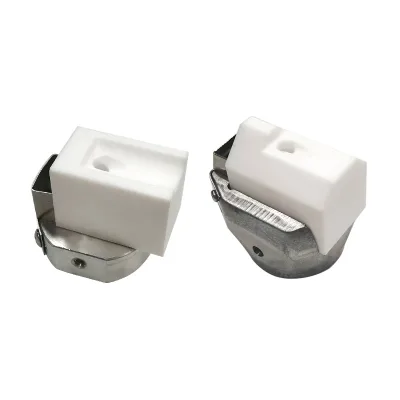
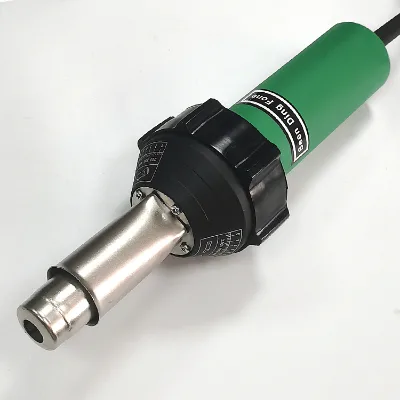
Main productsHDPE,Ceramic heating element,Stainless steel welding nozzle,Dolphin Knife,Welding floor tools
Main marketsDomestic Market(46.00%), North America(10.00%), Southeast Asia(10.00%), Eastern Europe(7.00%), Southern Europe(7.00%), Northern Europe(7.00%), Western Europe(7.00%), South Asia(1.00%), Eastern Asia(1.00%), Mid East(1.00%), Central America(1.00%), Africa(1.00%), South America(1.00%)
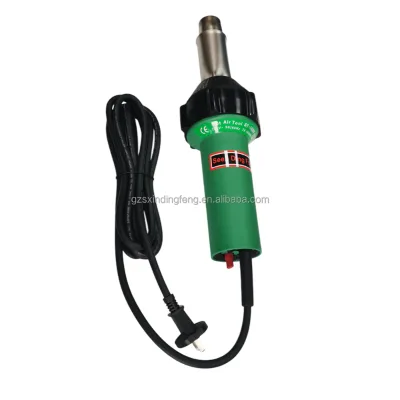
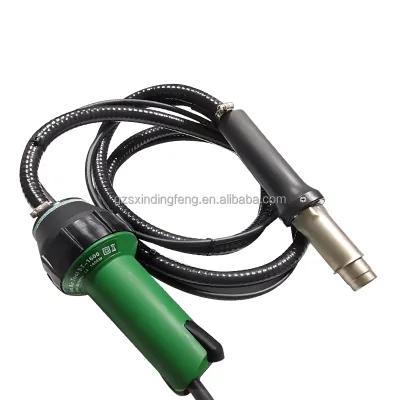
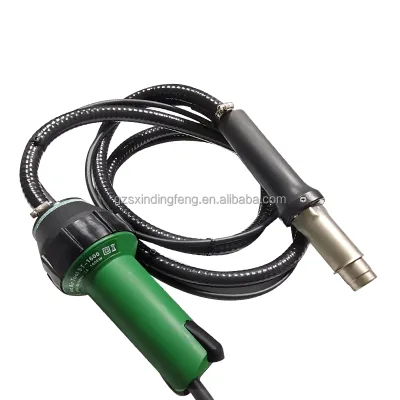
$149.6527 - $186.3407
MOQ: 1 pieces
Fuzhou Dobles Technology Co., Ltd.
- Trading Company
- Fujian, China
- Lead time7 days
- Avg. response≤ 3h
Main productsGeo Hot Wedge Welder Machine,Hand extrusion welding gun,Roof Hot Air Welder,Hot Air Blower,Testing Equipment
Main marketsSoutheast Asia(30.00%), Eastern Europe(30.00%), South America(10.00%), North America(10.00%), Northern Europe(5.00%), Mid East(5.00%), Oceania(5.00%), Africa(5.00%)
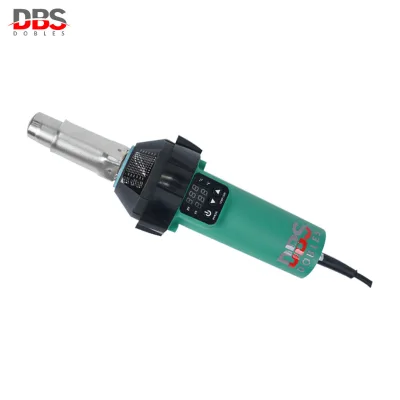
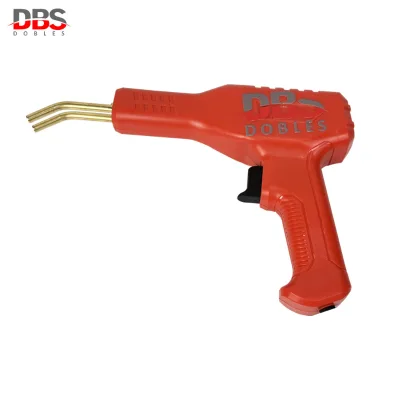
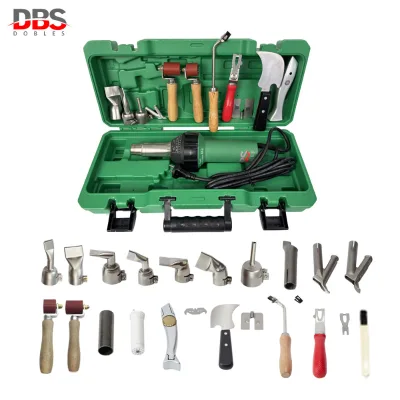
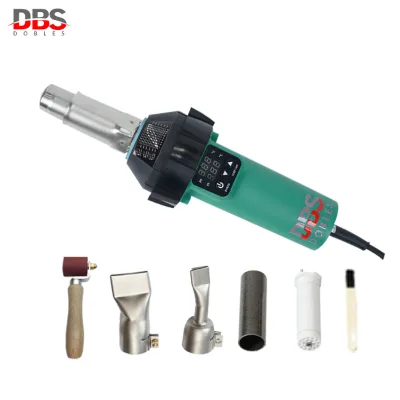
Hot Air Plastic Welding Gun with Overlap Welding Kits for Membrane Films PVC ,HDPE,TPO
$153.00 - $170.00
MOQ: 1
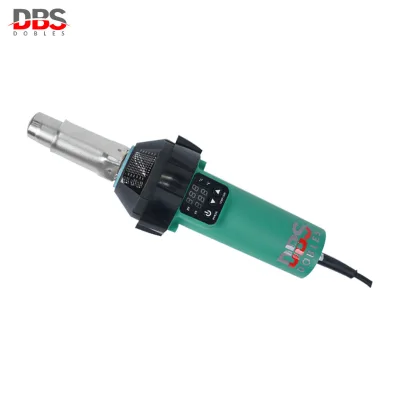
Hot Air Plastic Welding Gun with Overlap Welding Kits for Membrane Films PVC ,HDPE,TPO
$153.00 - $170.00
MOQ: 1
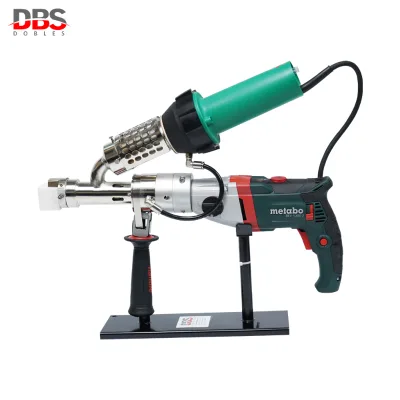
Geomembrane Hot Air Plastic Welding Gun with HDPE Welding Rod 3.0mm to 5.0mm Customized
$1260.00 - $1400.00
MOQ: 1
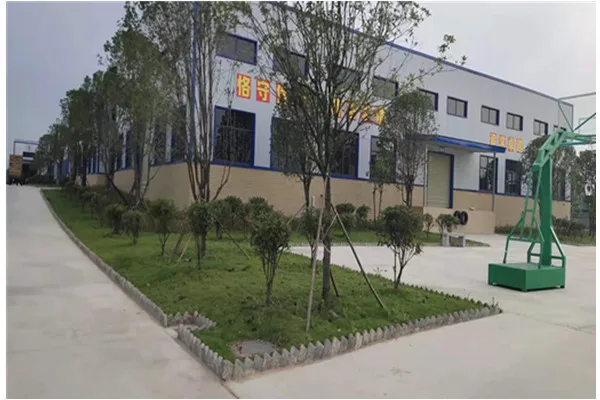
Hubei Bangyou Technology Co., Ltd.
- Manufacturer
- Hubei, China
- Lead time30 days
- Avg. response≤ 6h
Main productsPlastic Welding Gun,Hot Air Gun,Hot Melt Glue Gun,heater blower,heater machine
Main marketsDomestic Market(88.00%), Northern Europe(5.00%), Eastern Asia(5.00%), Western Europe(2.00%)

Ningbo Magma Tooling Co., Ltd.
- Trading Company,Manufacturer/Factory,Other
- China Zhejiang
- Lead time45 days
- Avg. response≤ 13h
Main productsAutomotive Tools, Socket Sets, Auto Repair Tools, Ratchet Handle, Garage Equipment, Car Repair Tools, Car Tools Set, Car Maintenance, Injection Moulding, Plastic Injection Mould
Main marketsSouth America,Eastern Europe,North America,Western Europe
Zhengzhou Sixth Mechanical Electrical equipment Co,Ltd
- Verified by TüVRheinland
- Manufacturer, Trading Company
- Lead time5 days
- Avg. response≤ 1h
Main productsHot Air Welding Machine, XY Cutting Machine, Cutting And Grommet Machine, Eyelet Machine, Eyelet
Main marketsMid East(27%), South America(25%), Eastern Europe(19%)
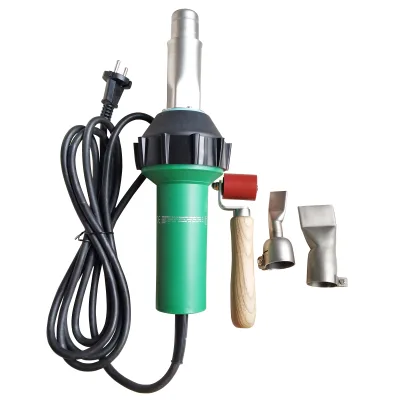
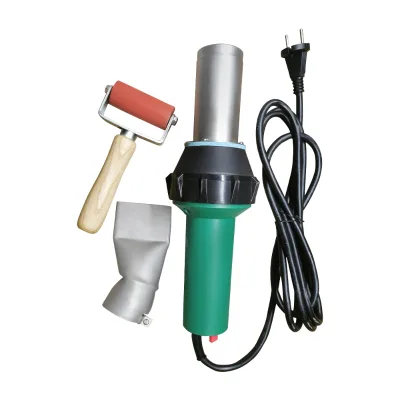
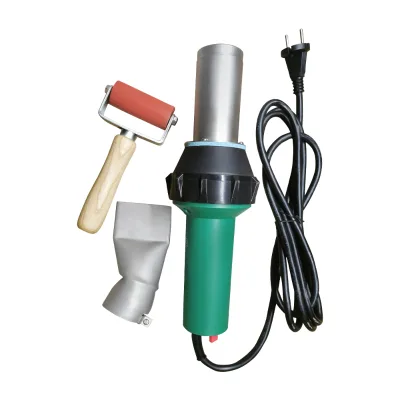
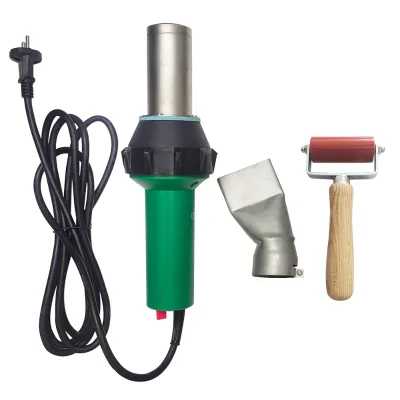
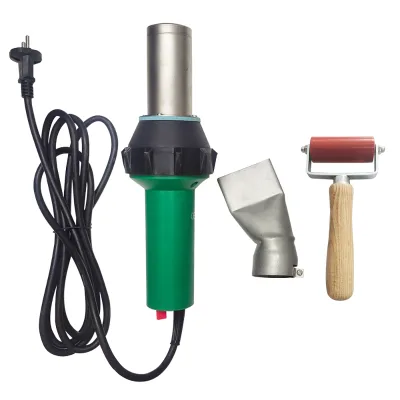
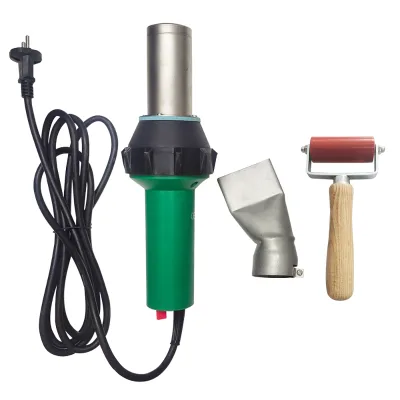
C Type Kit Straight 3400W Professional Plastic Repair Welding Gun
$220.00 - $230.00
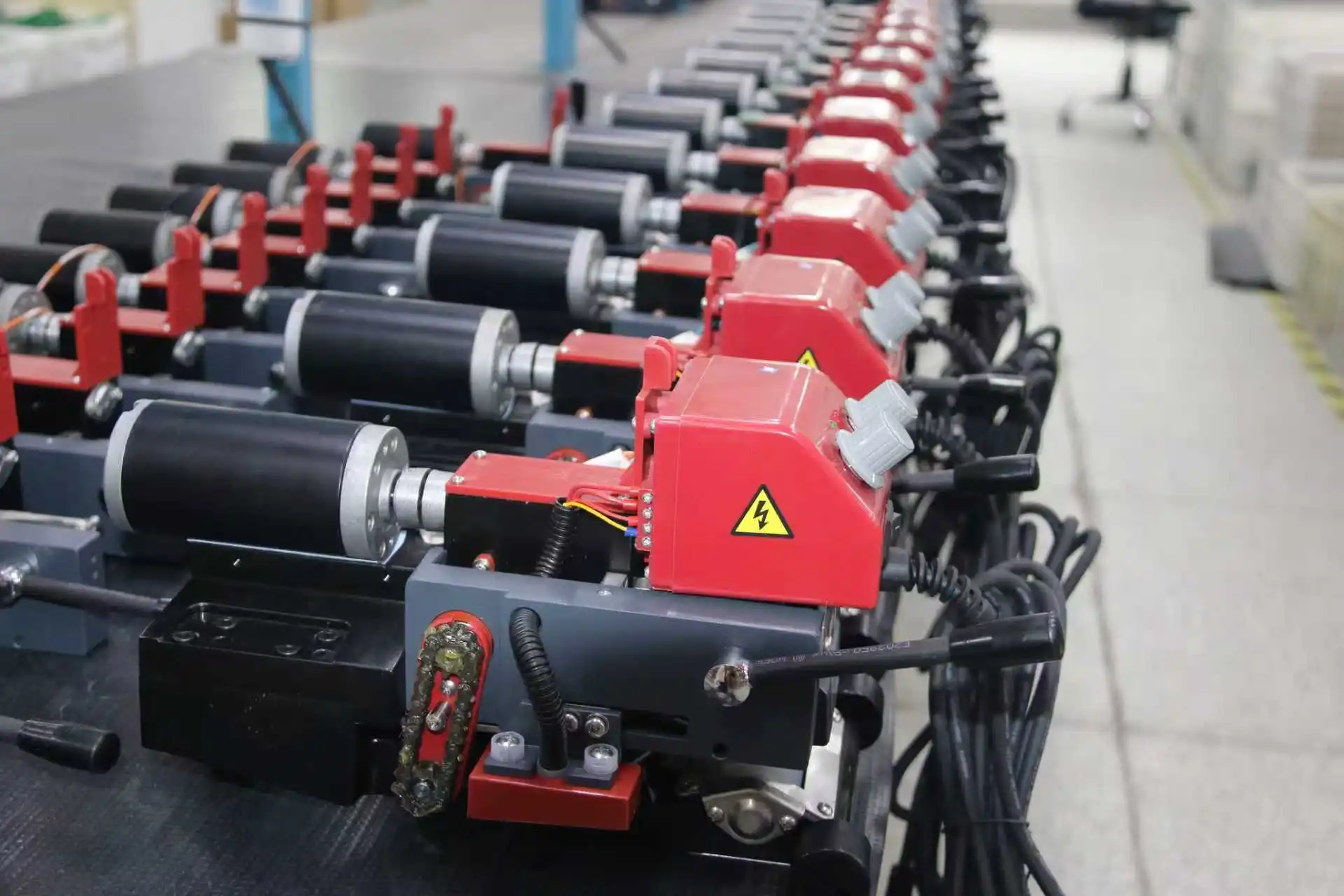
Fuzhou Lesite Plastics Welding Technology Ltd.
- Manufacturer, Trading Company
- Fujian, China
- Lead time5 days
- Avg. response≤ 6h
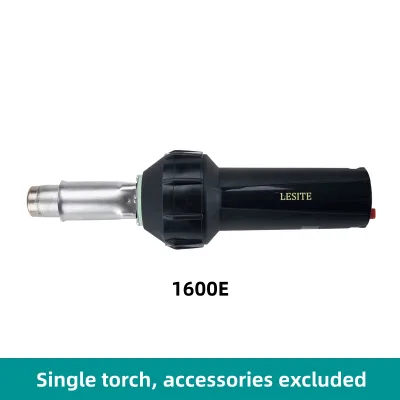
Main productsgeomembrane welding machine,hand extruder,banner welder,hot air welding gun,roof/banner welding machine
Main marketsDomestic Market(51.00%), Eastern Europe(16.50%), Southeast Asia(10.00%), South America(4.00%), North America(3.00%), Western Europe(3.00%), Oceania(2.50%), Mid East(2.50%), Northern Europe(2.00%), Africa(1.50%), Eastern Asia(1.00%), South Asia(1.00%), Southern Europe(1.00%), Central America(1.00%)
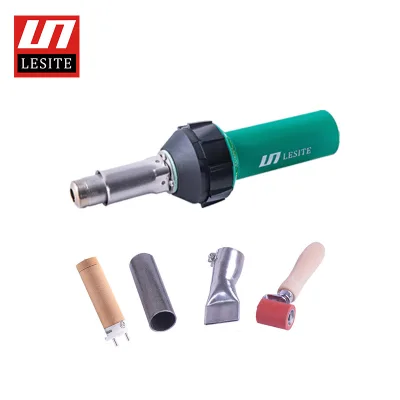
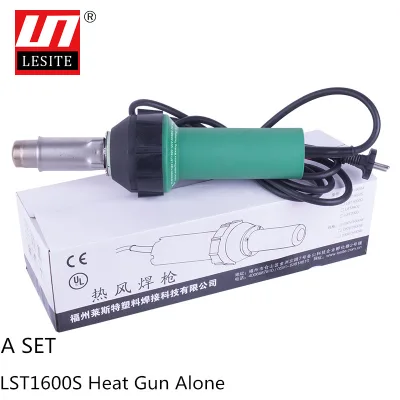
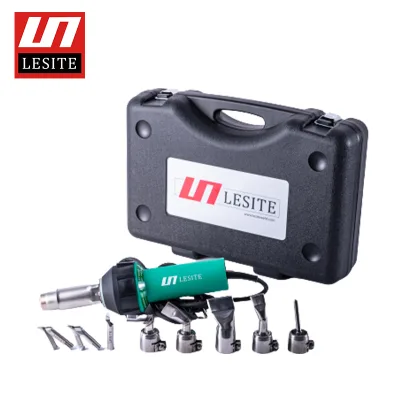
Hot Blower Machine Welding Gun 1600w Plastic Welding Machine
$140.00 - $150.00
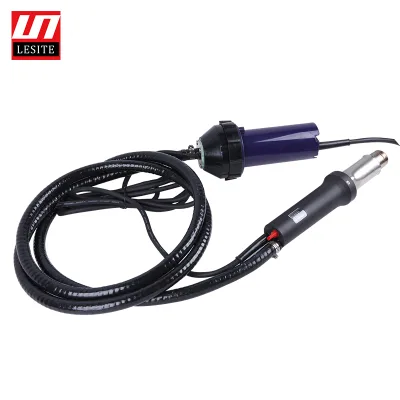
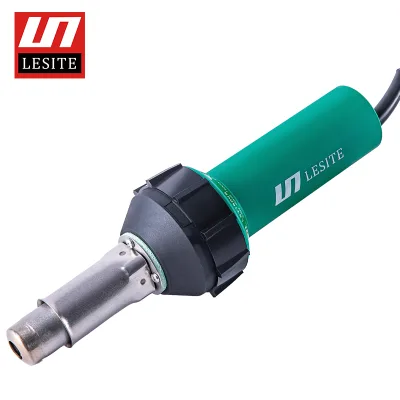
Plastic Hot Air Welding Gun for Geomembrane Liners
$170.00 - $190.00
Shandong Huize Environmental Engineering Co., Ltd.
- Trading Company
- Shandong, China
- Lead time7 days
- Avg. response≤ 2h
Main productsGeomembrane,Geotextile,Geocell,Geosynthetic Clay Layer,Geomembrane Welding Machine
Main marketsSouth America(50.00%), Africa(10.00%), Domestic Market(5.00%), Mid East(5.00%), Southeast Asia(5.00%), South Asia(5.00%), Northern Europe(3.00%), Central America(3.00%), Oceania(3.00%), Eastern Asia(3.00%), Eastern Europe(3.00%), Western Europe(2.00%), North America(2.00%)

QINGDAO SUDA PLASTIC PIPE MACHINERY CO., LTD.
- Trading Company
- China Shandong
- Lead time15 days
- Avg. response≤ 5h
Main productsButt Fusion Welding Machine, HDPE Pipe Welding Machine, HDPE Butt Welding Machine, HDPE Butt Fusion Welder, Thermofusion Welding Machine, Automatic Plastic Sheet Butt Welding Machine, Automatic Plastic Sheet Bending Machine, Hand Extruder, Worshop Fitting Machine, Electrofusion Wedling Machine
Main marketsAfrica,Southeast Asia/ Mideast

Welding Gun/Plastic Welding Gun/Laser Welding Gun/PVC Welding Gun/Stud Welding Gun/MIG Welding Gun
$1300.00 - $1350.00
MOQ: 1 Sets

Hot Air Gun for Plastic/Hand Welder for Plastic/Manual Welding Equipment with Tools
$190.00 - $250.00
MOQ: 5 Pieces

1600W Hot Air Gun/ Plastic Welding Machine/ Plastic Welding Hot Air Gun Hot Air Gun for PVC
$130.00 - $200.00
MOQ: 5 Sets


1600W Hot Air Gun/Handheld Hot Air Welder/Plastic Welding Machine/ Heat Gun/Extrusion Gun
$150.00 - $200.00
MOQ: 5 Sets

Sud610A Plastic Extrusion Welding Gun/Hand Extruder Plastic Welders/Portable Welding Gun
$1400.00 - $1600.00
MOQ: 1 Sets

- Combined
- China Shandong
- Lead time15 days
- Avg. response≤ 9h
Main productsHeat Shrinkable Sleeve, Heat Shrinkable Tape, Hand Extruder, Plastic Extrusion Welder, Plastic Welding Rods, HDPE Electro Fusion Belt, HDPE Electro Fusion Welding Joint, Electro Fusion Wrap Sleeve, Plastic Sheet, Plastic Board
Main marketsSouth America,Africa,Southeast Asia/ Mideast,East Asia(Japan/ South Korea),Domestic,Europe,Australia,North America

ZENG GONG FU WELDING EQUIPMENT (WU HAN) CO., LTD.
- Manufacturer
- China Hubei
- Lead time15 days
- Avg. response≤ 4h
Main productsHeat Gun, Hot Wedge Welder, Plastic Extrusion Welder, Hot Air Welding Machine, Hot Air Welder, Plastic Welder, Plastic Welding Machine, Hot Air Welding Gun, Plastic Welding Gun, Industrial Heaters
Main marketsSouth America,Europe,North America


$850.00 - $1200.00
MOQ: 1 Pieces

Durable Plastic Extrusion Welding Gun for Efficient Extrusion Repairs
$850.00 - $1200.00
MOQ: 1 Pieces

Handheld Plastic PE PP Extrusion Welder Portable Welding Gun with High Power Motor
$850.00 - $1200.00
MOQ: 1 Pieces

Hebei Hanze International Trade Co., Ltd.
- Verified by SGS Group
- Trading Company
- Lead time7 days
- Avg. response≤ 3h
Main productsPolyester Screen Printing Mesh, Screen Printing Squeegee Rubber, Screen Printing Stretching Machine, Screen Printing Frame, Nickel Screen For Rotary Printing
Main marketsSouth America(30%), North America(20%), Southeast Asia(20%)

Zhengzhou Sixth Mechanical Electrical Equipment Co., Ltd.
- Manufacturer/Factory
- China Henan
- Lead time0 days
- Avg. response≤ 2h
Main productsBanner Welding Machine, Automaitc Hot Air Welder, PVC Welding Machine, Hot Air Welding Machine, Eyelet Machine, Cutting & Eyelet Machine, Automatic Eyelet Machine, Semi Automatic Eyelet Machine, Eyelet, Cutter
Main marketsSouth America,Eastern Europe,Mid East,North America,Southeast Asia,Eastern Asia,Oceania,Western Europe,Africa


Hot Air Plastic Welding Gun Welding Machine Handhold Plastic Extrusion Welder
$300.00 - $585.00
MOQ: 1 Pieces


Factory Direct Sales of High-Quality Products Hot Air Gun Plastic Welding Tools
$300.00 - $580.00
MOQ: 1 Pieces

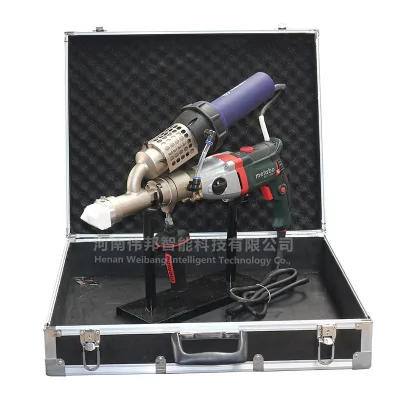
Henan Weibang Intelligent And Technology Co., Ltd.
- Manufacturer, Trading Company
- Henan, China
- Lead time7 days
- Avg. response≤ 3h
Main productsshotcrete machine,mortar grout pump,gunite machine,cement grout pump,Geomembrane welding machine
Main marketsAfrica(12.00%), Southeast Asia(10.00%), Mid East(8.00%), South Asia(5.00%), Eastern Asia(5.00%)

QINGDAO SUNTEN PLASTIC CO., LTD.
- Verified by BV
- Trading Company,Manufacturer/Factory
- China Shandong
- Lead time23 days
- Avg. response≤ 3h
Main productsSafety Net, Fishing Net, Shade Net, Bale Net Wrap, Rope & Twine, Weed Mat & Tarpaulin, Insect Net, Bird Net, Sport Net, Geotextile/Non-Woven Fabric
Main marketsSouth America,Eastern Europe,Mid East,North America,Southeast Asia,Eastern Asia,Oceania,Western Europe,Africa

Hot Air Welding Gun, PVC PP PE Plastic Welder, Heat Gun for Banner Tarpaulin Welding
$350.00 - $400.00
MOQ: 1 Pieces

Plastic Welding Heat Gun, Hot Air Welder for PVC PP PE, Banner Tarpaulin Heat Tool
$350.00 - $400.00
MOQ: 1 Pieces

Hot Air Plastic Welder, PVC PP PE Welding Gun, Heat Tool for Banner and Tarpaulin
$350.00 - $400.00
MOQ: 1 Pieces

$350.00 - $400.00
MOQ: 1 Pieces

Hangzhou Welping Machinery Equipment Co., Ltd.
- Verified by SGS
- Manufacturer/Factory
- China Zhejiang
- Lead time15 days
- Avg. response≤ 7h
Main productsButt Fusion Welding Machine, Butt Welding Machine, HDPE Pipe Welding Machine, Electrofusion Welding Machine, HDPE Pipe Fitting, Plastic Hand Extruder
Main marketsSouth America,Eastern Europe,Mid East,North America,Southeast Asia,Eastern Asia,Oceania,Western Europe,Africa
Honghao Intercontinental Engineering Construction (taian) Co., Ltd.
- Verified by Intertek
- Trading Company
- Lead time0 days
- Avg. response≤ 2h
Main productsGeomembrane, Geotextile, Geogrid
Main marketsNorth America(20%), Eastern Europe(20%), Southeast Asia(20%)
Guangdong Haowei New Material Technology Co., Ltd.
- Manufacturer, Trading Company
- Guangdong, China
- Lead time7 days
- Avg. response≤ 6h
Main productsPP Sheets/PP Pipes/Plastic Profiles/PP Environmental protection Equipment
Main marketsDomestic Market(40.00%), North America(20.00%), Western Europe(20.00%), Southeast Asia(20.00%)
Shenzhen Chengxiang Technology Co., Ltd.
- Verified by Intertek
- Trading Company
- Lead time0 days
- Avg. response≤ 7h
Main productsSoldering Stations, Spot Welders, Screen Removal Separator, SMT Machine, Heat-transfer Machine
Main marketsSouthern Europe(20%), Eastern Europe(18%), North America(15%)
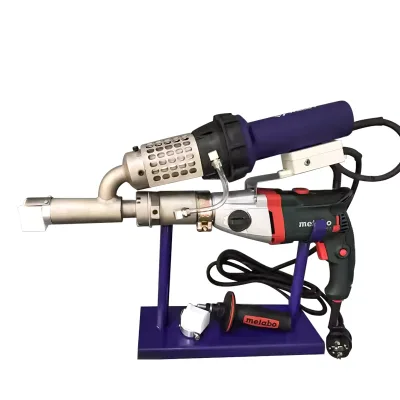
BE1300 Hot Air Plastic Welding Gun for Sealing Repairing and Connecting Large Diameter Pipes
$1010.9976 - $1263.2313
MOQ: 1 pieces
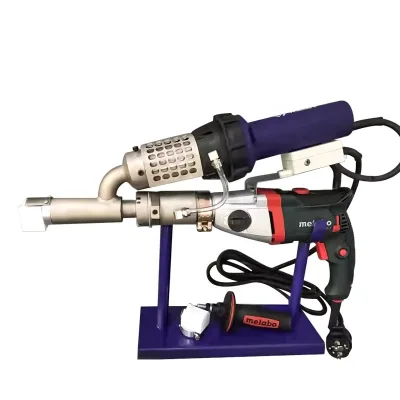
$822.5942 - $1153.0728
MOQ: 1 pieces
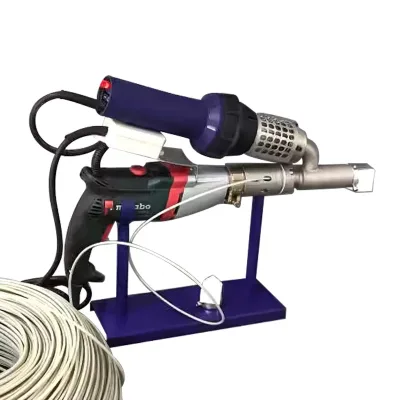
BE1300 Hand-Held Extrusion Plastic Welding Gun for PE PP PVDF Materials with Continuous Operation
$982.00 - $1227.00
MOQ: 1 pieces
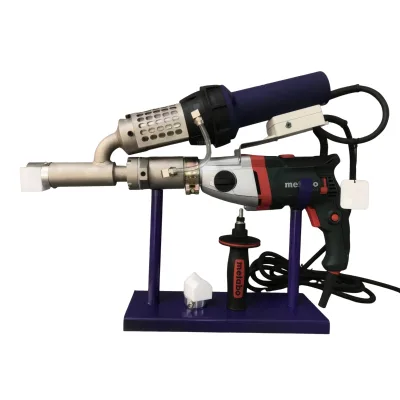
BE1300 Handheld Plastic Welding Gun - Continuous Temp Control for Pipe Sealing
$982.00 - $1227.00
MOQ: 1 pieces
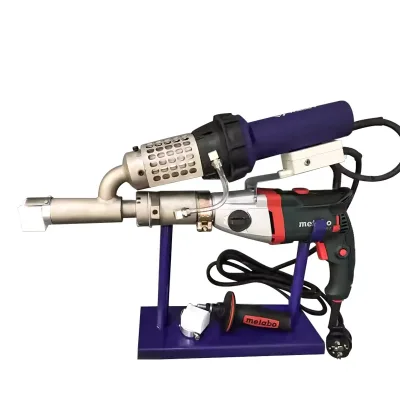
BE1300 Extrusion Welder Gun with Screw Drive System for High Volume Plastic Filler Rod Output
$982.00 - $1227.00
MOQ: 1 pieces






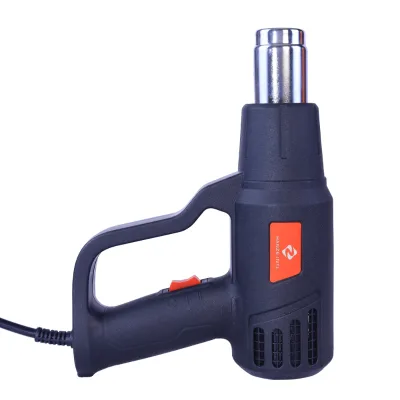
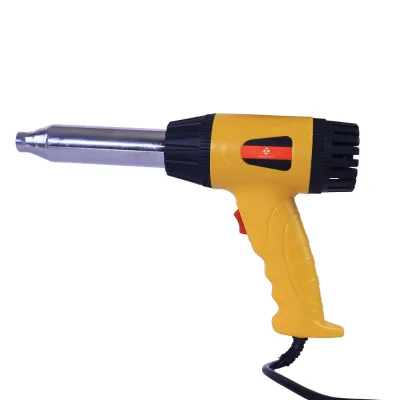
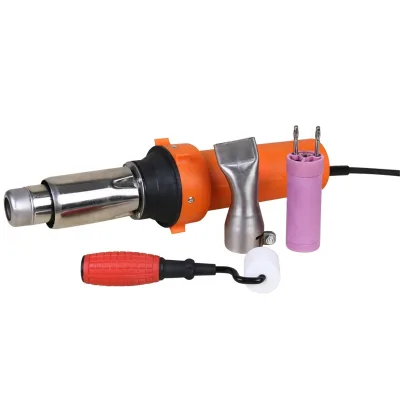


Comprehensive Sourcing Guide
CE Plastic Welding Gun Supplier Concentration and Factory Types
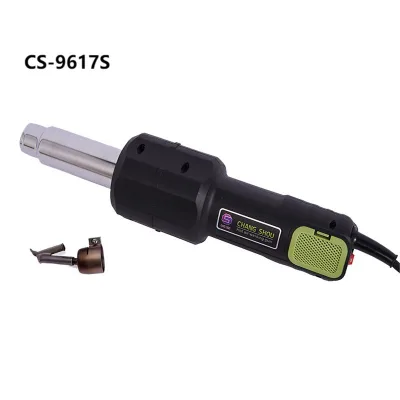
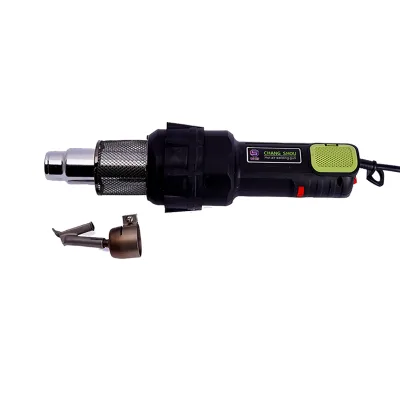
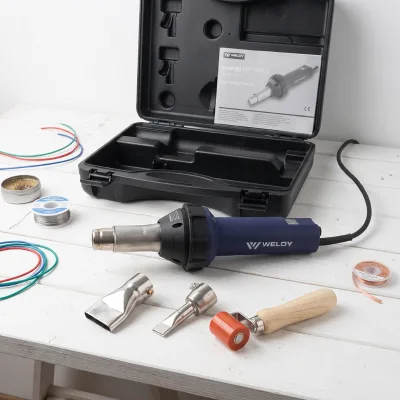
The current supplier landscape for CE Plastic Welding Gun equipment reveals a distinct geographic concentration within China, specifically highlighting manufacturing hubs in Shandong and Guangdong provinces. These regions serve as primary centers for the production of industrial welding tools, including handheld extrusion welders and specialized plastic welding guns. Suppliers located in Shandong often focus on a broader range of plastic processing equipment, such as heat shrink sleeves, electrofusion welding tapes, and PE plates, indicating a strong capability in polyethylene and polypropylene material handling. This regional specialization suggests that buyers seeking comprehensive plastic welding solutions may find integrated suppliers in Shandong who can provide both the welding guns and the associated consumables like welding rods and tapes. In contrast, suppliers in Guangdong appear to emphasize environmental protection equipment and ventilation systems alongside their welding tools, which may indicate a different operational focus or a diversification into related industrial safety and processing machinery. Understanding these regional distinctions allows buyers to align their sourcing strategy with the specific manufacturing strengths of each province, ensuring that the selected supplier has the necessary infrastructure and expertise to meet the technical demands of plastic welding applications.
Factory types in this sector vary from combined entities that handle both manufacturing and trading to specialized production facilities. Many suppliers offer ODM and OEM services, allowing buyers to customize equipment with specific brands or technical specifications. This flexibility is crucial for businesses that require branded tools for their internal operations or need specialized configurations for unique welding tasks. The presence of combined company types suggests that some suppliers may act as intermediaries while also maintaining production capabilities, which can impact lead times and quality control processes. Buyers should carefully evaluate whether a supplier’s primary role is manufacturing or trading, as this distinction affects the level of direct oversight they have over the production line. Suppliers that emphasize their own brand or offer extensive customization options often have more robust engineering teams capable of adapting standard welding gun designs to specific customer requirements. This adaptability is particularly important for industrial buyers who need tools that integrate seamlessly with existing production lines or meet specific regulatory standards in their target markets.
How to Verify CE Plastic Welding Gun Suppliers
Verifying the legitimacy and capability of CE Plastic Welding Gun suppliers requires a multi-layered approach that goes beyond basic company profiles. One critical step is to check for third-party verification badges, such as those provided by TÜV Rheinland, which indicate that the supplier has undergone rigorous audits of their business operations and product quality systems. These verifications provide a layer of confidence that the supplier is a legitimate entity with established processes, rather than a transient trading company with limited oversight. Additionally, buyers should scrutinize the system certifications listed by suppliers, such as ISO9001:2015, which demonstrates a commitment to standardized quality management practices. While certifications are important, they should be cross-referenced with product-specific certifications like CE and RoHS, which are essential for ensuring that the welding guns meet European safety and environmental standards. Buyers must request valid certificates and verify their authenticity through the issuing bodies to avoid relying on forged or expired documentation. This due diligence is particularly important when sourcing from regions with varying regulatory enforcement, as it ensures that the equipment will be compliant in the buyer’s destination market.
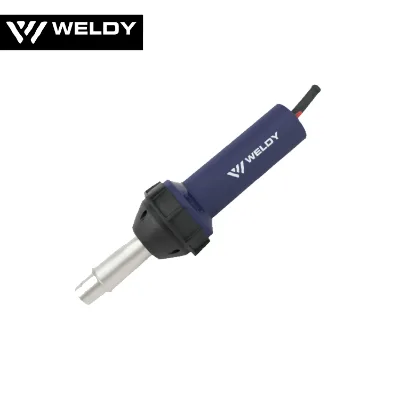
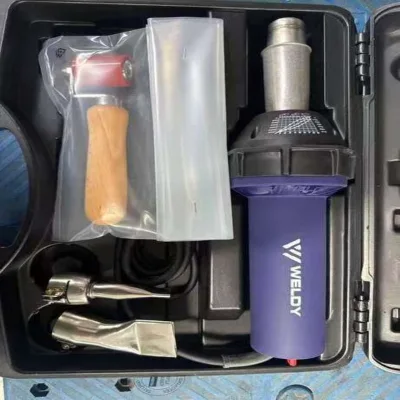
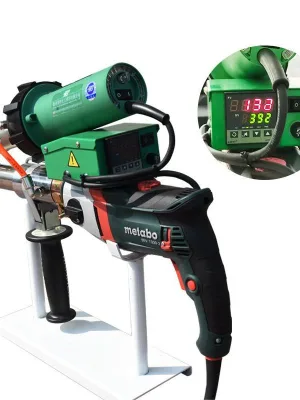
Beyond certifications, buyers should assess the supplier’s response time and communication efficiency, as these factors often reflect the overall professionalism and operational maturity of the company. A quick response time, such as under two hours, suggests that the supplier has dedicated customer service teams and efficient internal processes for handling inquiries and orders. This responsiveness is crucial for resolving technical questions about welding gun specifications, such as motor power, temperature ranges, and applicable welding materials. Buyers should also examine the detailed product attributes provided, including motor brands like Metabo, hot air blower types like Weldy, and mold manufacturers like Julian. These specific component details indicate a level of transparency and technical depth that reputable suppliers typically possess. By comparing these granular details across different suppliers, buyers can gauge the technical expertise and product knowledge of each vendor. Suppliers that provide comprehensive specifications and are willing to answer detailed technical questions are more likely to offer reliable support throughout the procurement process and beyond.
What to Compare Across CE Plastic Welding Gun Suppliers
When evaluating multiple CE Plastic Welding Gun suppliers, buyers must compare key operational metrics such as lead times, minimum order quantities, and pricing structures to determine the best fit for their procurement needs. Lead times vary significantly among suppliers, with some offering production cycles as short as fifteen days, which is advantageous for urgent orders or just-in-time inventory management. Buyers should also consider the minimum order quantity, as many suppliers offer an MOQ of just one piece, allowing for small-scale testing or sample orders before committing to larger purchases. This flexibility is particularly useful for buyers who want to evaluate the quality and performance of a welding gun before scaling up their order. Pricing is another critical factor, with costs ranging from approximately two hundred to over fifteen hundred dollars depending on the specifications and features of the equipment. Buyers should analyze the price-to-feature ratio, considering factors such as motor power, adjustable speed levels, and welding efficiency to ensure they are getting value for their investment. Comparing these metrics across suppliers helps buyers identify the most cost-effective and efficient options for their specific requirements.
In addition to operational metrics, buyers should compare the main products and customization capabilities offered by each supplier to ensure alignment with their technical needs. Some suppliers specialize in a wide range of plastic welding equipment, including extrusion welding guns, electric fusion welding machines, and portable plastic extrusion welding torches, providing a one-stop solution for various welding applications. Others may focus on specific types of welding guns, such as those designed for pipeline plate welding or polypropylene materials. Buyers should assess the customization options available, such as the ability to adjust temperature levels, speed settings, and color schemes, to ensure the equipment meets their specific operational standards. The availability of after-sales service and warranty periods is also a crucial differentiator, with some suppliers offering one-year warranties and dedicated support teams. By comparing these product and service attributes, buyers can select a supplier that not only provides high-quality equipment but also offers the necessary support and flexibility to ensure long-term satisfaction and operational efficiency.
Common CE Plastic Welding Gun Sourcing Risks
Sourcing ce plastic welding guns from international suppliers introduces several risks that buyers must proactively manage to ensure a successful procurement process. One significant risk is the potential mismatch between product specifications and actual performance, particularly regarding critical components such as motors, hot air blowers, and molds. Buyers may encounter situations where the specified motor brand or power output does not match the delivered product, leading to inefficiencies or equipment failure. This risk is heightened when suppliers provide vague or incomplete product attributes, making it difficult to verify the quality of the components before purchase. To mitigate this risk, buyers should request detailed technical datasheets and, if possible, arrange for third-party inspections or sample testing before placing large orders. Additionally, buyers should be cautious of suppliers who do not provide clear information about the origin of their components, as this can impact the reliability and longevity of the welding guns. Ensuring that the equipment is built with high-quality, reputable components is essential for maintaining consistent welding performance and minimizing downtime in production environments.
Another common risk is the variability in lead times and shipping delays, which can disrupt production schedules and inventory management. Suppliers may promise short lead times, such as fifteen days, but fail to deliver on these commitments due to production bottlenecks or logistical issues. This discrepancy can lead to significant costs and operational disruptions for buyers who rely on timely delivery of their equipment. To address this risk, buyers should establish clear communication channels with suppliers and request regular updates on the production status of their orders. It is also advisable to include penalty clauses in the contract for late deliveries to incentivize suppliers to meet their commitments. Furthermore, buyers should consider the supplier’s location and logistics capabilities, as suppliers in remote areas may face longer shipping times and higher freight costs. By understanding these potential risks and implementing appropriate mitigation strategies, buyers can protect their interests and ensure a smoother sourcing experience for ce plastic welding guns.
CE Plastic Welding Gun Regional Sourcing and Logistics
The geographic location of CE Plastic Welding Gun suppliers plays a crucial role in determining logistics costs, lead times, and overall supply chain efficiency. Suppliers located in China’s Shandong and Guangdong provinces offer distinct logistical advantages depending on the buyer’s destination and shipping preferences. Shandong, being a major industrial hub, may provide easier access to inland transportation networks and lower freight costs for certain routes, while Guangdong’s proximity to major ports like Shenzhen and Guangzhou can facilitate faster sea freight options for international buyers. Buyers should evaluate the supplier’s location in the context of their own logistics infrastructure to determine the most cost-effective shipping method. For instance, buyers in Europe may find that shipping from Guangdong offers more frequent and direct vessel services, reducing transit times and inventory holding costs. Conversely, buyers in other regions may benefit from the competitive freight rates available from Shandong-based suppliers. Understanding these regional logistical dynamics allows buyers to optimize their supply chain and minimize the total cost of ownership for their welding equipment.
In addition to freight costs, buyers must consider the impact of regional regulations and customs procedures on the import of ce plastic welding guns. Suppliers in China must comply with export regulations and provide the necessary documentation, such as commercial invoices, packing lists, and certificates of origin, to facilitate smooth customs clearance in the buyer’s country. Buyers should ensure that their suppliers are familiar with the import requirements of their destination market, particularly regarding CE certification and other regulatory standards. Failure to comply with these requirements can result in delays, fines, or even the rejection of the shipment at customs. To mitigate this risk, buyers should work with suppliers who have experience in exporting to their specific market and who can provide accurate and complete documentation. Additionally, buyers should consider using freight forwarders who specialize in handling industrial equipment and who can assist with customs clearance and logistics coordination. By leveraging the logistical advantages of different regions and ensuring compliance with import regulations, buyers can streamline their sourcing process and reduce the risk of supply chain disruptions.
CE Plastic Welding Gun Commercial Terms and Order Planning
Effective order planning for ce plastic welding guns requires careful consideration of commercial terms, including payment methods, warranty policies, and after-sales service agreements. Buyers should prioritize suppliers that offer secure payment options, such as escrow services, which protect their funds until the goods are received and verified. This financial safeguard is particularly important when dealing with new suppliers or large orders, as it reduces the risk of fraud or non-delivery. Additionally, buyers should negotiate clear warranty terms, such as a one-year warranty period, to ensure that they have recourse in case of equipment defects or failures. The availability of after-sales service, including technical support and spare parts, is also a critical factor in the long-term usability of the welding guns. Buyers should assess the supplier’s ability to provide timely assistance and replacement parts to minimize downtime in their operations. By establishing robust commercial terms, buyers can protect their investment and ensure a reliable partnership with their supplier.
Furthermore, buyers should plan their orders based on the supplier’s production capacity and lead times to avoid stockouts or production delays. Suppliers with ODM and OEM capabilities may have longer lead times due to the customization process, so buyers should factor this into their inventory planning. It is also advisable to place orders well in advance of peak seasons or anticipated demand spikes to secure production slots and avoid delays. Buyers should also consider the MOQ requirements when planning their orders, as some suppliers may offer discounts for larger quantities. By aligning their order quantities with the supplier’s pricing tiers and production capabilities, buyers can optimize their procurement costs and ensure a steady supply of welding equipment. Additionally, buyers should maintain open communication with their suppliers to stay informed about any changes in production schedules or material availability. This proactive approach to order planning helps buyers manage their supply chain
FAQs
What is the price range for CE plastic welding guns?
Prices for CE plastic welding guns typically range from $215 to $1500 depending on specifications. Some models are priced at $710, while others start at $288 or $300. Buyers should verify specific unit costs as prices vary by manufacturer and configuration.
What is the minimum order quantity for these tools?
The minimum order quantity is generally one piece for most CE plastic welding guns. Suppliers often allow single-unit purchases, making it easy to test equipment before committing to larger industrial orders. Always confirm the MOQ with the specific seller.
How long does delivery take for these welding guns?
Lead times for CE plastic welding guns are approximately 15 days. This timeframe allows for production and preparation. Buyers should confirm exact delivery schedules with suppliers, as shipping methods and stock availability can influence the final arrival date.
Where are these plastic welding guns manufactured?
These tools are manufactured in China, specifically in Shandong and Guangdong provinces. Suppliers in these regions offer various models, including extrusion and hot air guns. Buyers can verify the origin of specific products to ensure they meet regional sourcing preferences.
What certifications do these welding guns hold?
Many CE plastic welding guns hold ISO9001:2015, RoHS, and CE certifications. Some products also display ISOCE and RoHS compliance. Buyers should request valid certificates to ensure the equipment meets international safety and quality standards for industrial and commercial applications.
What power sources do these welding guns use?
Most CE plastic welding guns use electric power sources, including AC current. Some models feature 1300W motors or 1600W torches. Buyers should check the power specifications to ensure compatibility with their facility's electrical infrastructure and operational requirements.